
2,462 views ·
6 replies
2k views
6 replies
Which plastering technique is recommended?

Hello!
I am going to spruce up the walls in an old shower room that will now only house a toilet. I have removed all the tiles and the walls are now very uneven with old plaster that is stuck on hard. There is a 4 - 15 millimeter difference in level in some places (see the pictures). My thoughts are:
- Gypsum plaster or traditional plaster mortar? I've plastered before but I'm not a pro. The price aspect is negligible.
- How do I deal with these level differences? Should I first aim to get everything reasonably uniform in level before I apply a new leveling layer over everything? I would preferably like to avoid chipping away all the old plaster....
- I have read that with old masonry (the house is from 1946) one should not use cement-based plaster but rather something like restoration mortar, is this correct?
Grateful for tips and thoughts.
I am going to spruce up the walls in an old shower room that will now only house a toilet. I have removed all the tiles and the walls are now very uneven with old plaster that is stuck on hard. There is a 4 - 15 millimeter difference in level in some places (see the pictures). My thoughts are:
- Gypsum plaster or traditional plaster mortar? I've plastered before but I'm not a pro. The price aspect is negligible.
- How do I deal with these level differences? Should I first aim to get everything reasonably uniform in level before I apply a new leveling layer over everything? I would preferably like to avoid chipping away all the old plaster....
- I have read that with old masonry (the house is from 1946) one should not use cement-based plaster but rather something like restoration mortar, is this correct?
Grateful for tips and thoughts.
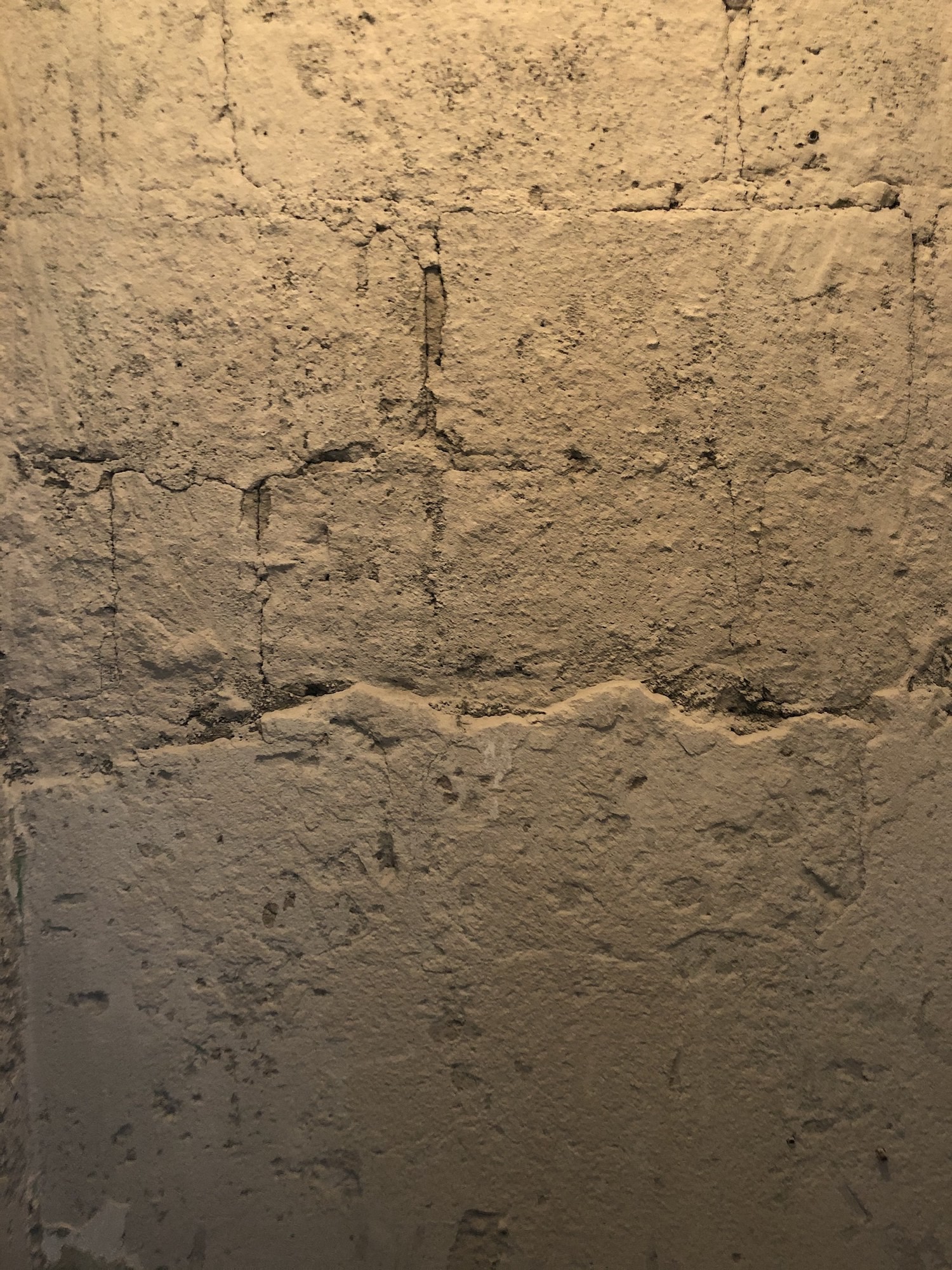
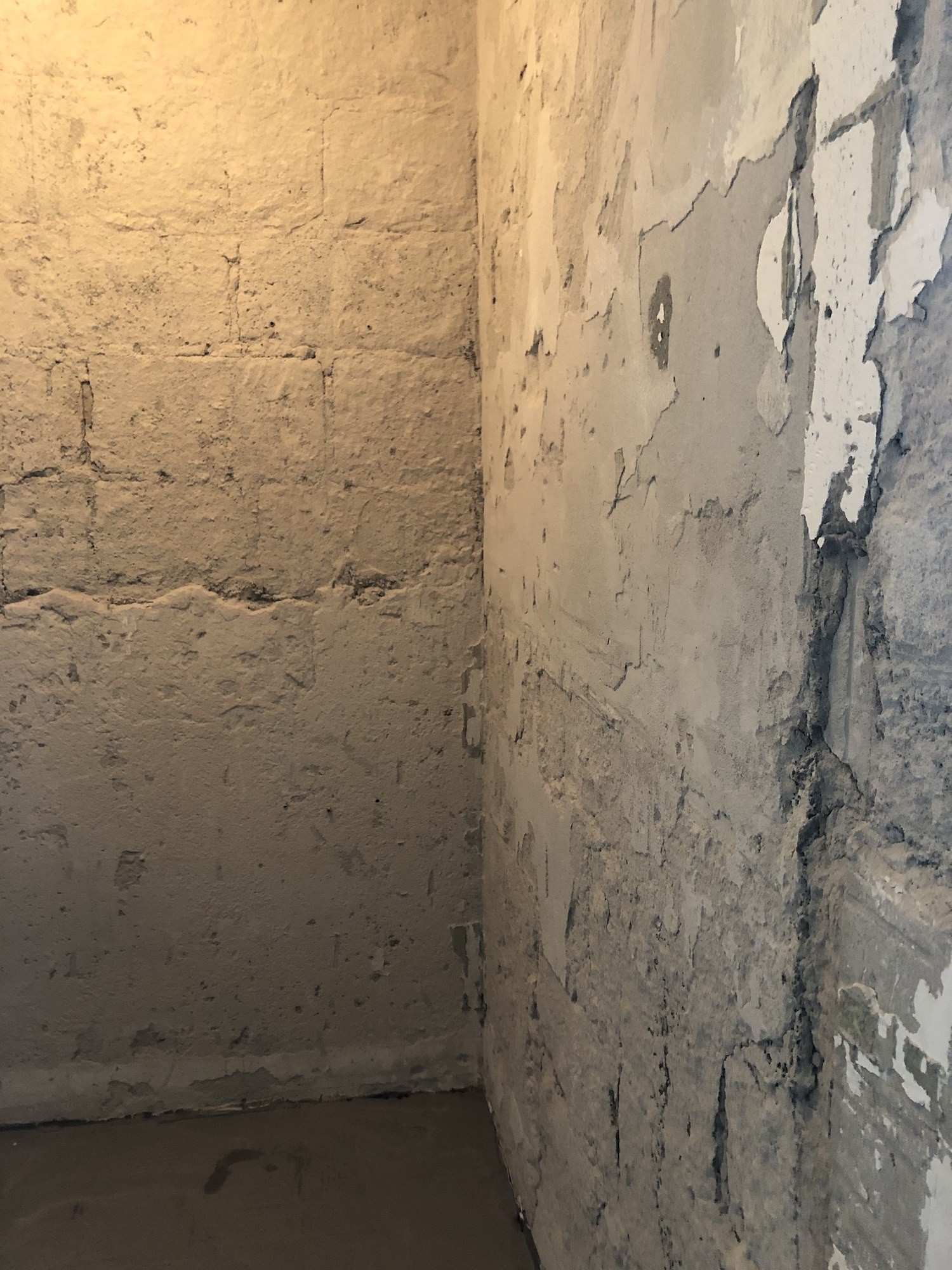

You may place avstrykarbrädor on the sides of the wall so it can be even, then wet the wall, wait until it looks dry, apply a thin layer of plaster mix and let it set so that the real plaster has something to adhere to. Old walls tend to absorb too much, which can create air gaps between the wall and the plaster.
Okay, thanks for the response. So the thin plaster should cure completely, meaning it should be completely dry before continuing?
It should heat up so that the water goes out, because when you come with the next round it shouldn't get too wet with the next application, then it can fall down, you then mix the water into the first layer and then it soaks up, it can preferably dry quite well before the next round, it doesn't matter. The thing with applying a thin layer makes it rough and the next layer adheres well then.
Okay, I understand, thanks. And the gipsputs variant? I've understood that it's a bit simpler, but are there any immediate drawbacks?
Hi, not sure, I haven't used plaster putty, just regular plaster mortar. Plaster might be easier to smooth out but a bit softer than the plaster mortar. There is a thread here https://www.byggahus.se/forum/threads/gipsputs-fraga-primer-eller-inte-fuktspaerr.209660/ that you can read a bit.
Ok, thanks!
Click here to reply