
Hej,
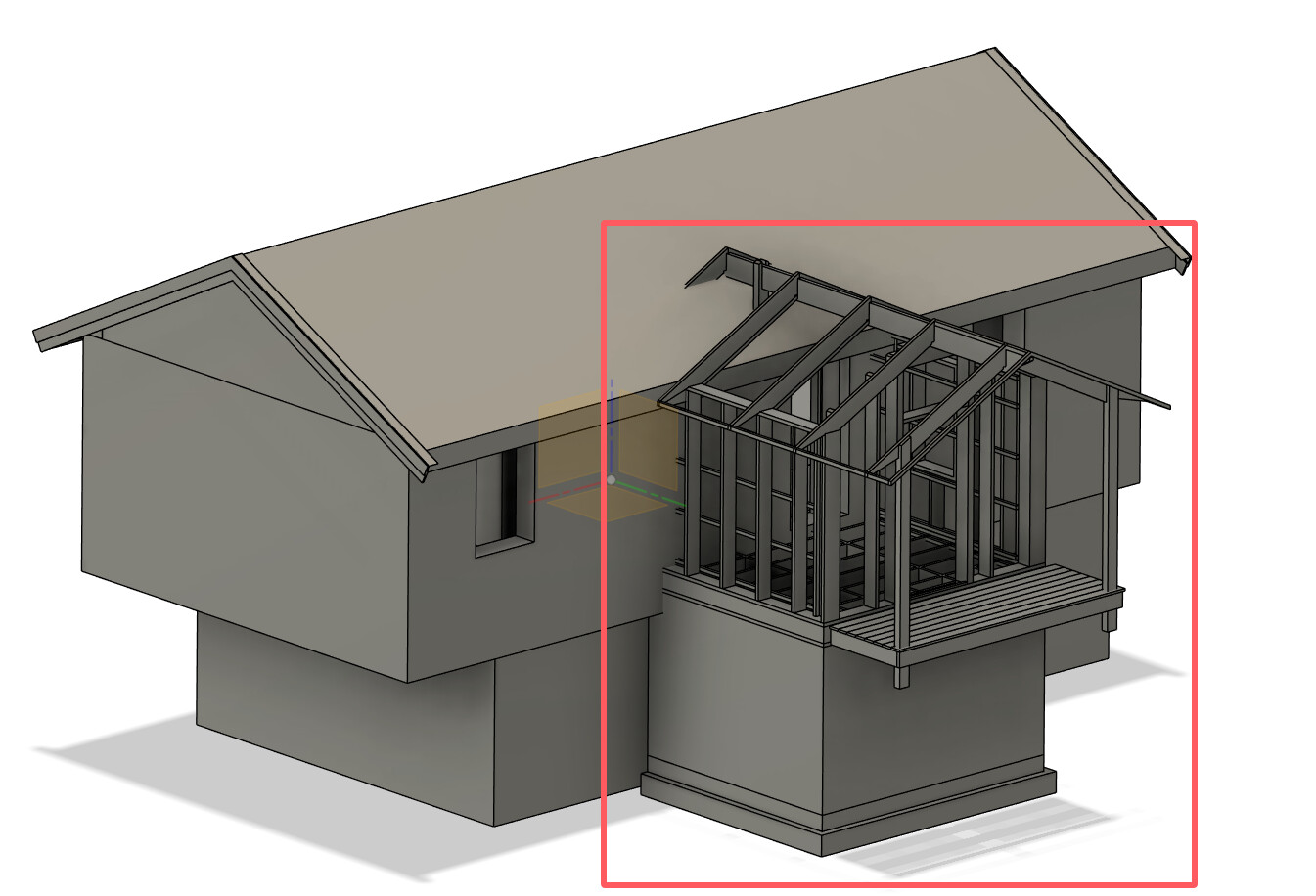
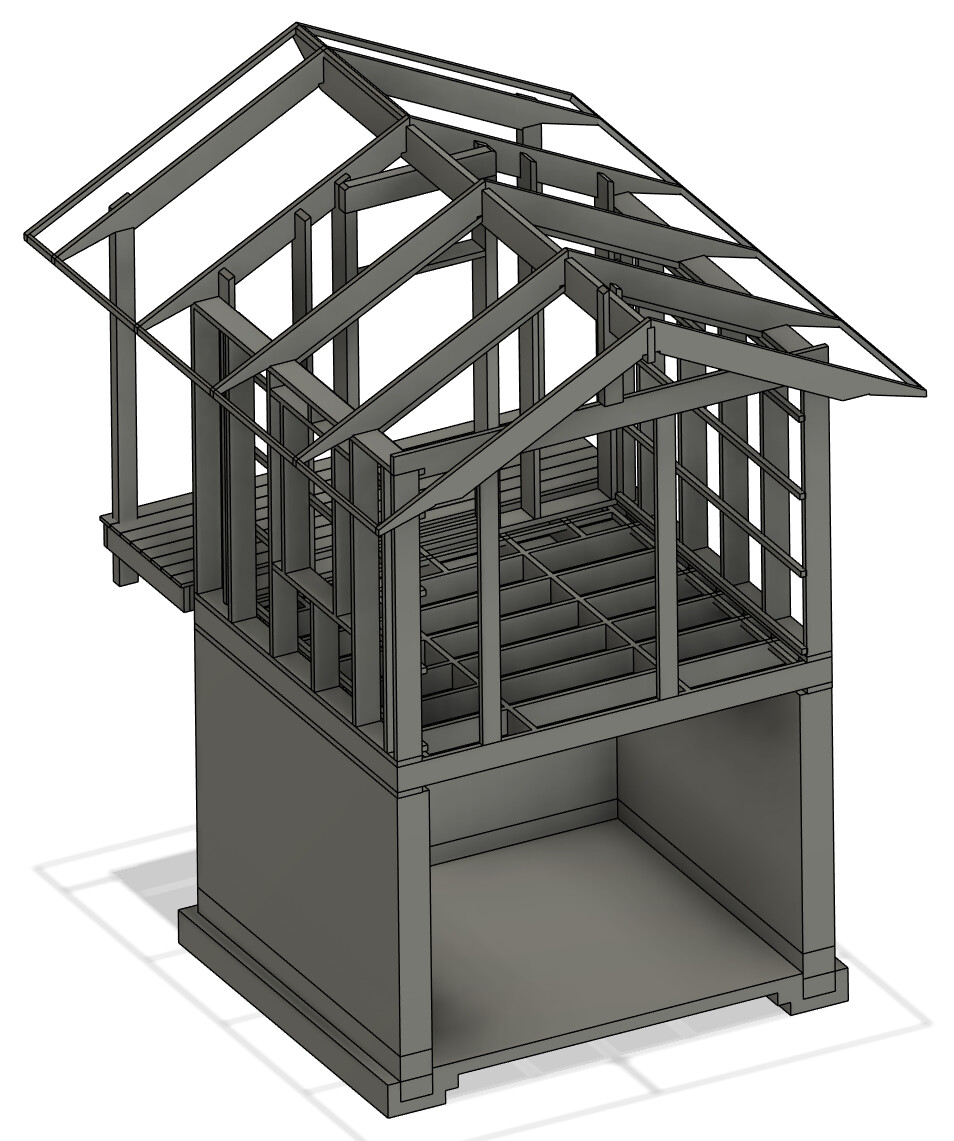
Jag hade tänkt uppföra en mindre utbyggnad på 3,4m bredd x 3m djup mot huset, med källare, och farstu ovanför. Jag undrar om någon kan uppskatta om jag ligger rimligt till i dimensionering av armering och sulans storlek, eller om det verkar vara i underkant, eller är helt överdimensionerat. Jag har inte gjutit något liknande innan.
Taket är med nockbalk, så runt hälften av snölasten tas ner på den längre väggen med altan och gamla huset.
Golvets last tas på de kortare väggarna.
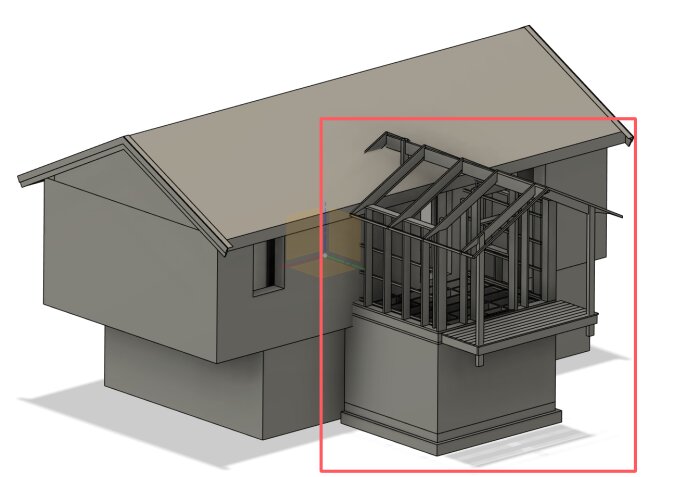
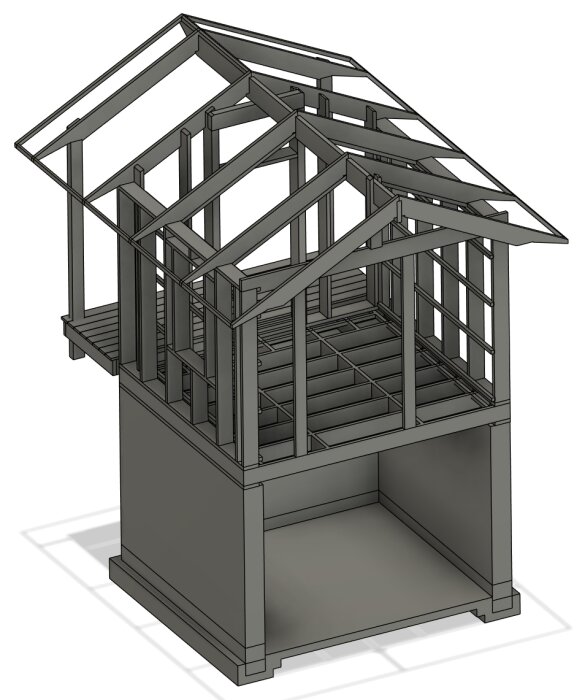
Med 25cm lecaväggar i källaren, tungt golvbjälklag, snölastzon 1,5 så har jag fått fram en linjelast på 13,7kN/m på de korta 3m väggarna och en linjelast på 9,2kN/m på 3,4m väggen med dörren.
Huset står på lersilt, som har varit stenhård när jag har grävt i den tidigare.
Jag tar in betongbil då det blir ett par kubik totalt med ett par plintar som ska ner också. Så det spelar inte så stor roll om det är överdimensionerat när jag ändå inte ska blanda själv.
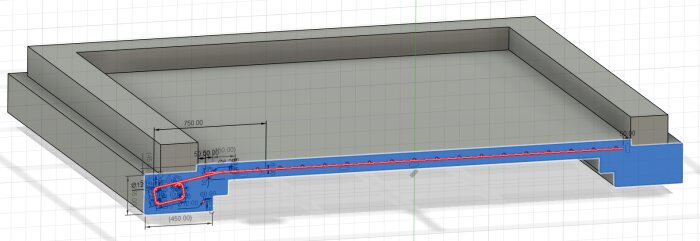
För plattan tänkte jag mig följande:
Geotextilduk N2 svart
Makadam 15cm 8-16
Cellplast S100 EPS 10-20cm.
Åldersbeständig byggplast efter första lagret.
Armering D6 150x150, N6150+Betong 10cm
4,5cm stödkant för lecablocken
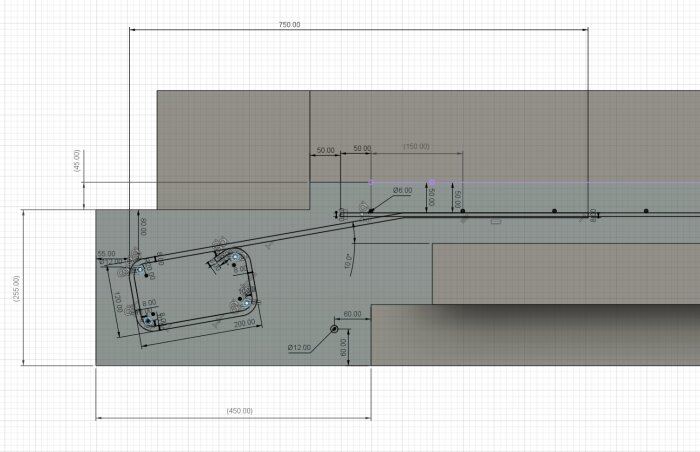
För sulan/kantbalken tänke jag mig:
Geotextilduk N2 svart
Makadam 15cm 8-16
450mm bredd, 255mm höjd.
Villabyglar 8mm 750x120x200 CC600
4+1st armeringsjärn 12mm
Hur mycket är jag ute och cyklar?
Något jag kan dimensionera ner på?
Jag hade tänkt uppföra en mindre utbyggnad på 3,4m bredd x 3m djup mot huset, med källare, och farstu ovanför. Jag undrar om någon kan uppskatta om jag ligger rimligt till i dimensionering av armering och sulans storlek, eller om det verkar vara i underkant, eller är helt överdimensionerat. Jag har inte gjutit något liknande innan.
Taket är med nockbalk, så runt hälften av snölasten tas ner på den längre väggen med altan och gamla huset.
Golvets last tas på de kortare väggarna.
Inloggade ser högupplösta bilder
Logga in
Skapa konto
Gratis och tar endast 30 sekunder
Inloggade ser högupplösta bilder
Logga in
Skapa konto
Gratis och tar endast 30 sekunder
Med 25cm lecaväggar i källaren, tungt golvbjälklag, snölastzon 1,5 så har jag fått fram en linjelast på 13,7kN/m på de korta 3m väggarna och en linjelast på 9,2kN/m på 3,4m väggen med dörren.
Huset står på lersilt, som har varit stenhård när jag har grävt i den tidigare.
Jag tar in betongbil då det blir ett par kubik totalt med ett par plintar som ska ner också. Så det spelar inte så stor roll om det är överdimensionerat när jag ändå inte ska blanda själv.
För plattan tänkte jag mig följande:
Geotextilduk N2 svart
Makadam 15cm 8-16
Cellplast S100 EPS 10-20cm.
Åldersbeständig byggplast efter första lagret.
Armering D6 150x150, N6150+Betong 10cm
4,5cm stödkant för lecablocken
För sulan/kantbalken tänke jag mig:
Geotextilduk N2 svart
Makadam 15cm 8-16
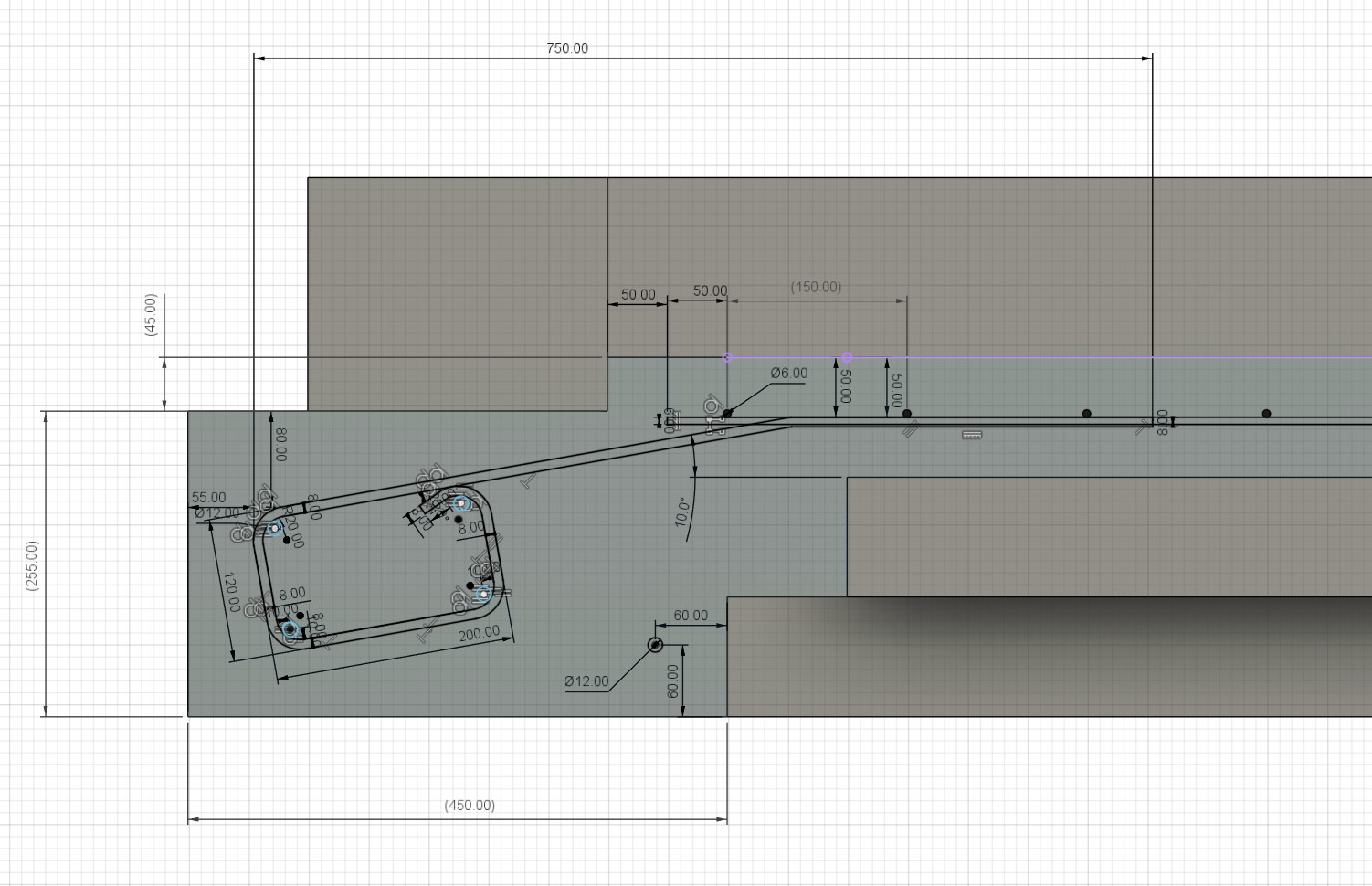
450mm bredd, 255mm höjd.
Villabyglar 8mm 750x120x200 CC600
4+1st armeringsjärn 12mm
Hur mycket är jag ute och cyklar?
Något jag kan dimensionera ner på?
Inloggade ser högupplösta bilder
Logga in
Skapa konto
Gratis och tar endast 30 sekunder
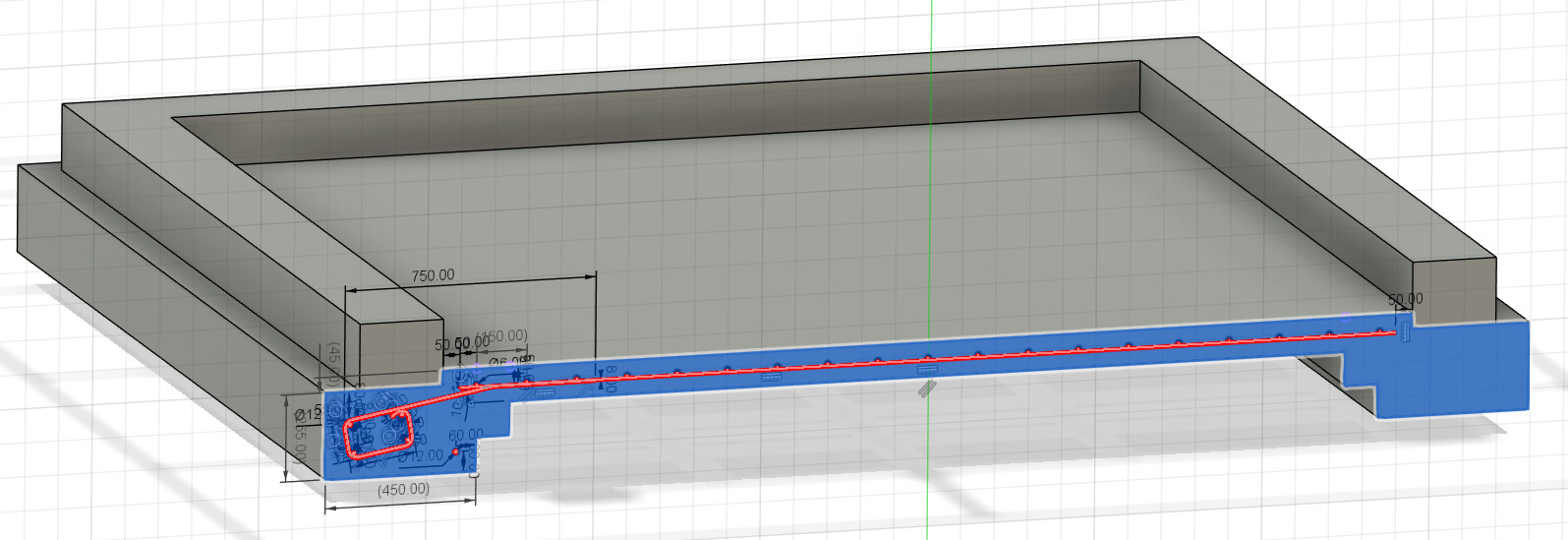
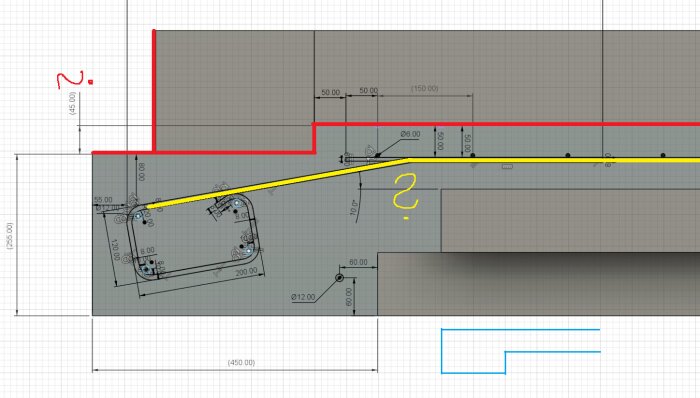
Why this offset? It will make it harder to properly waterproof (red line). Why this deflection? Was there some deeper reasoning behind it? Why don't you do it as the blue line shows?
Inloggade ser högupplösta bilder
Logga in
Skapa konto
Gratis och tar endast 30 sekunder
Inloggade ser högupplösta bilder
Logga in
Skapa konto
Gratis och tar endast 30 sekunder
Redigerat:
That offset is needed to prevent the wall from getting pushed into the house by the pressure from the ground outside.S sturnus skrev:
Yellow deflection is needed to get 50mm around the rebar everywhere.
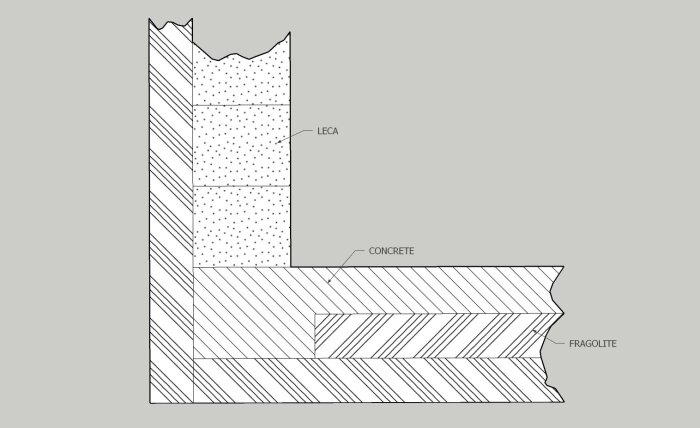
What about the remaining Leca layers? Furthermore, if the slab is flat and the wall is already bricked up, you pour a floor, which will work the same way, right? Because you have to protect the floor to protect the waterproofing layer.E Edvuld skrev:
Exactly. Your oddities lead to even more odd solutions. One idea leads to another. Don't try to force things open. Have you ever seen solutions like this anywhere? I haven't, even though I'm a builder and have designed many things myself.E Edvuld skrev:
The support edge at the bottom is the recommended/mandatory way to do it according to Weber and Finja.
As I'd like to pour everything at once to get the best strength, and not pay for two delieveries and so on, it makes sense to do it this like this in one go.
The "waterproof" layer will be in between the first and second layer of EPS, so there is nothing that needs to be protected.
The bent villabygel could be straight if I make the concrete thicker, but in what way does it matter if it is bent?
As I'd like to pour everything at once to get the best strength, and not pay for two delieveries and so on, it makes sense to do it this like this in one go.
The "waterproof" layer will be in between the first and second layer of EPS, so there is nothing that needs to be protected.
The bent villabygel could be straight if I make the concrete thicker, but in what way does it matter if it is bent?
A waterproofing layer on the joint makes no sense. It should be underneath and on the outside of the wall, connecting to the floor insulation. Just don't use the example of building slabs, as they're on the ground, and this is a basement, and the foil won't work there. But if you think you're creating a new construction system, then go for it.
Yes it matters.E Edvuld skrev:

Verkar vara lite överkomplicerat. Offsetten hjälper ju bara marktrycket nedersta decimetern ändå eller vad höjden nu är på den.
Gjut en vanlig platta, för att ta upp marktrycket är det enklare att dubba med armeringsjärn ner i plattan genom lecablocken.
Gjut en vanlig platta, för att ta upp marktrycket är det enklare att dubba med armeringsjärn ner i plattan genom lecablocken.
När jag murade källaren (större än din) så gjöt jag in armering/dubb i plattan som gick genom 3 lecablock, valde därför hålblock. Dessa fylls sedan med betong innan du murar vidare. Konstruktören gav mig klack eller dubb som alternativ. Jag ville också gjuta allt på en gång så då blev dubb det enklaste alternativet.
Klicka här för att svara