
Hi! Sorry for taking this in English, my DIY vocabulary isn't quite sufficient yet and I want to make sure I understand what I have here 
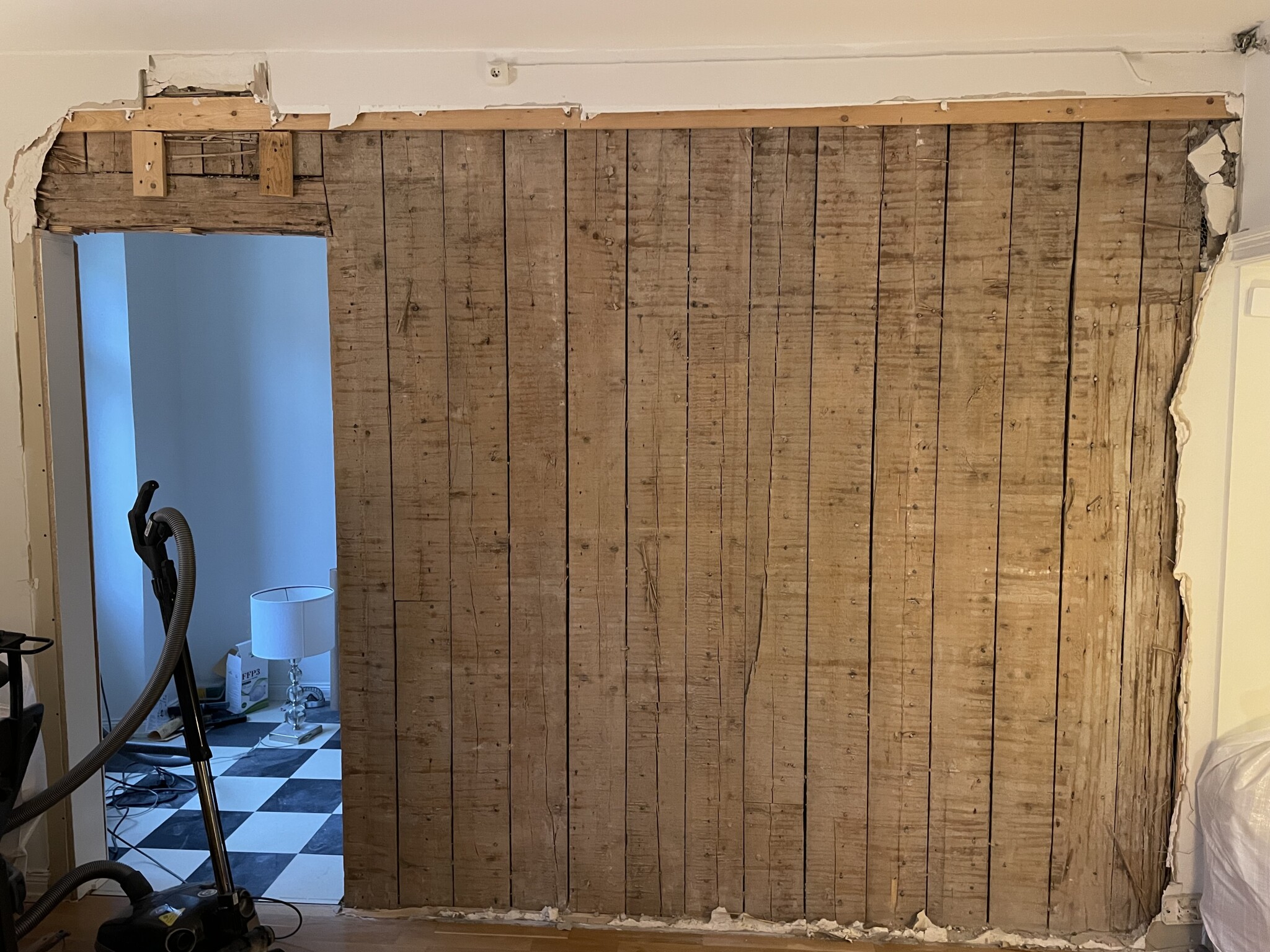
I am planning to remove a wall in my apartment separating the kitchen and main room. Previously I was going to use a contractor for convenience but they kept pushing forward the dates, and since I am impatient and fairly handy I will do it myself.
They sent some drawings and determined that there should be no problems removing this wall (and eventually the wall separating the kitchen and hallway)
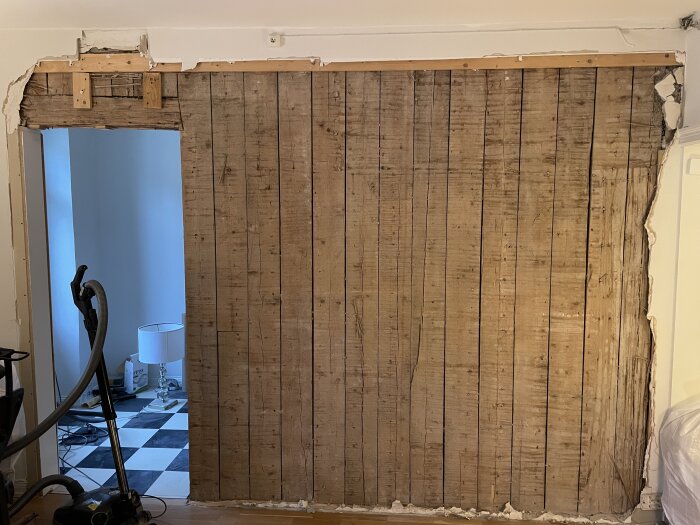
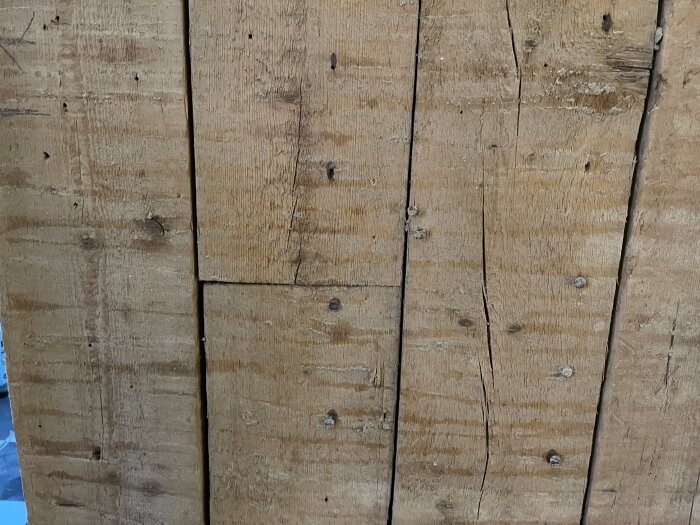
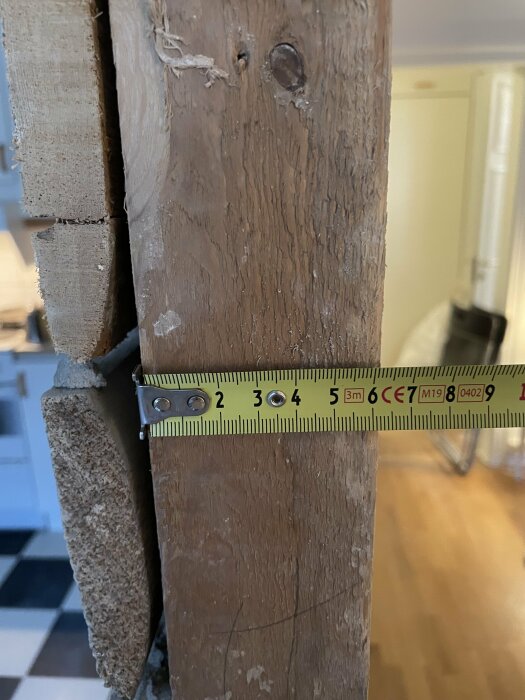
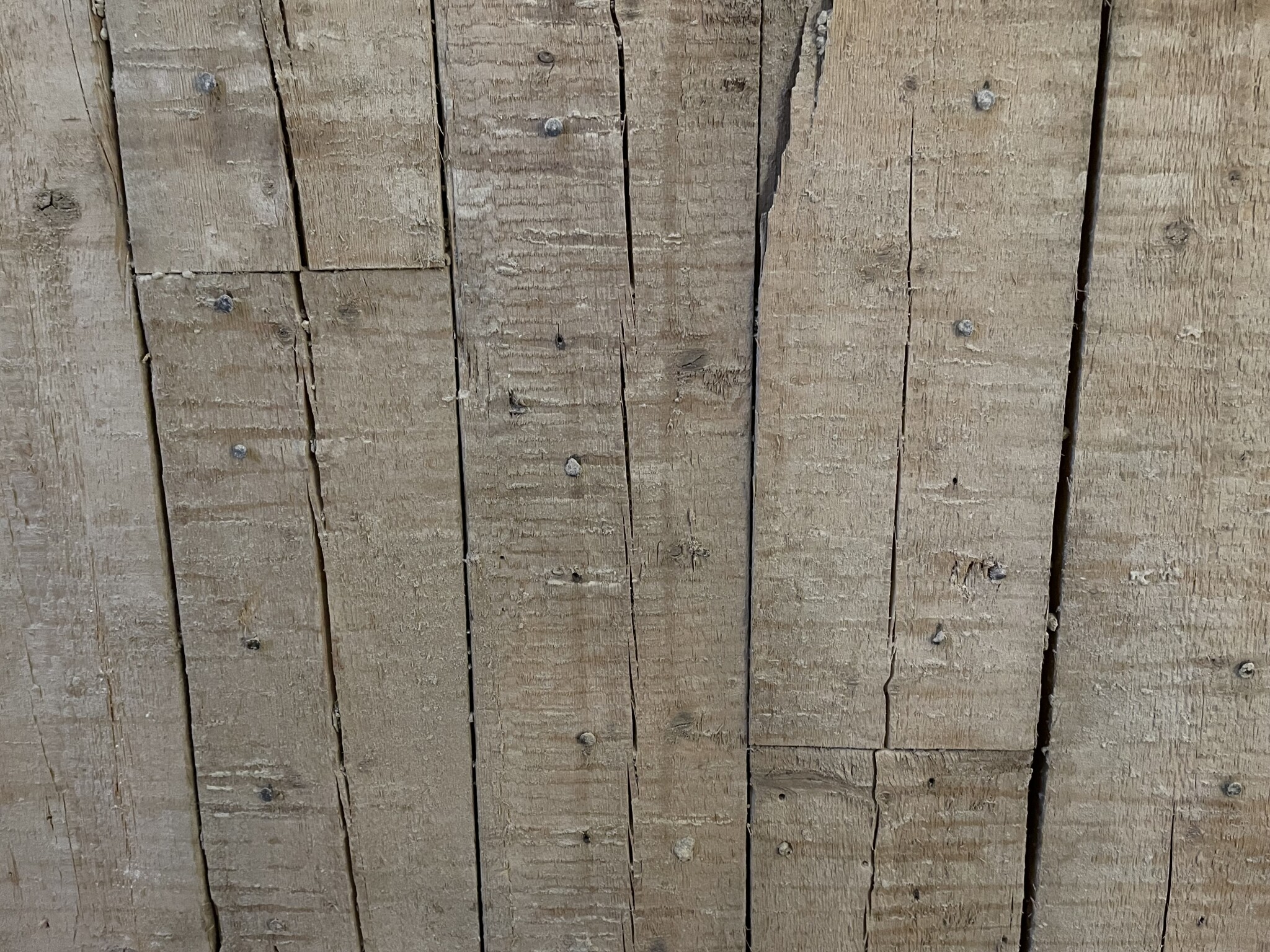
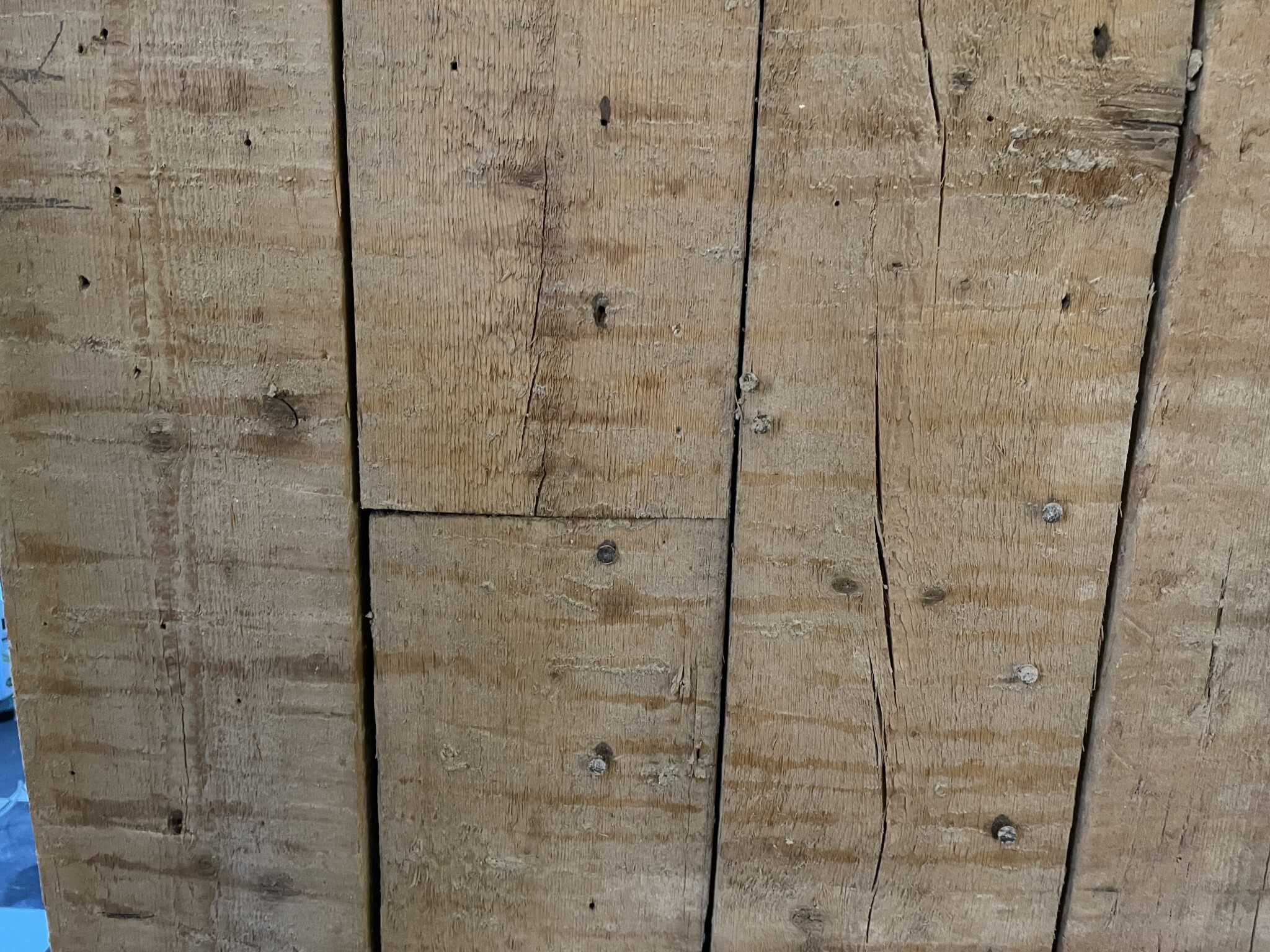
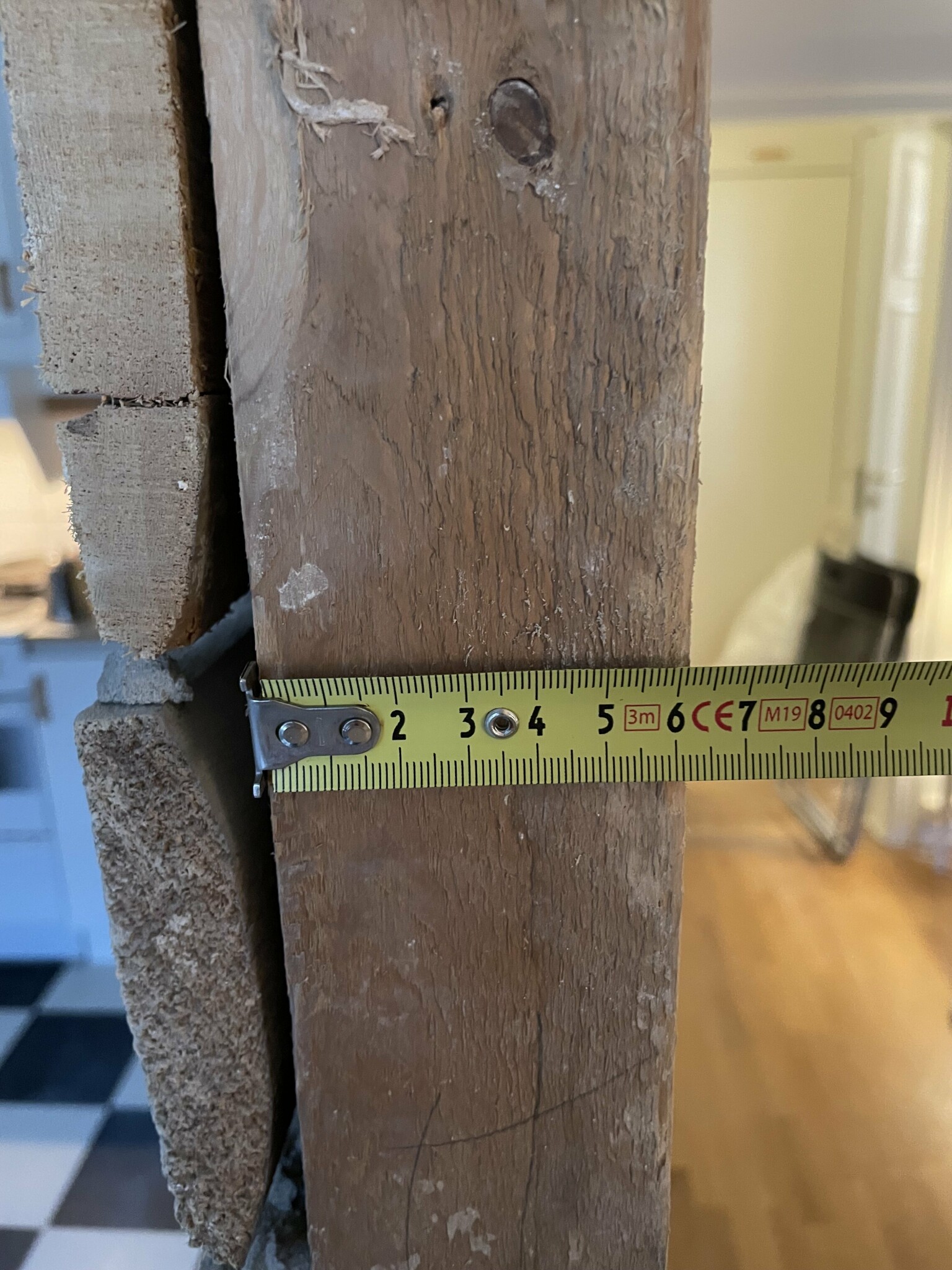
I have removed the outer layer of straw matt/plaster and now I am left with a thick 6cm solid wood wall, which is making me rethink the contractors earlier judgement. Is this kind of wall just how things used to be made? It seems over engineered to just be a dividing wall.
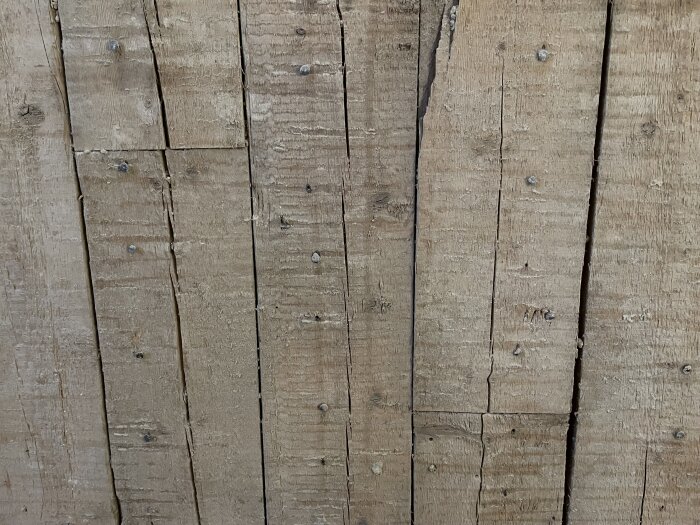
Some things that make me think it is not bearing is that plenty of my neighbours (all the same size and layout/mirrored layout) have removed this wall. Also that the vertical planks are not one piece in some cases, which doesn't seem like it would be structurally ideal. And finally also that part of this wall has already been removed.
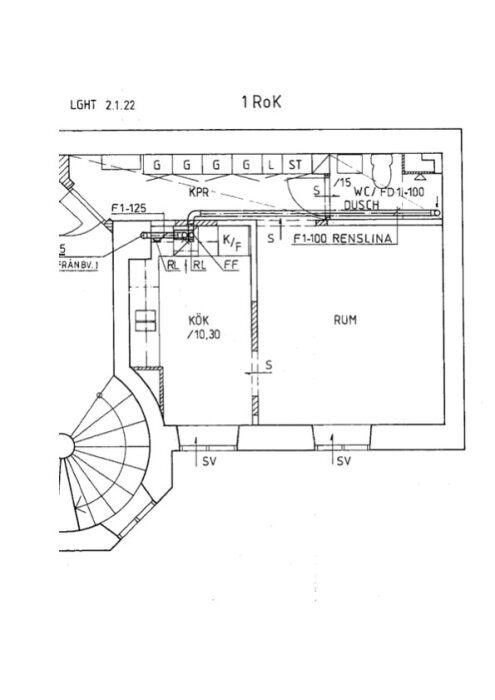
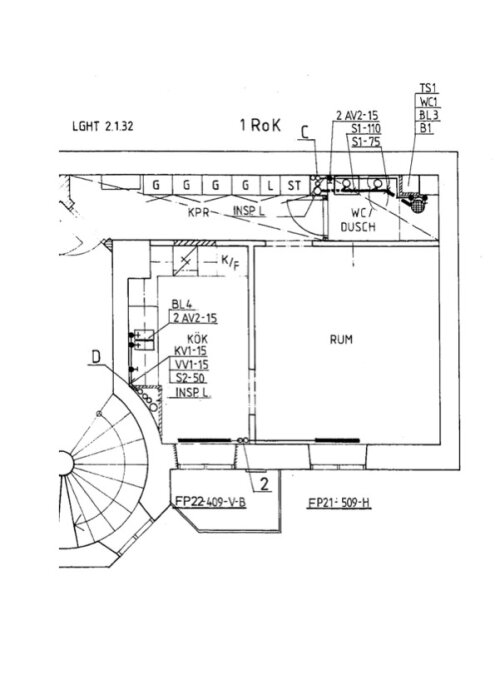
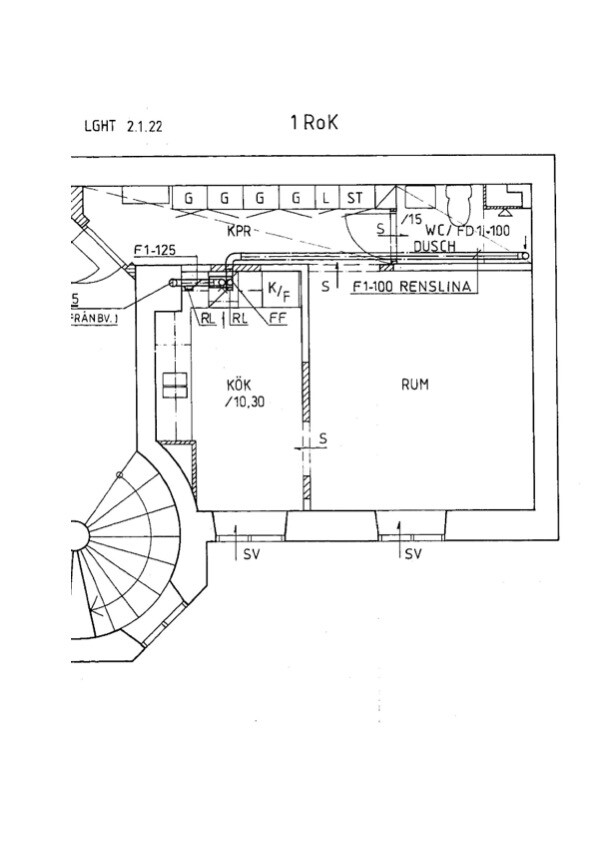
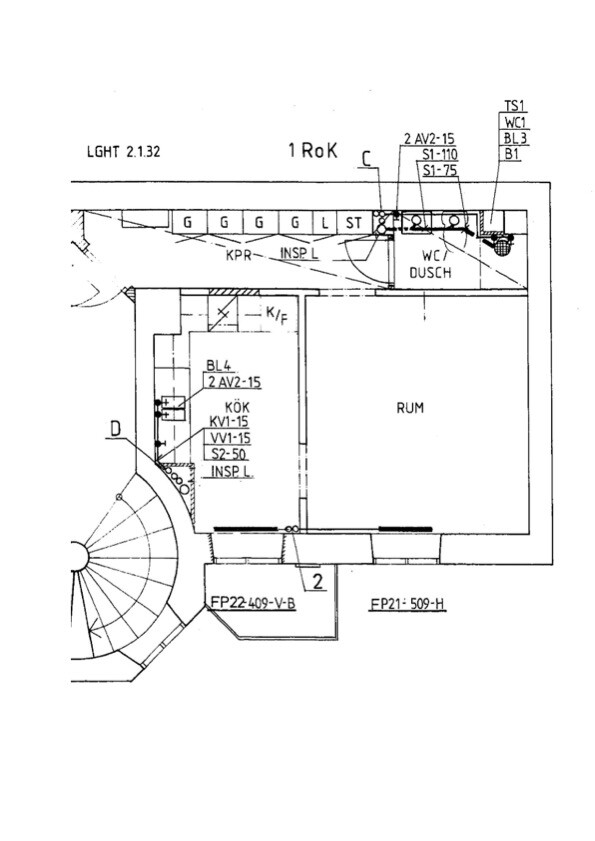
I have attached some drawings, and pictures of the wall. I appreciate any help and can provide more info if needed!
I am planning to remove a wall in my apartment separating the kitchen and main room. Previously I was going to use a contractor for convenience but they kept pushing forward the dates, and since I am impatient and fairly handy I will do it myself.
They sent some drawings and determined that there should be no problems removing this wall (and eventually the wall separating the kitchen and hallway)
I have removed the outer layer of straw matt/plaster and now I am left with a thick 6cm solid wood wall, which is making me rethink the contractors earlier judgement. Is this kind of wall just how things used to be made? It seems over engineered to just be a dividing wall.
Some things that make me think it is not bearing is that plenty of my neighbours (all the same size and layout/mirrored layout) have removed this wall. Also that the vertical planks are not one piece in some cases, which doesn't seem like it would be structurally ideal. And finally also that part of this wall has already been removed.
I have attached some drawings, and pictures of the wall. I appreciate any help and can provide more info if needed!
-
 Inloggade ser högupplösta bilderLogga inSkapa kontoGratis och tar endast 30 sekunder
 -
 Inloggade ser högupplösta bilderLogga inSkapa kontoGratis och tar endast 30 sekunder
 -
 Inloggade ser högupplösta bilderLogga inSkapa kontoGratis och tar endast 30 sekunder
 -
 Inloggade ser högupplösta bilderLogga inSkapa kontoGratis och tar endast 30 sekunder
 -
 Inloggade ser högupplösta bilderLogga inSkapa kontoGratis och tar endast 30 sekunder
 -
 Inloggade ser högupplösta bilderLogga inSkapa kontoGratis och tar endast 30 sekunder
First of all, do you have an OK from the board of the BRF to tear down this wall? Usually you have to get permission from the board for changing the layout of the apartment.
Then, to really know whether the wall is load bearing or not a section of the building is needed. There should be a plan with a section drawn where you see how the floor joists are oriented, what is under and over the wall you are planning to remove and if the trusses are built to accommodate that.
The rather thick planks could be a sign of the times the house was built and they could be load bearing despite being cut as they are still standing "in line" with the bottom pieces. The thinner boards will keep them together so they don't misalign.
You really should get a "konstruktör" to look at the plans and possibly at the actual construction to find out.
The house doesn't look too wide (there are no measurements given) so it is possible the floor joists and trusses are free hanging but it is hard to say from the plans you have included.
Then, to really know whether the wall is load bearing or not a section of the building is needed. There should be a plan with a section drawn where you see how the floor joists are oriented, what is under and over the wall you are planning to remove and if the trusses are built to accommodate that.
The rather thick planks could be a sign of the times the house was built and they could be load bearing despite being cut as they are still standing "in line" with the bottom pieces. The thinner boards will keep them together so they don't misalign.
You really should get a "konstruktör" to look at the plans and possibly at the actual construction to find out.
The house doesn't look too wide (there are no measurements given) so it is possible the floor joists and trusses are free hanging but it is hard to say from the plans you have included.
Thanks for the response!T Testarn skrev:First of all, do you have an OK from the board of the BRF to tear down this wall? Usually you have to get permission from the board for changing the layout of the apartment.
Then, to really know whether the wall is load bearing or not a section of the building is needed. There should be a plan with a section drawn where you see how the floor joists are oriented, what is under and over the wall you are planning to remove and if the trusses are built to accommodate that.
The rather thick planks could be a sign of the times the house was built and they could be load bearing despite being cut as they are still standing "in line" with the bottom pieces. The thinner boards will keep them together so they don't misalign.
You really should get a "konstruktör" to look at the plans and possibly at the actual construction to find out.
The house doesn't look too wide (there are no measurements given) so it is possible the floor joists and trusses are free hanging but it is hard to say from the plans you have included.
Yes I do have permission from the BRF, so all good in that sense. I think you're right though, so I have contacted a konstruktör to double check (I see you are in Stockholm, if you can recommend any others I would be grateful!). I don't want to solely judge it based on what my neighbours have done, potentially an expensive mistake.
Thanks for the input. I am pretty certain it is not load bearing as well, but since I will be doing the. work myself I think I will get a second opinion form a konstruktör. Although the ones I have gotten in touch with will charge 5900kr to check...1 16386 skrev:
Klicka här för att svara
Liknande trådar
-
"Självbärande" fackverksstolar över delvis yttervägg/delvis innervägg.
Byggmaterial & Byggteknik -
Identifiera bärande innervägg
Utbyggnad och tillbyggnad -
Hur kan jag bli säker på om innervägg är bärande eller inte?
Utbyggnad och tillbyggnad -
Har innerväggen blivit bärande?
Byggmaterial & Byggteknik -
Hur bygger jag en icke-bärande innervägg med skjutdörr.
Byggmaterial & Byggteknik