
6,973 views ·
28 replies
7k views
28 replies
Why do walls and floors "mold" in the basement?
If it was the same dealer who recommended you paint with plastic paint on an older basement wall who now says you should treat with grönfri, I would stay very far away from that dealer.P peter.linkan said:I was recommended to scrape off and treat with Jape.
Jape mögel-fri is for indoor use "in walls, joists, crawlspaces, basements, bathrooms, and attics" and against "growth of mold and blue stain as well as microbial odor".
Prickfri is for outdoor use, used on wooden surfaces, and against "black spots caused by mold and algae".
Therefore it is not prickfri and I assumed I should use mögelfri.
As previously written, if treated correctly, old un-drained basement walls don't have to be a major concern. With dense paint, the problems with the email will come...
No, it's a skilled craftsman.J JohanLun said:If it was the same dealer who recommended you to paint with plastic paint on an older basement wall who is now saying you should treat with grönfri, I would stay very far away from that dealer.
As previously written, when treated correctly, old undrained basement walls don't have to be a big problem. With dense paint, the problems come with the email....
I will never shop at Flügger färg again
 I'm considering if I can get some compensation, I've paid for the paint, did all the work, and then it's a mess.
The unfortunate thing is that it's a nightmare to remove plastic paint from the walls.P peter.linkan said:
And sure, there could possibly be mold underneath if the moisture is trapped before the paint cracks.
Ugh!J JohanLun said:
I'll have to wait and hope it doesn't get worse than what's happened so far, as an earlier writer mentioned above that it was for him.
If it spreads across the whole room, I'll have to sand down all of it, re-plaster, and paint with silicate. I wish Flügger would take the bill for that...

Flügger states that the finished paint is diffusion-open, so it should work. I haven't checked the other paints.
https://www.flugger.se/inomhus/takfarg/archaia-kompositionsfarg-tak-vagg/p-KOMP VI/
https://www.flugger.se/inomhus/takfarg/archaia-kompositionsfarg-tak-vagg/p-KOMP VI/
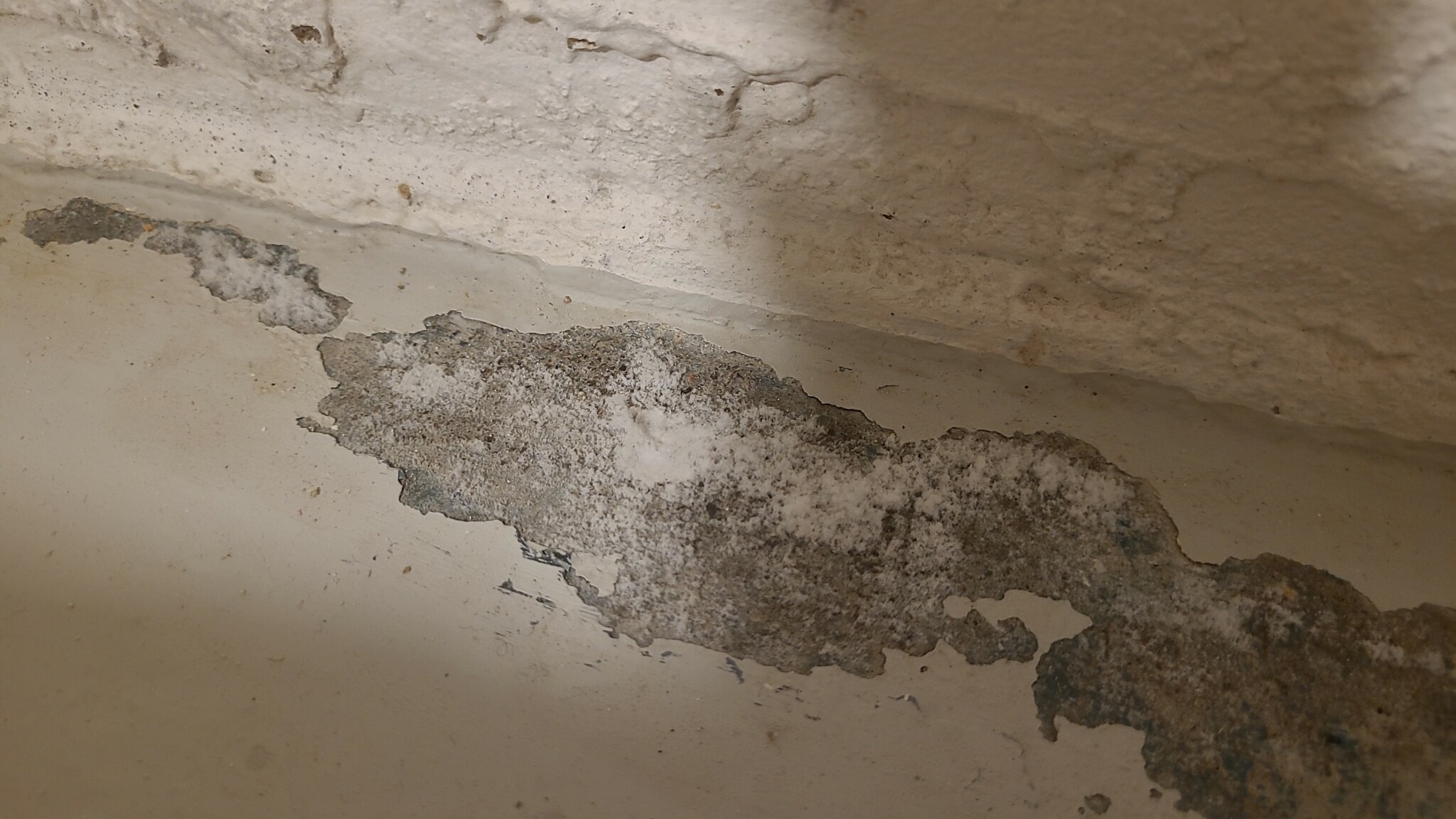
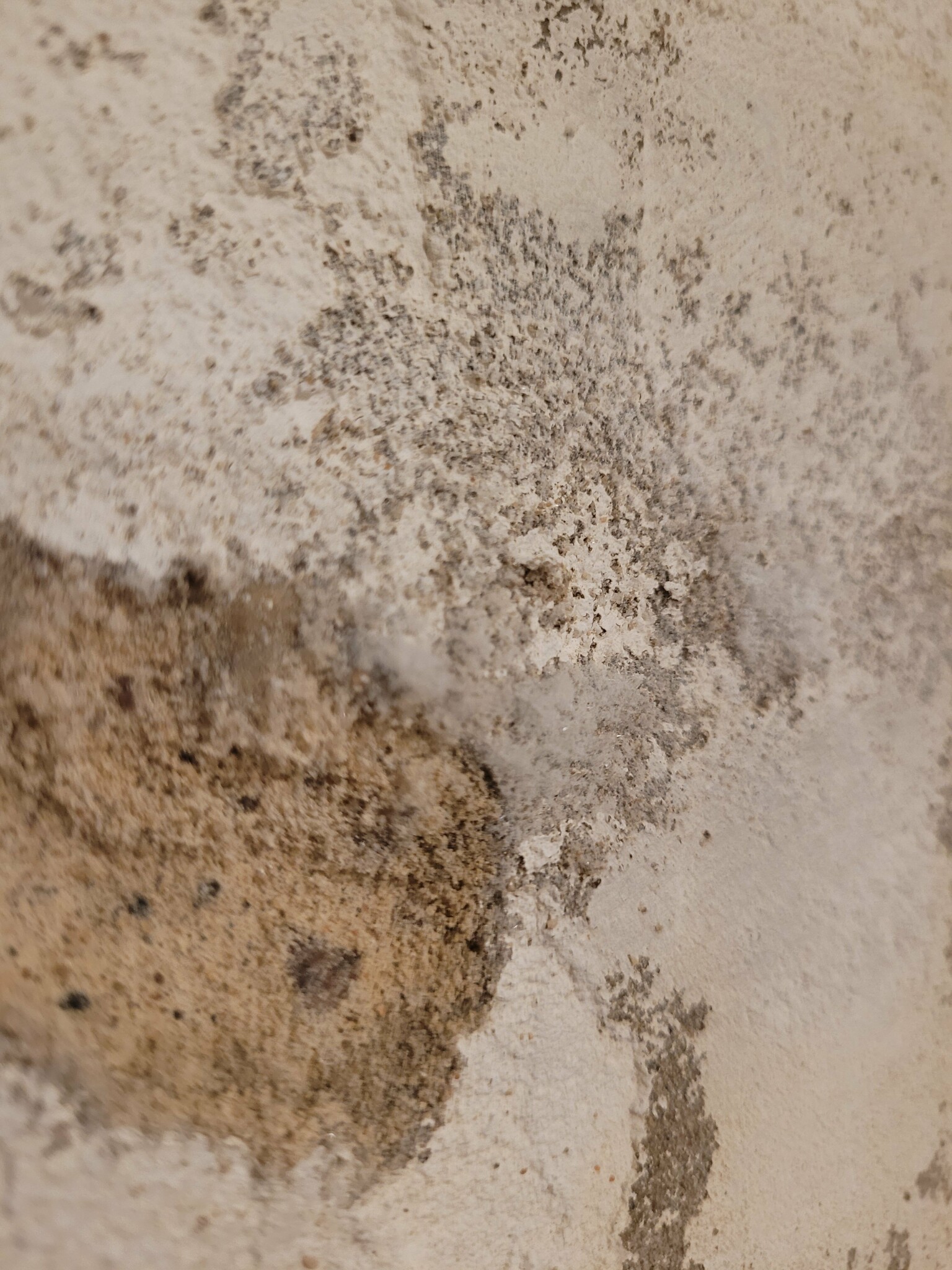
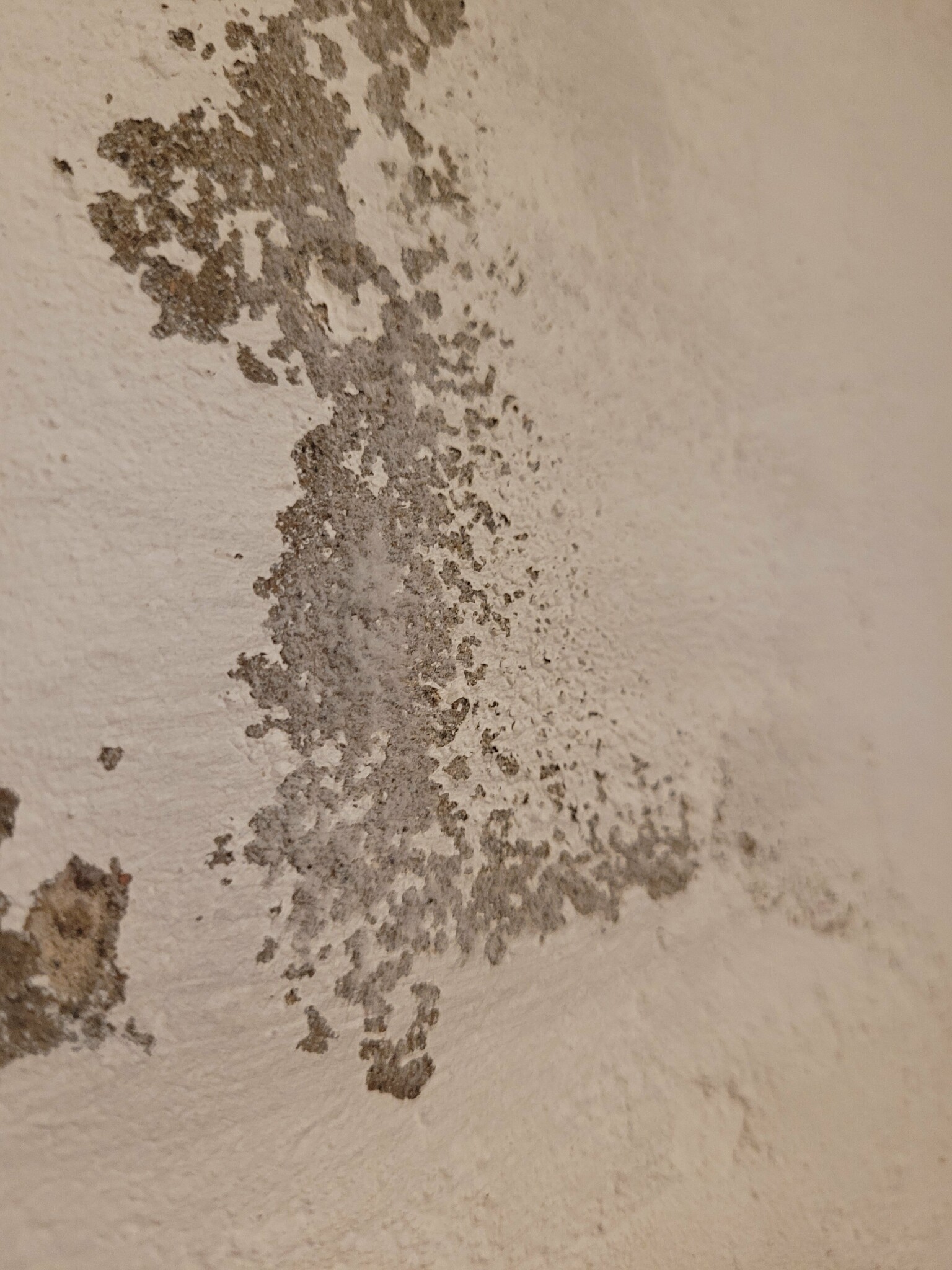
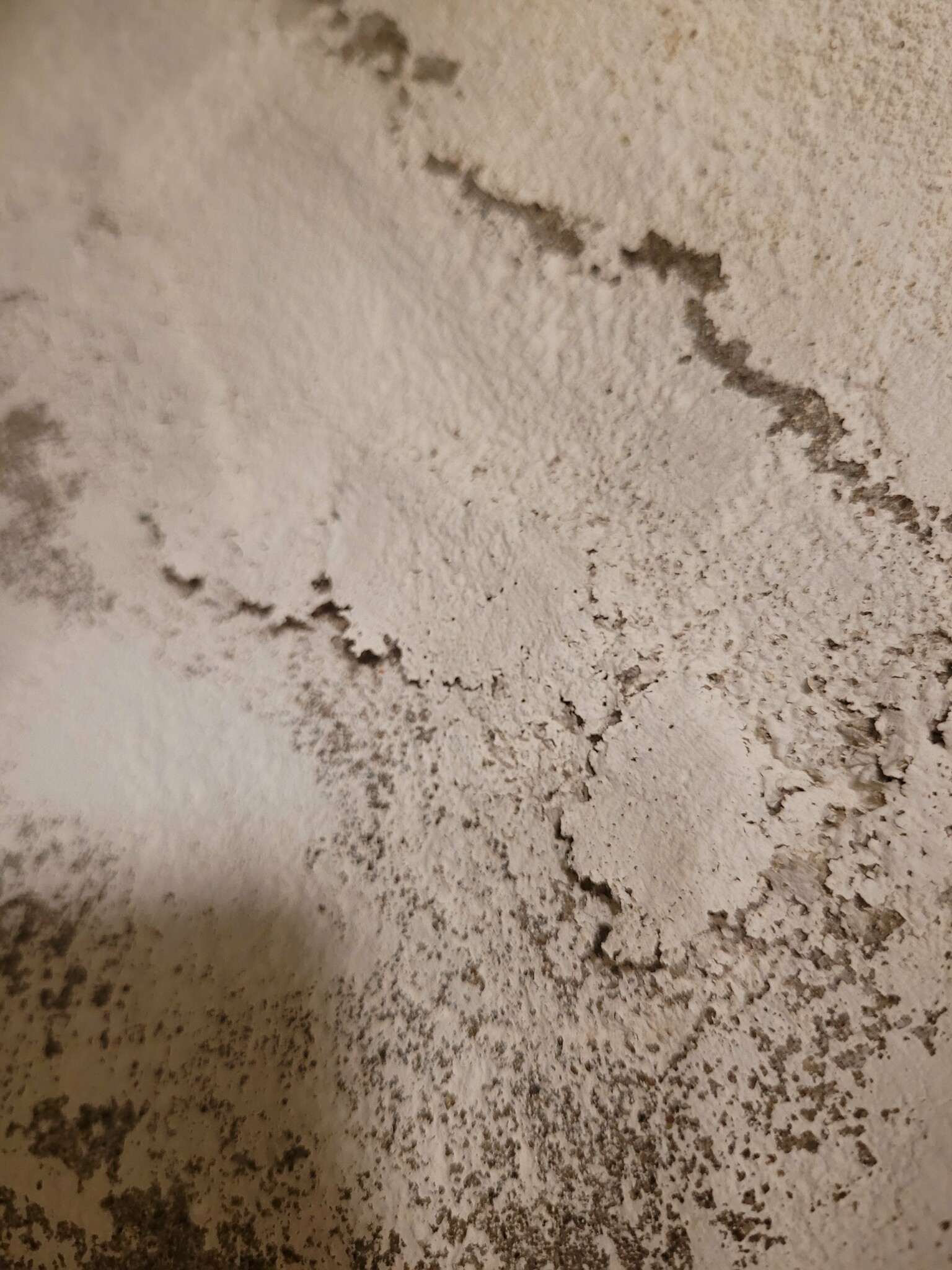
What is there to do then? Just scrape away again and again, while it spreads and comes back time and time again?
Then I guess it wasn't the paint's fault after all, since it reappears even where I've scraped away all the paint?
Then I guess it wasn't the paint's fault after all, since it reappears even where I've scraped away all the paint?
Regarding the color, I can follow up. I called Flugger now and asked about the difference between Archaia kompositionsfärg and silicate paint. She said that both are diffusion-open, so they both allow moisture through equally well, and the salt efflorescence is therefore not due to the paint.
The advantage of kompositionsfärg is that it can also be painted on top of existing silicate paint, if you are painting over old paint and don't know what it is.
The advantage of silicate paint is that it can also be used outdoors.
For indoors in basements, both work just as well, but kompositionsfärg is slightly cheaper.
The advantage of kompositionsfärg is that it can also be painted on top of existing silicate paint, if you are painting over old paint and don't know what it is.
The advantage of silicate paint is that it can also be used outdoors.
For indoors in basements, both work just as well, but kompositionsfärg is slightly cheaper.
Although the big problem with silicate paint that most painters tend to sell is that it is not "genuine" silicate paint like, for example, paint from keim. Whether it's because some mix in acrylic, I don't know, but I think there are a couple of threads about this from before.
Member
· Västernorrland
· 12 049 posts
You have moisture seeping through the walls and it won't stop no matter what you paint with or spray on.
It must be addressed from the outside, and even that might not help if you have moisture penetration in the floors as well. Walls and floors can also absorb ground moisture, and nothing will help against that other than lifting the house and creating a better foundation with capillary-breaking material.
It must be addressed from the outside, and even that might not help if you have moisture penetration in the floors as well. Walls and floors can also absorb ground moisture, and nothing will help against that other than lifting the house and creating a better foundation with capillary-breaking material.
Member
· Västernorrland
· 12 049 posts
a normal silicate paint is nothing other than a modified regular "plastic paint".....J JonasJN said:

Well, now I don't know for sure if that's true, but in many places, you can read that a silicate paint can contain a maximum of 5% acrylate to be called silicate paint.S Stefan1972 said:
The problem if TS has applied acrylic paint is that pure silicate paint or for that matter lime paint does not adhere to it.
Click here to reply