Hello!
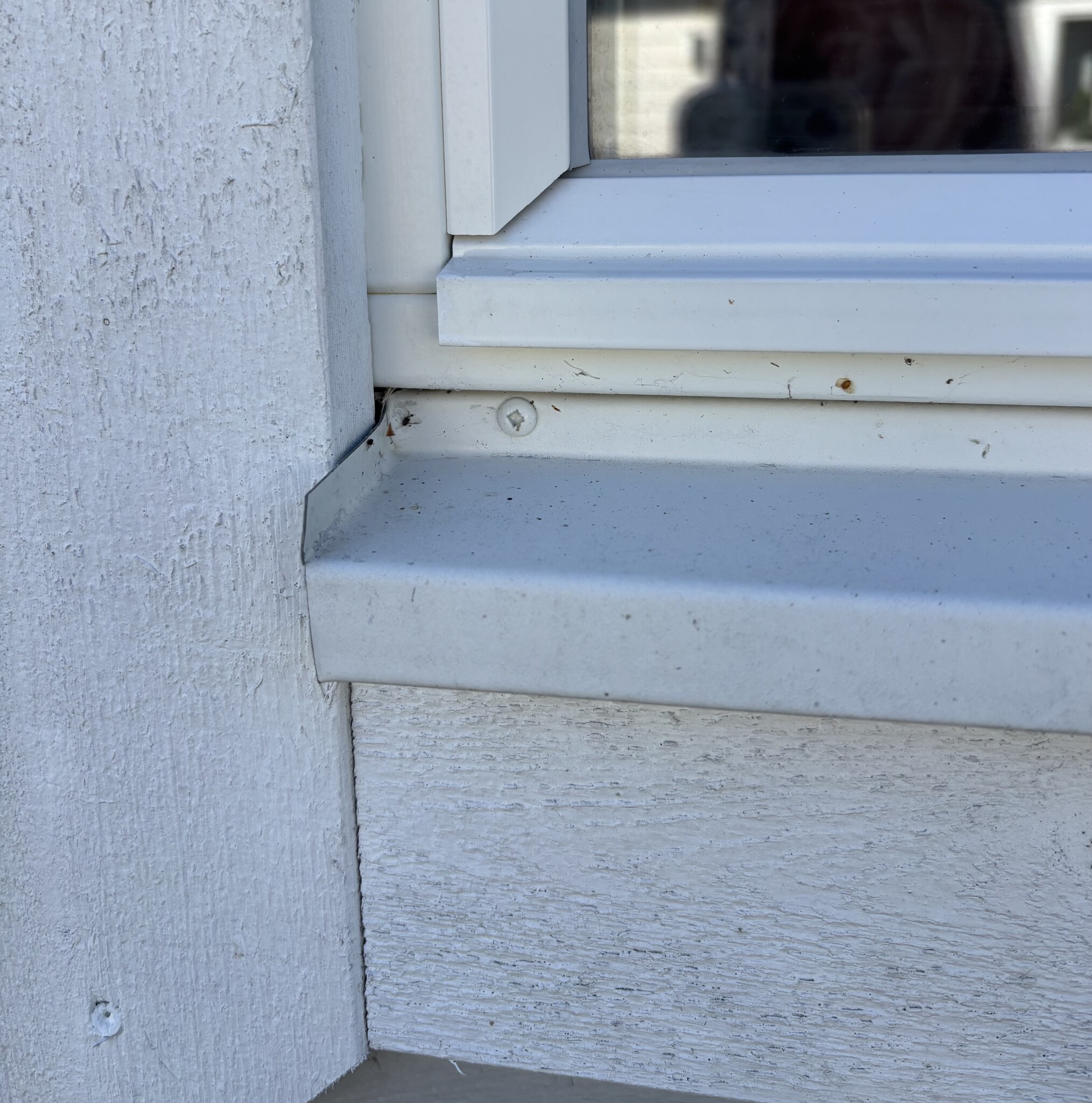
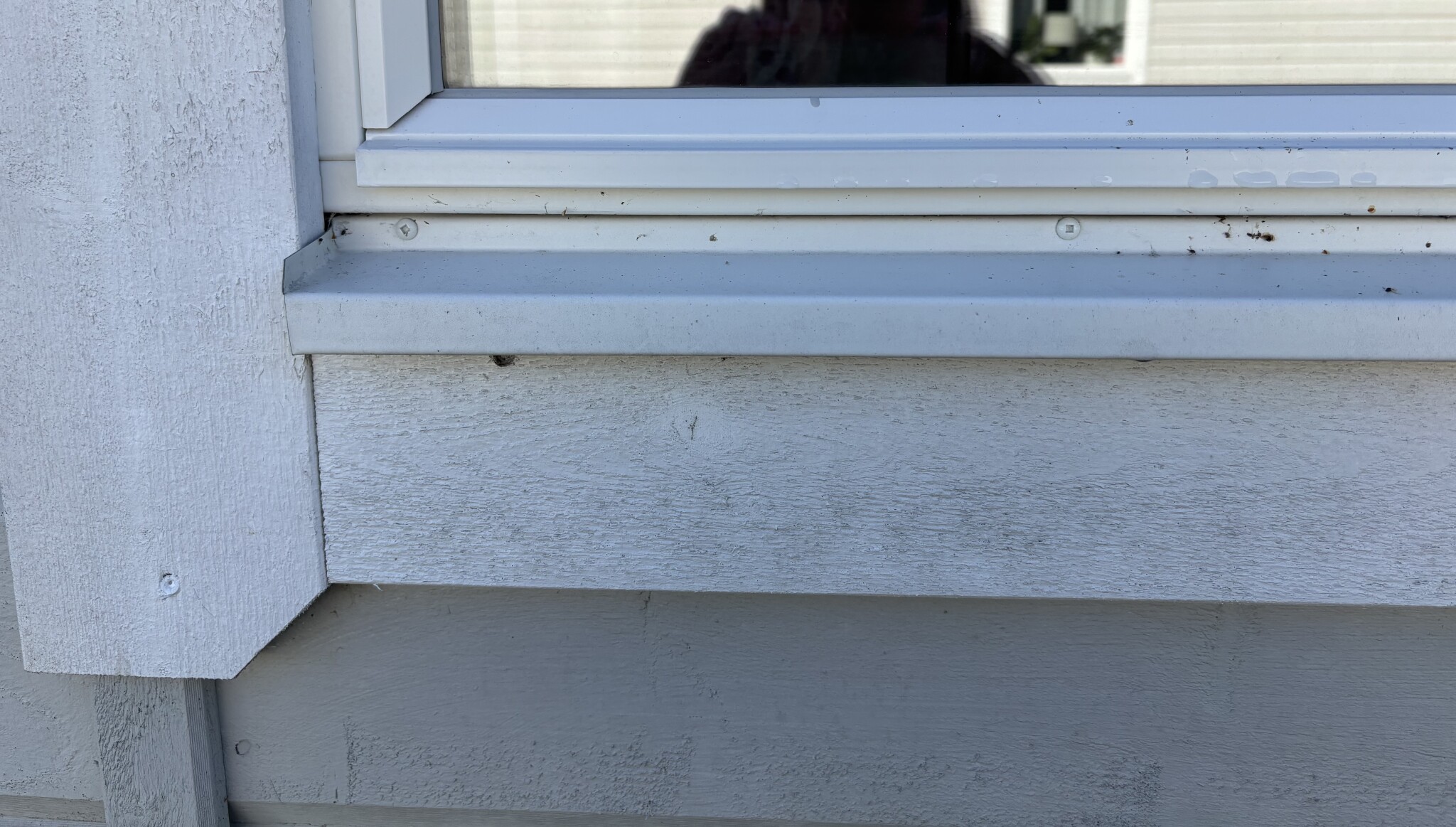
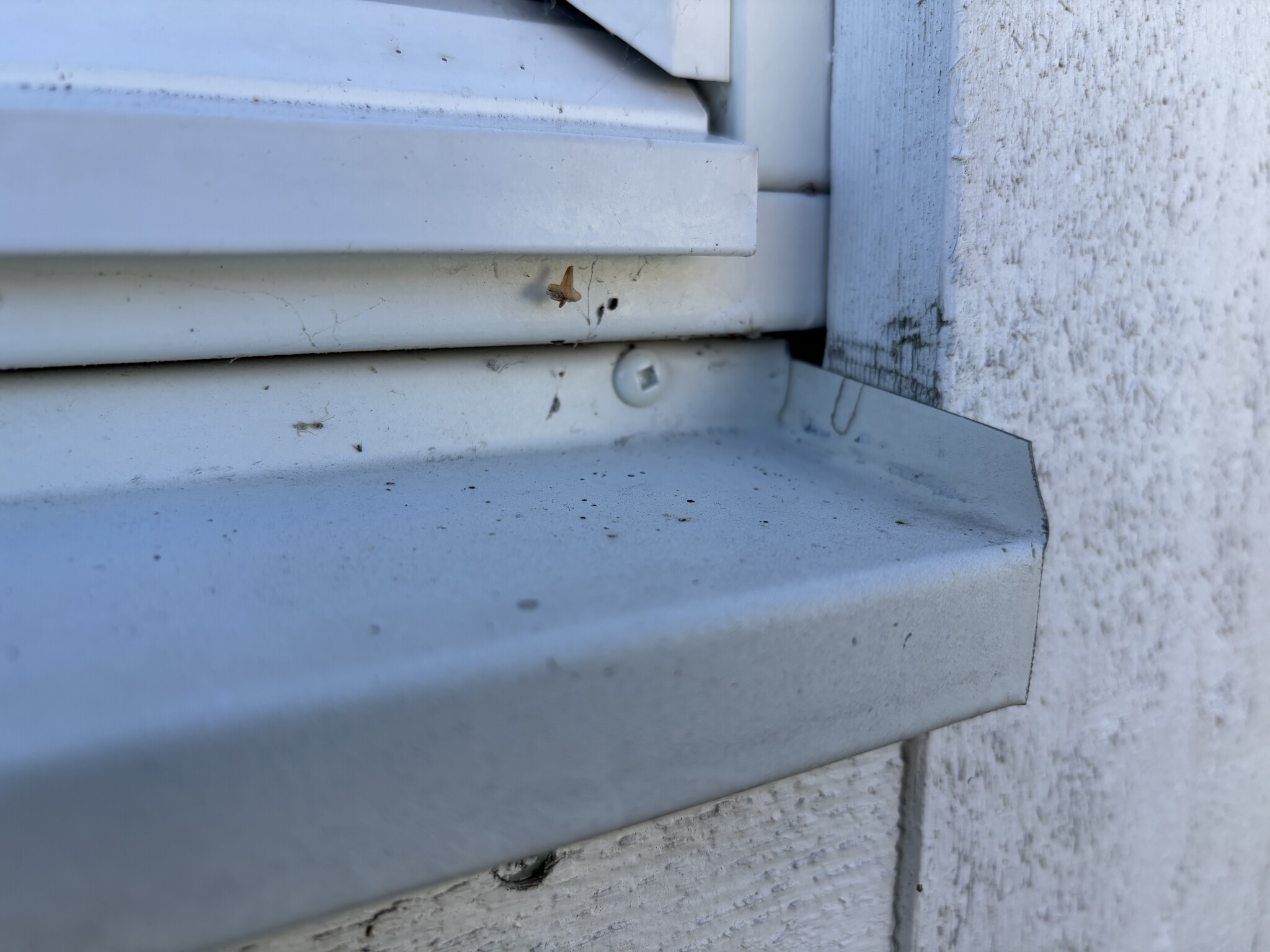
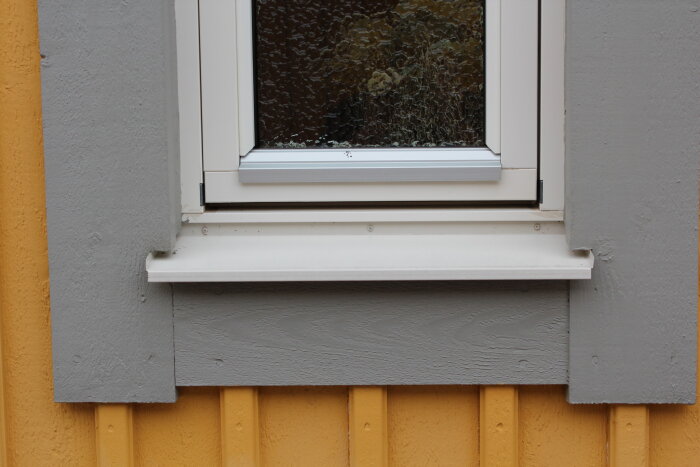
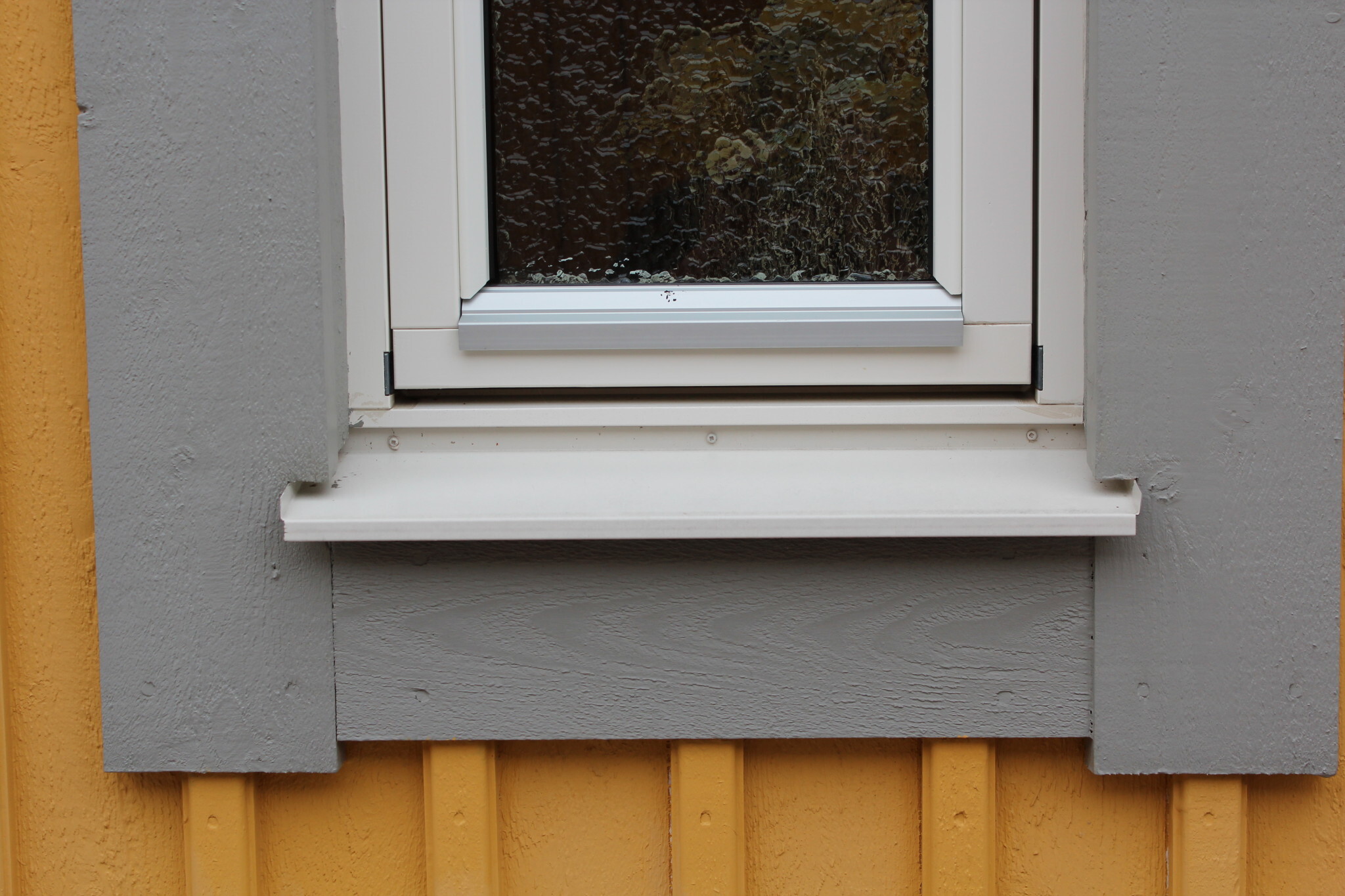
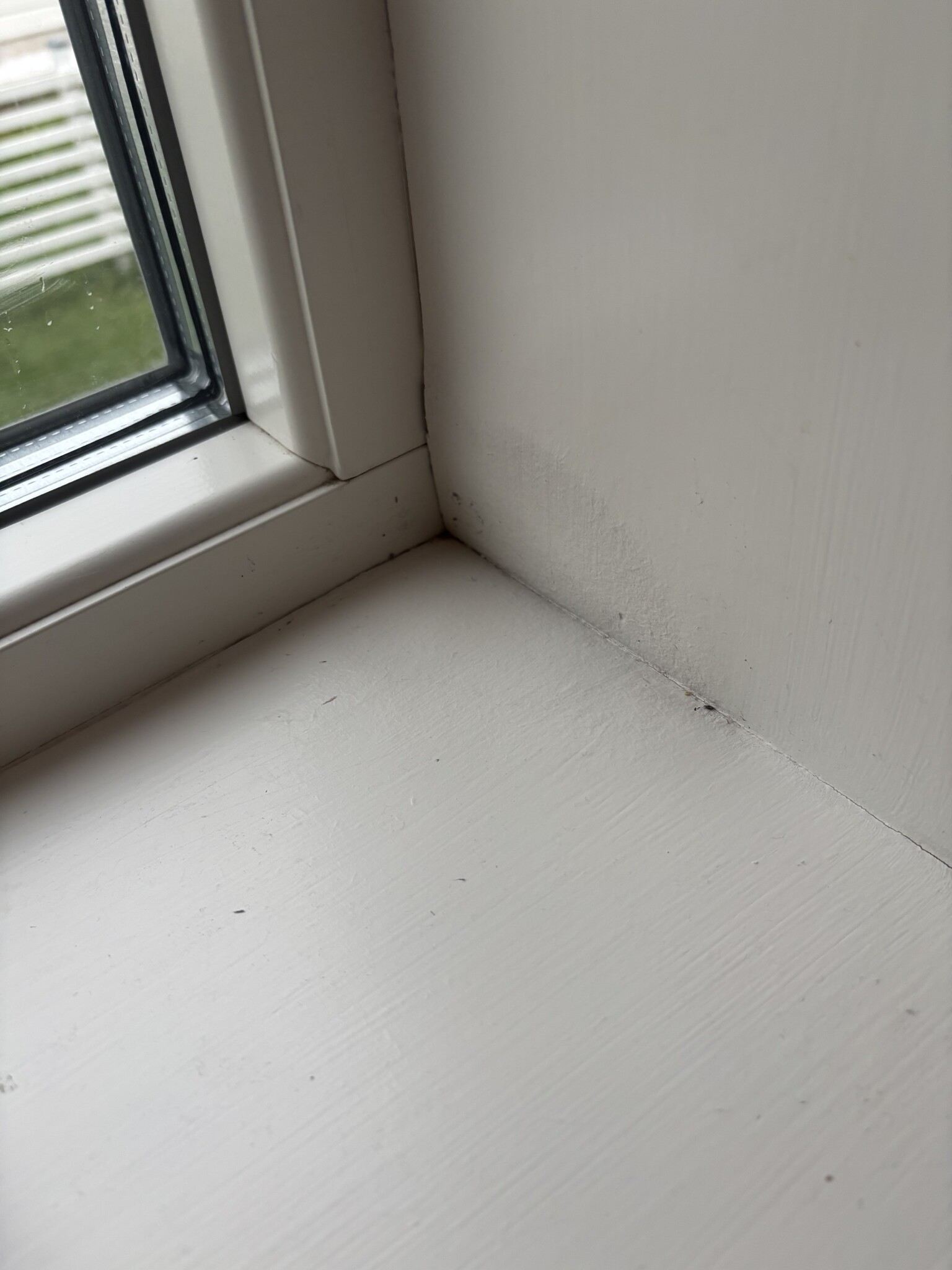
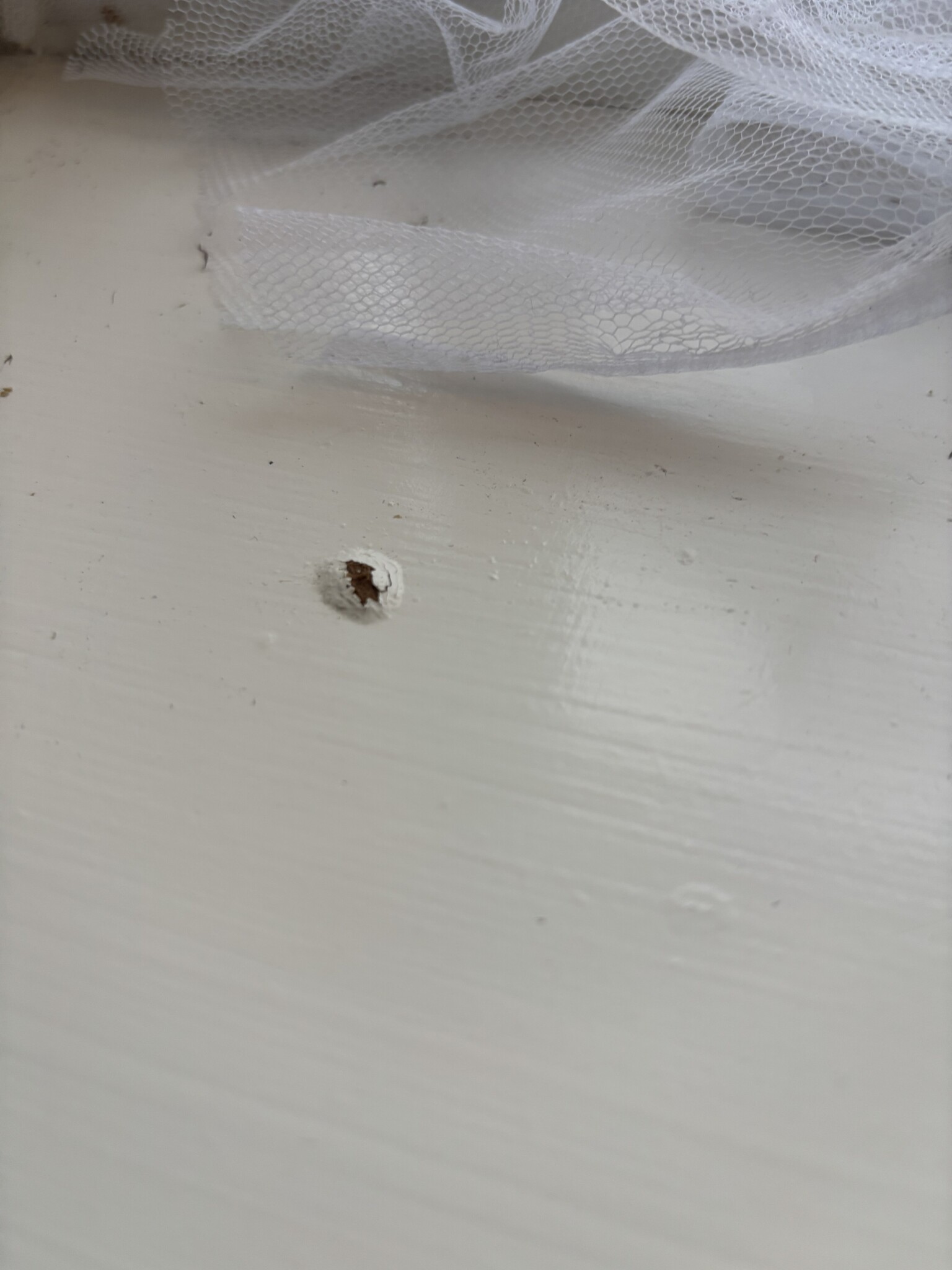
We have lived in our house for three years. Now we have discovered in the window sill what you see in the pictures. What could it be? Moisture? What to do about it? The house was built in 2016.
Grateful for input!
Hi!
We have been living in our house for three years. Now we have discovered what you see in the pictures in the window niche. What could it be? Moisture? What to do about it? The house was built in 2016.
Grateful for input!
[image][image]
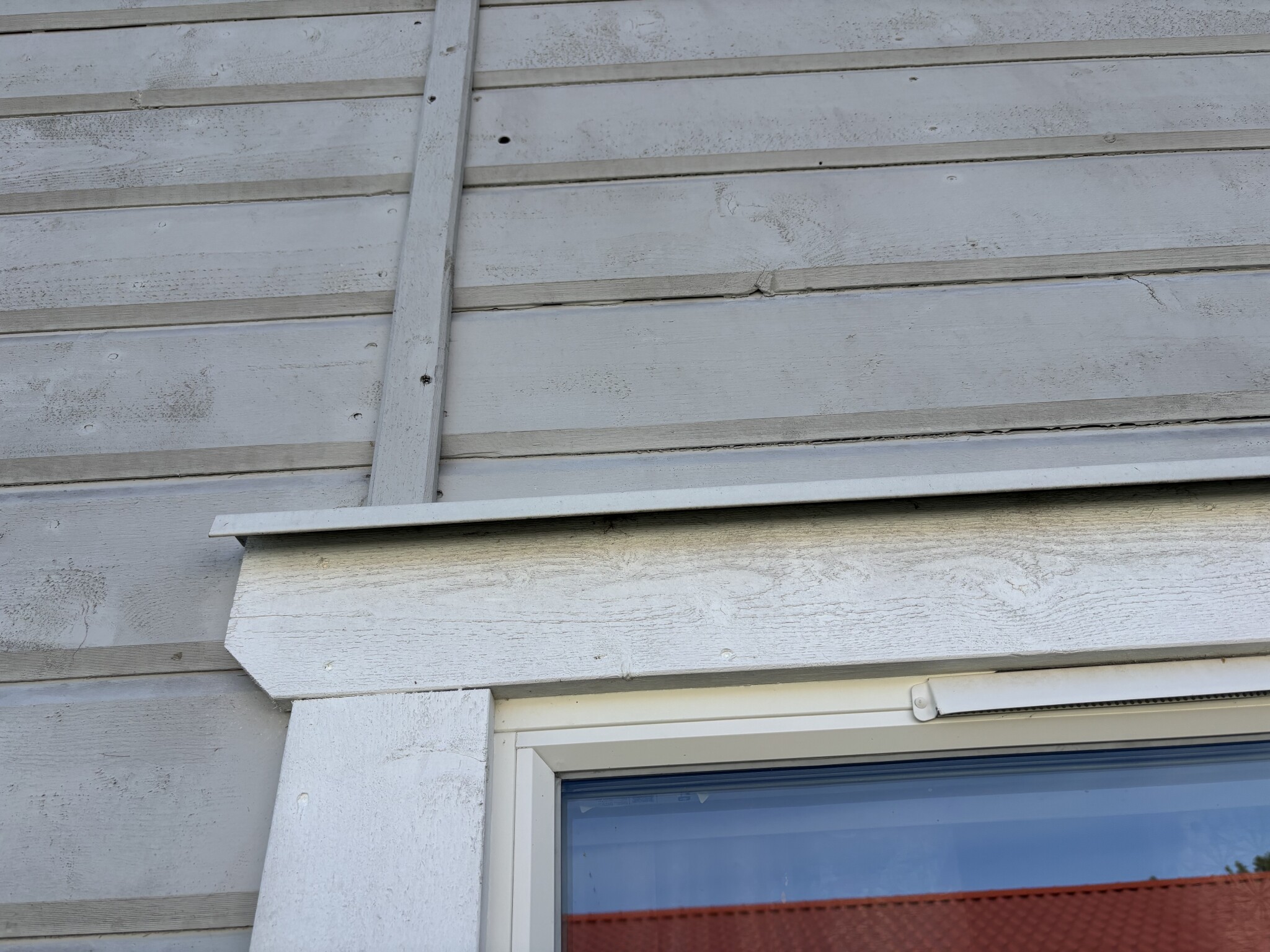
improperly installed flashing under or over. take pictures of the flashing in the corners and above the window
Condensation. It can happen if the window recesses are deep/ the windows are placed far out in the facade.
Thanks for the input! The past two winters, there has been some condensation on the inner pane when it's been cold outside. We're thinking of getting someone to come and check the ventilation. Or what should one do about this?
The underflashings are incorrectly installed. I would have removed the claddings on the outside and checked if there is any tape between the frame and the weather protection. There are special tapes for this purpose.
The under flashing is incorrectly installed.
I would remove the moldings on the outside and check if there is any tape between the frame and the wind protection. There are special tapes for this purpose.
[image][image][image][image] Thanks for the response!
Here come pictures.
Hi, Many say that the underflash is mounted incorrectly. Partly true. According to AMA, it should sit along the entire window. However, probably 90% of Sweden's underflashes are mounted this way. It's hard to see from the upper flash's attachment how it is positioned, but the error is likely above the window.
The window is positioned too far out, the panel thickness + the air gap thickness totals approximately 44 mm. A window should never be positioned outside the insulation, as it increases the risk of condensation, especially if you have underfloor heating.
The window is installed too far out, the panel thickness + the thickness of the battens, so a total of about 44 mm.
A window should never be installed outside the insulation, as it increases the risk of condensation, especially if you have underfloor heating.
So it's incorrectly installed then... What can be done about this? Do all the windows need to be re-installed?
This is how the underflashing should be mounted, to prevent rainwater or snow from seeping into the façade or inside of the house. Unfortunately, all the flashings you have are too short in width. Whether the moisture damage you have inside is due to incorrectly mounted flashings can only be determined after things are disassembled. It may also be due to insulating with glass wool without sealing with a moisture barrier/sealant/tape between the window frame and the wall (this should be done from the inside). Below the window flashing and slightly up the sides, it should also be sealed with a waterproof material.



Karl-Ove Qvarfordt said: