
1,590 views ·
9 replies
2k views
9 replies
What is the material of the board?
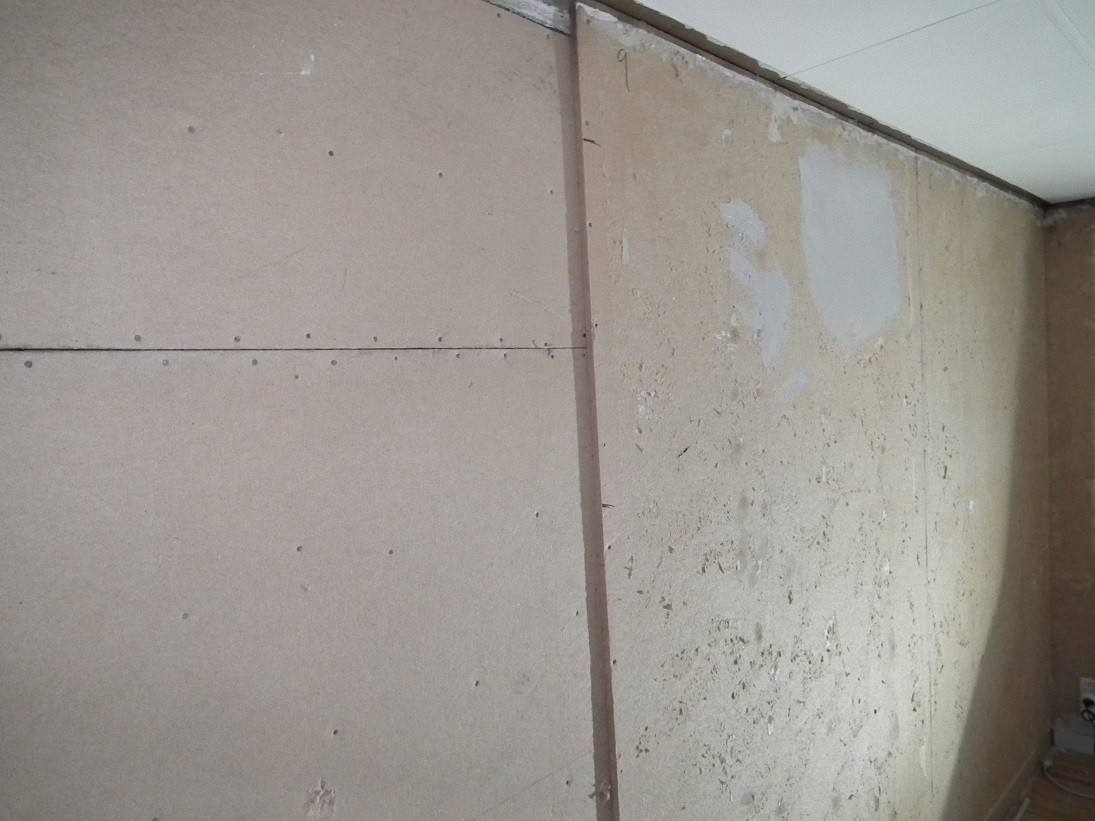


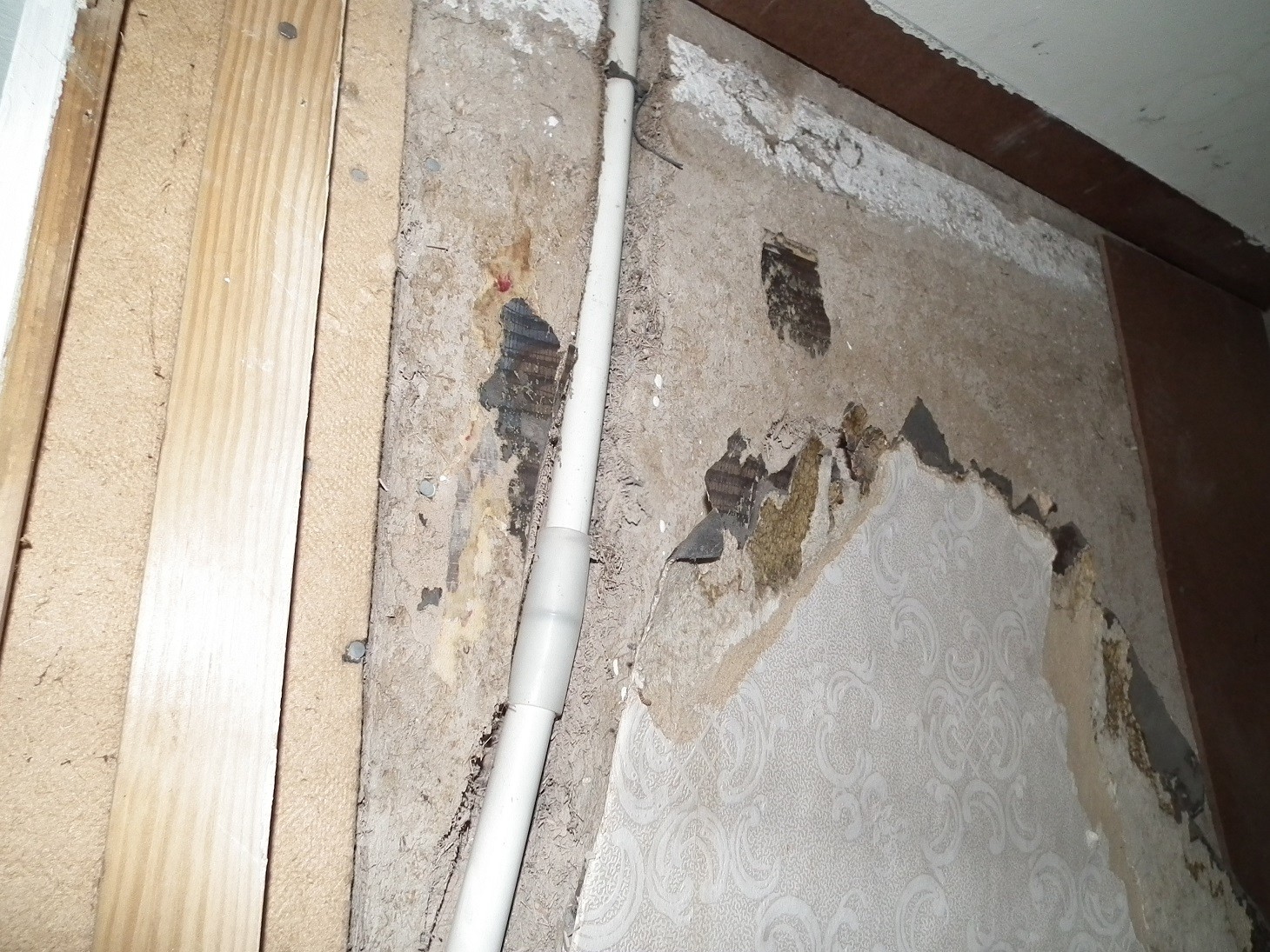
One idea could be to tear away all the material to the timber, frame up with 45x45 including insulation, and put OSB+gypsum on the outside of this.Uttis said:
With this solution, you get:
Convenient installation space for electrical/plumbing
Easier comfort insulation
Possibility to straighten potentially crooked walls
Good foundation for upcoming surface layers
Yes, that thought has existed, although it gets a bit awkward around windows and doors, but it's probably just about an extra 25mm. I have more or less decided to throw out the tretex and install plasterboard; is it because you want OSB behind to have something to screw into?
You can easily finish windows and doors with length-cut raw wood or MDF. It rarely looks odd when it's done.
Nowadays, it's generally recommended to use double boards, and since the cost for OSB is similar to drywall, and you also get the advantage of having something to screw into, the choice seems obvious to me to put up OSB behind the drywall. In the best of worlds, you would put real plywood everywhere, but then there's a noticeably increased cost. I leave plywood+drywall for wet rooms and kitchens, and set OSB+drywall in the rest, a workable compromise.
Nowadays, it's generally recommended to use double boards, and since the cost for OSB is similar to drywall, and you also get the advantage of having something to screw into, the choice seems obvious to me to put up OSB behind the drywall. In the best of worlds, you would put real plywood everywhere, but then there's a noticeably increased cost. I leave plywood+drywall for wet rooms and kitchens, and set OSB+drywall in the rest, a workable compromise.
Click here to reply