
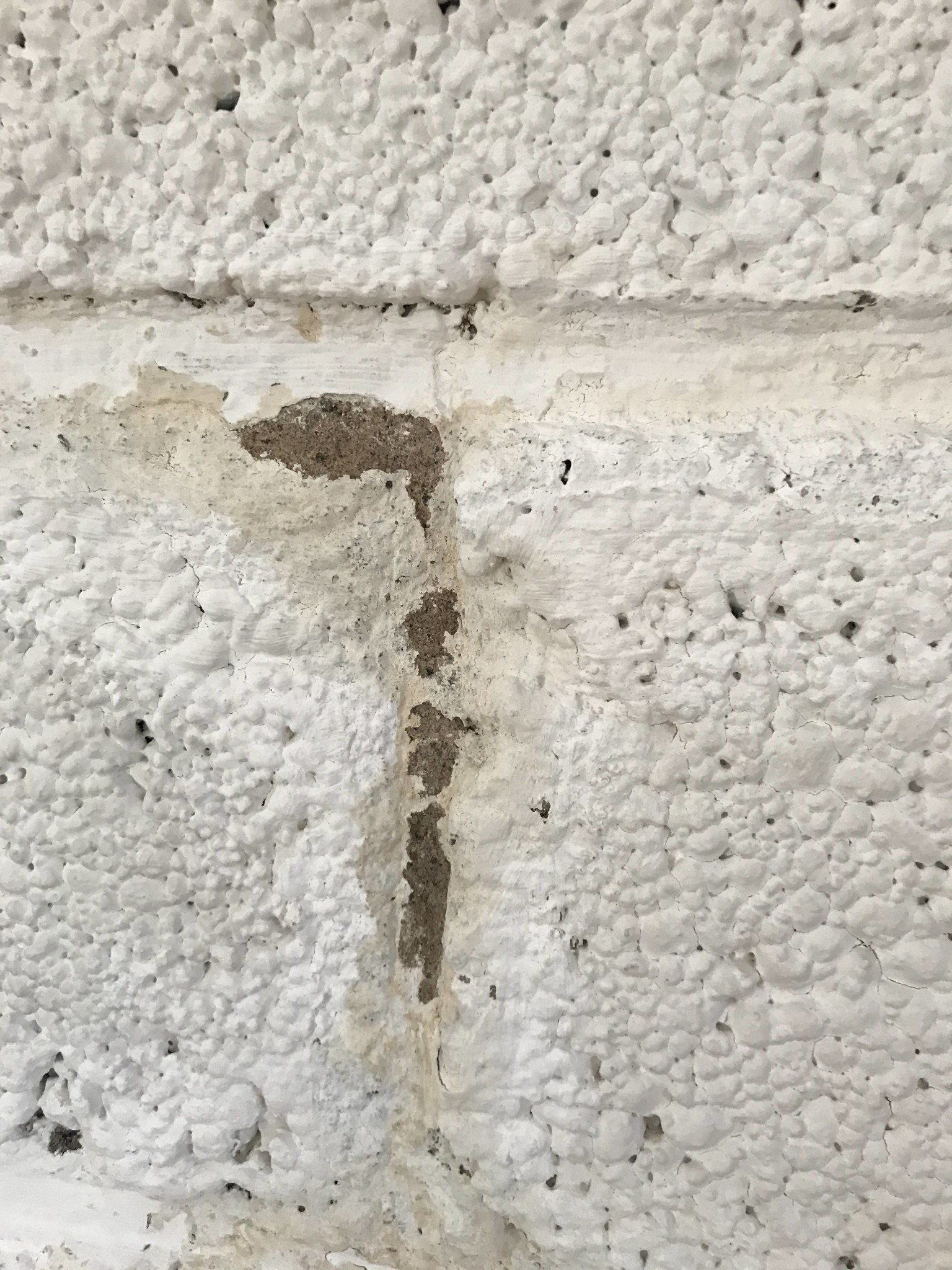
Newly purchased house for 7 months
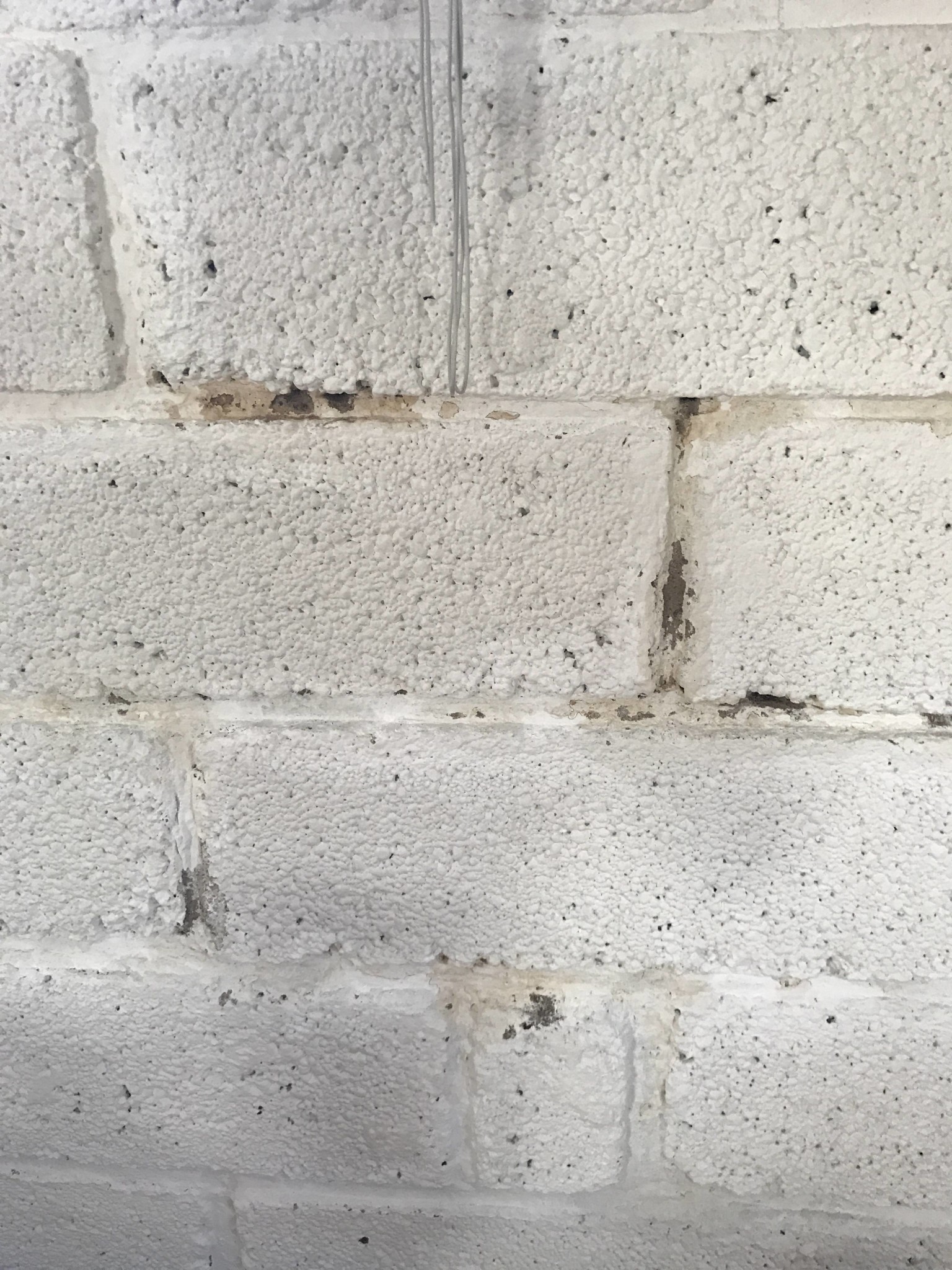
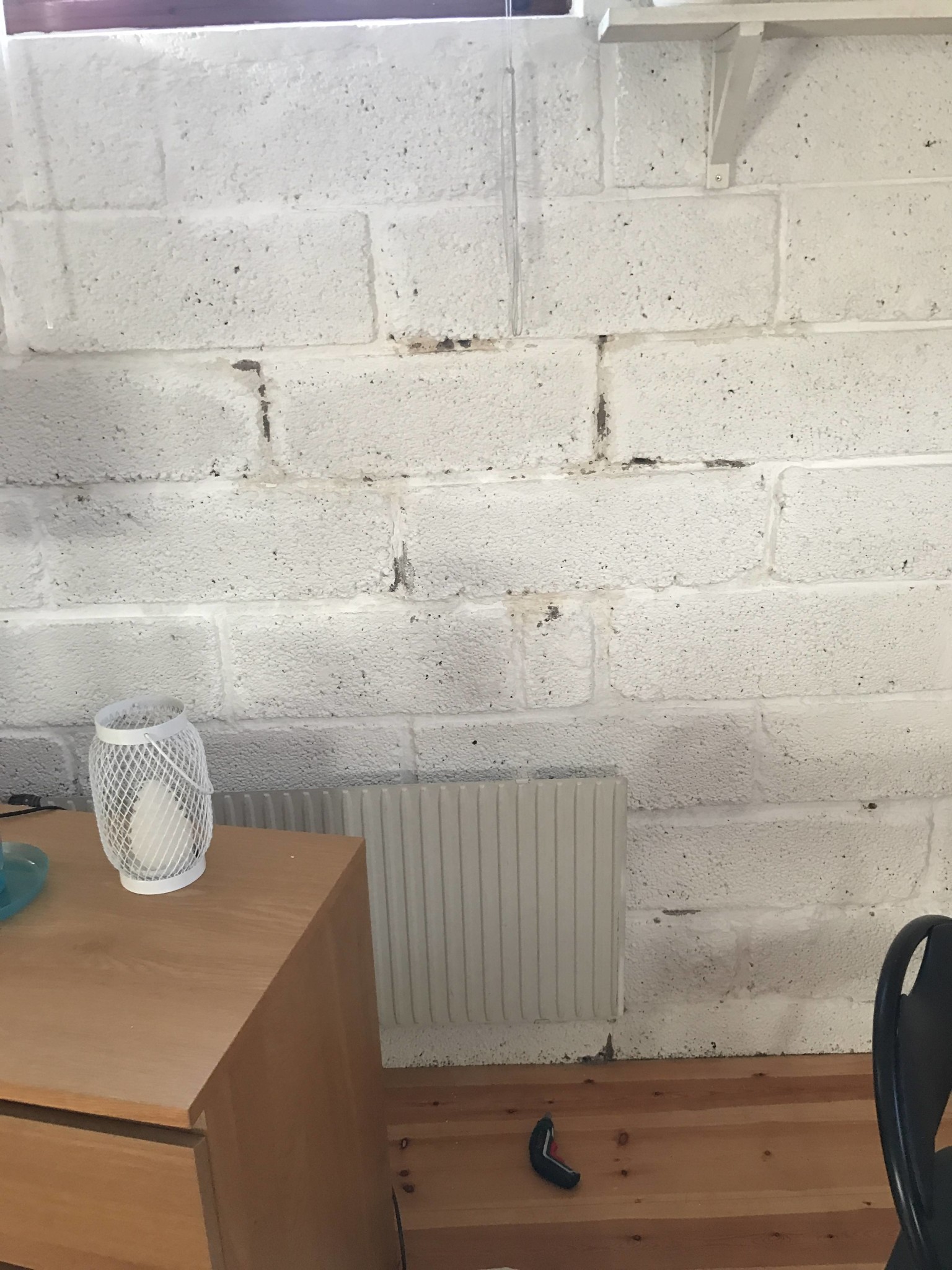
Single-story with basement. Now, a few weeks ago, we noticed changes in the white-painted leca wall in the basement family room.
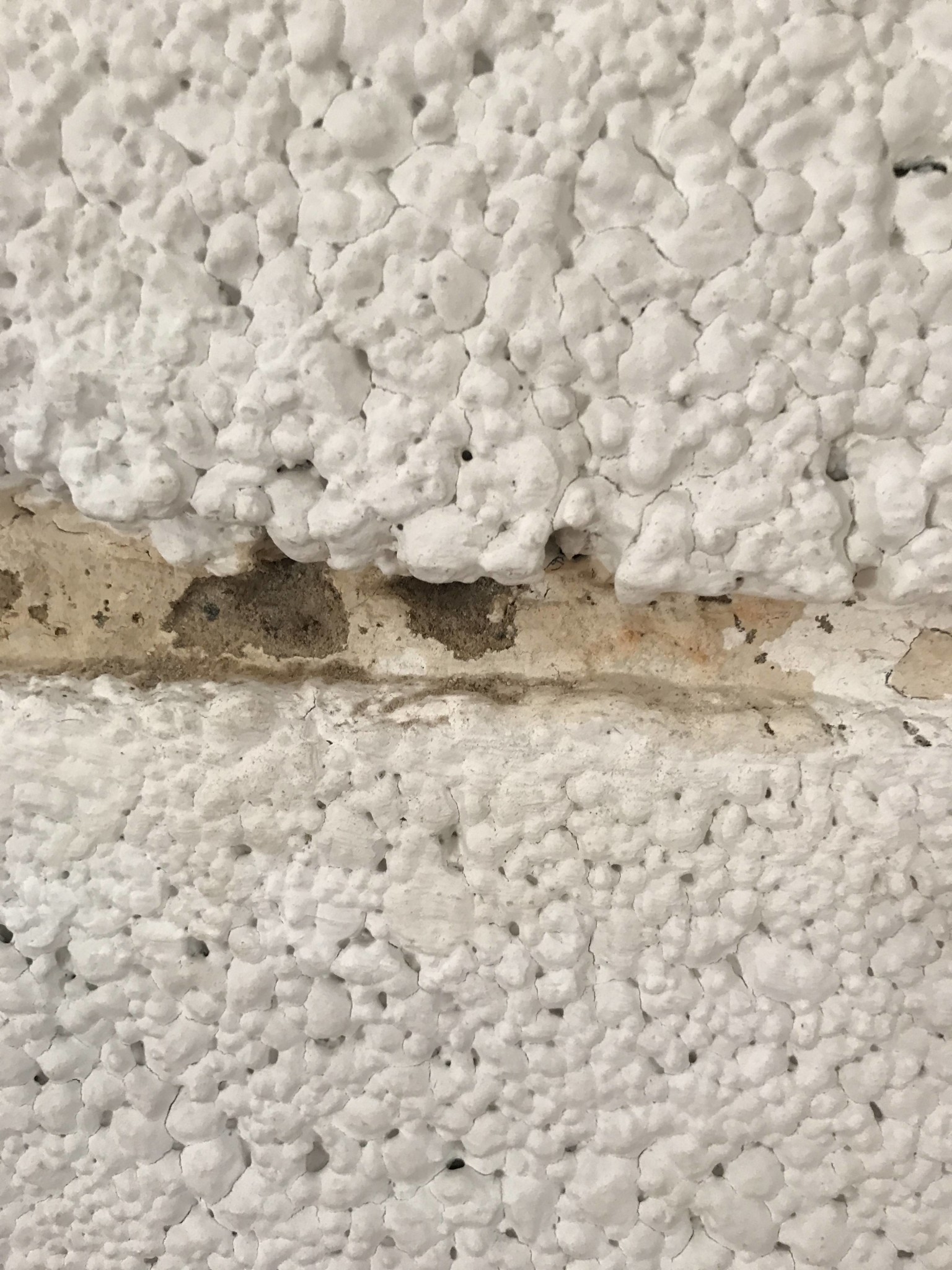
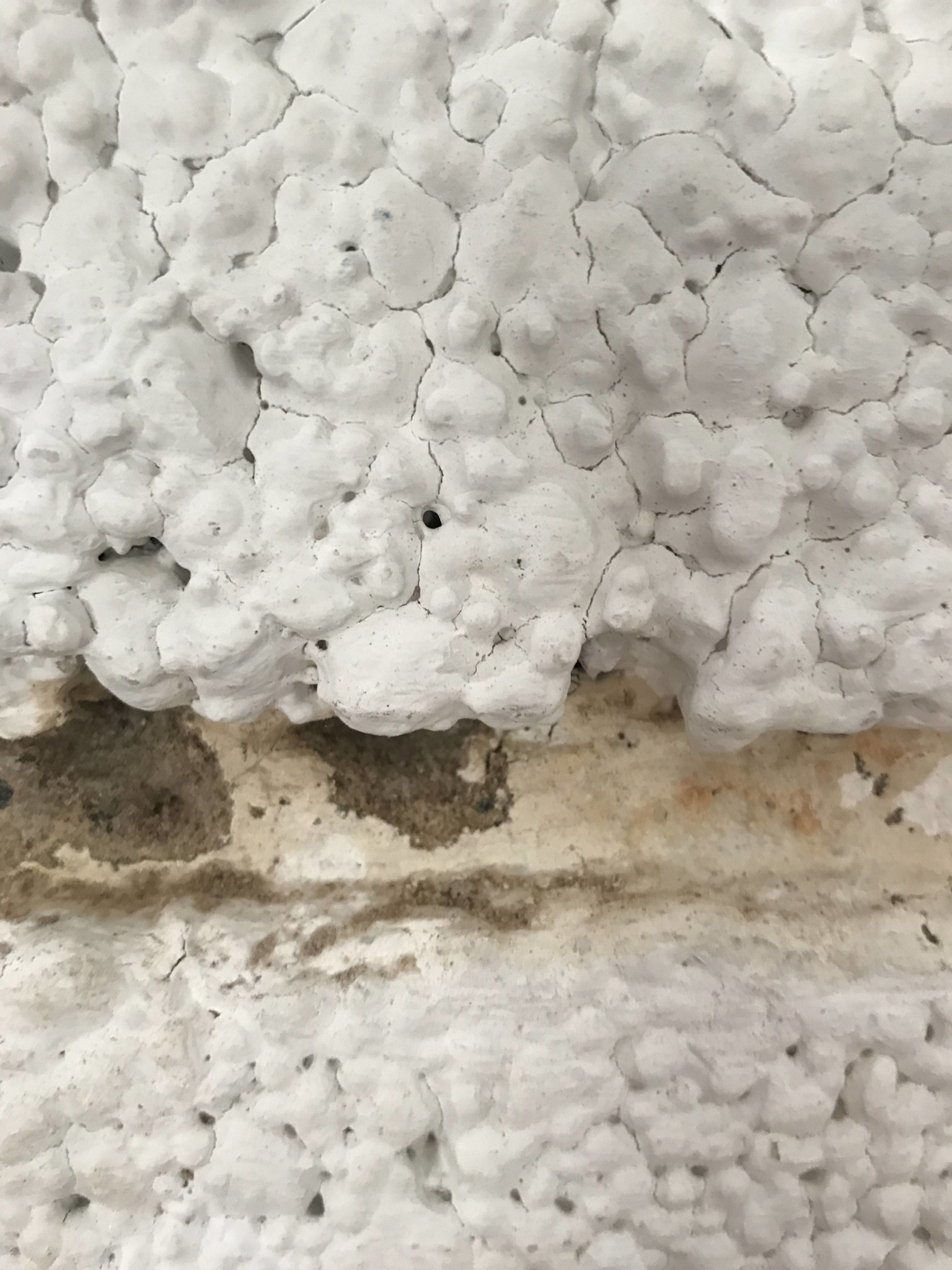
It has yellowed and it seems like moisture has seeped through. The house is drained on the long sides but not on this side where this issue has arisen.
What is it? Mold?
Additionally, you can see that the leca blocks are starting to release Leca? A bit in various places.
The question is, what do I do about it?
I should add that when you put your nose close, it smells very earthy. The plan is, of course, to drain the side to solve the underlying problem of external moisture. But what do you do about the inside?

I would guess that it is moisture from the outside seeping through the wall. Probably painted with a dense paint that causes the paint to peel when the moisture pushes through.
Address the issue on the outside.
Remove the paint on the inside and then repaint with a paint that allows moisture to pass through.
Address the issue on the outside.
Remove the paint on the inside and then repaint with a paint that allows moisture to pass through.


Click here to reply