

My husband and I need to start furnishing our attic, which is now insulated with polyurethane (FoamKing). What we can't agree on is whether or not we need a vapor barrier. I have read in several places that PU foam is vapor-tight, but he says we should be safe rather than sorry. IF we were to use plastic, would you place the plastic directly against the insulation before putting up the framing? It feels like we can never really get started before this is resolved. I would love to hear from more experienced people on the matter!
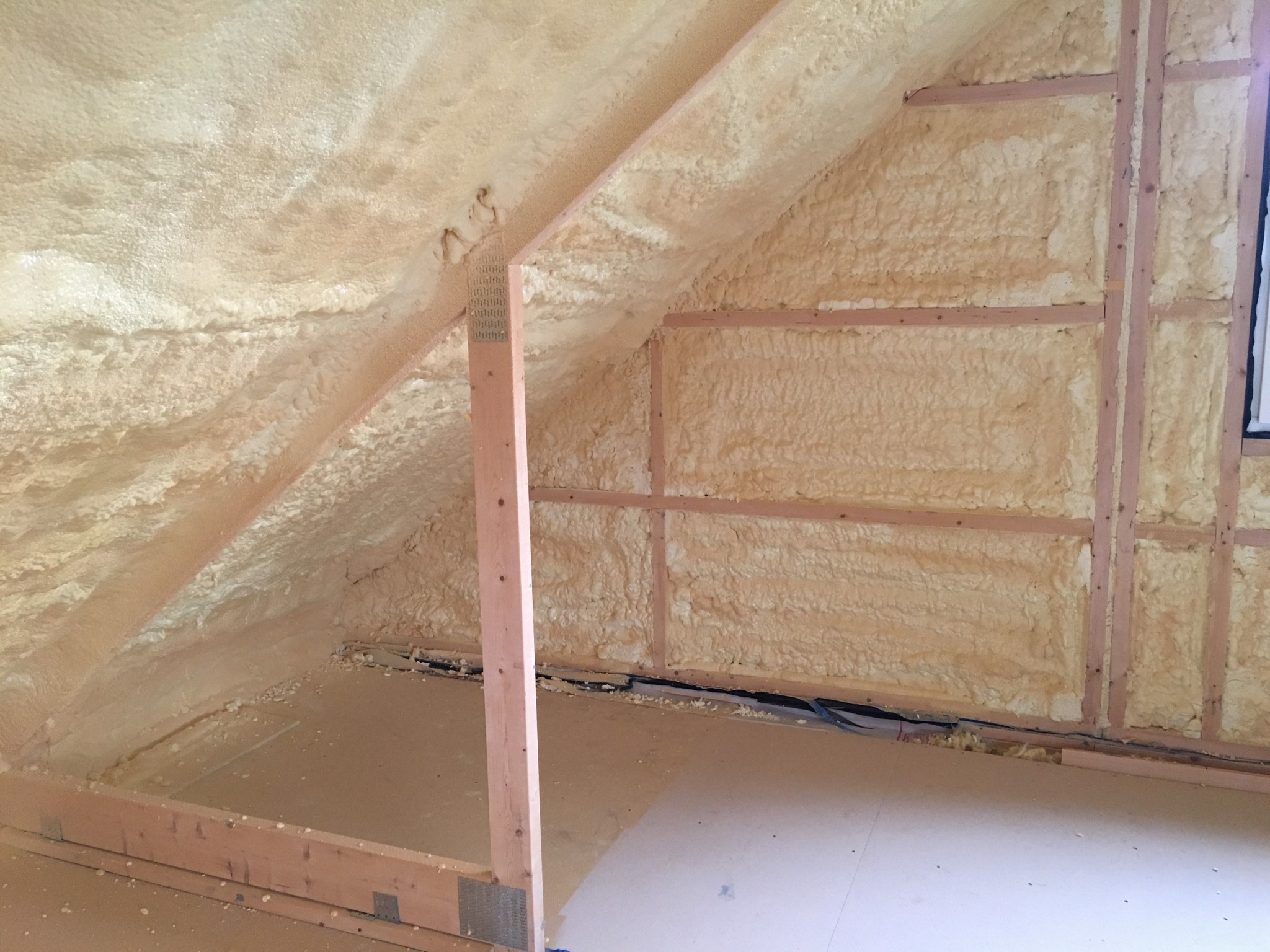
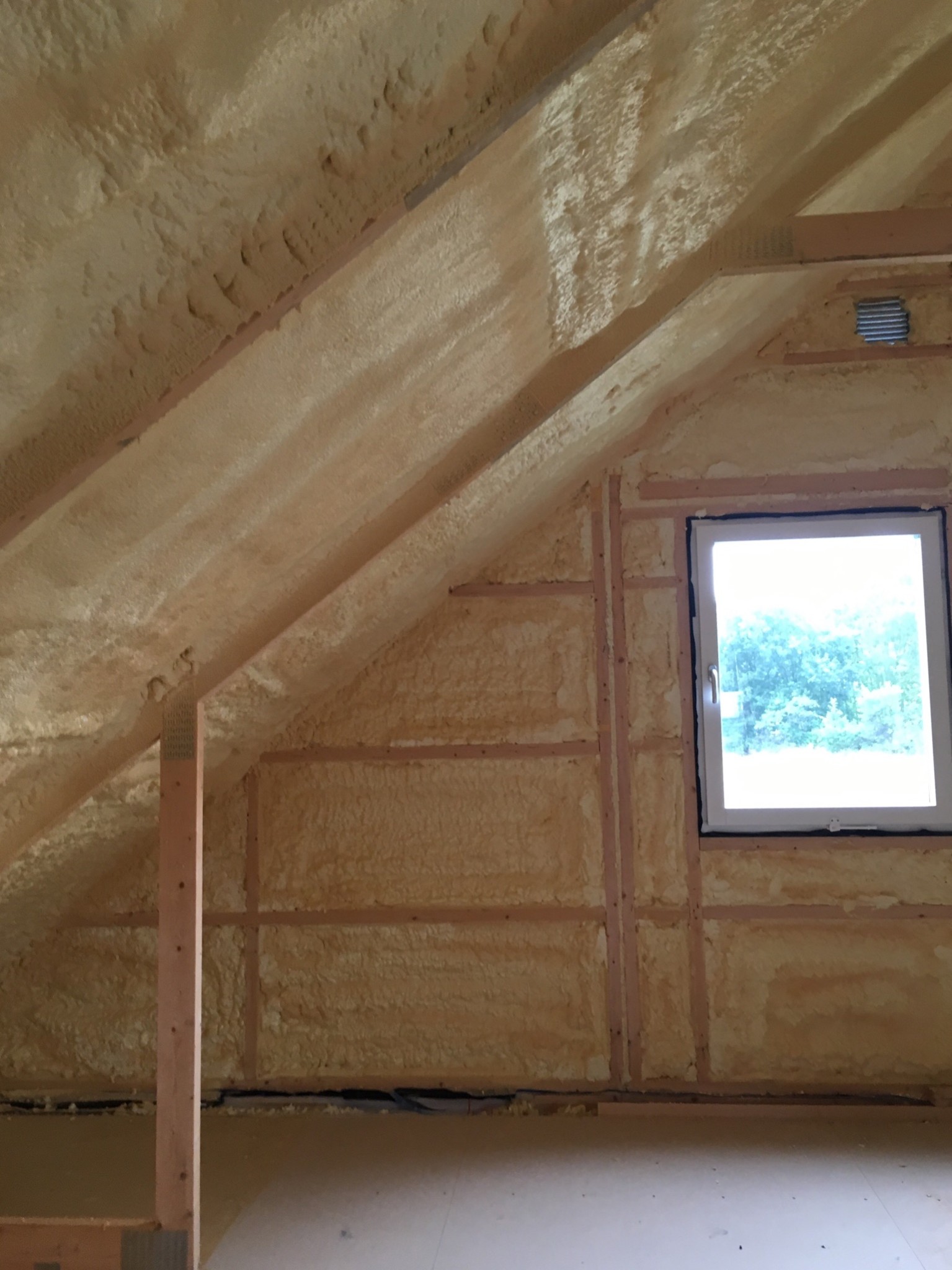
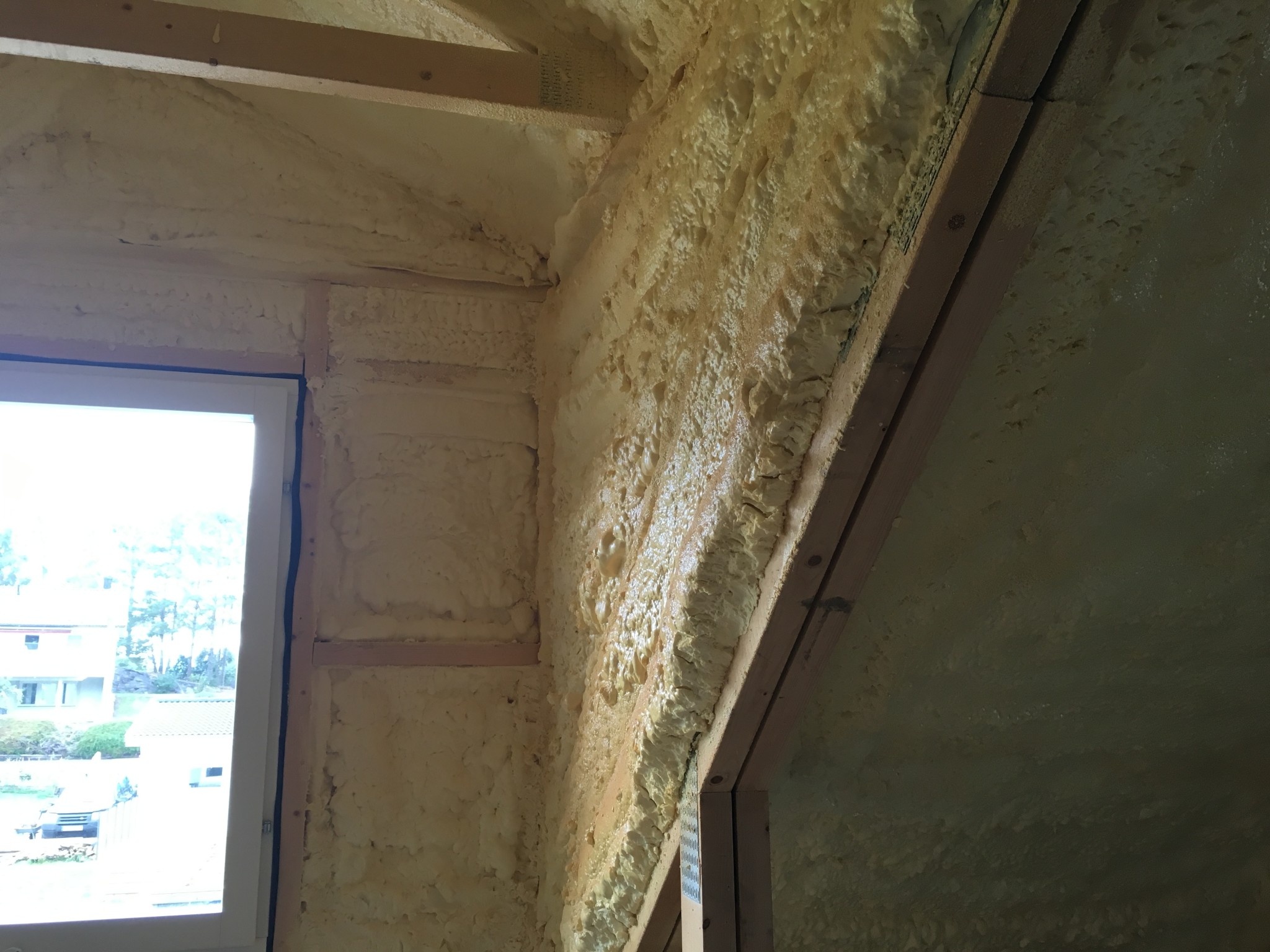

Polyurethane insulation is both air and vapor tight, so you should not use an additional vapor barrier.
Member
· Västra Götaland
· 1 849 posts
Member
· Västra Götaland
· 1 849 posts
This is what Foamking says about themselves on their website:
Polyurethane spray insulation is often categorized as "either open-cell" or "closed." There are several major differences between the two types, leading to pros and cons for both, depending on the requirements for the final result. Polyurethane spray insulation is an extremely versatile material available with a variety of physical properties and densities, making it necessary for the end-user to understand these differences to choose the systems that are best suited for the desired final result.
Polyurethane spray insulation is often categorized as "either open-cell" or "closed." There are several major differences between the two types, leading to pros and cons for both, depending on the requirements for the final result. Polyurethane spray insulation is an extremely versatile material available with a variety of physical properties and densities, making it necessary for the end-user to understand these differences to choose the systems that are best suited for the desired final result.
Member
· Västra Götaland
· 1 849 posts
The primary purpose of a vapor barrier is to prevent the indoor air's water vapor from condensing in the insulation and thereby reducing its insulating ability. This is especially true when using different types of mineral wool insulation. In solid wood constructions, vapor barriers are never used.
I only have experience with the vapor-tight one. If polyurethane has been used as the sole insulating material, a vapor barrier should not be used, regardless of whether it is vapor-tight or not, as its insulation value is not affected by the presence of any condensed water vapor.
I only have experience with the vapor-tight one. If polyurethane has been used as the sole insulating material, a vapor barrier should not be used, regardless of whether it is vapor-tight or not, as its insulation value is not affected by the presence of any condensed water vapor.
Member
· Västra Götaland
· 1 849 posts
The need for and consequences of plastic sealing depend on the overall roof construction. If you have a diffusion-open membrane as the waterproofing layer on the outer roof, you can apply plastic as much as you like. If the roof contains other insulation materials while the waterproofing layer consists of regular underlayment felt (diffusion-tight) and there is an air gap under the sheathing, it may also be appropriate to use plastic. In other cases, you should refrain from plastic sealing.
Yes, it wasn't cheap, but it rarely is when you don't do things yourself. I will try to get started doing a lot myself otherwise and save there instead.A Autodidak1 said:
A Autodidak1 said:
@Snickarnovisen, I am also curious about the price for this. How large an area did you insulate?
Click here to reply