
1,512 views ·
14 replies
2k views
14 replies
The blocks in the wall are becoming porous
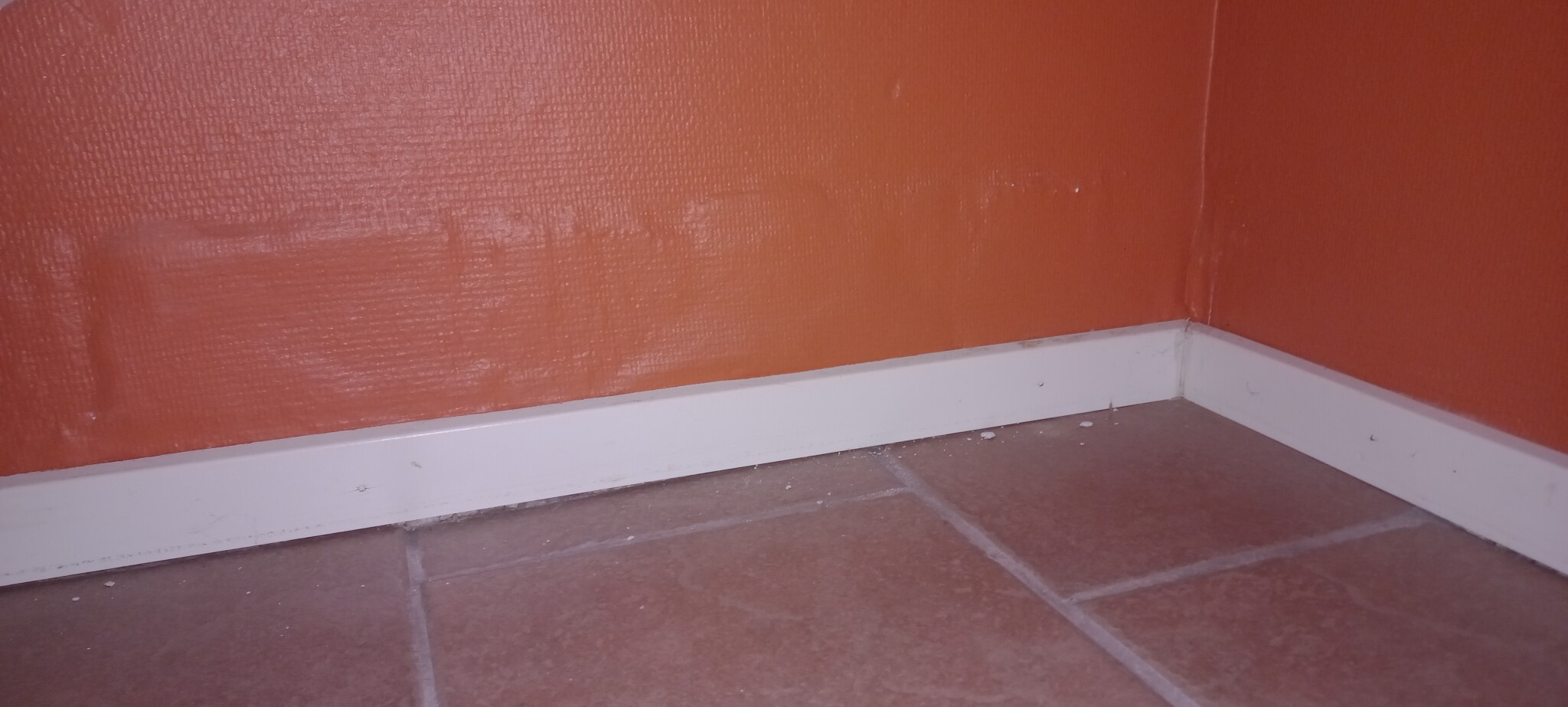


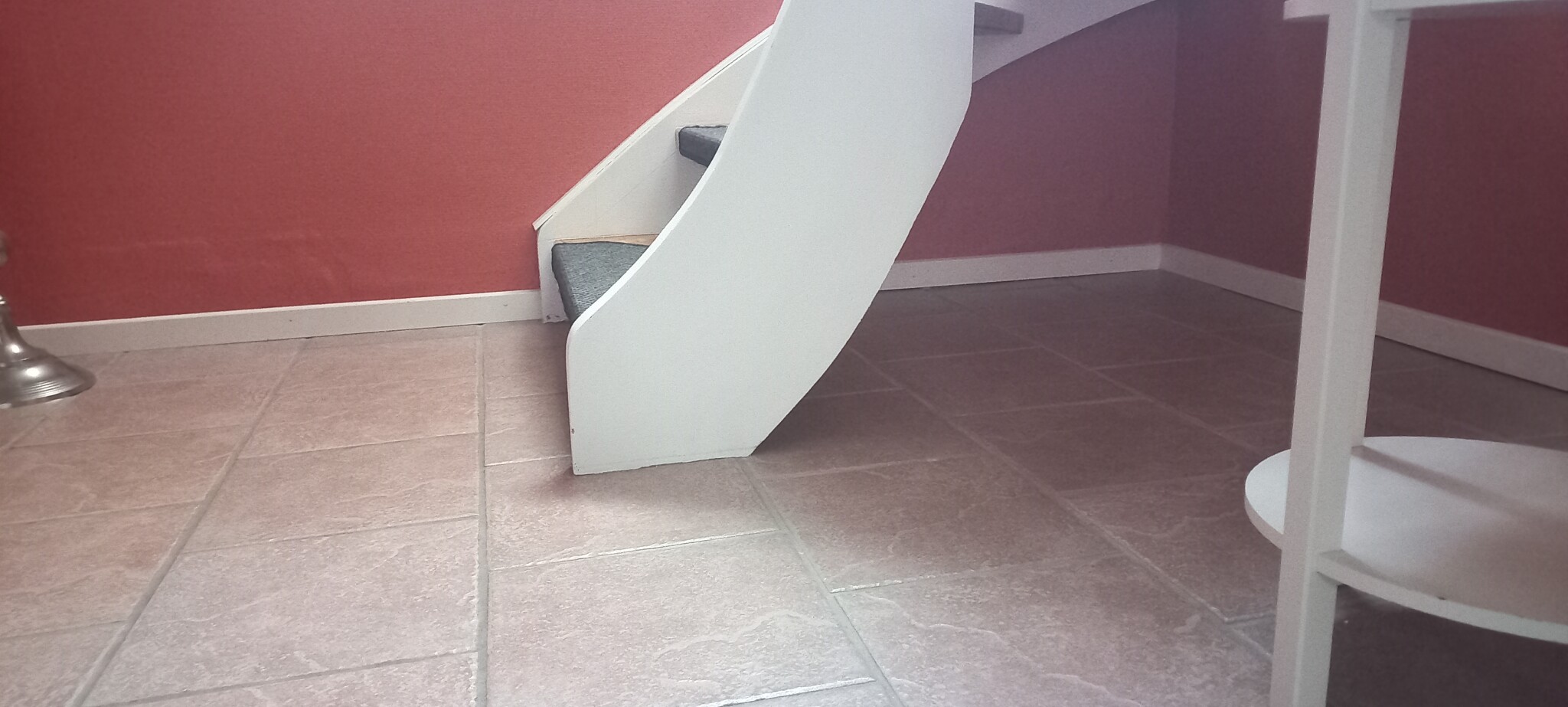
Felt with hand and measured with a meter. The lista is 15% moisture content. However, it's 80% in the concrete. So you're right about moisture migration. Is it drainage foundation that's needed? It's been like that for quite a few years though. No mold. Limited to the stairs. Nothing in another room where there's chipboard on the wall. Rising from the floor slab? About 2.5 m below ground. Split-level house. Came to think that there has been an air-to-air pump just above for about 15 years. It could be condensation water from it that has settled on the floor slab and caused the moisture blocks? But it should have dried out since I have a new pump and a drainage on it.Centano said:
Last edited:
How do the downspouts end, with pipes into the ground or just straight onto the ground? Now with the amounts that have come down from above, it's not unusual to have water next to the foundations. All roof water should be diverted at least 4 - 5 meters away from the house. If the downspouts go straight onto the ground, extend them with pipes away from the house, there are also hoses that can be connected to the downspouts.
The downspout goes down past the corner of the house. About 3 meters from there. Pipes in the ground. No blockageJ jonaserik said:How do the downspouts exit, with pipes in the ground or just directly onto the ground? Now with the amounts that have come from above, it's nothing unusual to have water next to the foundation. All roof water should be diverted at least 4 - 5 meters from the house. If the downspouts exit directly onto the ground, extend with pipes away from the house, there are also hoses that can be connected to the downspouts.
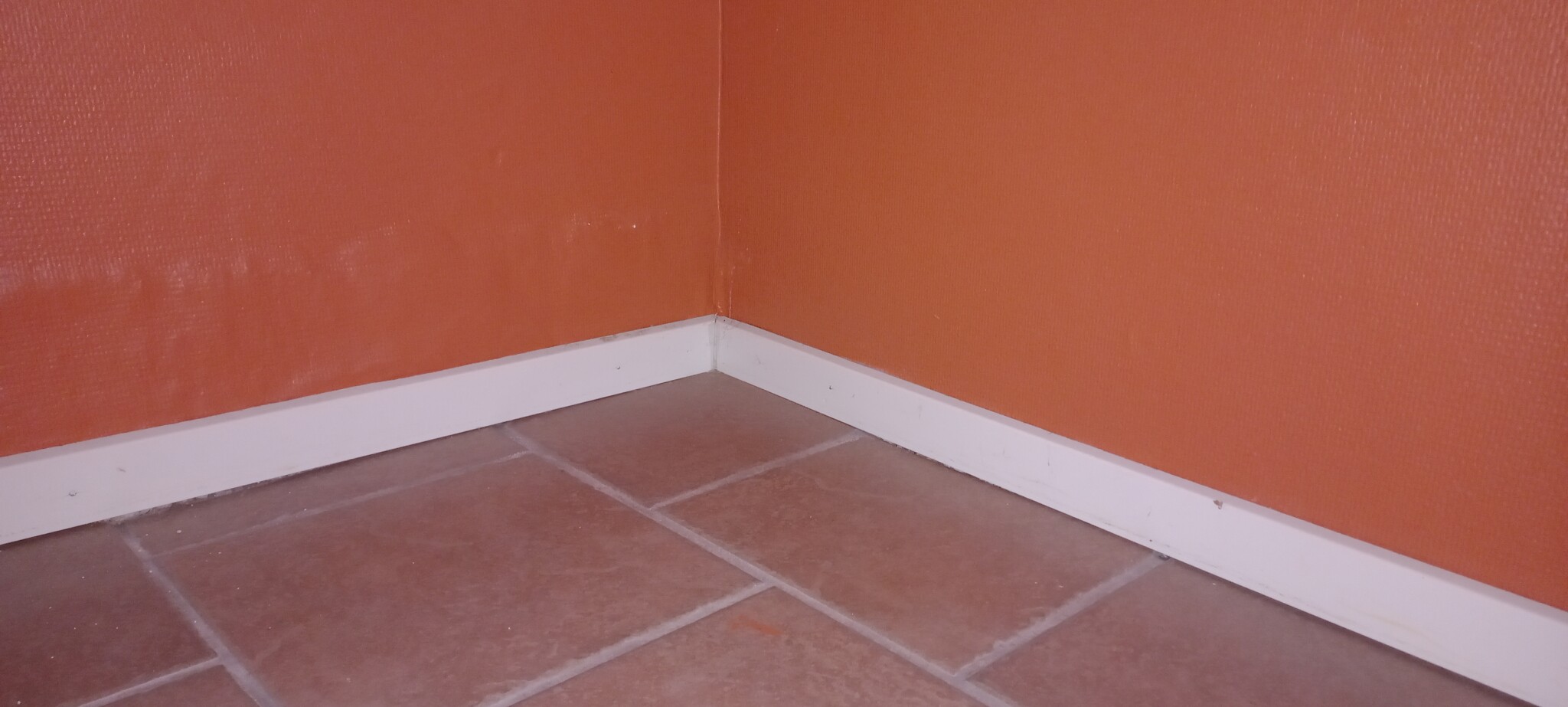
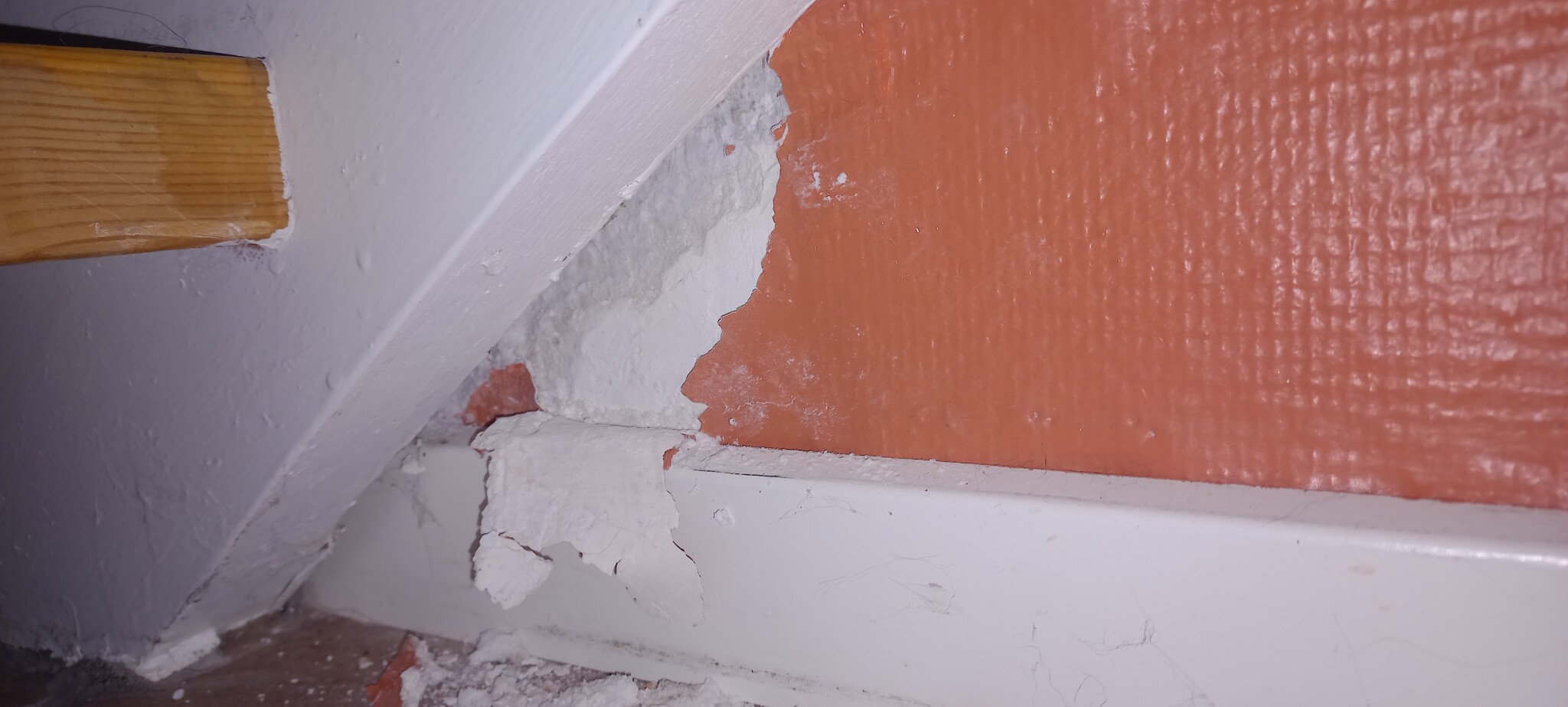
I would be more worried if there is particle board on the concrete in the basement than if it is just painted and the paint is peeling. You should never have organic material on a basement outer wall. It can become moldy.
Basement walls in older basements should (regardless of whether the drainage is okay or not) not be painted with dense "plastic paint". Then this will happen sooner or later. Only with very good drainage and conditions does plastic paint work.
Basement walls in older basements should (regardless of whether the drainage is okay or not) not be painted with dense "plastic paint". Then this will happen sooner or later. Only with very good drainage and conditions does plastic paint work.
No chipboard on the concrete here. It's woven wallpaper. I don't know if it's plastic paint or not. Should I remove the wallpaper, apply new plaster, sand it smooth, and then put up new wallpaper?J JohanLun said:I would be more worried if there is chipboard on the concrete in the basement than if it's just painted and the paint is peeling. You should never have organic material on an exterior basement wall. It can lead to mold.
Basement walls in older basements should (regardless of whether drainage is okay or not) not be painted with dense "plastic paint." This will happen sooner or later. Only with very good drainage and conditions does plastic paint work.
I meant it like this. If you have fabric in a room that bubbles. In the other rooms in the basement lined with chipboard. Then your problems are probably much worse under the chipboard.
Basement walls should preferably be painted with an "open" paint and not covered in wood or plasterboard, not wallpapered or with fabric. Not painted with plastic paint.
Then a well-built basement can handle it. But it's a bit like tempting fate.
Basement walls should preferably be painted with an "open" paint and not covered in wood or plasterboard, not wallpapered or with fabric. Not painted with plastic paint.
Then a well-built basement can handle it. But it's a bit like tempting fate.
Congratulations on it being väv, by the way. It makes it easier to remove than removing the paint. Tear off all the väv, tidy up the walls with some plaster or possibly putty that is moisture-resistant (not regular wall putty!) and paint with an "open" paint, and I think you've solved the problem. Even if the drainage is quite okay, it can still end up like this.
Alright. Thanks and much appreciatedJ JohanLun said:Congratulations that it's väv by the way. It makes it easier to remove than removing the paint. Tear off all the väv, tidy up the walls with some plaster or perhaps putty that is moisture-resistant (not regular wall putty!) and paint with an "open" paint and I think you've solved the problem. Even if the drainage is quite okay, it can still end up like this.
You have a slab directly on the base (soil/a little gravel) in one room you have tiles, then any moisture airs out through the joints. Worse with a painted concrete floor, maybe a form of sealing paint, it accumulates moisture from underneath in the slab and the only way out is by being absorbed into the wall and venting that way. No dense materials or organic on a basement floor that lies directly on the ground. That's how it was done before, just scrape off and cast directly on.
Click here to reply