
Hello,
Recently installed a door in the basement, and to get it in place, we had to sand the plaster along the door frames with a diamond grinding wheel (angle grinder). Now we need to spackle the excess sanding:
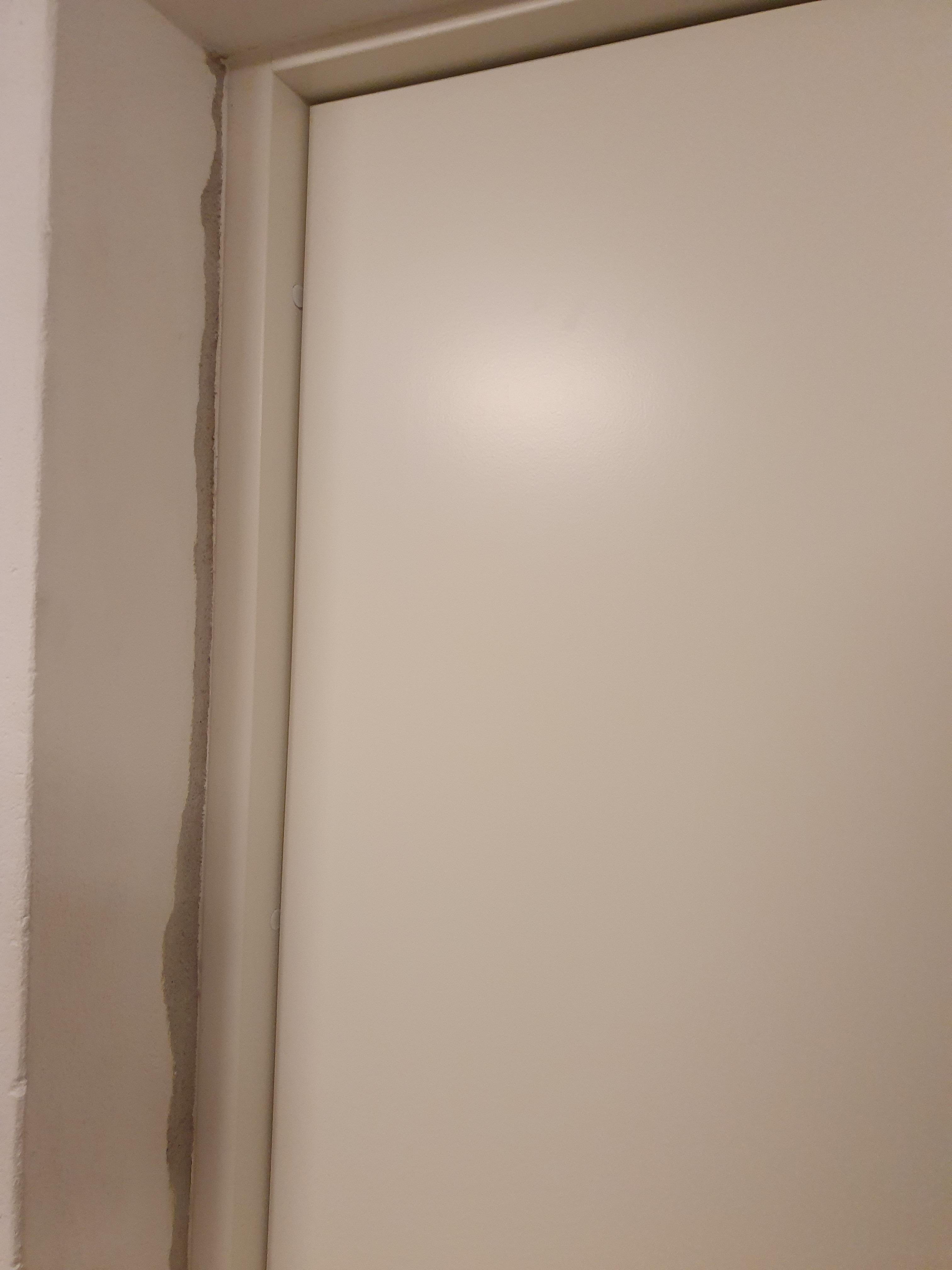
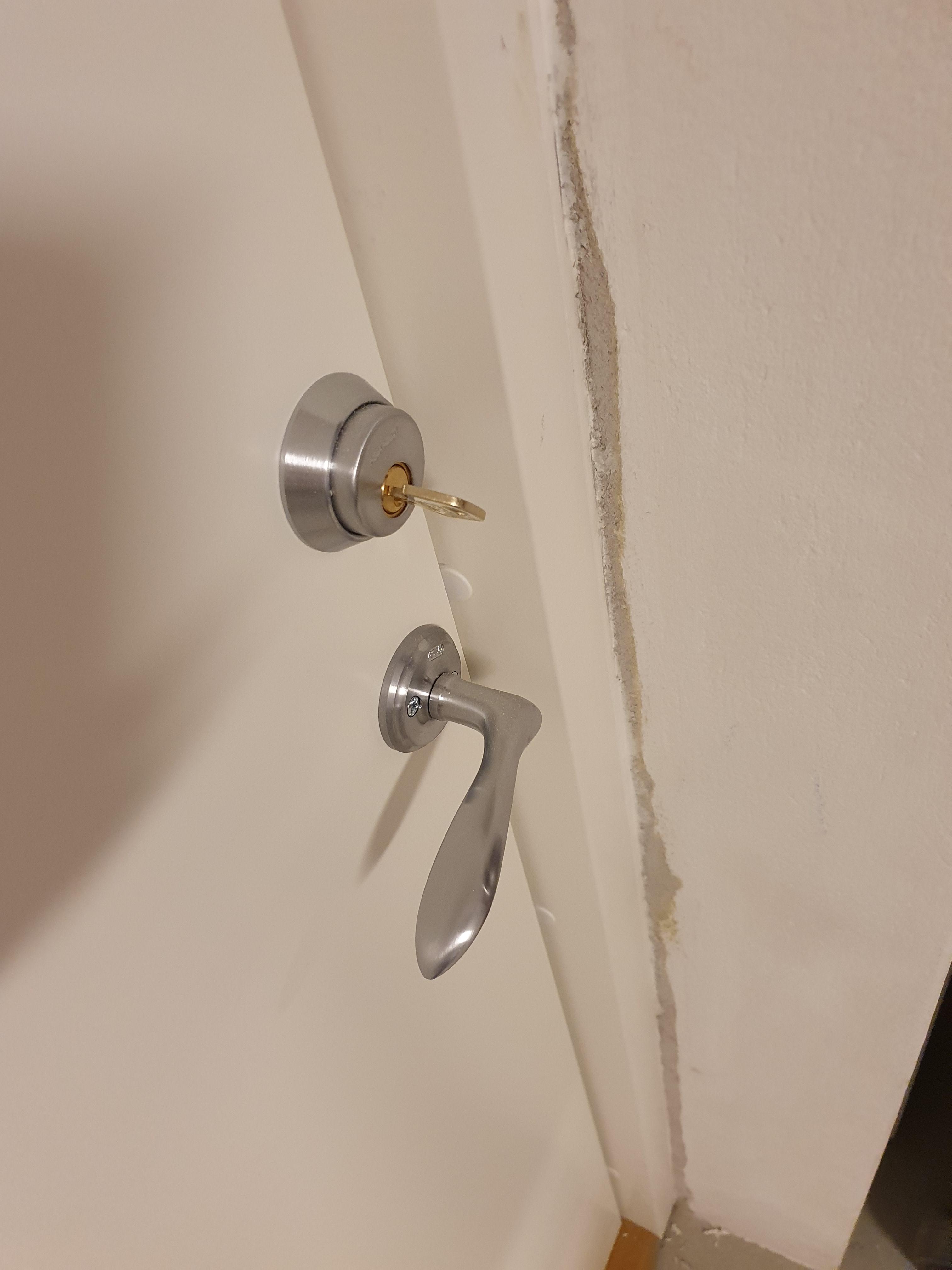
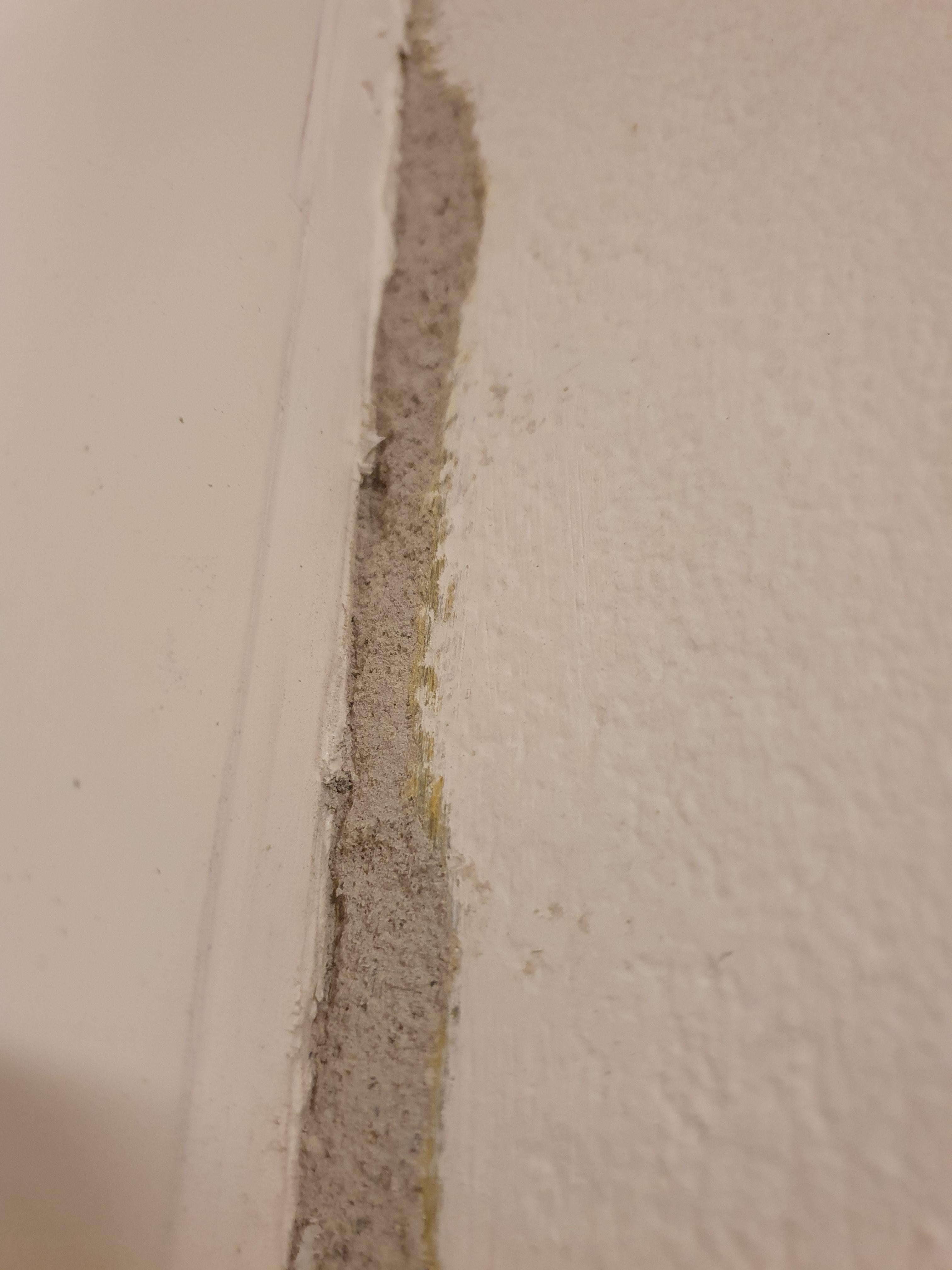
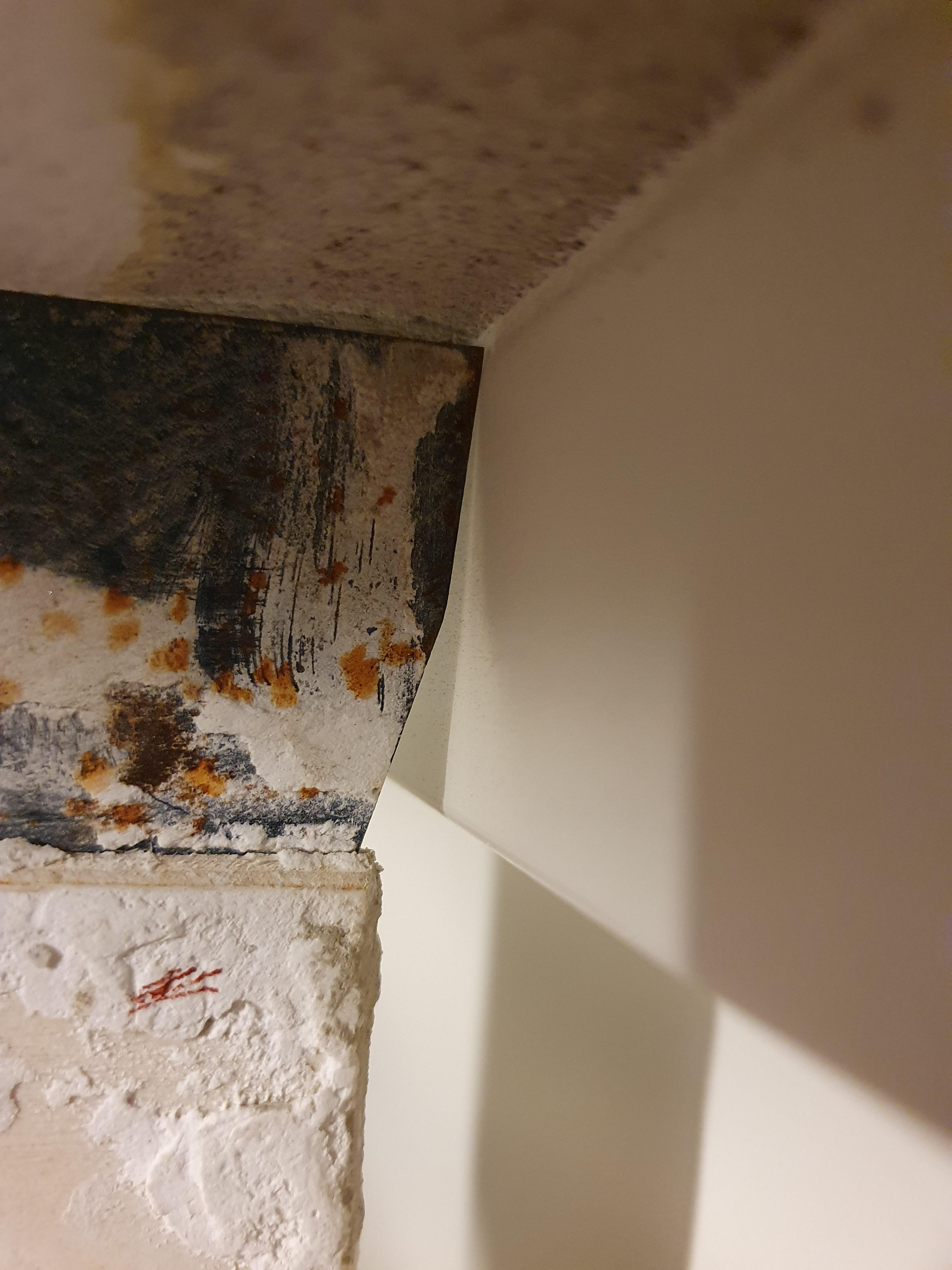
As you can see, the sanding is not even; it can range from 2-5 cm with a depth of up to 3 mm.
My thought is to run a spackle along the existing plaster to achieve an even spackling towards the door frame. But the question is, which spackle should be used to maintain the texture?
I suspect that plaster might not work well here due to too large grains? Maybe husfix? Or even regular spackle used for gypsum, where you try to achieve a similar texture with a wet brush?
What is the praxis?
Recently installed a door in the basement, and to get it in place, we had to sand the plaster along the door frames with a diamond grinding wheel (angle grinder). Now we need to spackle the excess sanding:
As you can see, the sanding is not even; it can range from 2-5 cm with a depth of up to 3 mm.
My thought is to run a spackle along the existing plaster to achieve an even spackling towards the door frame. But the question is, which spackle should be used to maintain the texture?
I suspect that plaster might not work well here due to too large grains? Maybe husfix? Or even regular spackle used for gypsum, where you try to achieve a similar texture with a wet brush?
What is the praxis?


The question then is what really distinguishes Gypsum plaster from regular plaster in this case? Are the grains still smaller? Otherwise, it can be difficult to match the existing plaster in the really thin areas. I would like to have a smooth transition that is more or less invisible.C cpalm said:
But then there's really no issue using "regular" filler directly on plaster, other than it won't breathe well in these areas.
It's essentially the same grain size, but the surface texture can be a bit different due to different application methods.I Ironside said:
I think it's easier to achieve decent adhesion with gypsum plaster when applying it so thinly. Regular plaster needs to be thrown on for good adhesion, and then it's not possible to make it so thin without a lot of waste.
Regular filler is probably the first choice for most, but it won't give the same texture if you're particular about that.
It's worth considering that this is a basement and even though the door leads out to a garage, it can still become damp here. This should mean that plasterboard is not the best solution? Maybe husfix is the way to go after all? I do think that new plaster won't easily result in a nice transition, unfortunately.
The advantage of husfix is that it is essentially the same as plaster if I understand correctly, i.e. it withstands dampness and it breathes.
The advantage of husfix is that it is essentially the same as plaster if I understand correctly, i.e. it withstands dampness and it breathes.
Go ahead with husfix if it feels good, it'll turn out great. But it won't have the same texture, which was the original question.I Ironside said:
I wouldn't worry about moisture in your case. But even the gypsum plaster is mineral, "breathes," and tolerates a bit of moisture.
Click here to reply
Similar threads
-
Plaster or putty painted leca blocks in the basement?
Building Materials and Construction Technology -
Repair/patch/paint plaster walls uniformly
Building Materials and Construction Technology -
How do I fill end joint gaps in plastered tongue and groove (indoors)?
Building Materials and Construction Technology