
Hello all knowledgeable people!
We are renovating and I would like to chip off the plaster on all four sides of the chimney/masonry, scrape out the joints, regrout, and let the brick be visible.
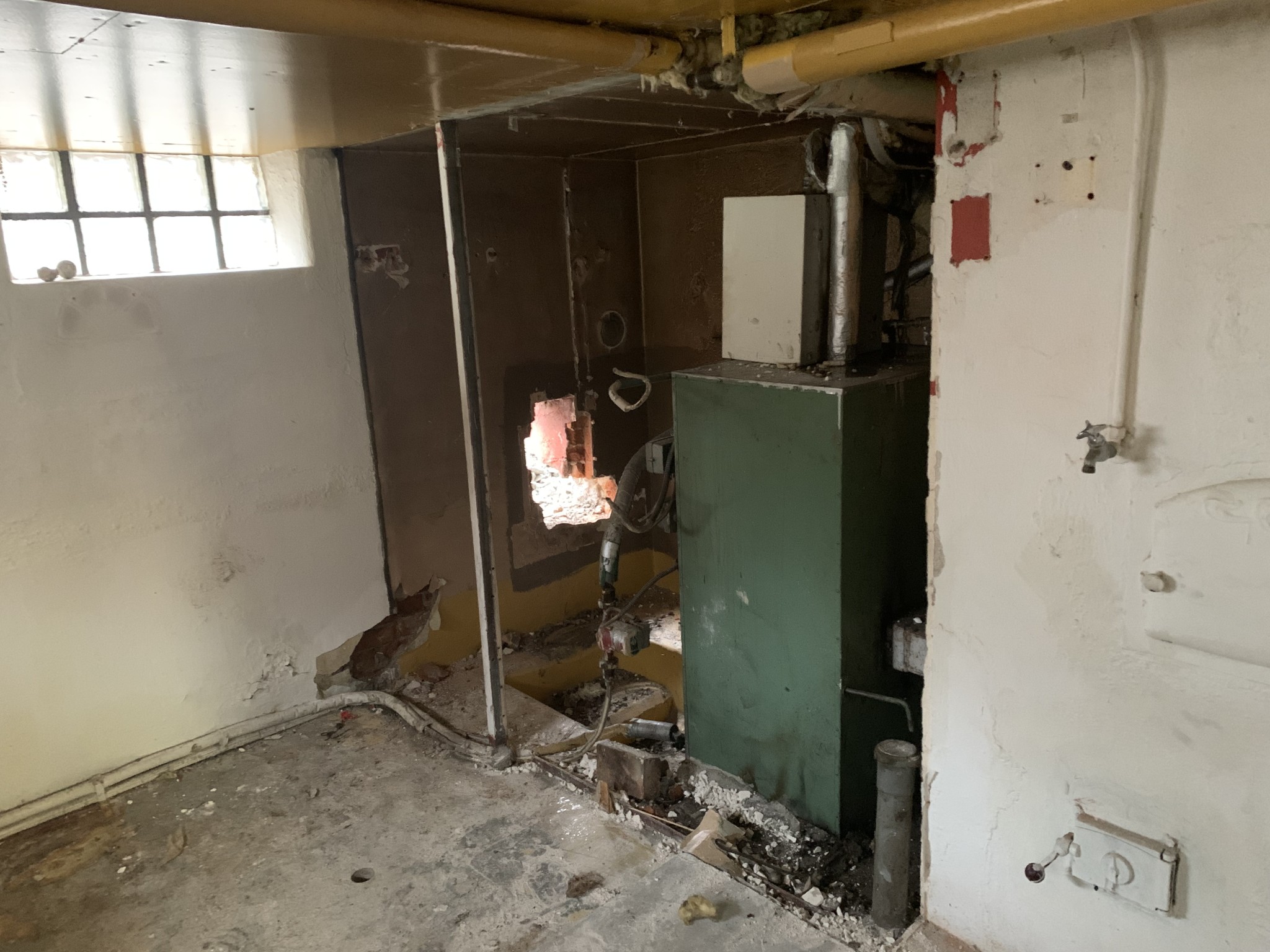
Today, there are no connections to the chimney at all as we have removed the boiler and will install geothermal heating instead.
We will install a modern wood stove with piping throughout the chimney.
I have heard that you are only "allowed" to expose the brick on the side where the stove/wood stove is placed, but I wonder why?
We are renovating and I would like to chip off the plaster on all four sides of the chimney/masonry, scrape out the joints, regrout, and let the brick be visible.
Today, there are no connections to the chimney at all as we have removed the boiler and will install geothermal heating instead.
We will install a modern wood stove with piping throughout the chimney.
I have heard that you are only "allowed" to expose the brick on the side where the stove/wood stove is placed, but I wonder why?

The plaster is part of the chimney's construction that makes it airtight. The smooth plaster also makes leaks visible, which increases fire safety. For these two reasons, it is inappropriate to remove the plaster.
Whether you get a note on the next fire safety inspection or not depends on how the inspector assesses the risk of the plaster being removed. Many on the forum have acquired a pizzeria wall in this way without any issues during the inspection. Since you are going to have a pipe in the chimney and it hasn't been used otherwise, you probably won't have any problems either.
Whether you get a note on the next fire safety inspection or not depends on how the inspector assesses the risk of the plaster being removed. Many on the forum have acquired a pizzeria wall in this way without any issues during the inspection. Since you are going to have a pipe in the chimney and it hasn't been used otherwise, you probably won't have any problems either.
Claes Sörmland said:
The render is part of the chimney's construction that makes it airtight. The smooth render also makes leaks clearly visible, which increases fire safety. For these two reasons, it is inadvisable to remove the render.
Whether you get a remark at the next fire safety inspection depends on how the inspector assesses the risk of the render being removed. Many in the forum have created a pizzeria wall this way without problems at inspection. Since you are going to have pipes in the chimney and it hasn't been used otherwise, you probably won't have any issues either.
The render is part of the chimney's construction that makes it airtight. The smooth render also makes leaks clearly visible, which increases fire safety. For these two reasons, it is inadvisable to remove the render.
Whether you get a remark at the next fire safety inspection depends on how the inspector assesses the risk of the render being removed. Many in the forum have created a pizzeria wall this way without problems at inspection. Since you are going to have pipes in the chimney and it hasn't been used otherwise, you probably won't have any issues either.
Will call the chimney sweep and ask when they open after the holidays. Thanks for the answer!The render is part of the chimney's construction that makes it airtight. The smooth render also makes leaks clearly visible, which increases fire safety. For these two reasons, it is inadvisable to remove the render.
Whether you get a remark at the next fire safety inspection depends on how the inspector assesses the risk of the render being removed. Many in the forum have created a pizzeria wall this way without problems at inspection. Since you are going to have pipes in the chimney and it hasn't been used otherwise, you probably won't have any issues either.

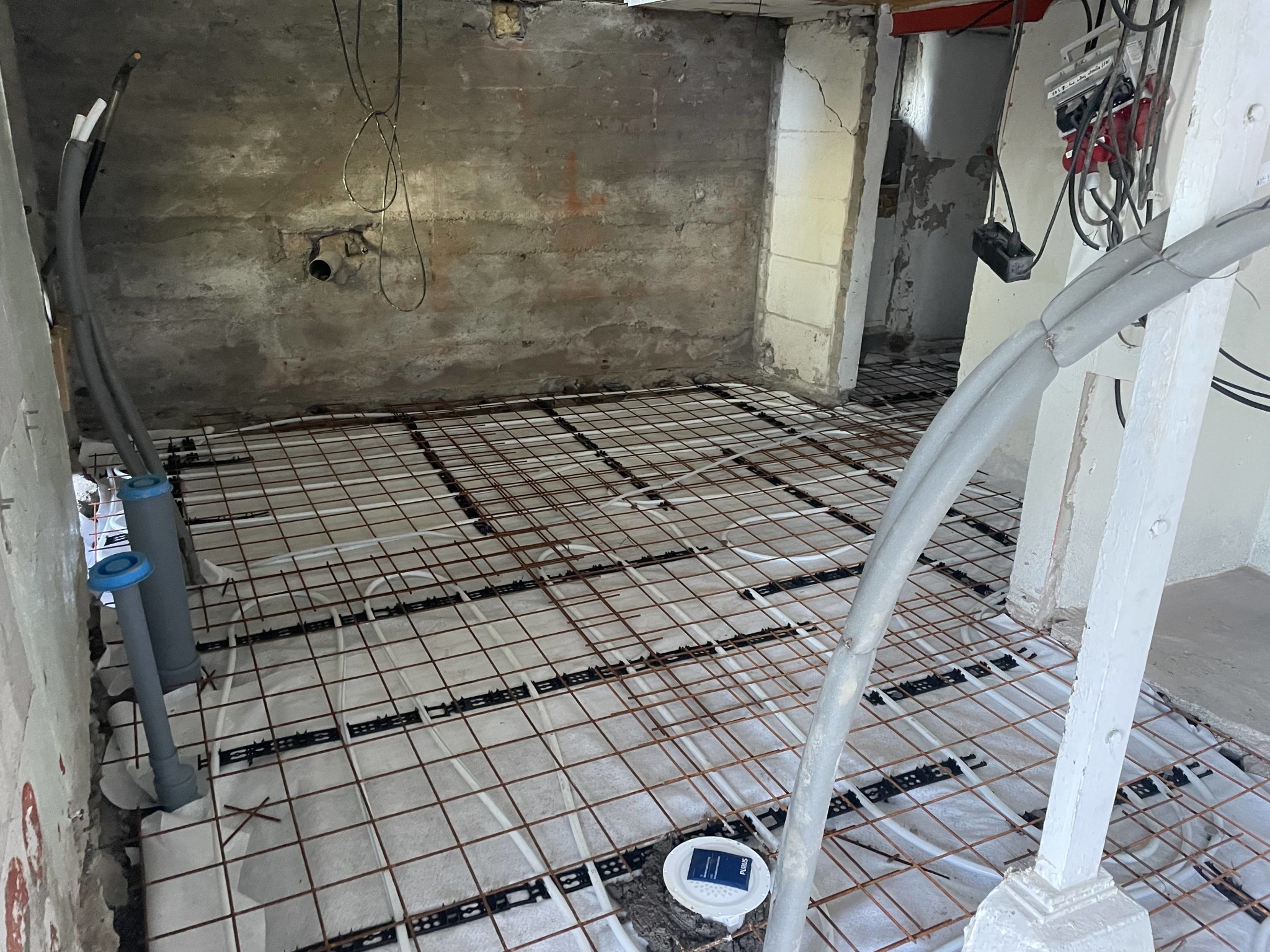
If the boiler was in the basement boiler room, then there might be some problems. The boiler, when it was in operation, drew a lot of air and heated the chimney and boiler room. So natural draft occurred in all of the chimney's flues. When switching to an electric boiler or heat pump, none of this occurs. Then putting a pipe through the chimney is easy considering its tightness and doesn't cause problems with the chimney sweep. However, there will be no heat in the mass it contains, and natural draft ventilation diminishes or disappears. The pipe should then also have insulation in the space that is left on the way up. Now to what can happen, with the boiler all moisture that could come in via floors and walls was expelled, condensed in the air, and went out through the boiler. With electric/heat pump systems, moisture/wetness remains, which is a classic issue when removing a boiler. I've seen after switching that moisture builds up and there is even pure water on the floors and walls.C *Christina* said:
The wood chip boiler hasn't been used with chips since 2010 but it has remained in use with an electric support, I would guess. (It's been warm in the boiler room) Until now, no moisture and we've just drained the exterior properly according to all regulations.J jonaserik said:If the boiler was in the basement boiler room, there may be some problems. The boiler, when in operation, draws a lot of air and heated the chimney and boiler room. So natural ventilation occurred in all of the chimney's flues. When switching to an electric boiler or heat pump, none of this happens. Installing a pipe up through the chimney is simple considering its tightness and doesn't pose problems with the chimney sweep. However, there won't be any heat in the mass it contains, and natural ventilation decreases or disappears. The pipe should also have insulation in the gap on the way up. Here's what can happen, with the boiler all moisture that could come in via the floor and walls was vented out via the boiler. With electric/heat pump, moisture remains and this is classic when removing a boiler; I've seen after a switch that there's significant dampness and even standing water on the floor and walls.
We disconnected the boiler about a month ago. Still no signs of moisture.
I've scheduled an appointment with a chimney company to get help with the wood stove installation.
It will be interesting to get his assessment
The render is a part of the chimney's construction that makes it airtight. The smooth render also makes leaks easily visible, which increases fire safety. For these two reasons, it is inappropriate to knock off the render.
Whether you will have issues at the next fire safety inspection or not depends on how the inspector assesses the risk with the render removed. Many on the forum have created a "pizzeria wall" this way without any problem during the inspection. Since you are going to have a liner in the chimney and it hasn't been used otherwise, you probably won't have any problems either.
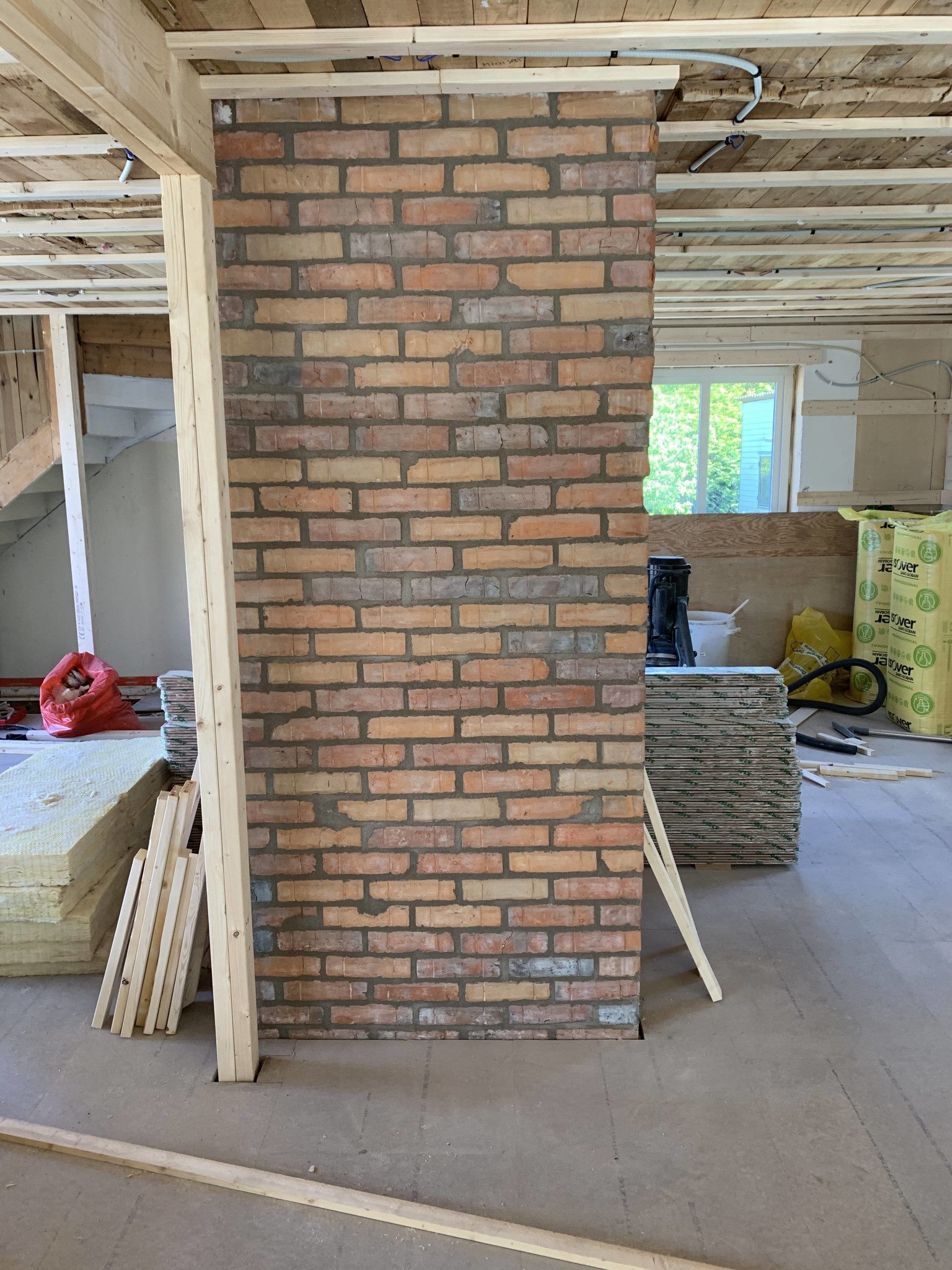
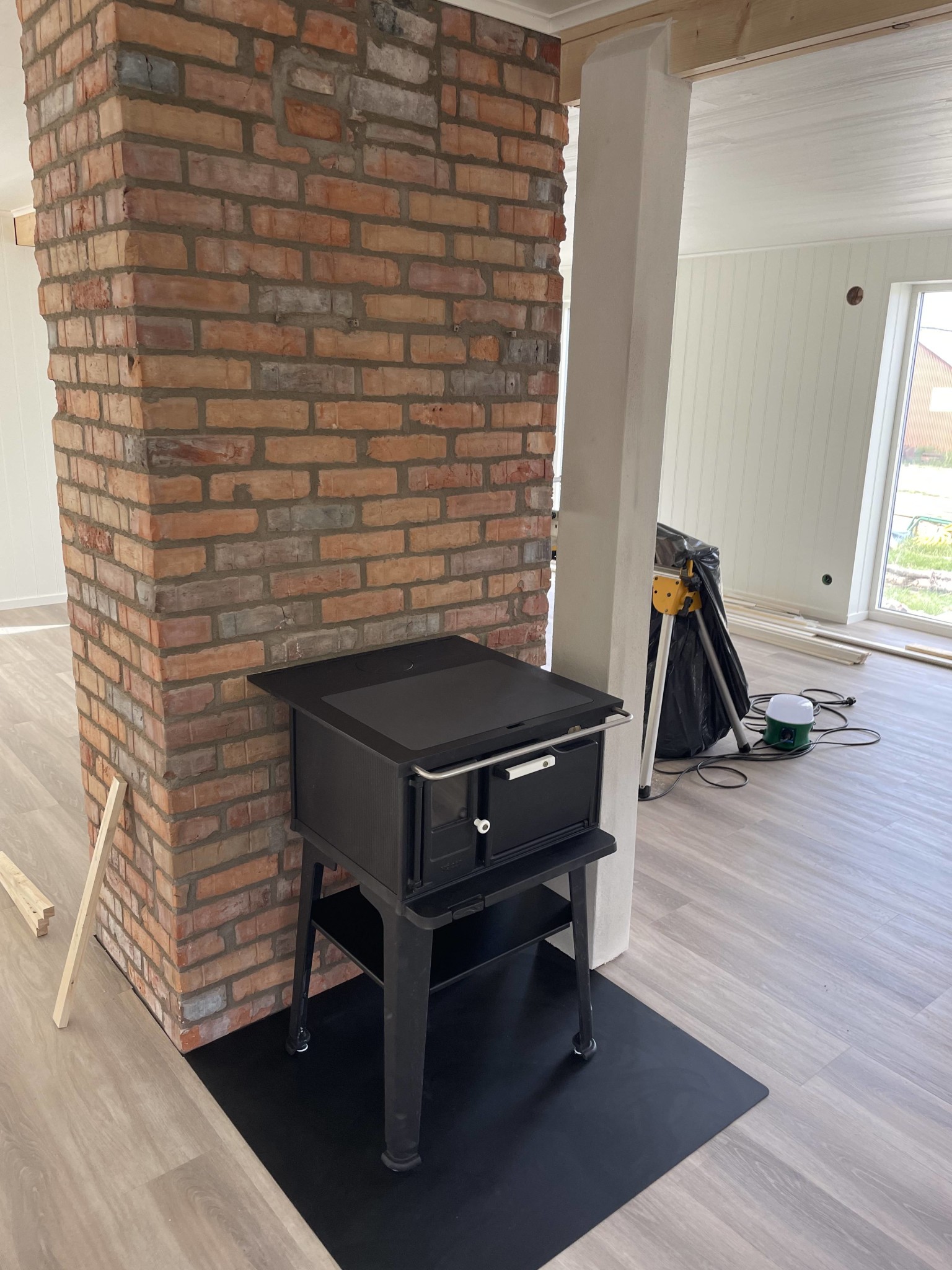
This is how the final result turned out after pointing

Click here to reply