
4,499 views ·
22 replies
4k views
22 replies
Roof penetration flat roof


Searching my memory, but I can't recall seeing one like this since the fans "usually" are mounted on a duct (spiral duct). Here, it seems the volume increase in the box is supposed to act as a sound absorber, or at least that's how I interpret it.
If you want to buy this fan, I think (for what it's worth ) that you should buy the whole kit and contact the seller about the installation/function. Sealing the exterior is at least an easy task once you find someone willing to take it on.
(rewrote since I misunderstood)
If you want to buy this fan, I think (for what it's worth
) that you should buy the whole kit and contact the seller about the installation/function. Sealing the exterior is at least an easy task once you find someone willing to take it on. (rewrote since I misunderstood)
I don't quite understand the problem; the box can be mounted very high if necessary, even above the roof if absolutely necessary. A kallraspjäll doesn't add many cm, so it's just the filter holder itself that adds height, and without a fan, it shouldn't need that much, I think.
Perhaps it is my ignorance that makes it feel a bit daunting to adjust all the parts through the roof with millimeter precision without the possibility of adjustment or flexibility.
The roof is from outside to inside:
roofing felt
underlayment
23mm rough board
50-60 mm air gap
250 mm insulation
17mm rough board
11mm ceiling
Since the roof slope is minimal, the box will only be lowered 10-20 mm down into the air gap.
The roof is from outside to inside:
roofing felt
underlayment
23mm rough board
50-60 mm air gap
250 mm insulation
17mm rough board
11mm ceiling
Since the roof slope is minimal, the box will only be lowered 10-20 mm down into the air gap.
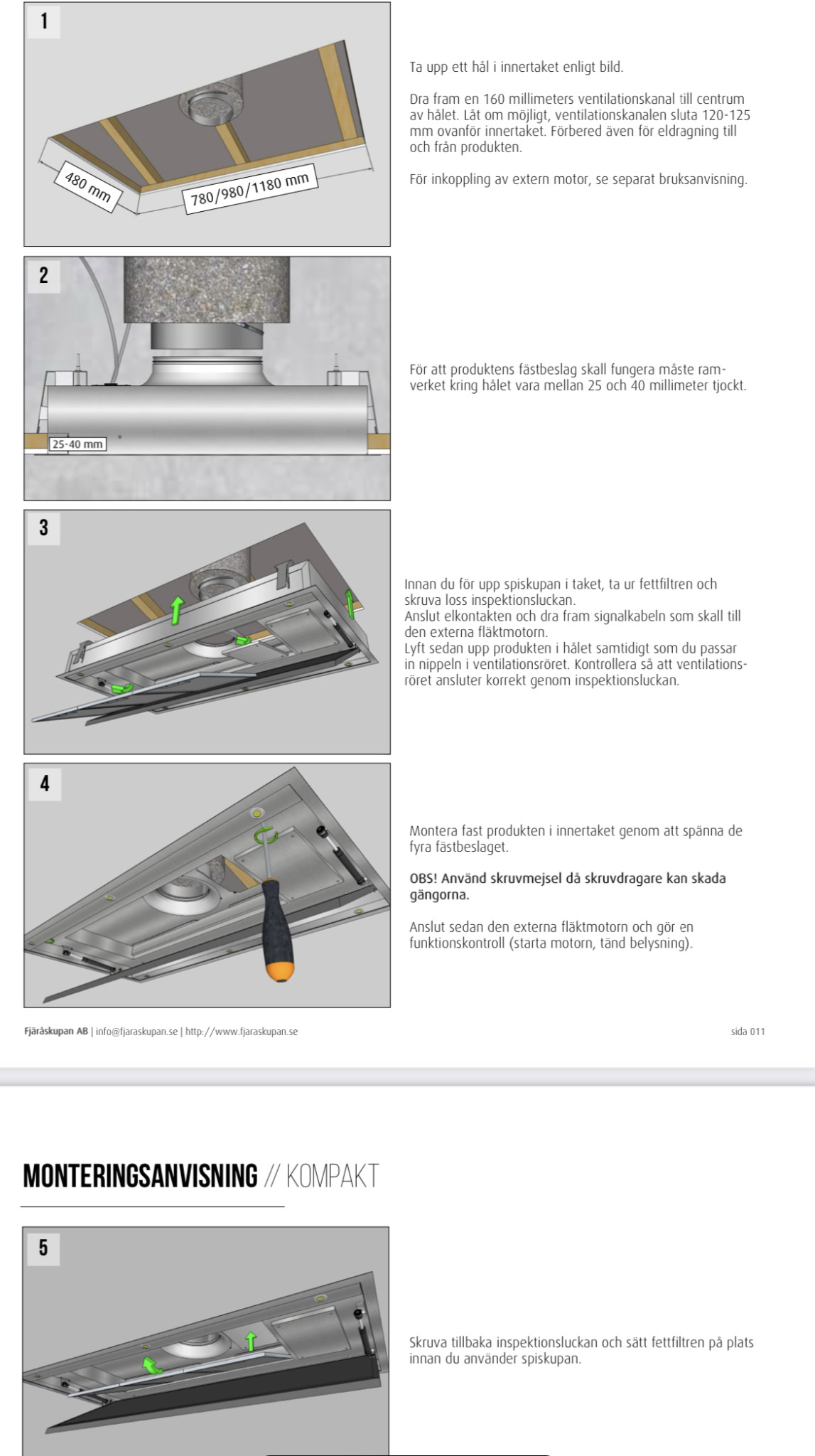
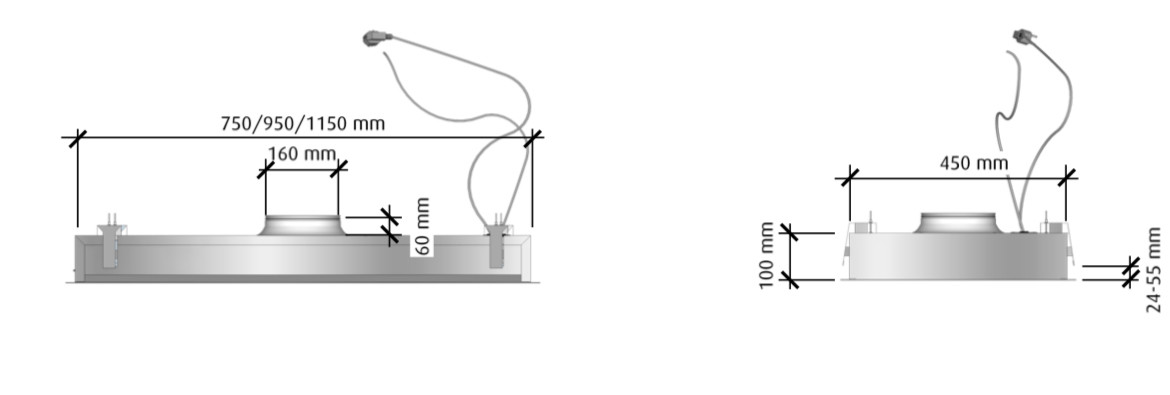
I might be an optimist, but I don't think there's any precision fitting here, it's rarely like that on vent, though it's not a tiny project either. Since the inside is the most important, it's probably best to start there and work upwards, then nothing can really go wrong. If you're not 100% sure, the final gaps are usually filled once you have the products in hand, that's my experience.
Click here to reply