4,499 views ·
22 replies
4k views
22 replies
Roof penetration flat roof
I need to arrange an extractor hood.
I was thinking of a ceiling-integrated hood with the motor outdoors on the roof.
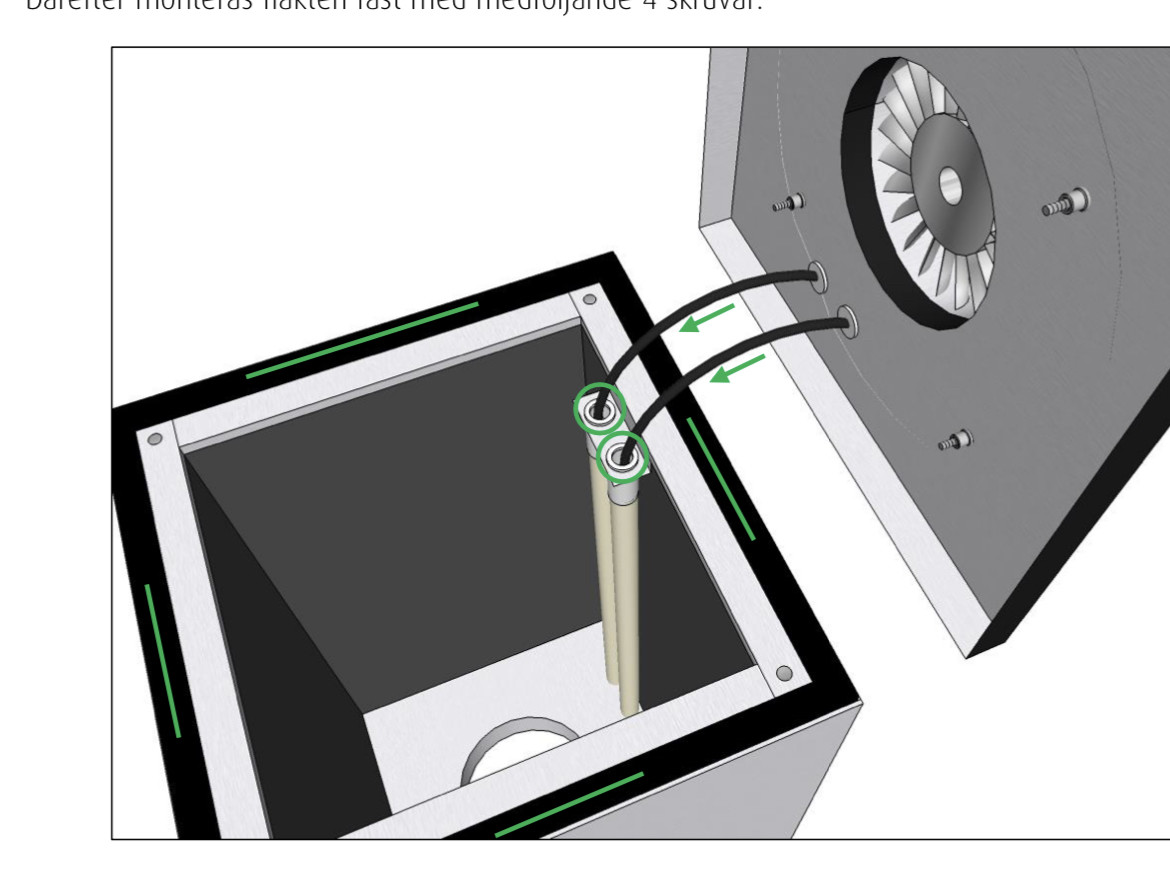
Is this a good product for the purpose?
https://fjaraskupan.se/pub_docs/files/PDF/monteringsanvisningar/monteringsanvisning_tfu.pdf
my roof is made of felt and is 25-35 cm thick
I was thinking of a ceiling-integrated hood with the motor outdoors on the roof.
Is this a good product for the purpose?
https://fjaraskupan.se/pub_docs/files/PDF/monteringsanvisningar/monteringsanvisning_tfu.pdf
my roof is made of felt and is 25-35 cm thick


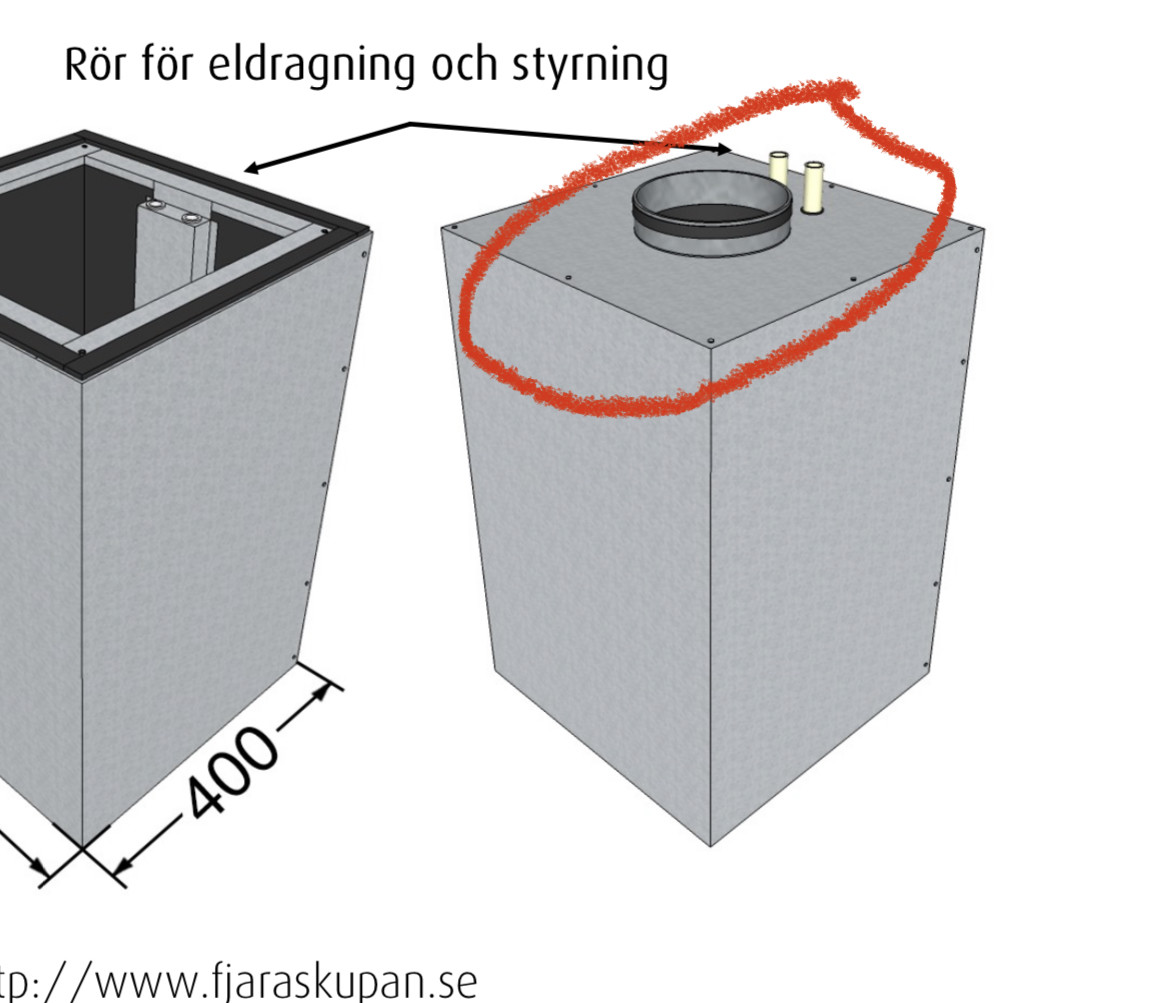
You wrap it in cardboard as shown in the picture. Whether it is good or not I don't know, but I would say the most common approach is to build a box out of plywood with a metal lid for the purpose and a regular insulated pipe.
Don't quite understand what you're referring to, but usually, the box goes through the roof (see the pictures), so you have to remove the roofing felt and boards to get it through.
Of course, you can also just place it on top, and then you only need to tear so you can get through what you need to get through.
Don't know if that helped
Of course, you can also just place it on top, and then you only need to tear so you can get through what you need to get through.
Don't know if that helped
All thoughts are welcome.
I think that the instruction that comes with it isn't quite applicable for flat cardboard roofs. It feels a bit strange that I have to cover with metal when the rest of the roof is just cardboard, for example.
I think that the instruction that comes with it isn't quite applicable for flat cardboard roofs. It feels a bit strange that I have to cover with metal when the rest of the roof is just cardboard, for example.
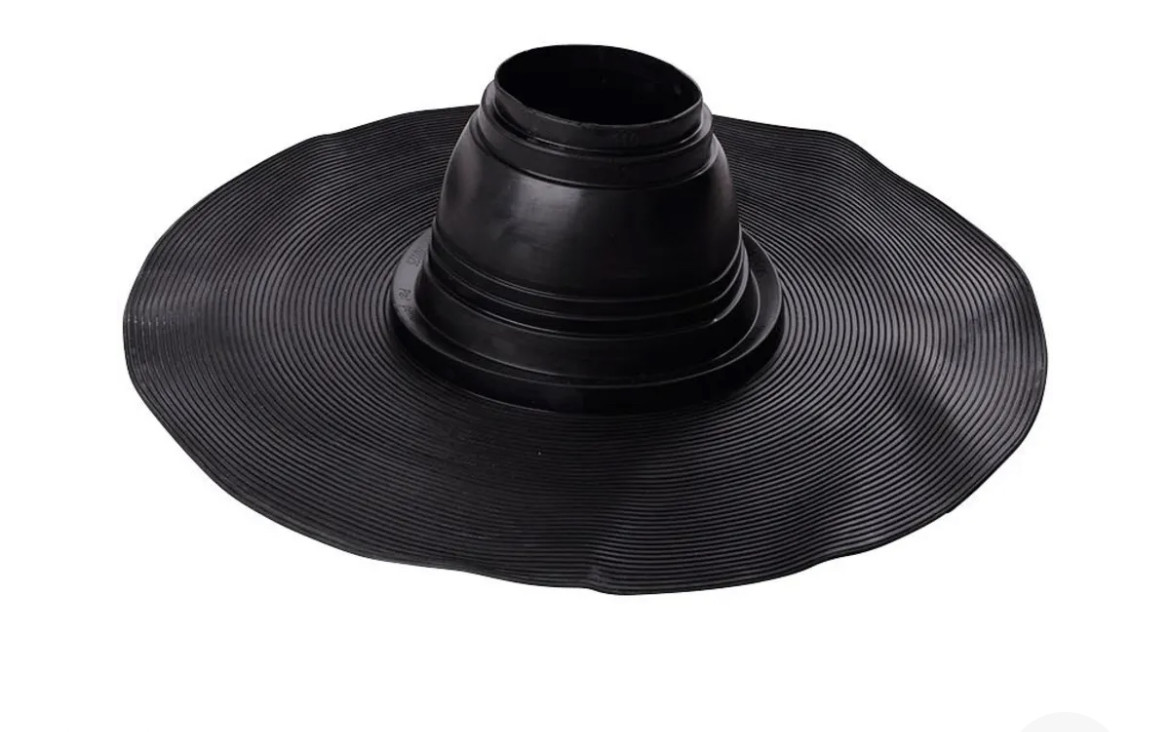
I am not very knowledgeable about vents or imkanaler and their regulations, but from a waterproofing perspective, I see no advantage with the one you linked, it's not the box that should be insulated but the channel/pipe that needs it.
A roofer/pappläggare can certainly help but will likely not want to handle the actual vent. job.
Gummistos works well for uninsulated pipes like venting for sewage but has nothing to do here in my opinion.
A roofer/pappläggare can certainly help but will likely not want to handle the actual vent. job.
Gummistos works well for uninsulated pipes like venting for sewage but has nothing to do here in my opinion.
A few cm larger than the vent pipe plus insulation and 30-35cm high above the existing paper roof.D Derbyboy said:
Addition. Unless the manufacturer of the kitchen fan says otherwise for their fan etc. to work, maybe there are ready-made products in some kit?
Last edited:
I was a bit interested in this one:
https://fjaraskupan.se/pub_docs/files/PDF/monteringsanvisningar/monteringsanvisning_tfu.pdf
but what makes me uncertain is that bottom connection.
My fan will be sitting about 30 cm below the connection.
Will I really have room for the draft stopper and then a flexible spiro so that I can push up the fan?
https://fjaraskupan.se/pub_docs/files/PDF/monteringsanvisningar/monteringsanvisning_tfu.pdf
but what makes me uncertain is that bottom connection.
My fan will be sitting about 30 cm below the connection.
Will I really have room for the draft stopper and then a flexible spiro so that I can push up the fan?
Haven't decided yet, but it's going to be a strong one with an EC motor.
I've looked at this one:
https://fjaraskupan.se/produkter/motorer/takmotorer/fk-eco-flow-svart
(there should be an equivalent without the Fjäråskupan branding for slightly less money)
I've looked at this one:
https://fjaraskupan.se/produkter/motorer/takmotorer/fk-eco-flow-svart
(there should be an equivalent without the Fjäråskupan branding for slightly less money)
Don't think there should be any pipe in the box itself.
The pipe connects at the bottom.
But of course, if I get the drilling perfect, maybe I can manage with a rigid spiro. It would just feel much better to be able to use a flexible pipe if the drilling is off by a few cm. Those rigid pipes can't flex 1 mm.
The pipe connects at the bottom.
But of course, if I get the drilling perfect, maybe I can manage with a rigid spiro. It would just feel much better to be able to use a flexible pipe if the drilling is off by a few cm. Those rigid pipes can't flex 1 mm.