
Hello!
I am new to casting, etc., but I have a staircase with an accompanying retaining wall that needs renovation.
The staircase itself wears out a lot, so I hired professionals for that. In places where the concrete was damaged, the tiler repaired it with Redirep 25.
But the wall itself is not as exposed, and I plan to repair it somewhat myself.
It is built of concrete and blocks of natural stone.
I intend to only repair the joints "from above" to reduce the amount of water that creates (most) frost damage. The purpose is watertightness, not strength.
I understand that there is a big difference between regular coarse concrete for construction and concrete intended for repair. But I don't understand the difference between repair mortar (for example at Bauhaus from Combimix for 99kr/20kg) and repair concrete (for example Mapei Redirep 25 for 850kr/25kg).
In addition to this, there is concrete filler.
Very confusing 🤔
It should preferably last a long time, but not for load-bearing purposes.
Achieve the goal of limiting water intake.
I value cost-effectiveness a lot, no expensive brands just to get 20% better results, so to speak.
I am new to casting, etc., but I have a staircase with an accompanying retaining wall that needs renovation.
The staircase itself wears out a lot, so I hired professionals for that. In places where the concrete was damaged, the tiler repaired it with Redirep 25.
But the wall itself is not as exposed, and I plan to repair it somewhat myself.
It is built of concrete and blocks of natural stone.
I intend to only repair the joints "from above" to reduce the amount of water that creates (most) frost damage. The purpose is watertightness, not strength.
I understand that there is a big difference between regular coarse concrete for construction and concrete intended for repair. But I don't understand the difference between repair mortar (for example at Bauhaus from Combimix for 99kr/20kg) and repair concrete (for example Mapei Redirep 25 for 850kr/25kg).
In addition to this, there is concrete filler.
Very confusing 🤔
It should preferably last a long time, but not for load-bearing purposes.
Achieve the goal of limiting water intake.
I value cost-effectiveness a lot, no expensive brands just to get 20% better results, so to speak.
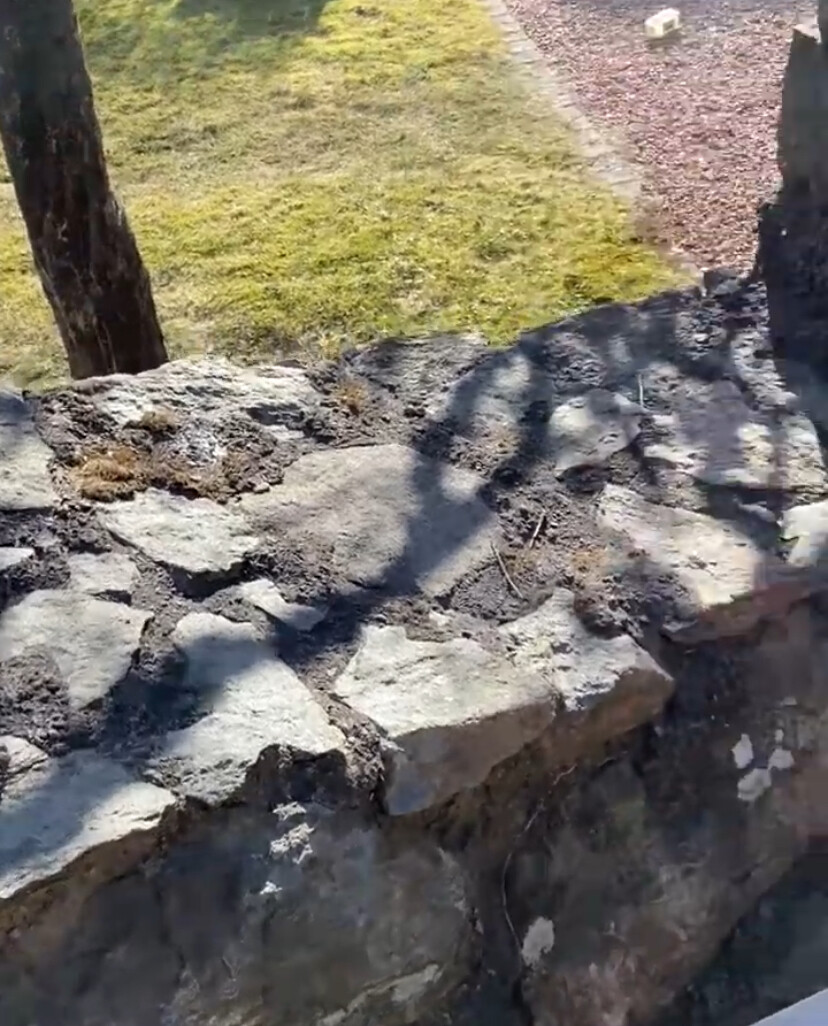
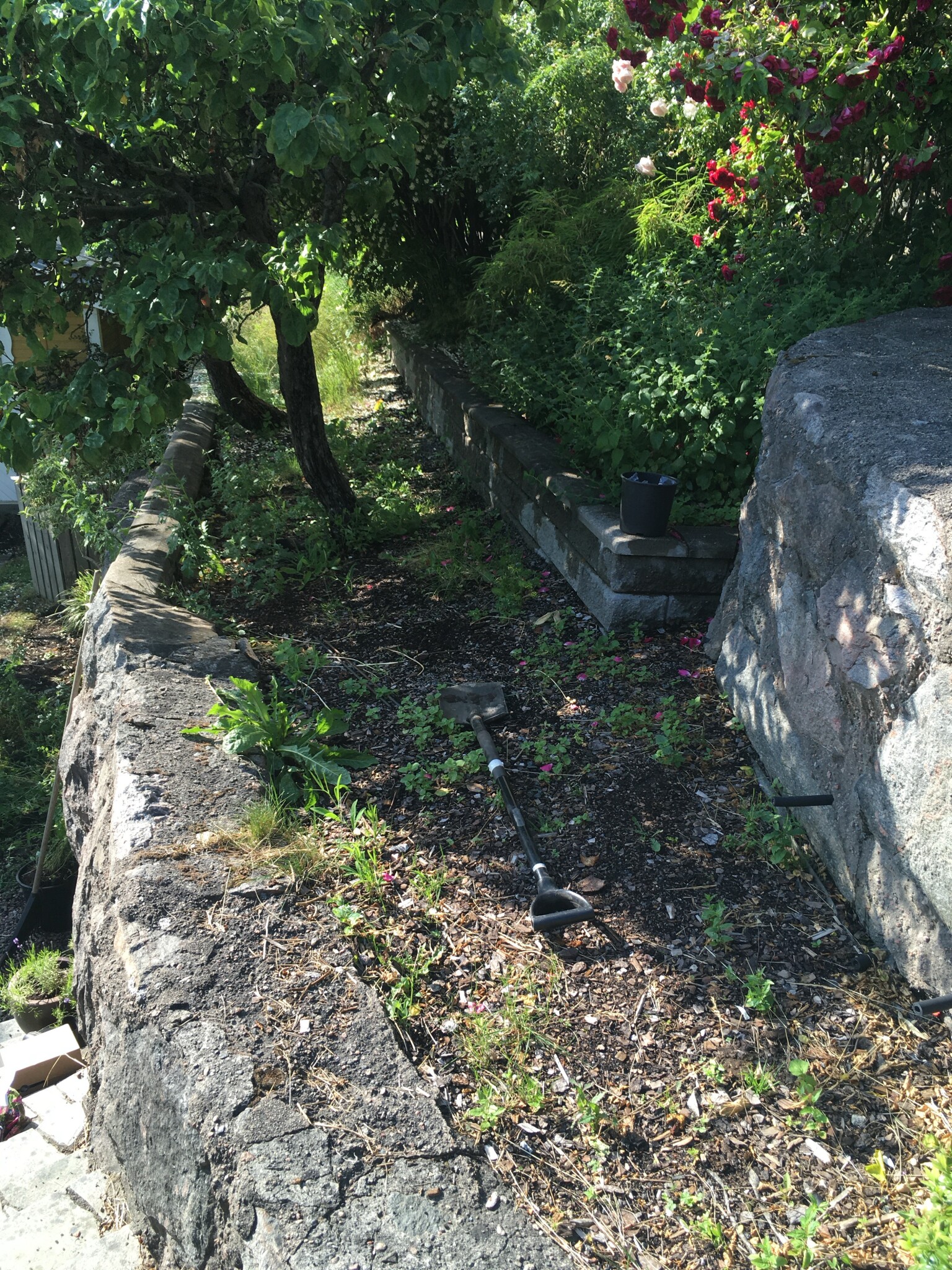

Thank you!Claes Sörmland said:
What is the equivalent product called that is pre-mixed?
Concrete repair mortars similar to Rep 25 and 45 cannot be mixed by yourself as they have additives and fiber reinforcements, and they are shrinkage-compensated, which is difficult to achieve on your own. Additionally, these mortars are texotropic, meaning they can be used for repairs upwards in ceilings, etc.
Cementbruk A?J jokar said:
https://www.bauhaus.se/cementbruk-f...CXNecuD9FZLvDToYzrGpq0Ngi5LqzN_xoCXScQAvD_BwE
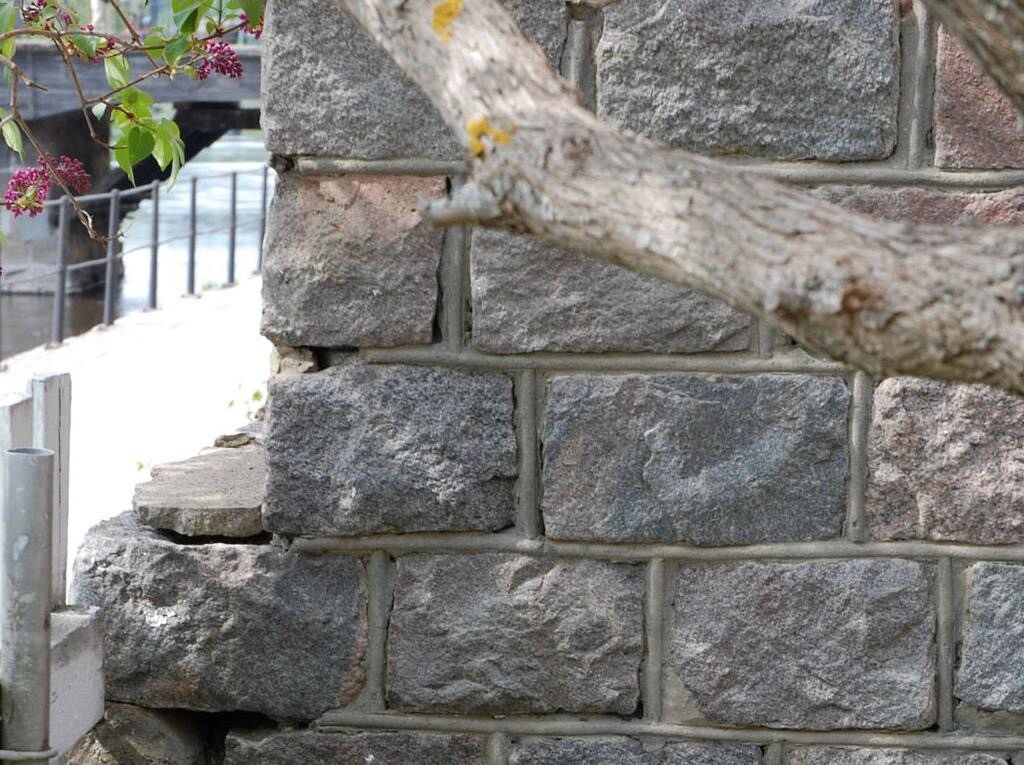
There are different convex joint trowels, I'll include one from KGC, but there are cheaper brands too..J jokar said:
https://www.kgcverktyg.se/mur-puts-betongverktyg/mur-puts/slevar/fogslev-konvex-fog-10x170mm
It's perfectly fine to use cement mortar A for jointing in this case..

A product with a name ending in -concrete is likely intended for casting. If it ends in -mortar, it's probably suitable for application with a trowel. Just as @Rejäl writes, these are products with different special additives according to the manufacturer's "secret" recipe, so they are not necessarily comparable, and you need to check what the manufacturer specifies for the properties of each product.J jokar said:
Click here to reply