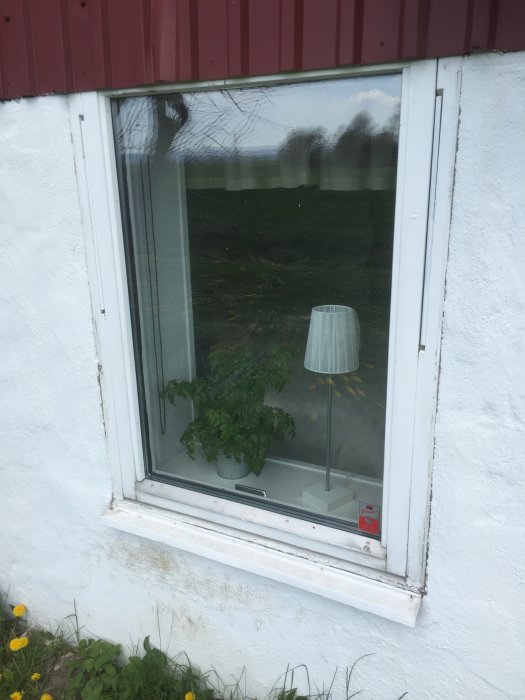
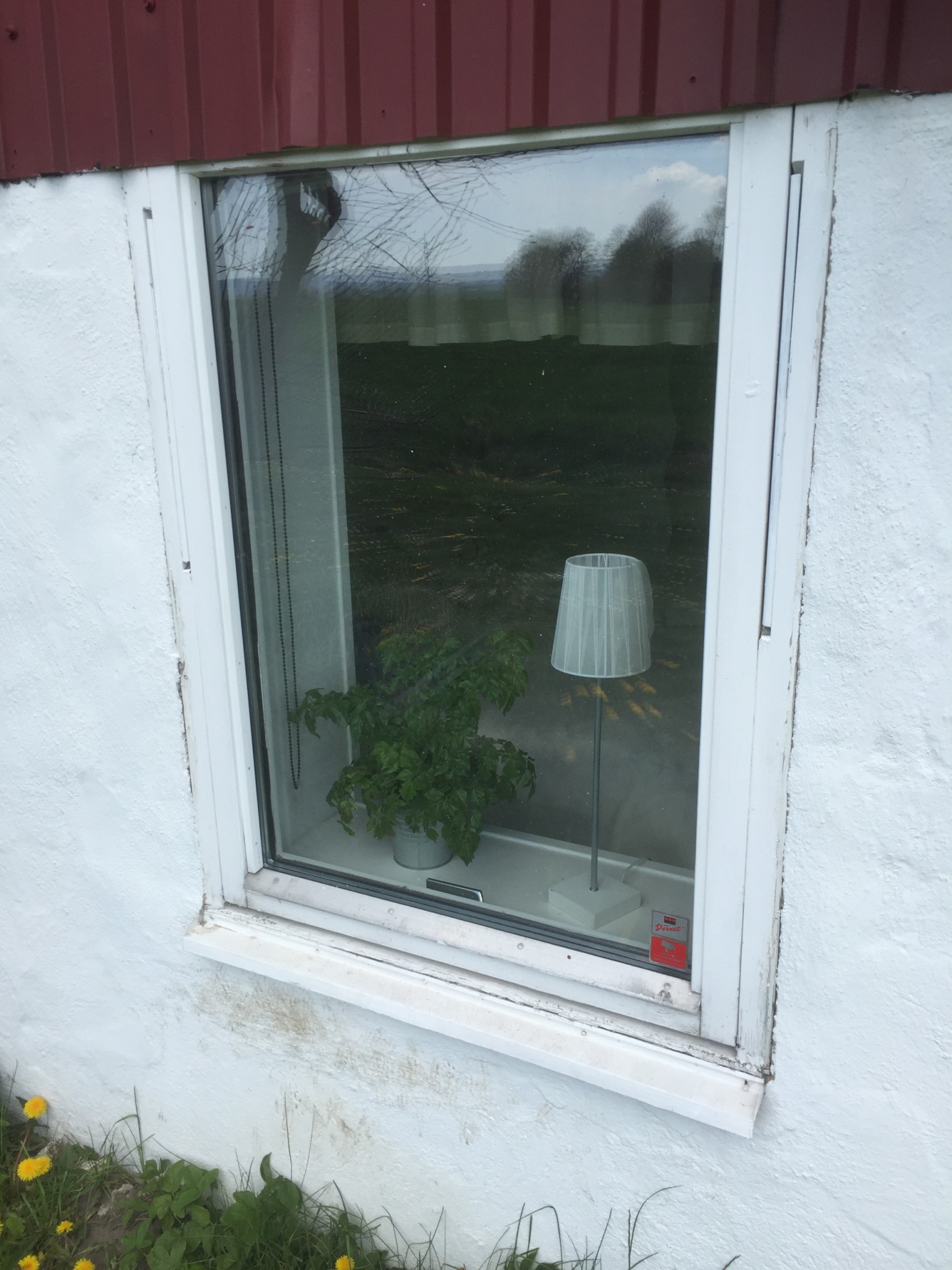
The usual method is to seal between the frame and the niche. Previously, mortar was commonly used; I would suggest some form of sealant. The downside with a trim piece is that the niche is often not smooth enough for it to work well.
Ok, I think it looks a bit tricky with h-windows flush like that. I would like to have the window 6cm in so you can plaster the recess, but is that actually a worse solution?
I've been thinking about insulation of the attic floor. Boards? Rolls? I'm thinking of 145mm boards up to the collar beam height and then rolling out 170mm rolls on top across the joists.
Does the top layer of insulation need to have windpaper on it or is it not necessary?
It's your house, do as you like! A 6 cm inset is completely fine, but I think it requires a nice render transition from the niche to the façade. 145+170 mm insulation sounds good, but 170 insulation probably doesn't exist as a roll. Rolls usually have a 50 mm thickness with outer paper lining, so it will probably have to be 145+120+50. All insulation should be surrounded by airtight materials. Personally, I would go for cellulose insulation, which has much better hygroscopic properties and is a good way to avoid moisture problems in attics.
A completely different question, I have a large crawl space with heated living space above, you can almost stand full height there, don't know if it's an old potato cellar. Dirt floor and quite humid... I am going to tear down a lot of bricks and sand from an old oven, could I dump the bricks and sand in this crawl space or is that foolish?
All forms of mineral wool as well as Styrofoam and cellulose fibers have the same insulation value (U-value). What I write about insulation amounts therefore does not refer to a specific material. Until 1975, the standard was 10 cm in exterior walls and 15 cm in attic floors. Today's new construction standard is about 30 cm in exterior walls and about 50 cm in attic floors. Applying this standard in your case is both unreasonable and inappropriate. Since your exterior walls will have a U-value equivalent to about 20 cm of insulation, I think the attic should have a total of about 30 cm. Yes, dumping brick in the old potato cellar is idiotic. It is a disadvantage from a moisture perspective to reduce the volume. Whether to take any other action depends on which materials surround the space. Measure temperature and humidity over a longer period to better assess suitable usage. A wine cellar might be an alternative.
Okay, when we talked about wall insulation between the outer brick and inner leca wall, does any mineral wool product work? preferably boards over rolls?
Should I "seal" the mineral wool from above so that mice and others can't get down here? I mean between the brick walls up to...
Does the floor's insulation extend so far out towards the eaves that the outer brick wall is covered from above?
It should be stone wool in sheets, nothing else. As high bulk density as possible. I don't know if mice like stone wool. Best to check and act accordingly. The insulation's termination against the eaves partly depends on which eaves solution you choose.
Have received quotes; can interior walls be plastered with Finja plaster C 0-3 mm, or is the expensive fine plaster that is plaster C 0-1 mm required?
Plan to build a raised exterior wall with full joints, then 15 cm interior walls using string bonding with Finja's mortar box without butt joints, is that okay?
I have some Biltema plaster and masonry paint; can this be used on the interior walls for an economical solution? Base with Biltema's plaster primer...
Then it hit me if I now order ready-made lecabalks. What if these don't fit perfectly in height to, for example, my window (which they probably won't), do you have to cut the blocks that the lecabalk is resting on then? The entire layers of leca will have the wrong height measurement then?
No point in insulating outside the façade line. Between the insulation and the wall crown, there should be some separating material like asphalt felt type AC 350. If using cellulose fibers, the insulation can be placed against the roof panel; otherwise, some form of spacer is required. Plaster mortar 0-3 mm is for rough plastering, which is OK if you plan to cover the surface with, for example, gypsum; otherwise, you should use 0-1 mm. OK without butt joints. I am not familiar with Biltema's plaster and masonry paint. Proven paints for plaster are lime paint, silicate paint, and linseed oil paint. I would prefer to recess some form of addition on the window frame rather than experimenting with varying heights on the leadans's masonry courses.