
4,886 views ·
11 replies
5k views
11 replies
Ramp nut or tee nut for plywood?
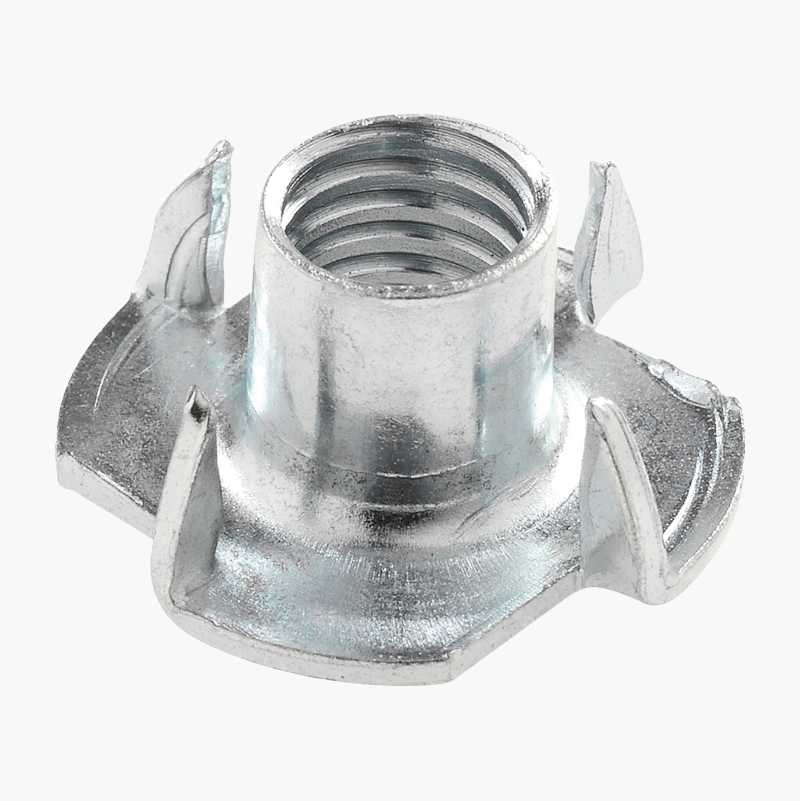
Building some boxes where I plan to mount ball bearing slides designed for heavy loads (100kg). The material is 15mm birch plywood for both the frame and the boxes. I have access to both sides, so would you prefer T-nut or rampamuff? Unfortunately, I'm not well-versed on how well rampamuff holds in plywood.

A T-nut or rampamuff is the same thing but with two different names?!Ivan1881 said:
No.FredrikR said:
A rampamuff pre-drills a non-through hole and screws in. It is mostly used to attach fittings/legs and similar with an M-threaded screw for easy assembly/disassembly.
A slag nut is preferably used on through holes, is installed by being driven in, and has a flange that distributes load better, making it better for mounting feet for cabinets, drawers, etc.
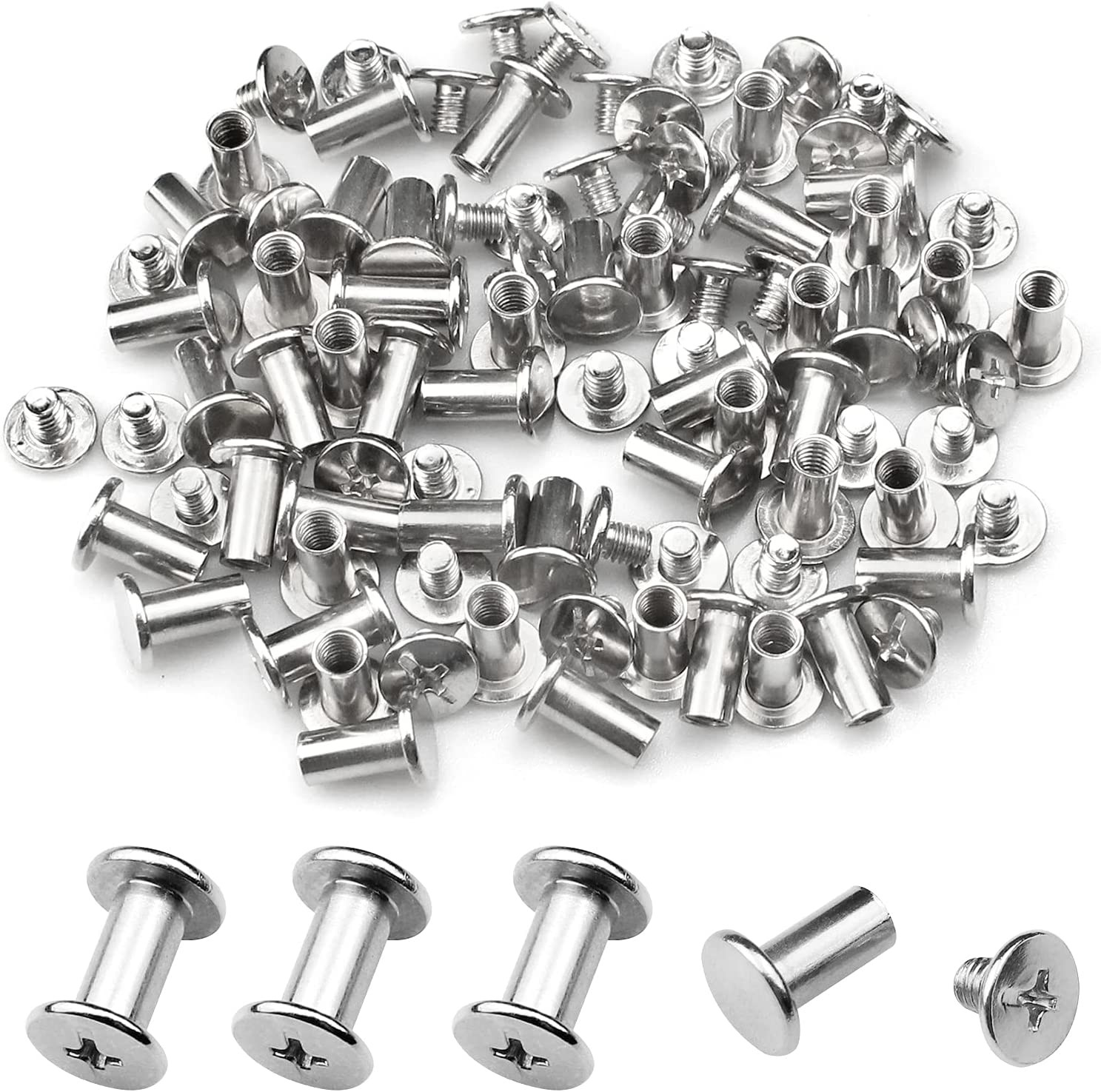
Why do you need any of them? Can't you attach the expansion fittings directly in the wood?Building some boxes where I plan to mount ball bearing slides designed for heavy loads (100kg). The material is 15mm birch plywood for both the frame and the boxes. I have access to both sides, so would you prefer T-nuts or insert nuts? Unfortunately, I'm not sure how well insert nuts hold in plywood.


Yes, I've considered regular screws, but considering the loads and the thickness of the plywood (15mm), there isn't much to grip, or do you think it will hold? It's a modular system that is going to be installed in a car, so it will be exposed to dynamic loads and vibrations when driving.K kniv said:
A 4mm anchor screw can withstand up to 100kg in radial force, so it's hardly the screws that are the weak point but the mounting (no matter which fastening method you choose). Wood screws directly into the plywood mean that most of the fibers remain intact, whereas both T-nuts and ramp nuts cut the fibers.
A dab of wood glue in each hole before you attach the screw is another method. You may need to heat the screw if you want to remove it in the future, but regular wood glue sticks poorly to metal.
Superglue works as well, but you must heat the screw, and heated superglue is not very good for your health. For extra options, thin superglue is better than regular.
However, 15 mm birch plywood should be sufficient in itself.
Superglue works as well, but you must heat the screw, and heated superglue is not very good for your health. For extra options, thin superglue is better than regular.
However, 15 mm birch plywood should be sufficient in itself.
Click here to reply