
Hi, I didn't get any responses to "general about heating forum" so I'm trying here.
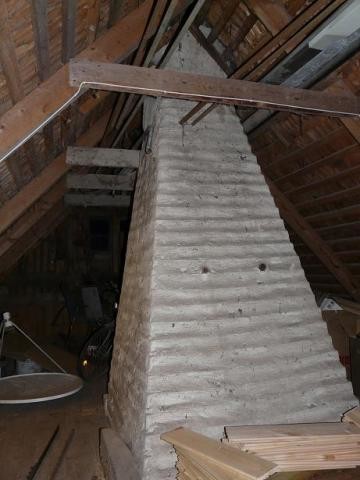
I have an old-fashioned bake oven with a wide chimney in front that you can climb into. The bricks are almost white and the mortar is light, so it should be lime-based.
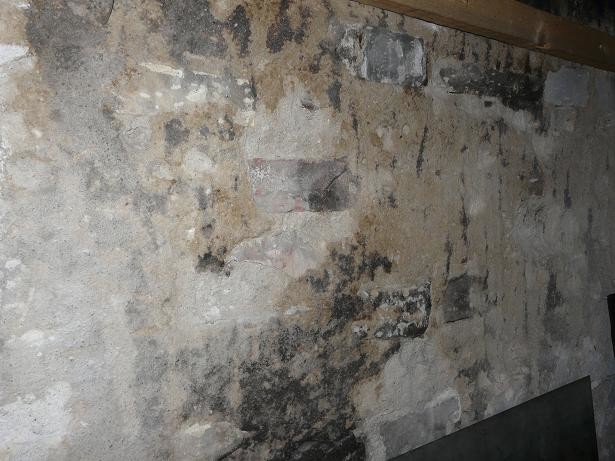
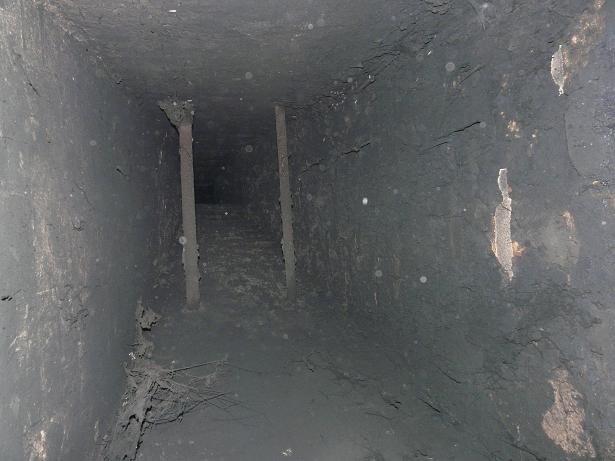
The chimney, the flue looks free from cracks even though it's in an unheated outbuilding and without rain protection, so you'd want to use similar material for renovation. The chimney sweep looked at it, unfortunately, I wasn't home myself then, but he said that it needs re-plastering as pieces could fall off. From what I understand when I've been up in the chimney, it looks like pieces of some gray more modern mortar have cracked. Scraping this with a steel brush reveals that the white brick looks intact and fine.
It's mentioned in many posts that C-mortar is good, but what do you think the chimney sweep would say if you used lime mortar, do you think it's good, how would you have done it. I can't afford a professional?
Lasse
I have an old-fashioned bake oven with a wide chimney in front that you can climb into. The bricks are almost white and the mortar is light, so it should be lime-based.
The chimney, the flue looks free from cracks even though it's in an unheated outbuilding and without rain protection, so you'd want to use similar material for renovation. The chimney sweep looked at it, unfortunately, I wasn't home myself then, but he said that it needs re-plastering as pieces could fall off. From what I understand when I've been up in the chimney, it looks like pieces of some gray more modern mortar have cracked. Scraping this with a steel brush reveals that the white brick looks intact and fine.
It's mentioned in many posts that C-mortar is good, but what do you think the chimney sweep would say if you used lime mortar, do you think it's good, how would you have done it. I can't afford a professional?
Lasse
I would definitely use lime plaster. Remove any loose material, brush the bricks thoroughly if they have become sooty. Moisten the brick thoroughly (maybe wait until spring). First, apply a thin coat, after a while you can apply more by throwing it on. Dry slowly. Lime mortar does not burn but reacts with carbon dioxide from the air, and it should be wet until the process is complete all the way down. In Stockholm, it was cheaper to buy pre-mixed (from the brick seller) than dry goods at the warehouse. As a novice bricklayer, I recommend a clean board or something to collect all the mortar that doesn't reach the target, so to speak. Otherwise, it can get expensive. Go for it!
The chimney sweep thinks it's good with lime mortar. I have no experience with chimneys plastered on the inside. It would be interesting to know why. A chimney should be plastered on the outside in case of a tar fire and the flue cracks, so the plaster should protect against sparks and flames coming out (said my chimney sweep who is a she).
There is only plaster on certain parts of the smoke channel, it falls off very easily when scraping with a steel brush. So maybe the entire smoke channel doesn't need plastering.??.. I have bought work lighting now, so I will sweep and scrape off the old loose plaster this week and then see how it looks underneath.. I can upload more pictures when that's done... .... Thanks for the answers /LASSE
Last edited:
Click here to reply