
10,284 views ·
12 replies
10k views
12 replies
Is there asbestos in tile adhesive/tile grout? See pictures
Hi, just wanted to say thanks for a great forum. I have googled and read all existing threads on the topic here on the forum.
I bought a condo. Before tearing down the kitchen, I checked with the association if there was asbestos in the kitchen, behind the tiles, and they said they were not aware of any. Several in the area have renovated their kitchens.
1) The bathroom in my apartment was renovated by a well-known company, papers exist, but nothing about asbestos removal, this is a renovation from 2017
2) There is drywall/OSB board behind the tiles in the kitchen, and behind that wall is the bathroom
3) I attach pictures
I have consulted many construction workers, some said it is asbestos, some say it is not.
I have disposed of all tiles in a sealed black bag at the recycling center. But how do I take a test and which company should be hired for the test?
It's about the red houses in Västra Frölunda FYI.
Grateful for answers!
I bought a condo. Before tearing down the kitchen, I checked with the association if there was asbestos in the kitchen, behind the tiles, and they said they were not aware of any. Several in the area have renovated their kitchens.
1) The bathroom in my apartment was renovated by a well-known company, papers exist, but nothing about asbestos removal, this is a renovation from 2017
2) There is drywall/OSB board behind the tiles in the kitchen, and behind that wall is the bathroom
3) I attach pictures
I have consulted many construction workers, some said it is asbestos, some say it is not.
I have disposed of all tiles in a sealed black bag at the recycling center. But how do I take a test and which company should be hired for the test?
It's about the red houses in Västra Frölunda FYI.
Grateful for answers!
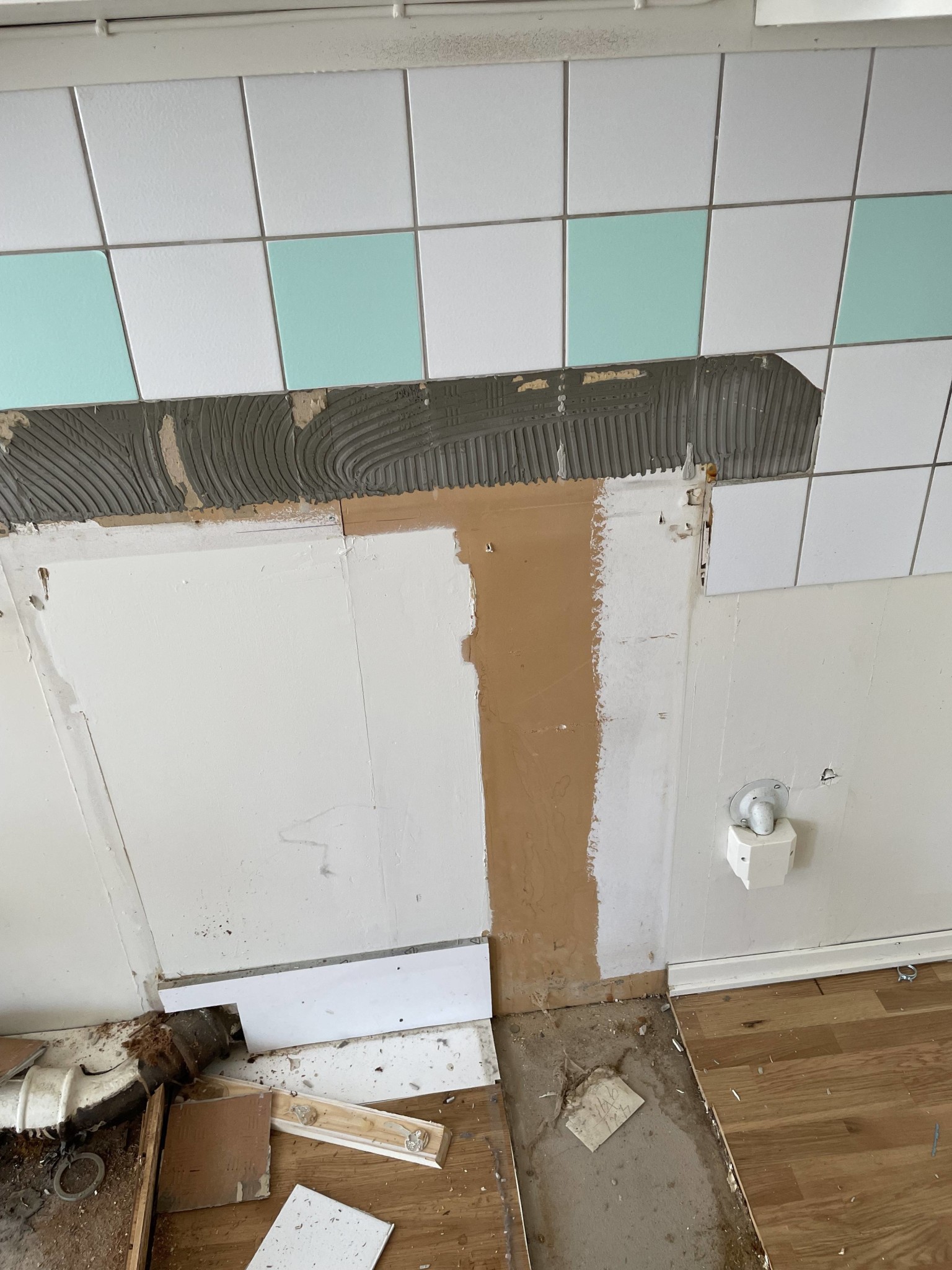
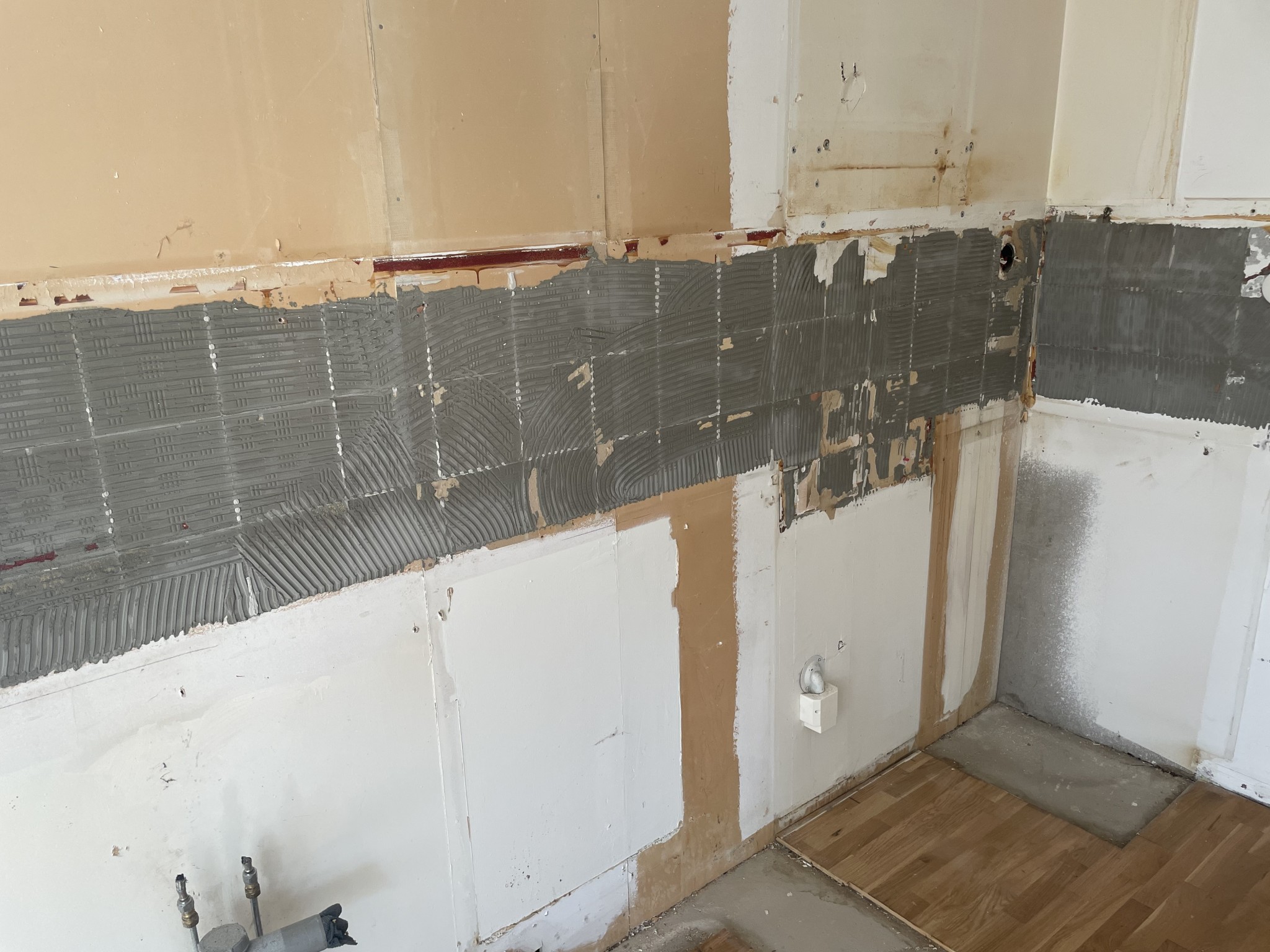
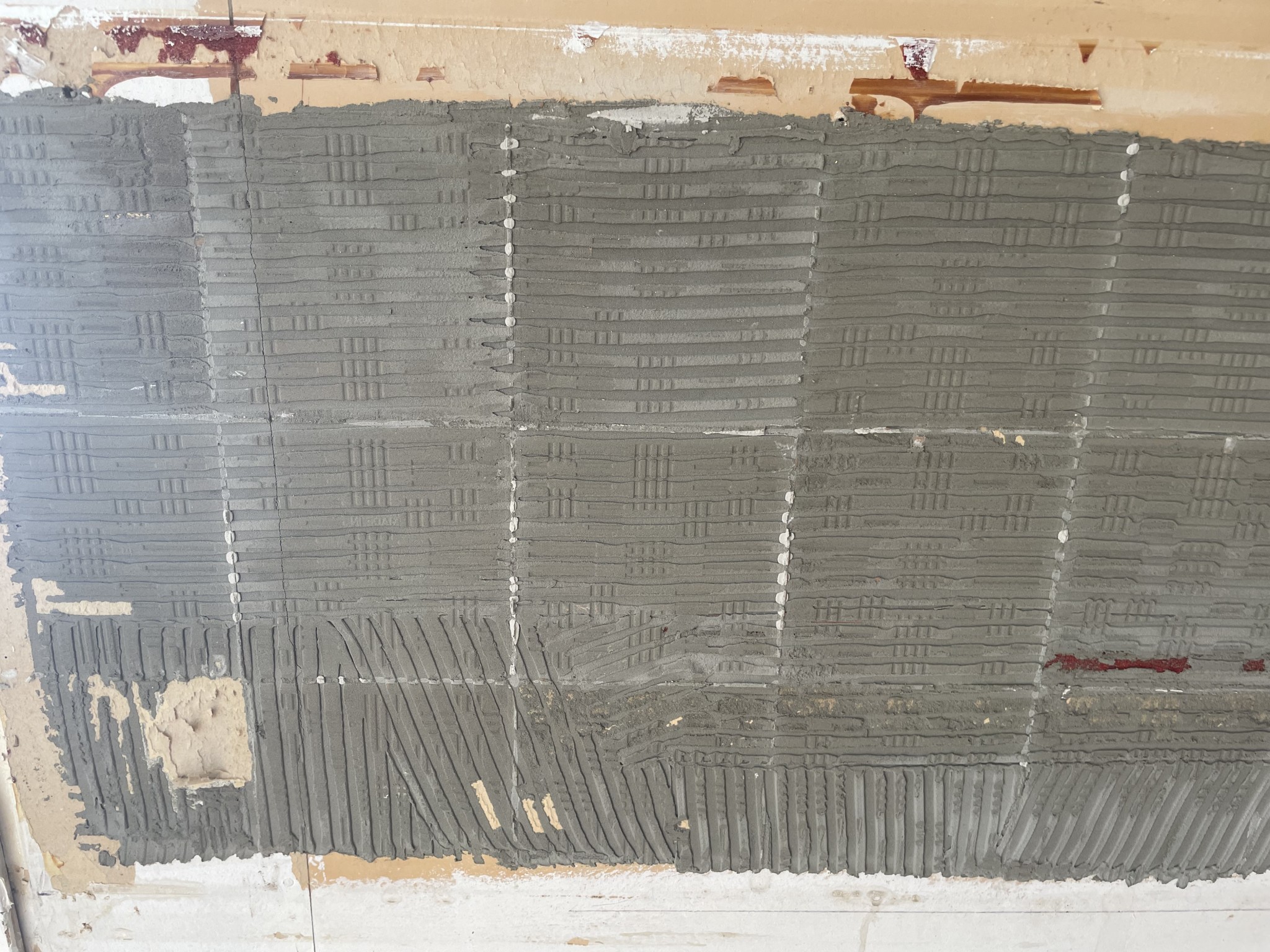
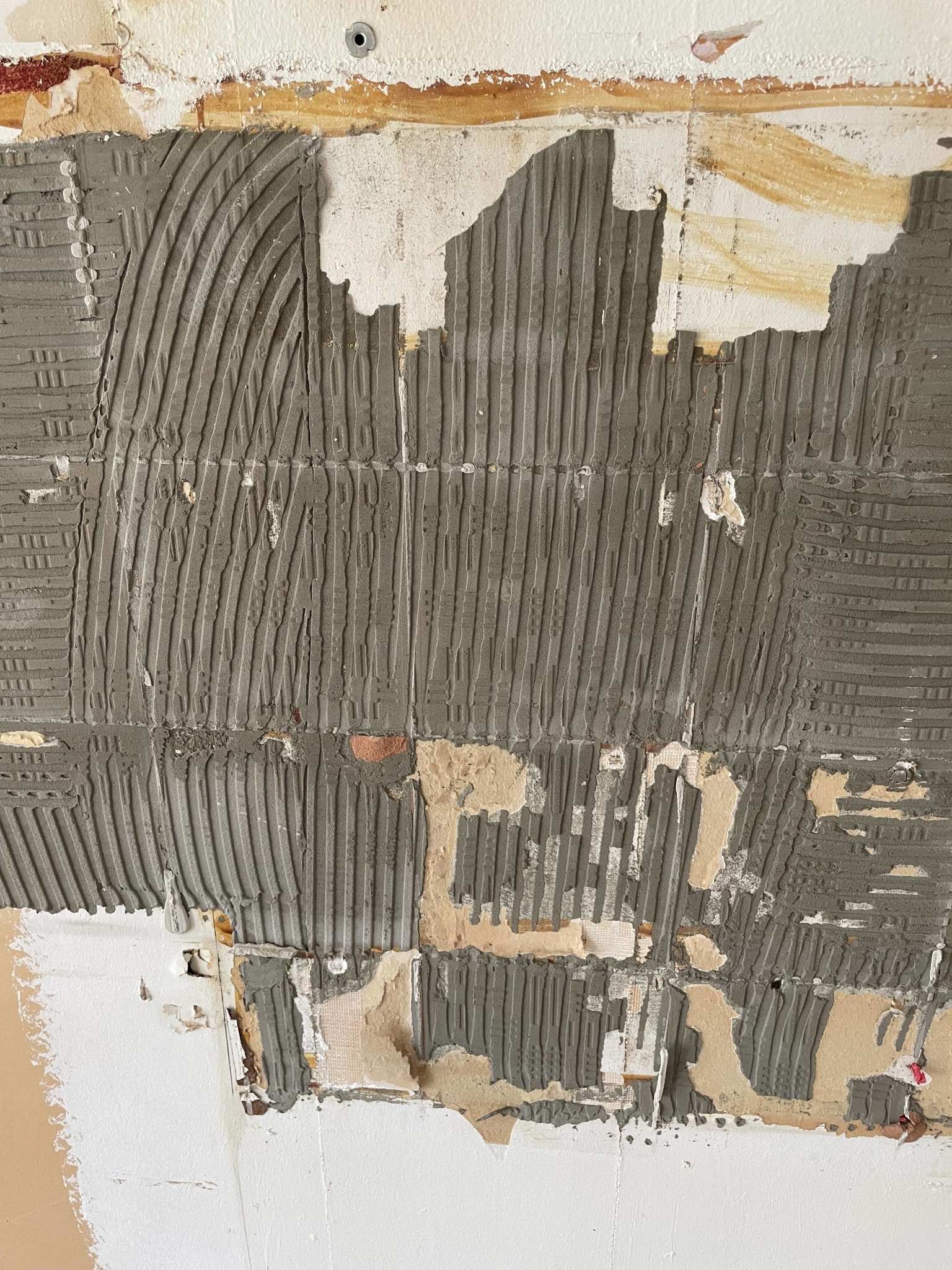
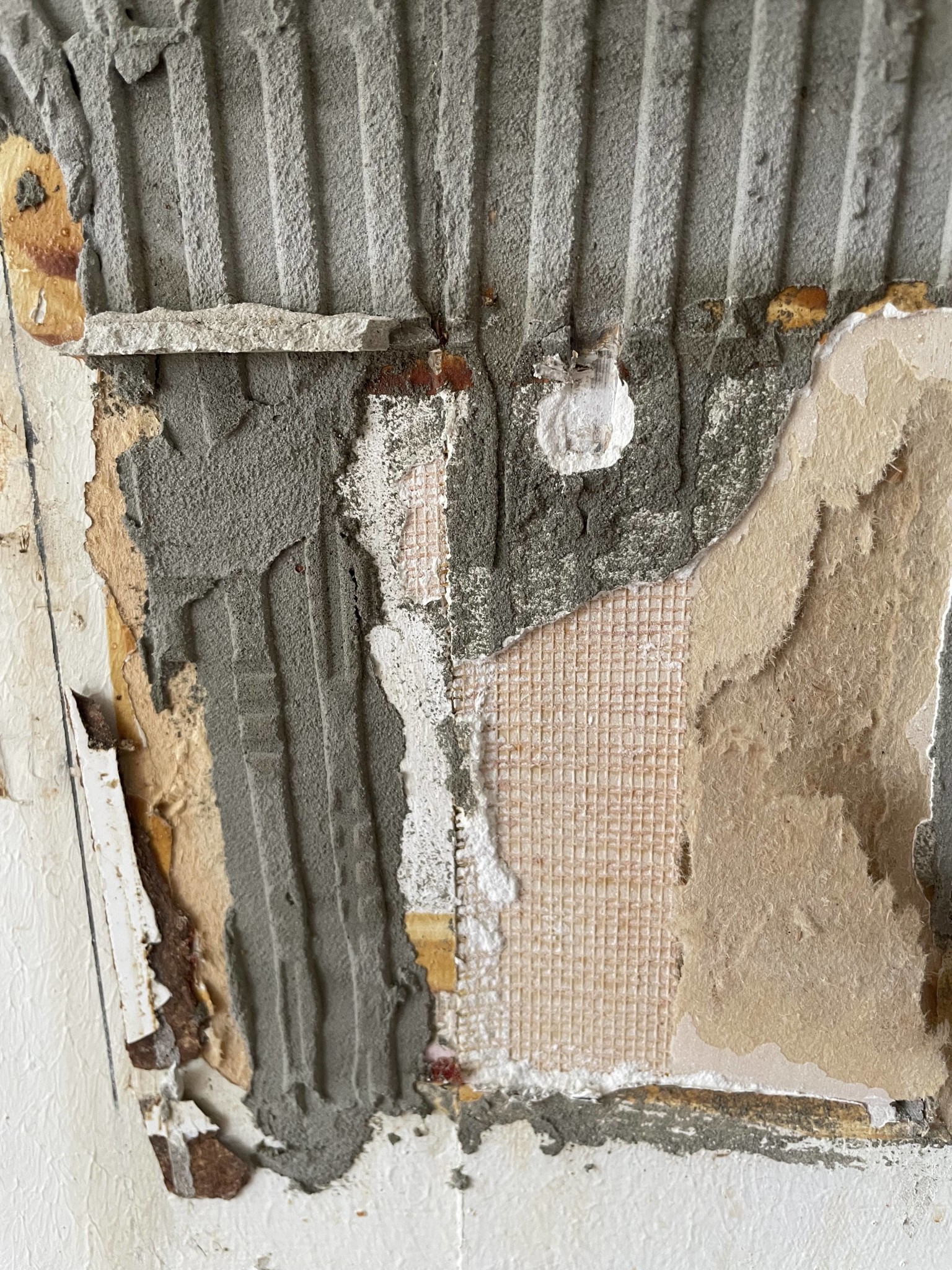
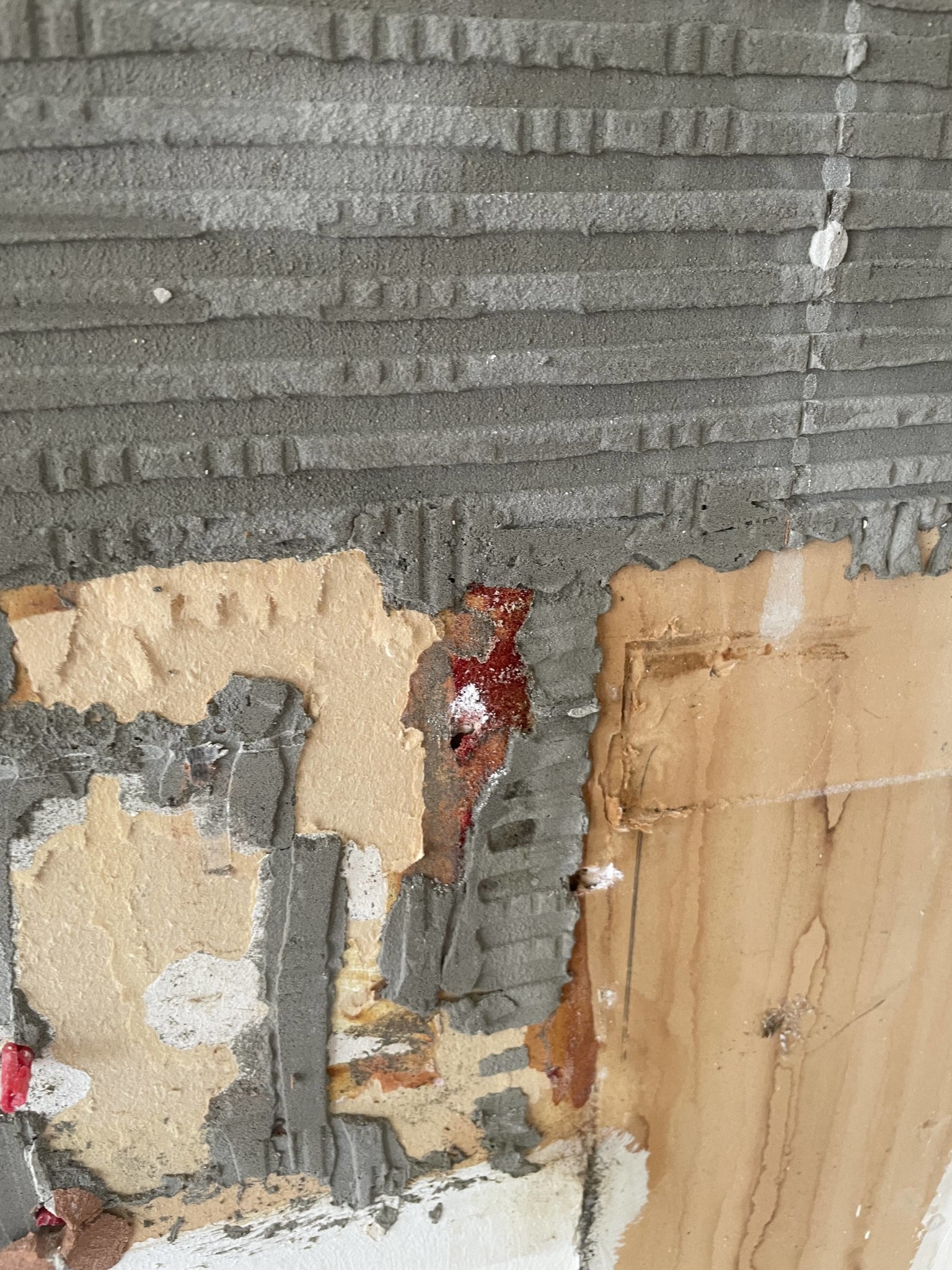
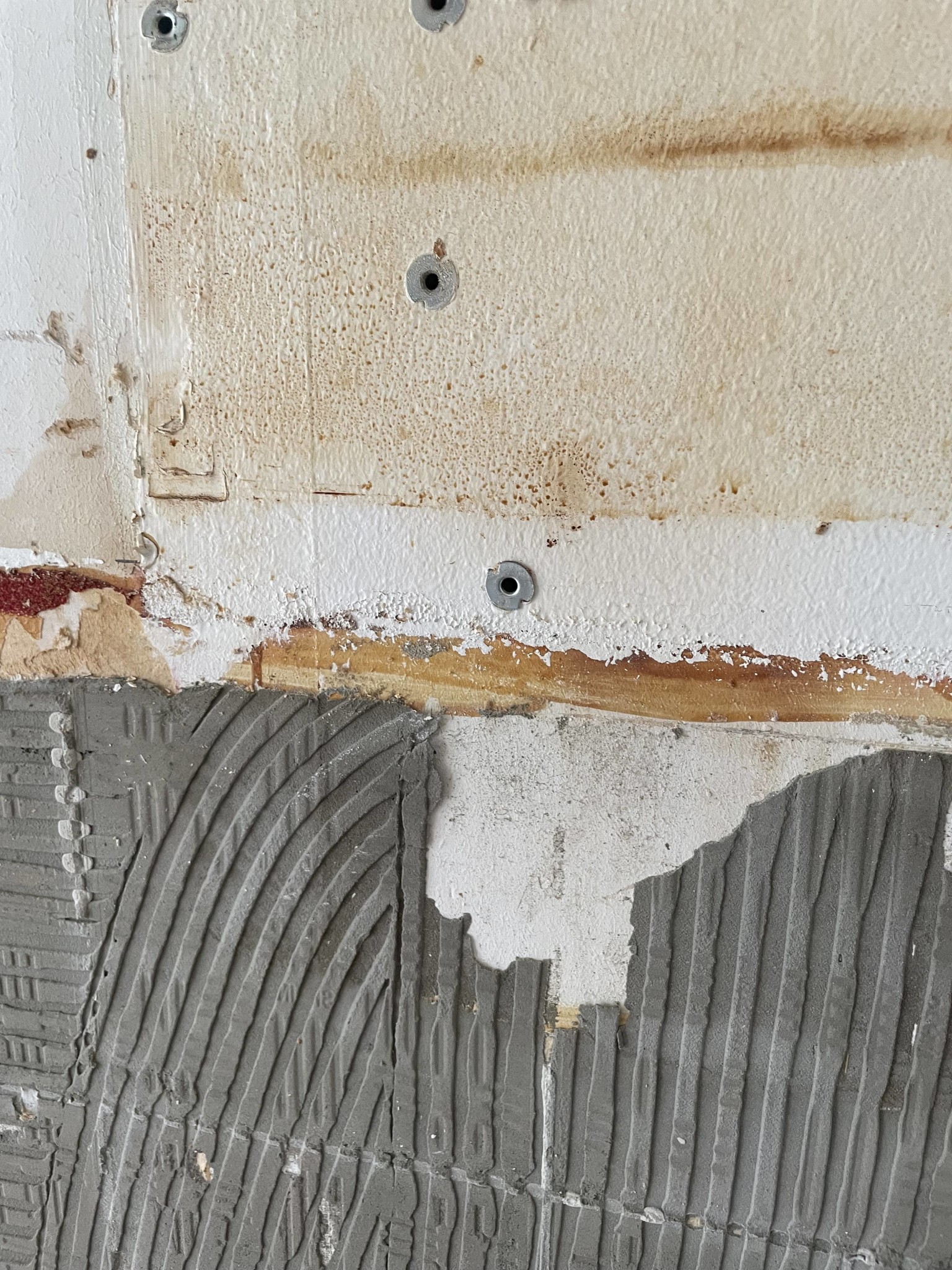
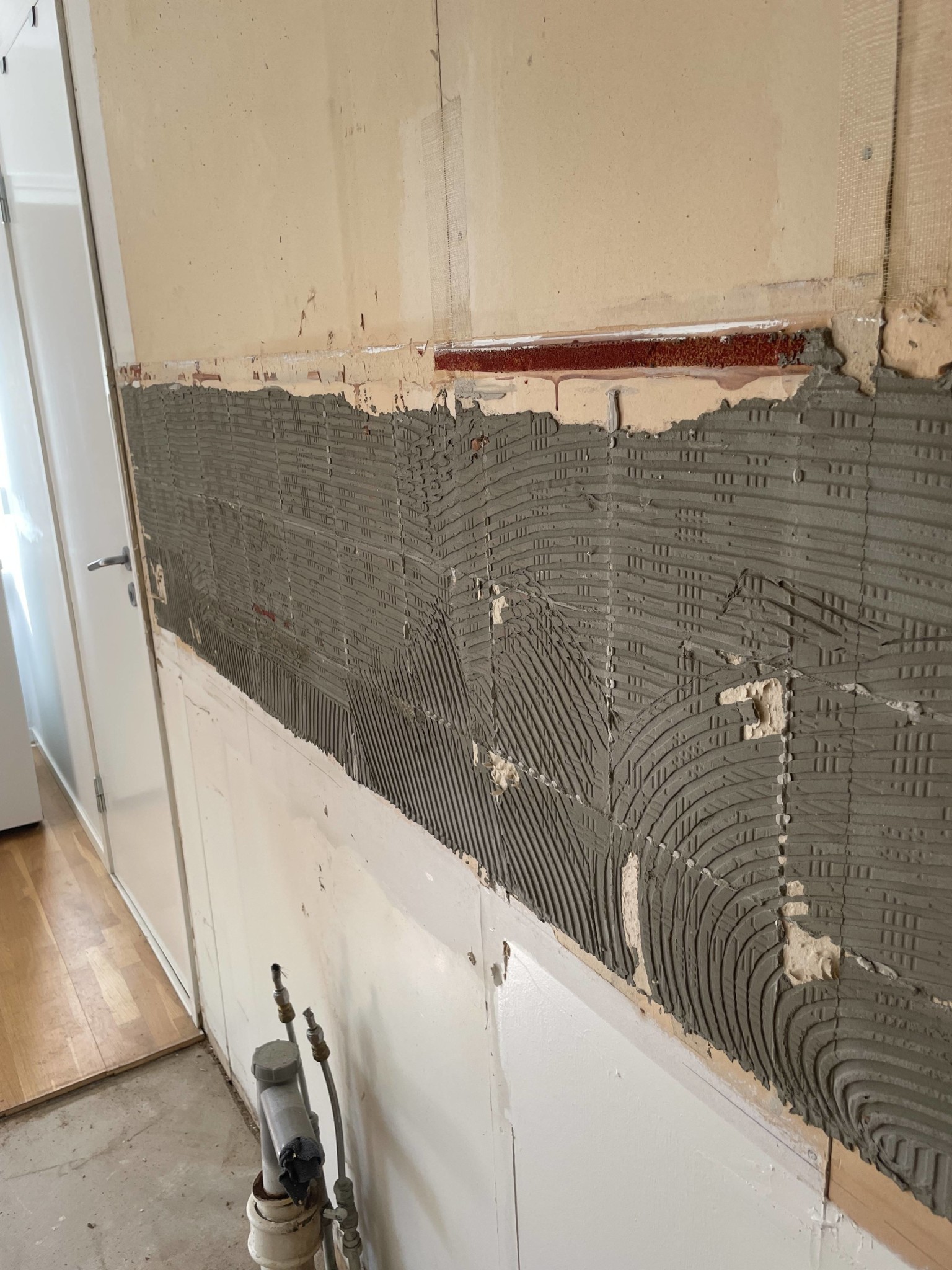
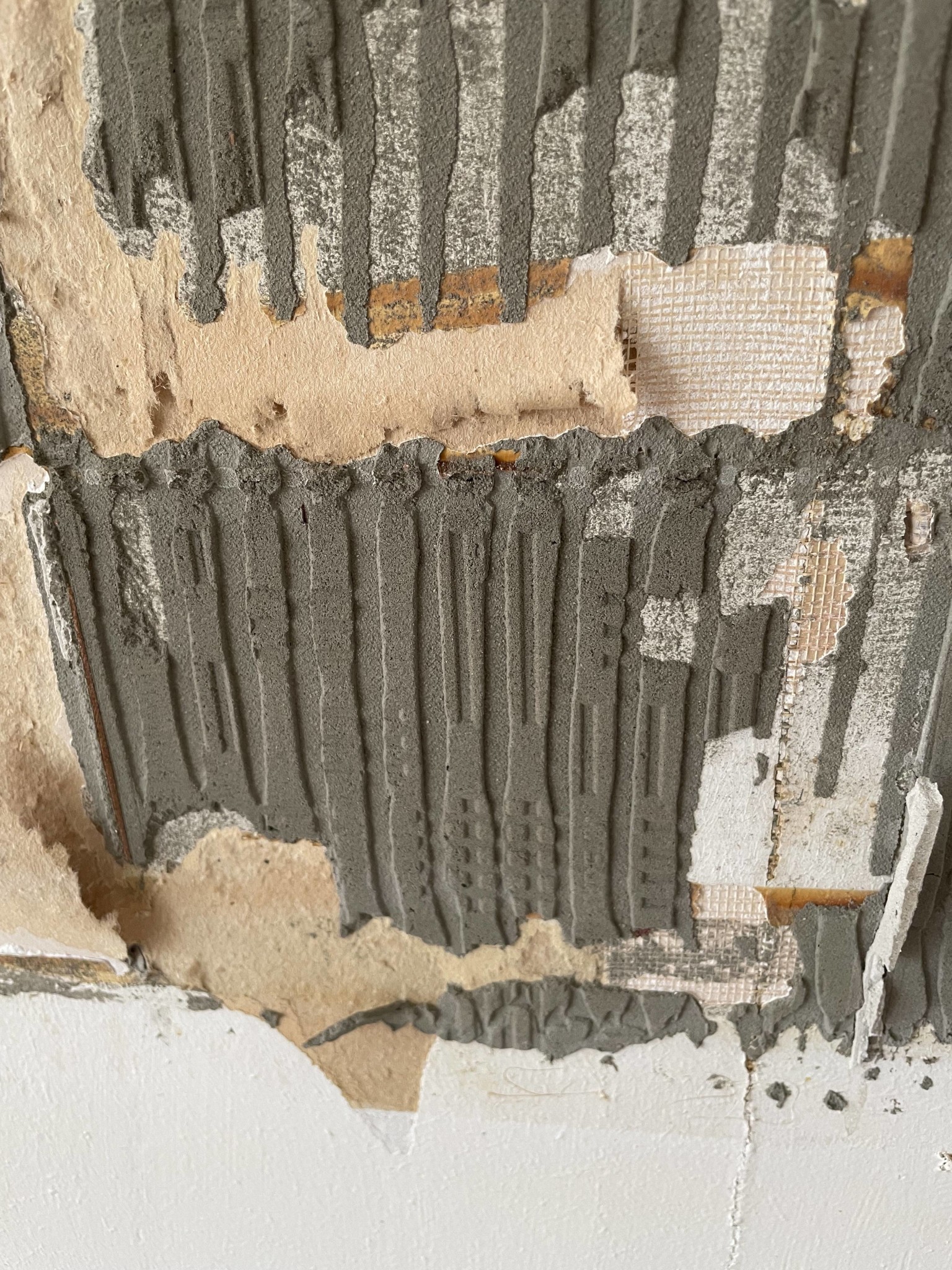
Now I see neither plaster nor OSB in the pictures. But if that's the case, there's absolutely no asbestos in the fix/grout. Neither plaster nor OSB was used during the time when asbestos was allowed. But if the tiles were installed after 1980, you can be completely calm. That's when it was banned. Even earlier, the more dangerous type was banned.
I'm unsure, so please excuse my ignorance, but I got the impression that it's OSB...uncertain. What else could it be? It sounds like "wood" when you knock through. Looks more like gypsumA AG A said:Now I don't see either gypsum or OSB in the pictures. But if that's the case, there's absolutely no asbestos in fix/grout. Neither gypsum nor OSB were used at the time when asbestos was allowed. But if the tile was installed after 1980, you can be completely calm. It was banned then. Even earlier, the more dangerous type was banned.
The building year is 1967.
Picture 4, 5, and the last picture...shows something that looks like cardboard.

Absolutely right, image 6 looks like plywood.T tergo said:
Image 7, expander, looks like plasterboard, you're also right about that. The question then is if the fix is new, i.e., after the 90s, and if an asbestos remediation might have been performed?
Thank you for your response. Are those regular plywood panels? If they are, is there a risk of asbestos since maybe plywood wasn’t used in 1967 and a while after?Stefan N said:
The fix doesn't look 56 years old. What do you think? I have never renovated before, hence my lack of knowledge. I hope my questions aren't bothersome!
So just plasterboards. Was that common in the past when building apartments? I assume it always has been, but do you think there's asbestos in the fix that is visible in the pictures?
What are your thoughts on the bathroom being renovated but not decontaminated? Is it then likely that the fix here in the kitchen does not contain asbestos?
I would appreciate input on the best way to take down the plasterboards. Do I need to decontaminate anything, possibly plastic wrap entrances to the kitchen, etc., and spray with water, use a disposable overall, etc.?
I don't think it looks like plasterboard at all, rather tretex, a type of fiberboard that was very common in the 60s. In my house from 1964, it's on almost all the walls. If it's from that time, there is a risk that there could be asbestos in the fixative. You can send a piece for testing. I don't know where, but it has been written about in several threads here on the forum. Search for asbestos, and you'll surely find it.
Thanks for your response. That might be right, it seems to be tretex. I had no idea what it was or what it's called, but a Google search showed tretex, and I think it looks like what's on the wall.TickyNucker said:
I don't think it looks like drywall at all, more like tretex, a type of fiberboard that was very common in the 60s. In my house from 1964, it's on almost all walls. If it's from that time, there's a risk it might contain asbestos in the fix. You can send a piece away for testing. I don't know where, but it has been discussed in several threads here on the forum. Search for asbestos, and you'll surely find something.
Does the tile adhesive look "new" or do you think it's old? The tile adhesive looks quite intact and not crumbled.
The building year is 1967.
I have sent a sample piece to a company, Evema. I will update the thread when I get the test results. But I would like to read more about what others think it is based on what's in the thread.
TS, what answer did you get on the test?Wan Webz said:
Thank you for your response. That might be correct, it seems to be tretex. I had no idea what it was or what it's called, but a Google search shows tretex and I think it looks like what is on the wall.
The tile adhesive, does it look "new" or do you think it's old? The tile adhesive looks quite intact and not crumbled.
The building year is 1967.
I have sent a sample to a company, Evema. I will update the thread when I get a response on the test. But I would like to read more about what others think it might be based on what's in the thread.
Click here to reply