Hi,
Finally time to create an account and ask a question on the forum
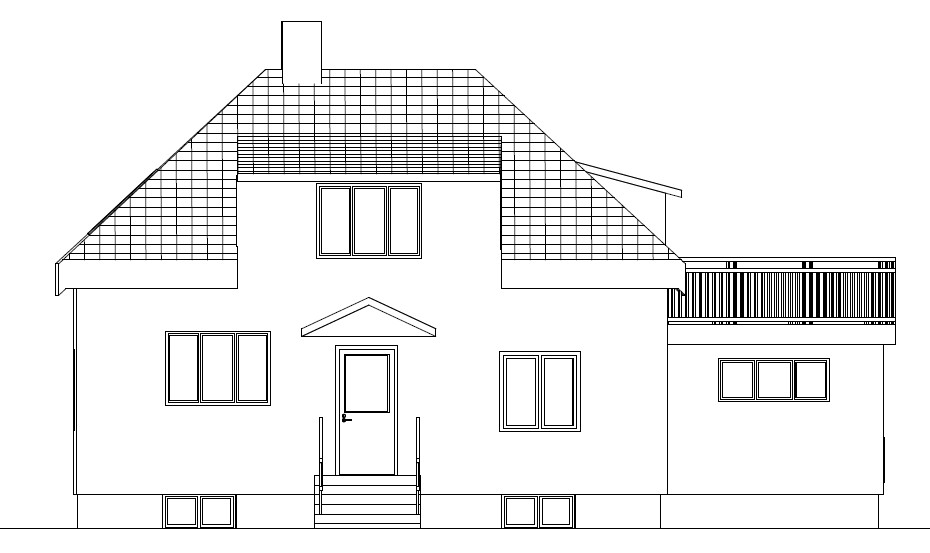
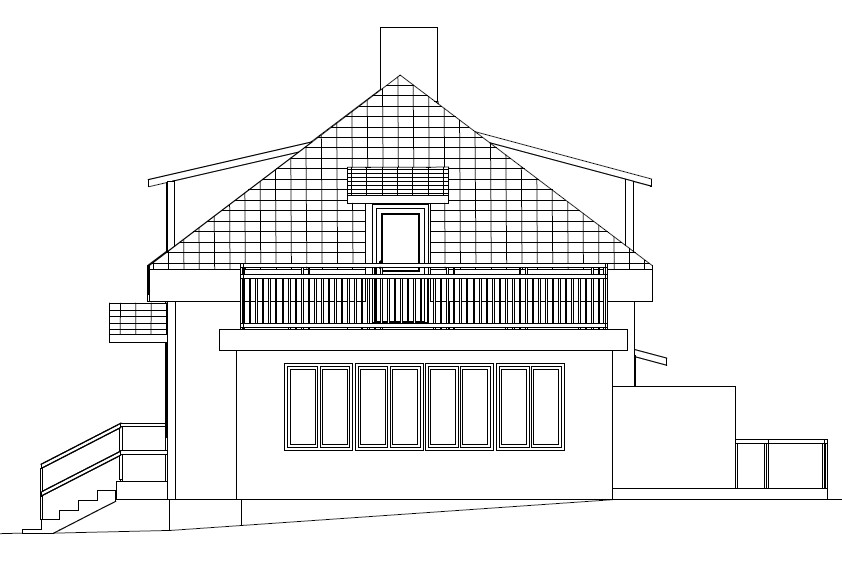
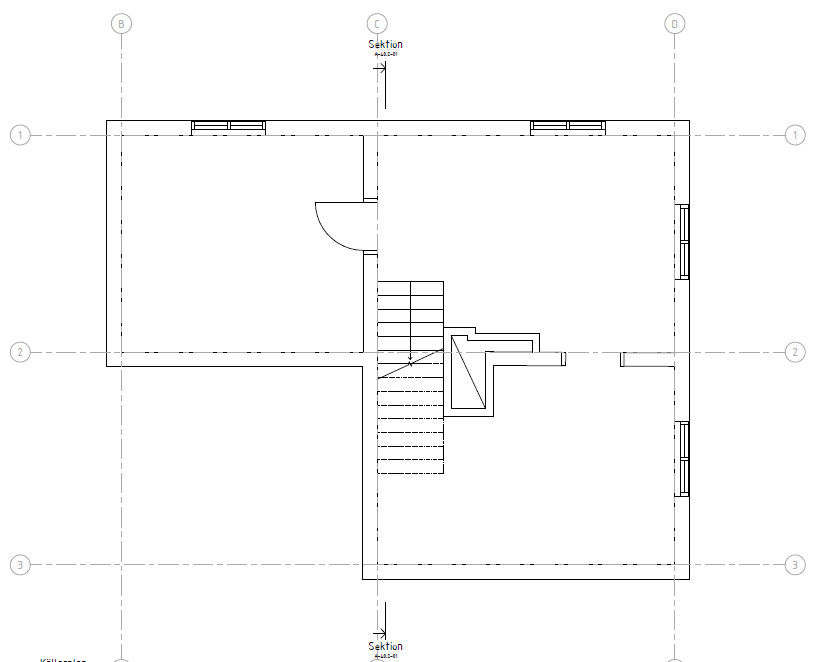
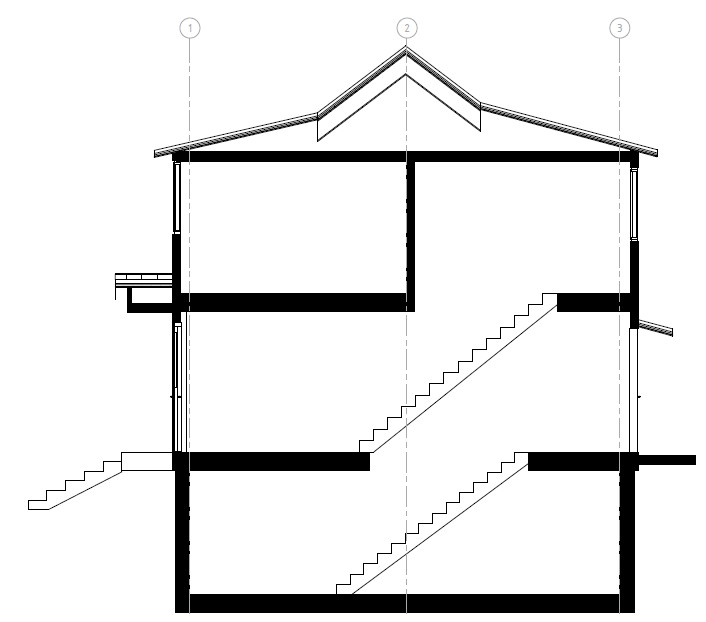
Ongoing renovation of a plank house from 1938. We're brainstorming possible minor changes to the layout. I actually have two separate questions and have attached a bunch of drawings as a basis (unfortunately there are no original drawings).
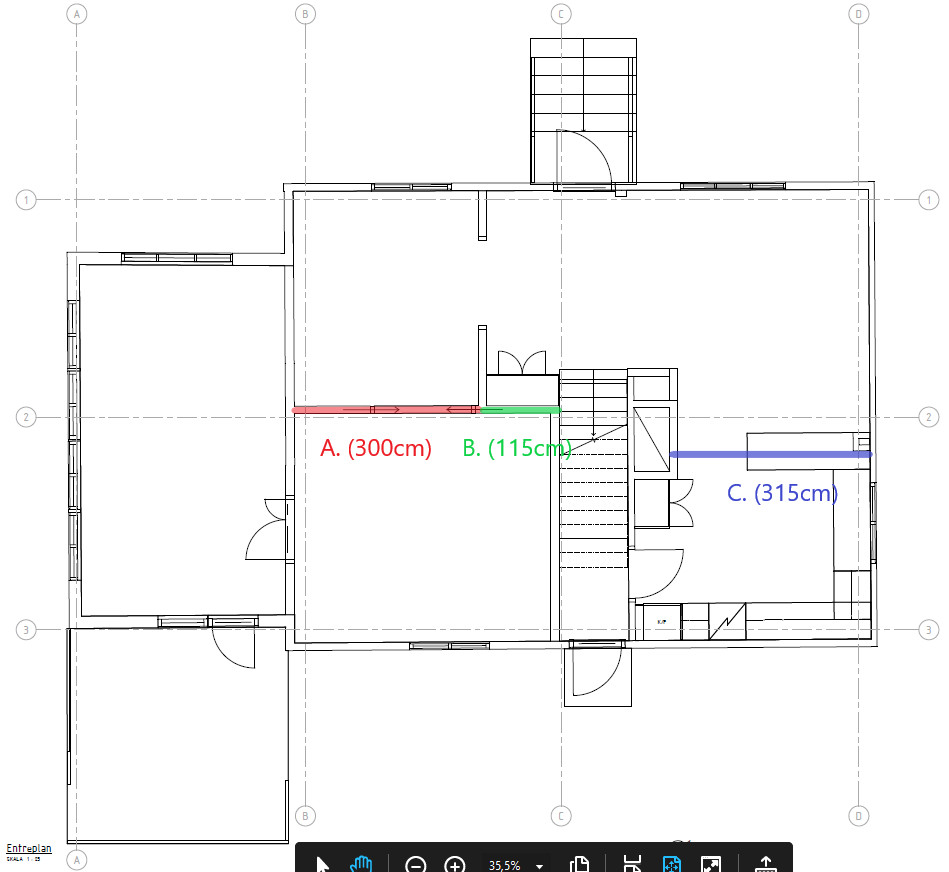
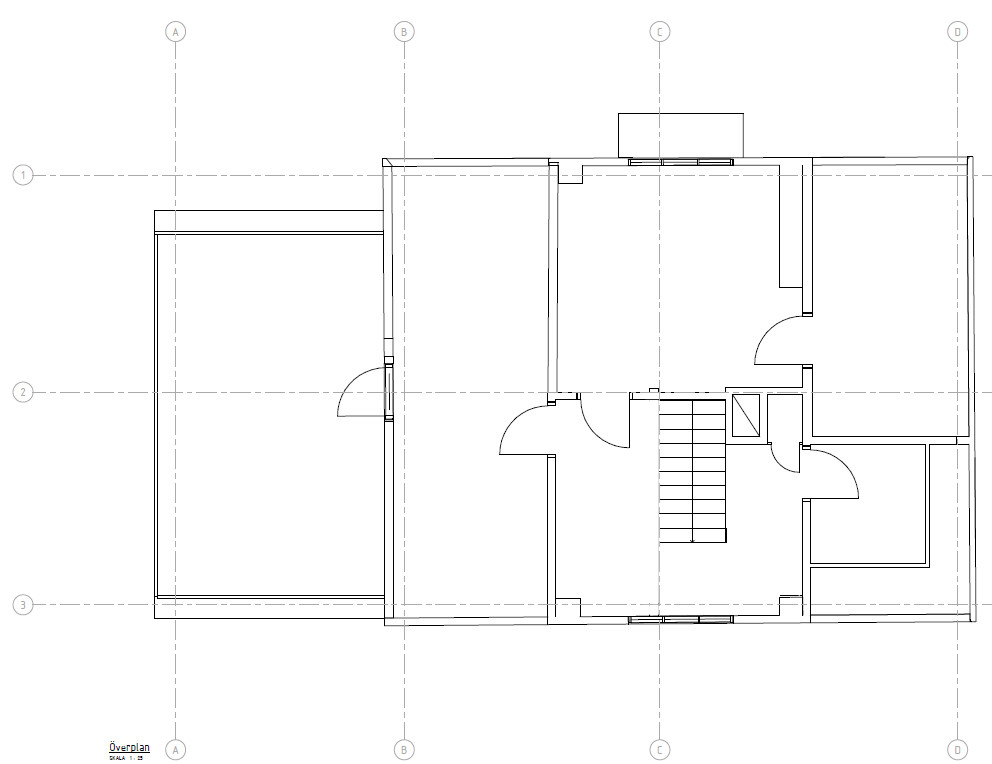
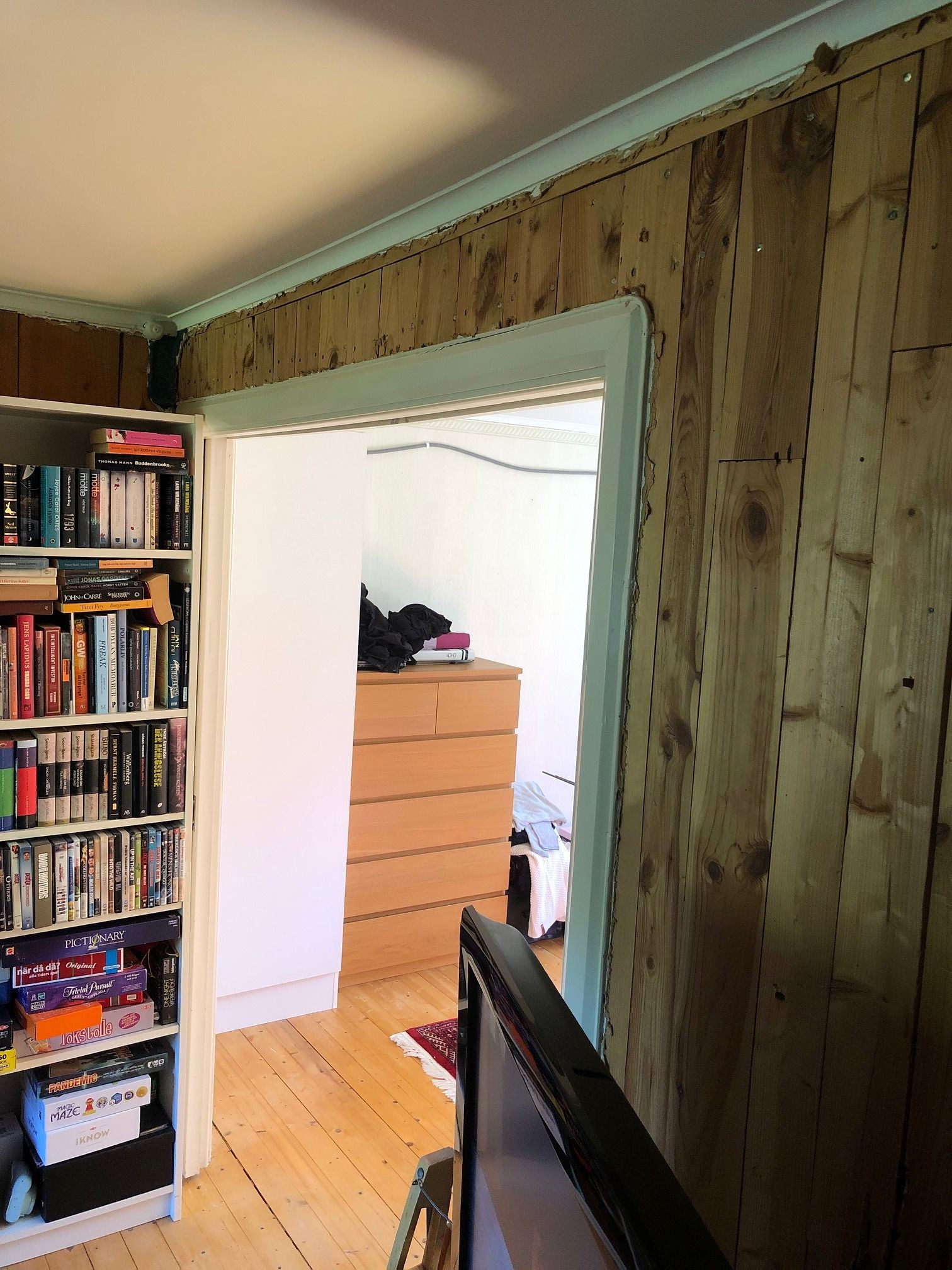
1. The wall marked A and B in the ground floor plan, we're considering the possibility of moving it a meter downwards in the image. Alternatively, just moving down the part marked B to make space for a small toilet next to the stairs. The wall is "hollow" for a sliding door today (see also picture of the wall). Is it a reasonable idea to move the wall? Should it be supported in some way?
2. The line marked C represents a wooden beam, presumably installed by previous owners after a wall was removed. The beam is 95mm wide (looks like two glued pieces at 47.5 mm each), I don't know the height but the visible protruding part is 110mm. The visible length is 315 cm (it goes into the chimney which is hidden behind a newer brick wall). The sagging is approximately ~20mm in the middle. Is this cause for concern?
Thanks!
/Eric
I think 20mm is quite a lot of deflection on a 3m long beam. That corresponds to around L/160, when designing one often wants to limit it to at least L/300. However, it was a bit unclear exactly how far it was between the supports. If the beam carries load from the roof, the deformation will be even greater when you get snow on the roof.
Click here to reply
Vi vill skicka notiser för ämnen du bevakar och händelser som berör dig.