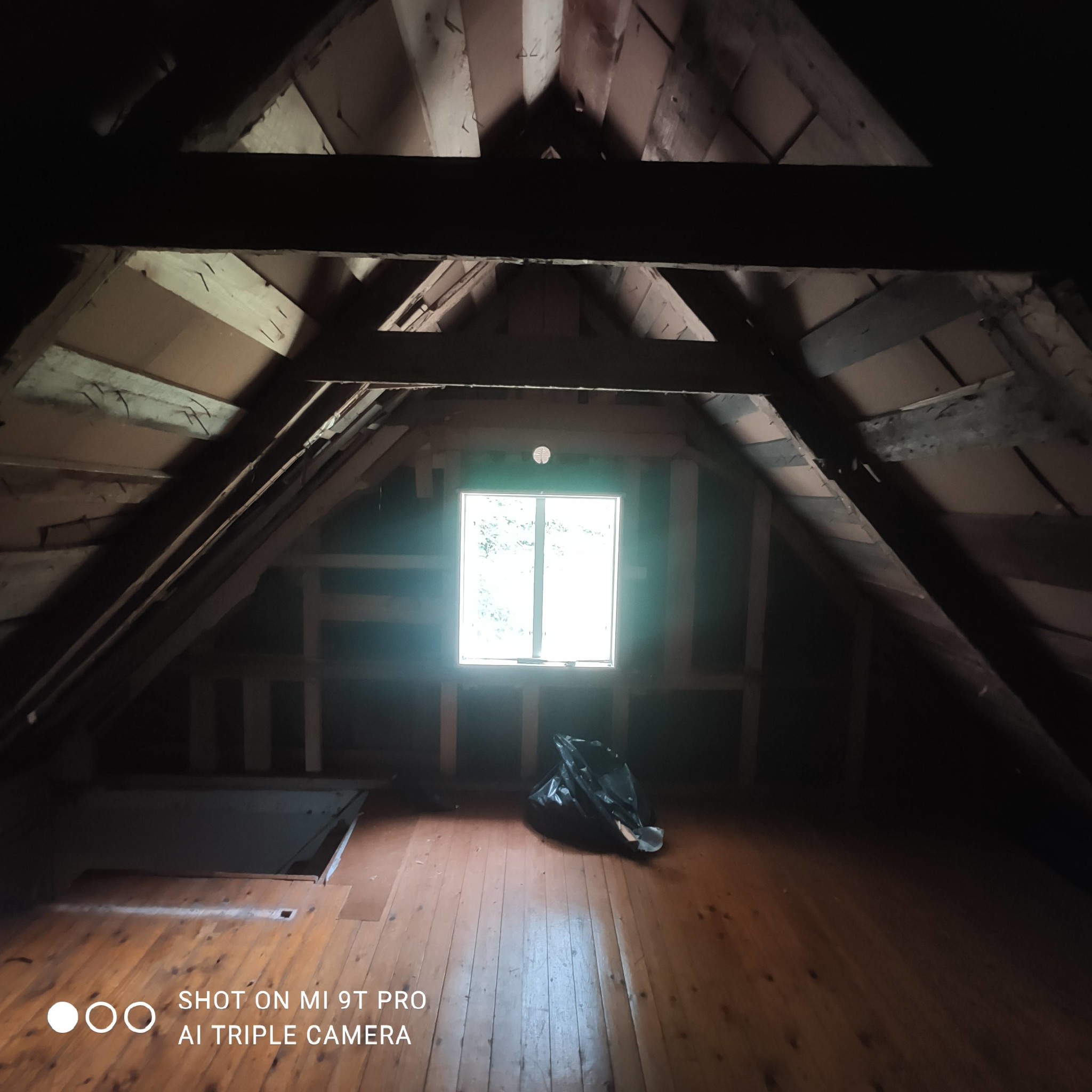
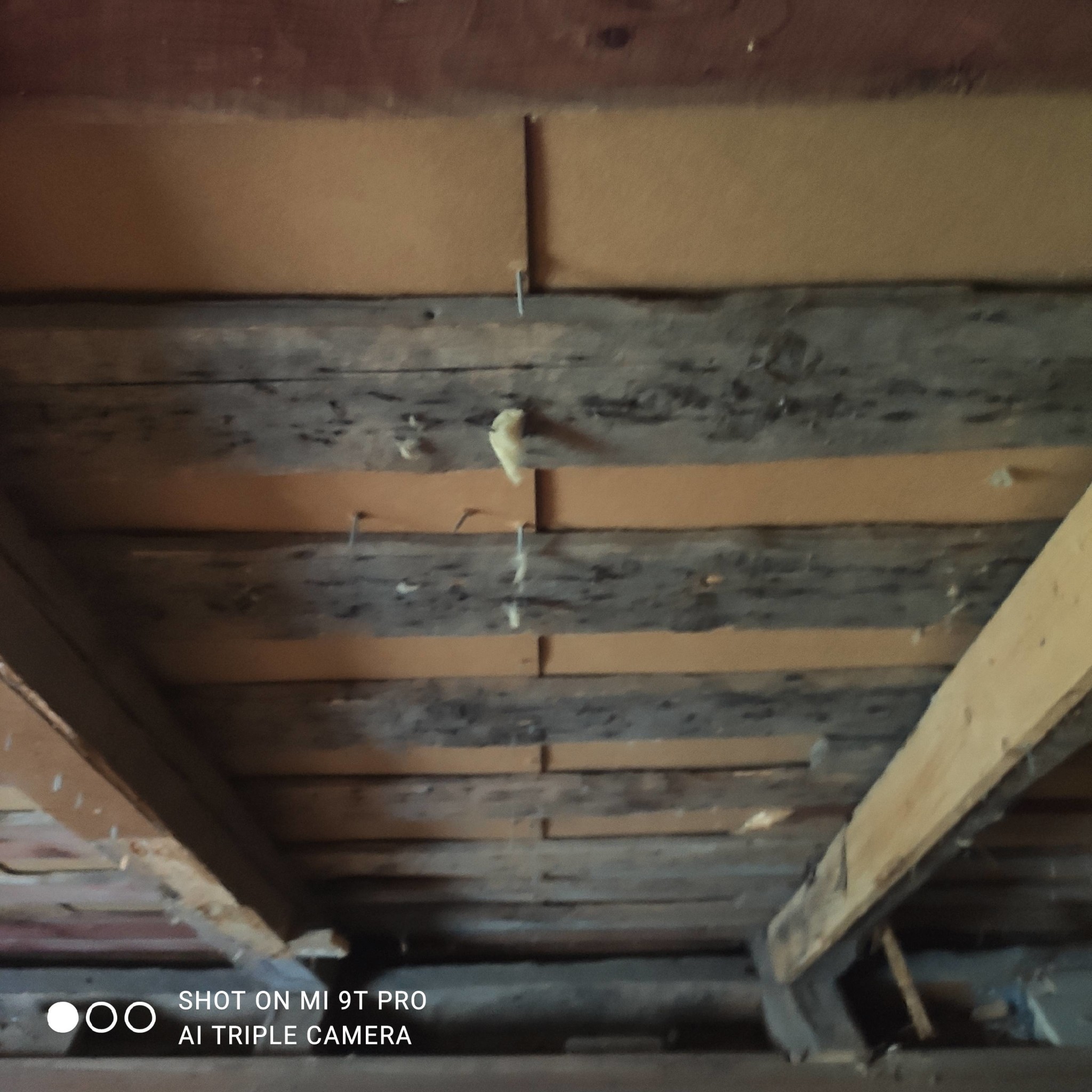
Hello, the attic will now be renovated and additionally insulated in an old 1800s cottage. The attic has an area of approximately 7x5 m with 3 m to the ridge.
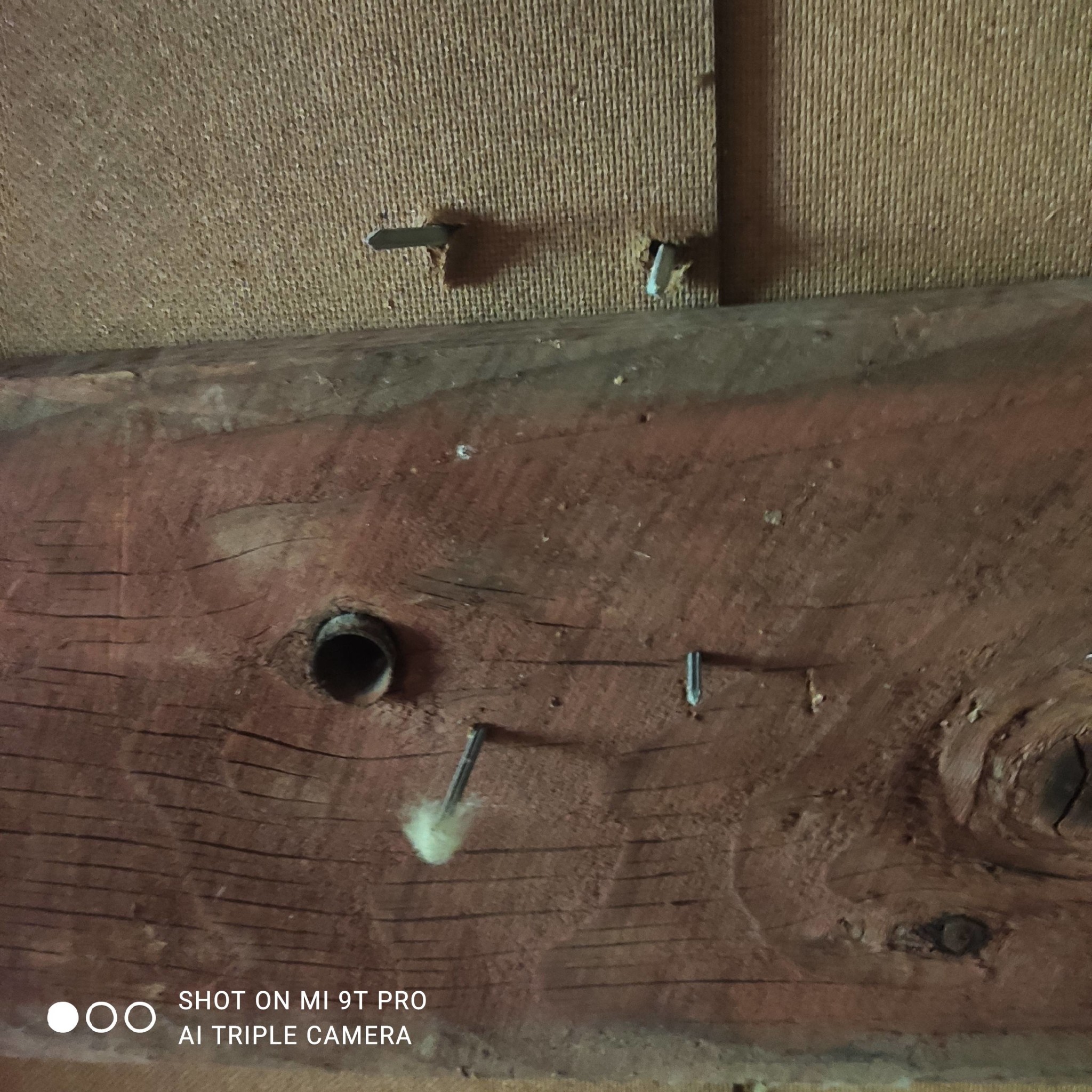
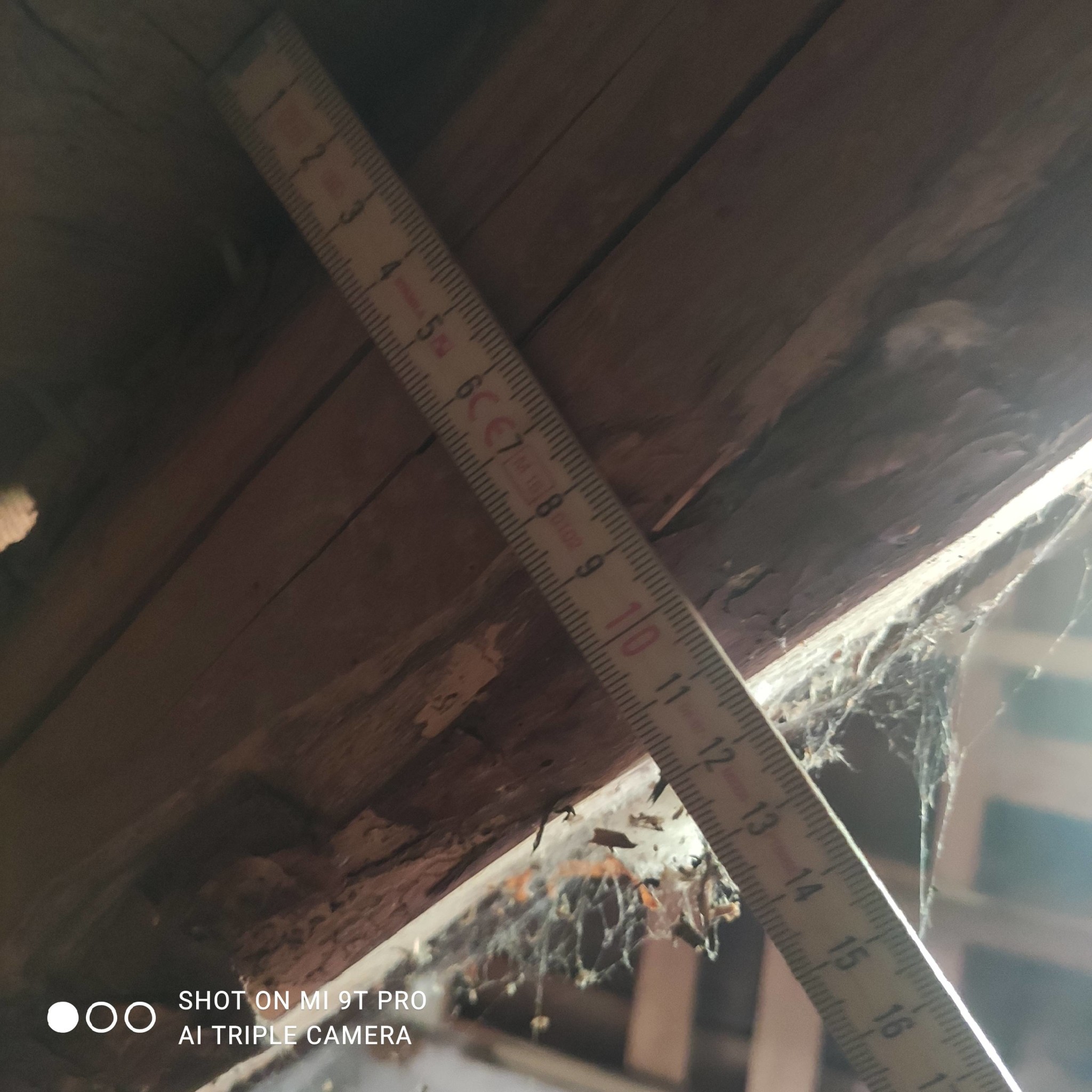
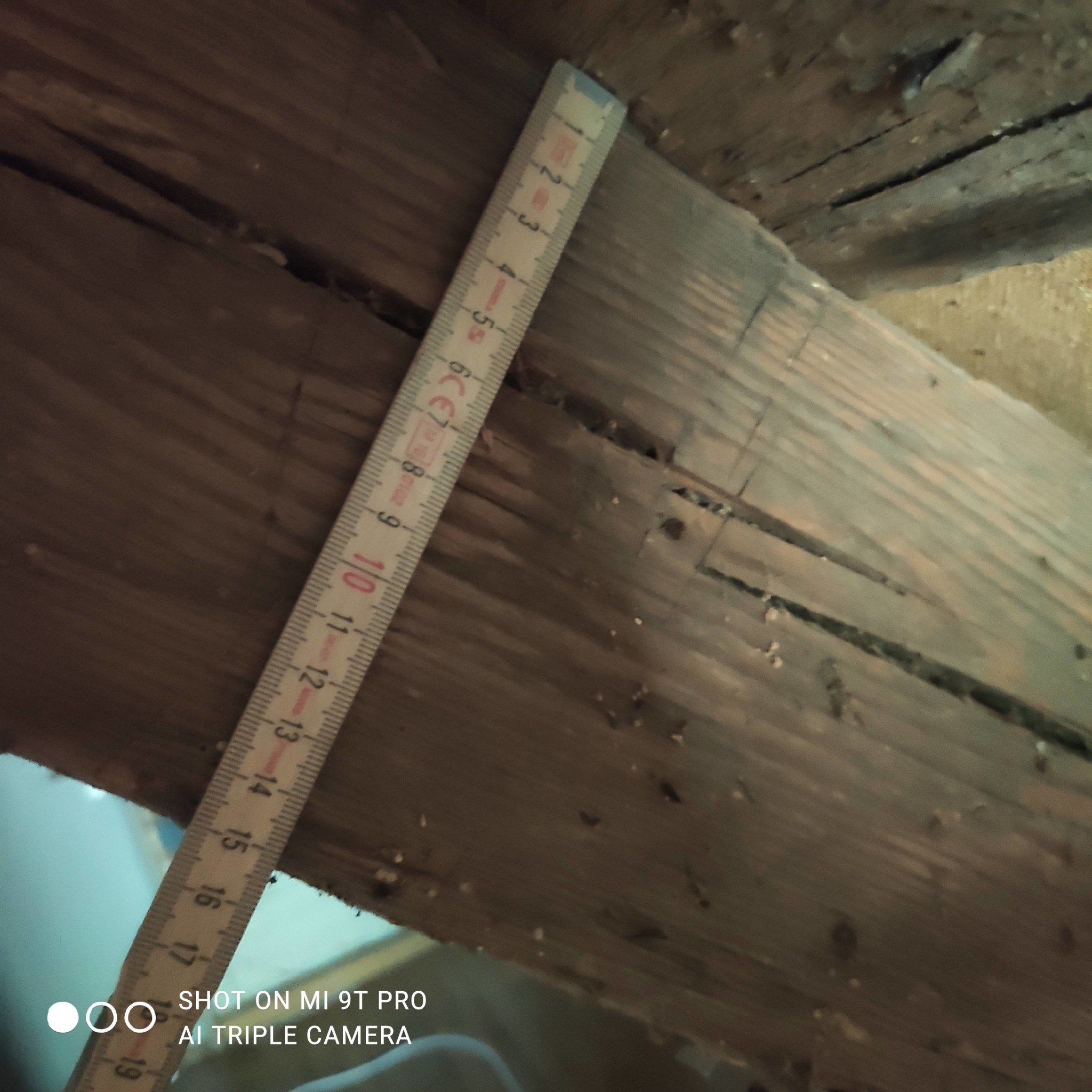
The roof structure is a gabled construction with varying dimensions between 120-150mm where they probably removed the intermediate collar beams to make the space more habitable, then covered it with some more modern variant of tongue and groove. The outer roof consists of tiles on battens, above masonite boards laid on widely spaced planks.
As mentioned, the attic will be insulated with the significantly more environmentally friendly, moisture-buffering, and traditional natural material cellulose, like isocell or hunton sheets.
The question I face is whether to build with 220 studs around existing rafters or possibly 170-195 + horizontal 95 studs to eliminate thermal bridges and then cover with tongue and groove. This option will provide good insulation but at the same time consume a lot of living space.
The second alternative would be to reduce the insulation and build a framework between the rafters covered with a sheet, making the old rafters visible, which frees up a lot of space while also looking a bit "cool." The only issue is with the intended 25mm batten-built air gap and wind barrier plus a thin sheet innermost in the room, there wouldn't be much insulation left, especially between the thinner beams. Now, I've talked to several people in the insulation industry who claim that if I use a variable diffusion-open membrane like isover vario extra in combination with moisture-buffering insulation materials like cellulose, and since the roof lacks roofing felt that traps moisture, using masonite boards, you can skip the air gap and press the insulation against the underroof, which would allow for a bit more insulation. The construction in the different alternatives would look as follows:
Alt 1: outer roof (consisting of tiles, battens, masonite, planks) + air gap (battens, wind barrier) insulation and studs + diffusion-open membrane + tongue and groove.
Alt 2: outer roof, with or without air gap, as well as insulation and intermediate framework + vapor barrier and sheet.
The house is otherwise an uninsulated log house heated by a wood stove but will be complemented by air heating. Additionally, the house may later only be used as a holiday home. The house is located in climate zone Halland.
I would be very interested in what people on the forum think about the dimensions and insulation thickness, as well as moisture migration with or without an air gap and possibly what would be a culturally appropriate covering for the ceiling?