
Hi, this concerns the inside of an exterior wall 1m above ground where we've noticed a "damp" smell.
The construction before demolition was particleboard, wooden studs with regular yellow insulation in between. What we noticed was that behind the insulation there was a tiled wall, and the insulation was directly against the tiles. I thought both the insulation and studs smelled bad. Additionally, there was some discoloration on the particleboard and studs closest to the outer corner of the house.
Measured with a moisture meter on the tiles and it was high humidity.
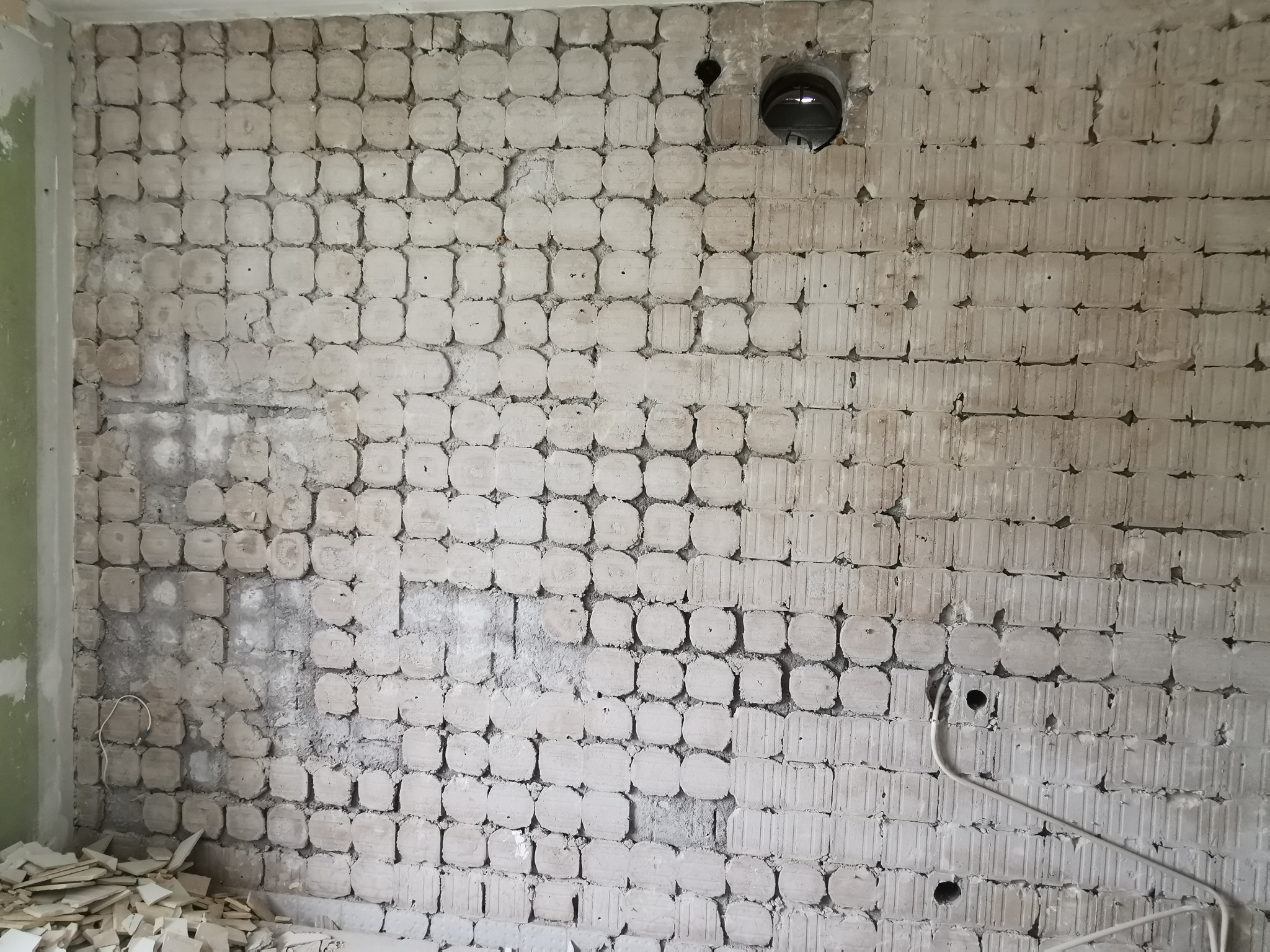
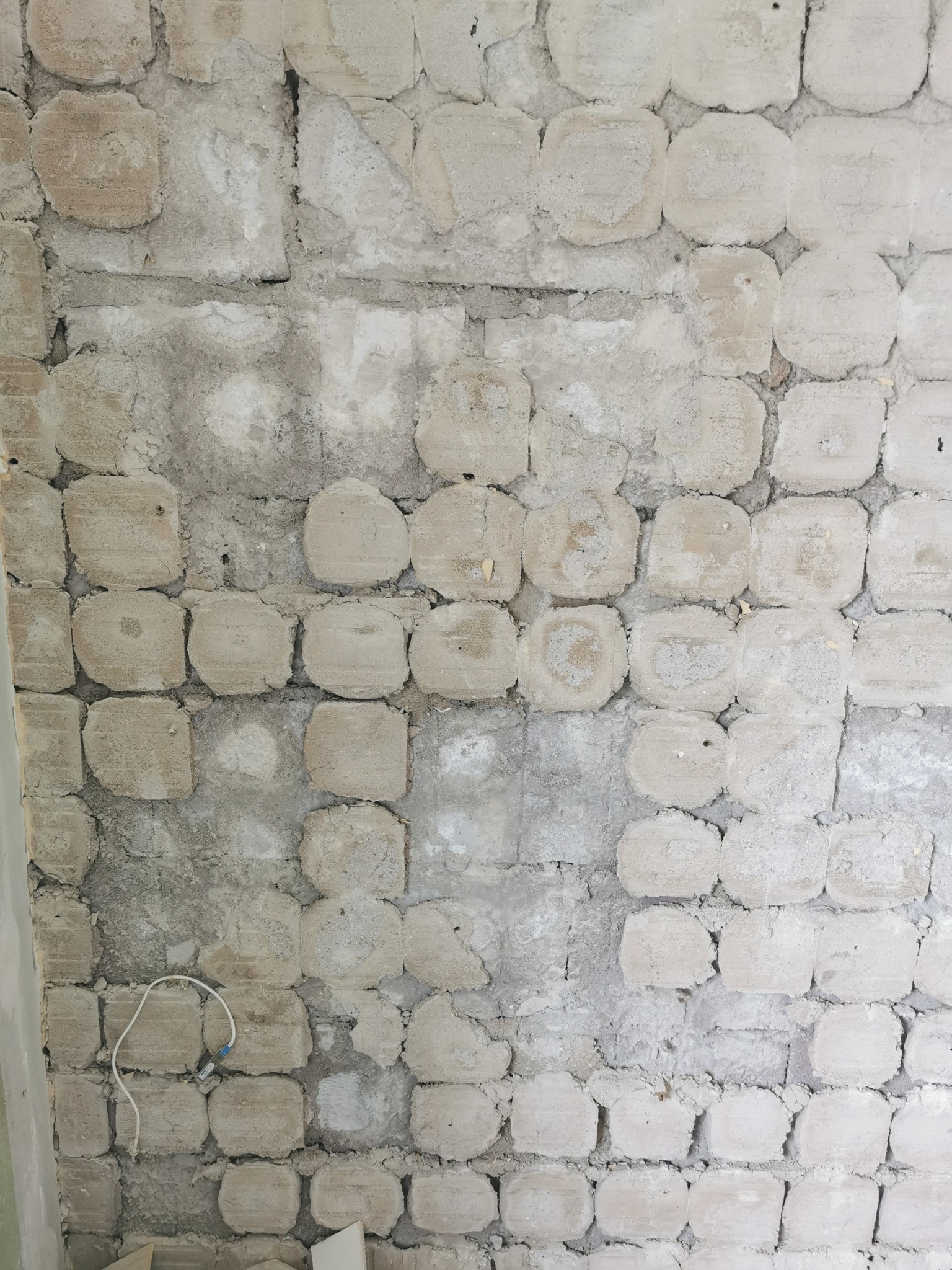
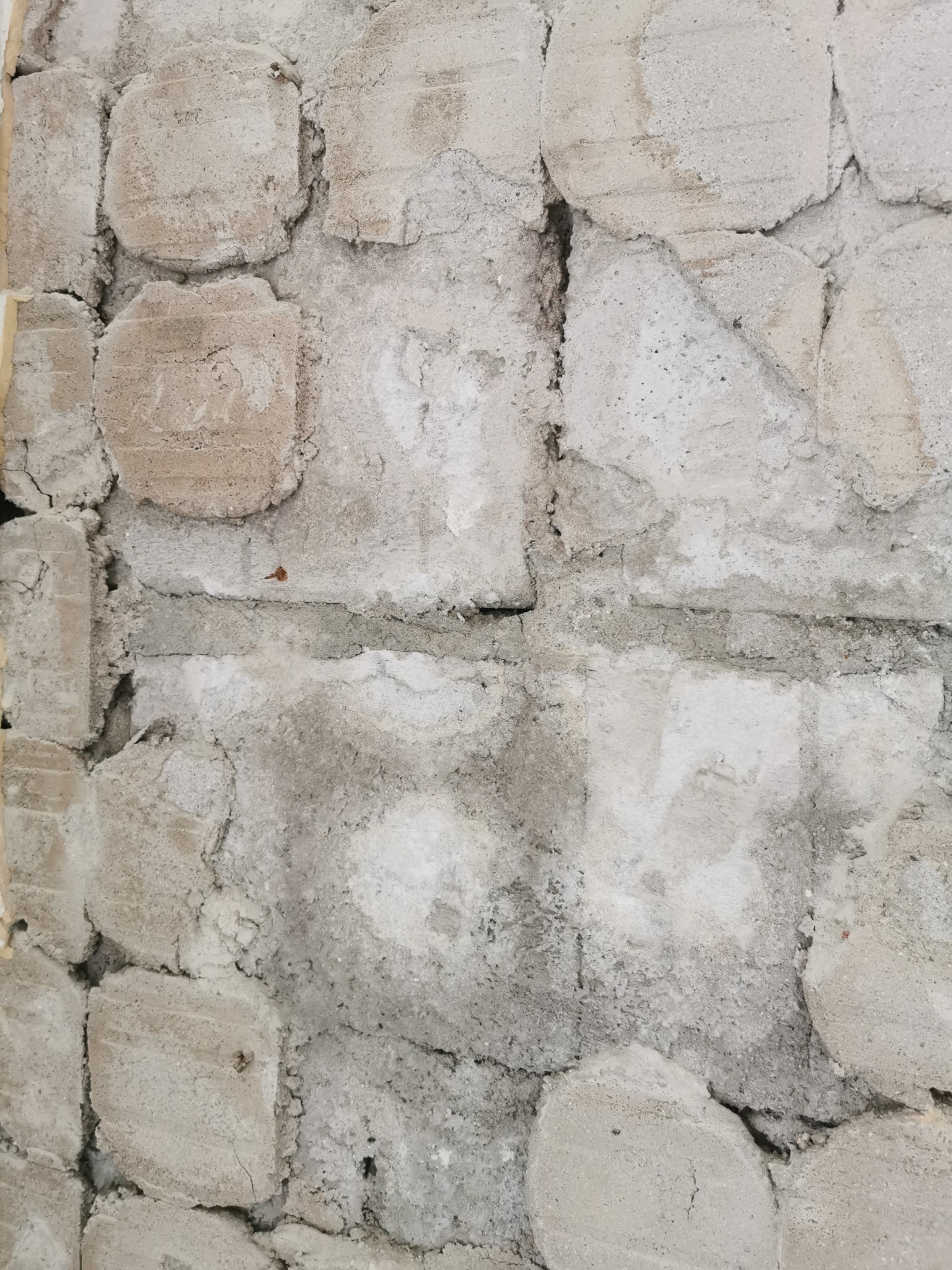
Now we have removed the tiles and some adhesive has come off since it was poorly attached.
As you can see in the picture, the adhesive looks considerably better the further from the corner you get. I don't know if it's the tiler who didn't make enough effort when this was done or if it's a result of moisture that has worn away the adhesive.
Need tips on how we can rebuild the interior wall in the best way to minimize moisture.
1. Remove all the adhesive?
2. Preferably skip insulation as I understand it poses risks.
3. Moisture barrier?
Grateful for all help.
The construction before demolition was particleboard, wooden studs with regular yellow insulation in between. What we noticed was that behind the insulation there was a tiled wall, and the insulation was directly against the tiles. I thought both the insulation and studs smelled bad. Additionally, there was some discoloration on the particleboard and studs closest to the outer corner of the house.
Measured with a moisture meter on the tiles and it was high humidity.
Now we have removed the tiles and some adhesive has come off since it was poorly attached.
As you can see in the picture, the adhesive looks considerably better the further from the corner you get. I don't know if it's the tiler who didn't make enough effort when this was done or if it's a result of moisture that has worn away the adhesive.
Need tips on how we can rebuild the interior wall in the best way to minimize moisture.
1. Remove all the adhesive?
2. Preferably skip insulation as I understand it poses risks.
3. Moisture barrier?
Grateful for all help.
Is it a bathroom or kitchen we're talking about?M meckarn said:Hi, this concerns the inside of an exterior wall 1m above ground where we have experienced a "damp" smell.
The construction before demolition was chipboard, wooden studs with regular yellow insulation in between. What we noticed was that under the insulation there was a tiled wall and the insulation was directly against the tiles. I thought both the insulation and studs smelled bad. Additionally, there was some discoloration on the chipboard and studs closest to the outer corner of the house.
Measured with a moisture meter on the tiles and it had high moisture content.
Now we have removed the tiles and some of the adhesive came off because it was poorly attached.
As you can see in the picture, the adhesive looks significantly better the further from the corner you get. I don't know if it's the tiler who didn't put in enough effort when this was done or if it's a result of moisture that has worn away the adhesive.
Need tips on how we can rebuild the interior wall in the best way to minimize moisture.
1. Remove all the adhesive?
2. Prefer to skip insulation since I understand it poses risks.
3. Moisture barrier?
Grateful for all help.
I assume there's additional insulation behind the tiles? What is there behind the tiles? Is there a vapor barrier there?
This is a bedroom. From what I understand, the building used to be some kind of store. Hence the tiling. Later, it was additionally insulated on top of the tiles. So no, no insulation behind the tiles, just masonry "stones."T Tompafix said:
Click here to reply