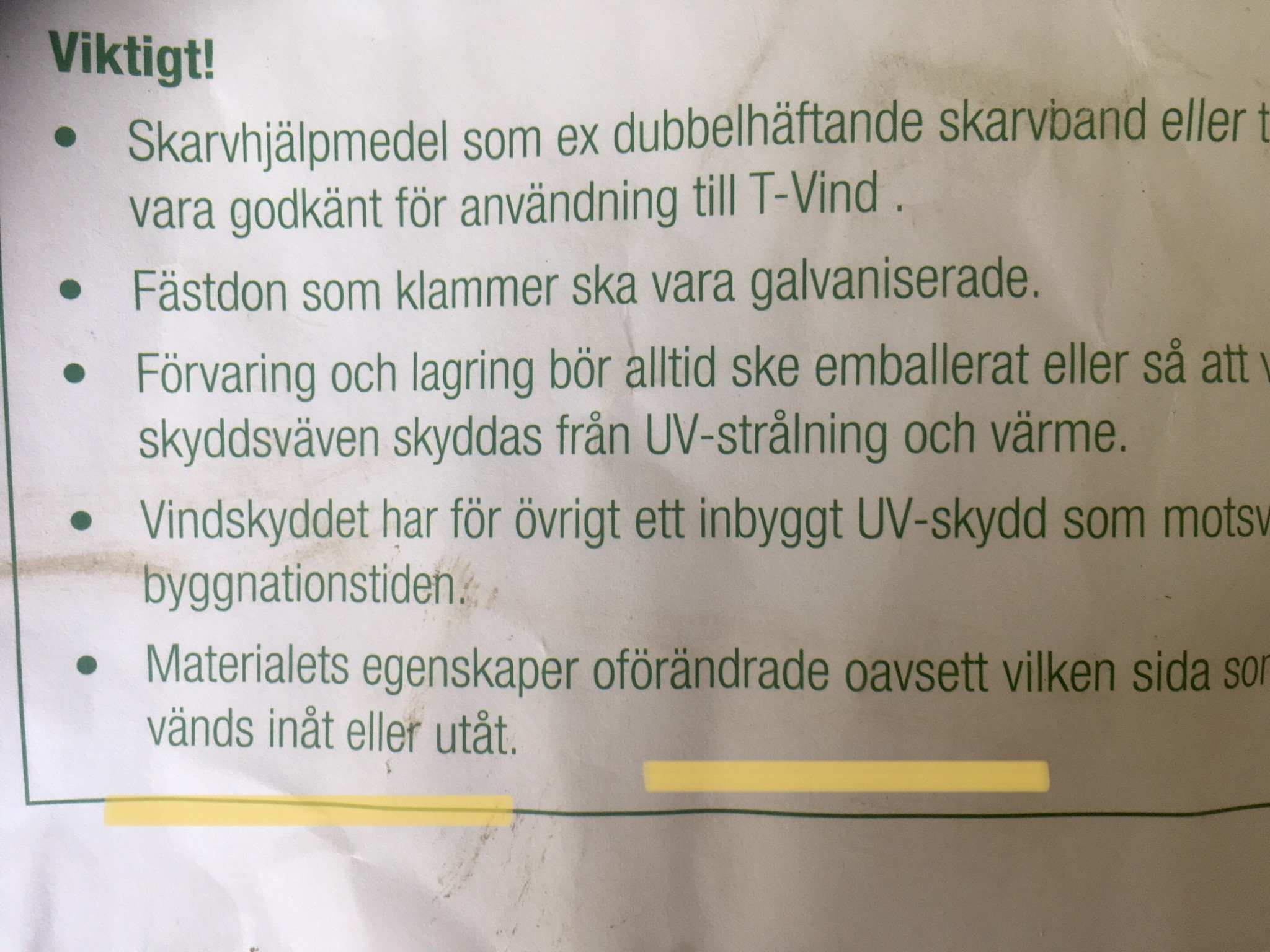
Is a membrane needed if the foundation is properly sealed from the inside with clay plaster? Can there be floor draught if the foundation is properly sealed?
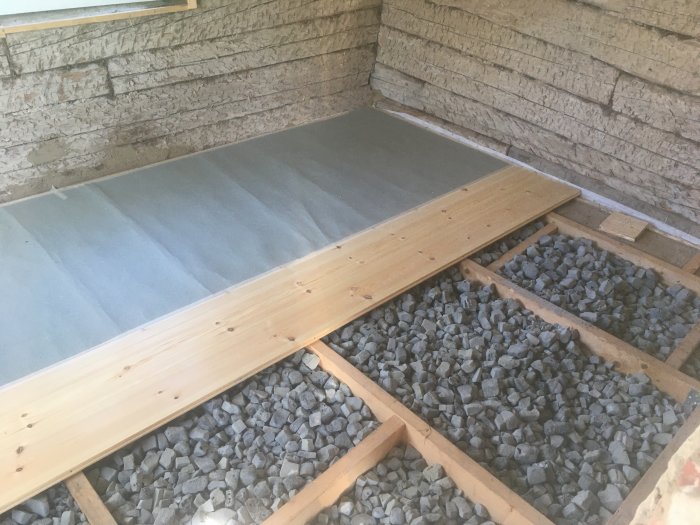
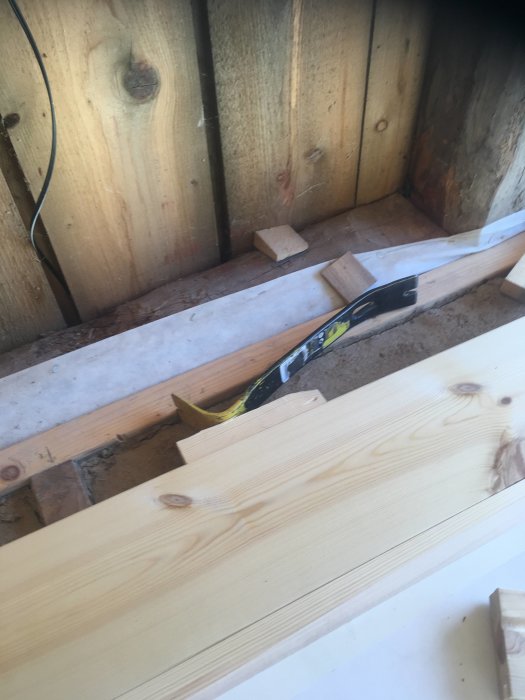
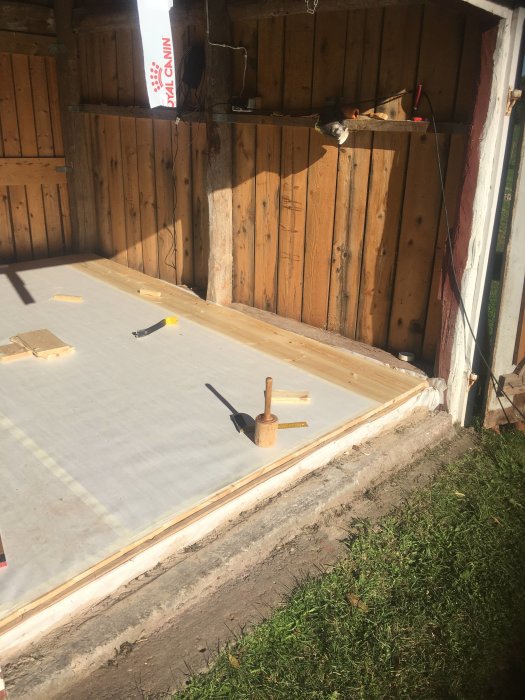
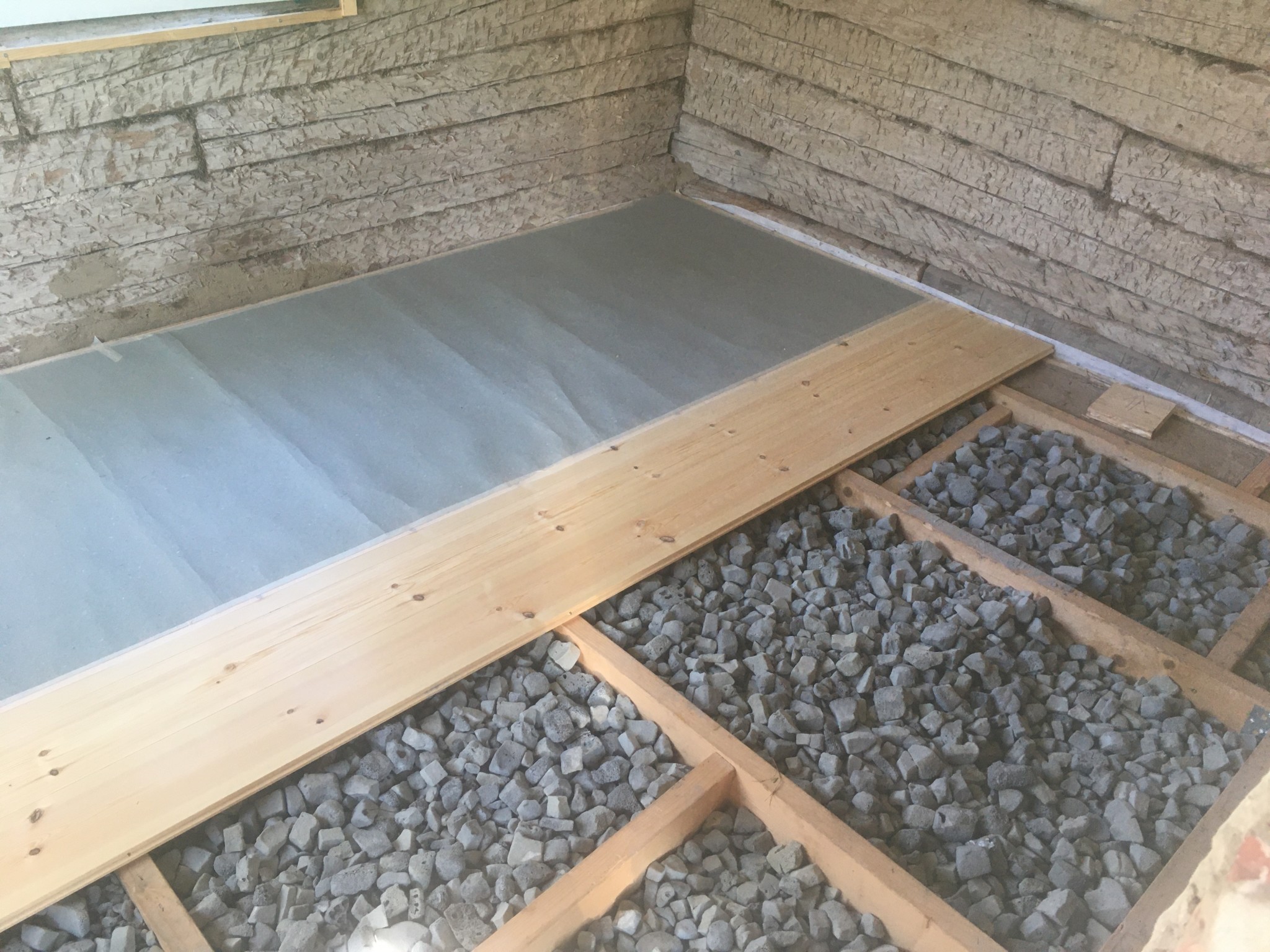
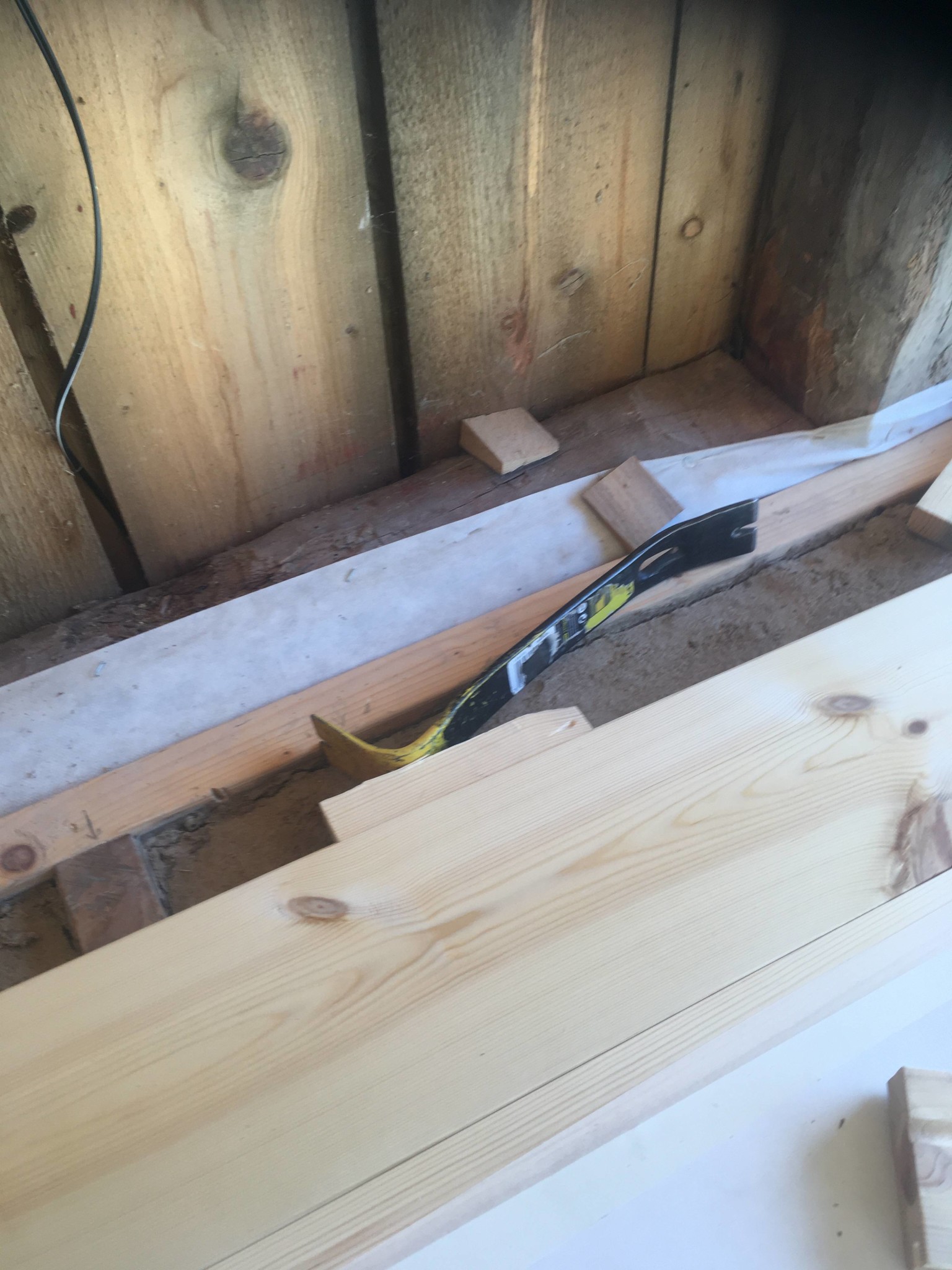
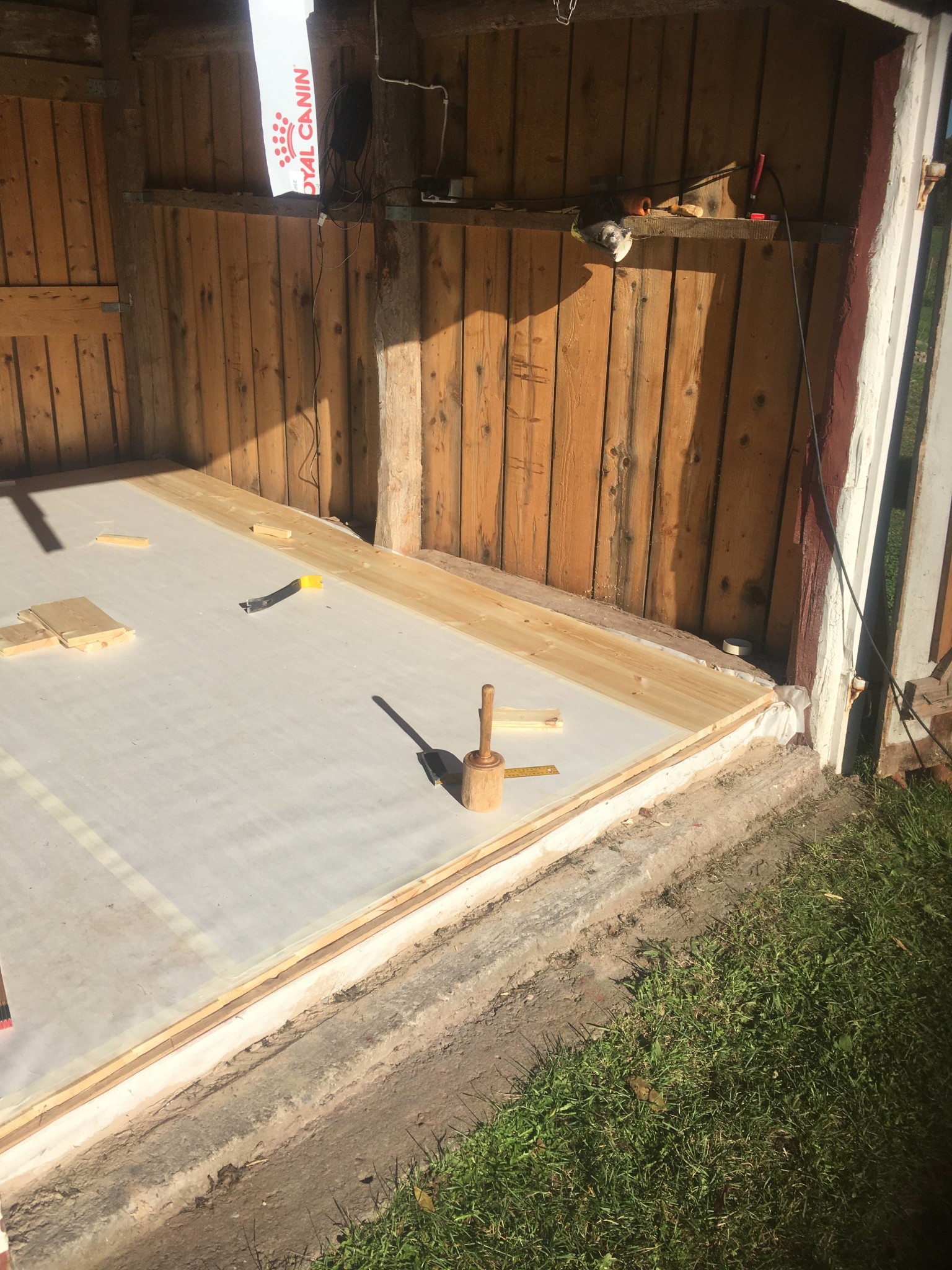
The floor in place, 25x170 floorboards. Protective paper and masonite protect the floor during ongoing work. Now seal one more round with clay, fabric, and paper. Panel and insulate the ceiling, etc., but that will be for another thread I suppose.
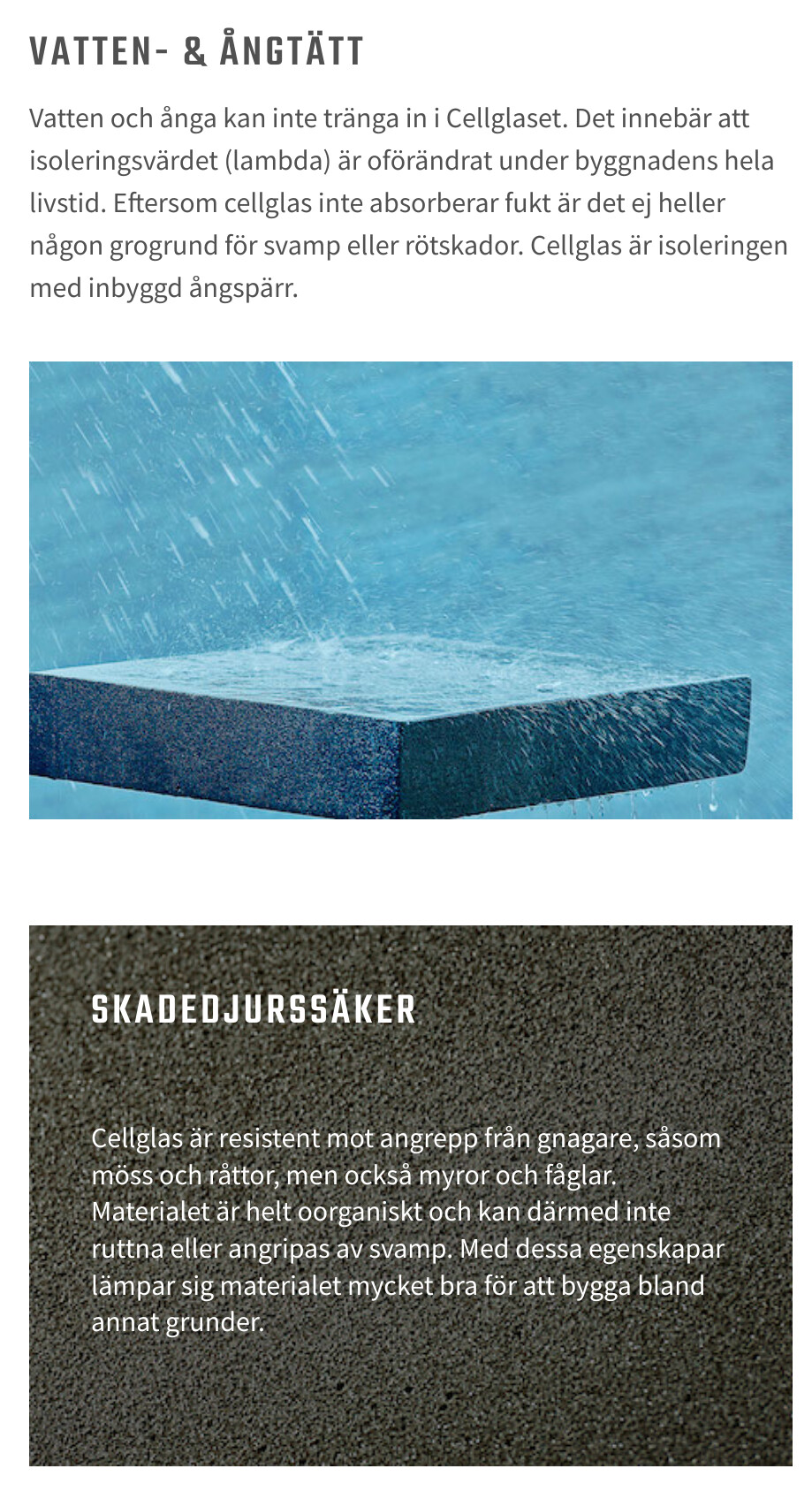
Bumping this, considering a similar basis for renovating an old extension. But I was wondering, is there any reason why you couldn't insulate with a layer of cellular glass boards at the bottom and then fill up with hasopor after that?
I think it should provide a much more insulated floor? It should be possible to achieve a more uniform and compact insulation than if you just pour hasopor?
Am I thinking completely wrong?
Bumping this, considering a similar foundation for renovating an old extension. But wondering a bit, is there any reason why you couldn't insulate with a layer of cellular glass sheets at the bottom and then fill up with hasopor after that?
I think it should provide a much more insulated floor? You should be able to achieve a more uniform and compact insulation than if you just pour hasopor? Am I thinking completely wrong?
What is meant by cellglas, Gullfiber? It would probably become like a sponge full of moisture over time. And mice also like to nest in any dry parts. The advantage of hasopor or leca is that they are capillary-breaking.
Yes, exactly the type of boards you linked to, we used them when we cast a slab, very easy to work with compared to cellplast and as I understand it, basically the same material as hasopor?
I mostly thought you should be able to achieve a continuous layer of insulation and if you also tape the seams, then moisture load higher up should decrease?
But I was wondering, is there any reason why you couldn't insulate with a layer of cell glass panels at the bottom and then fill up with hasopor after that?
But that's not how Elias was planning to do it.
(How do you get the quote in the right place?)
Vi vill skicka notiser för ämnen du bevakar och händelser som berör dig.