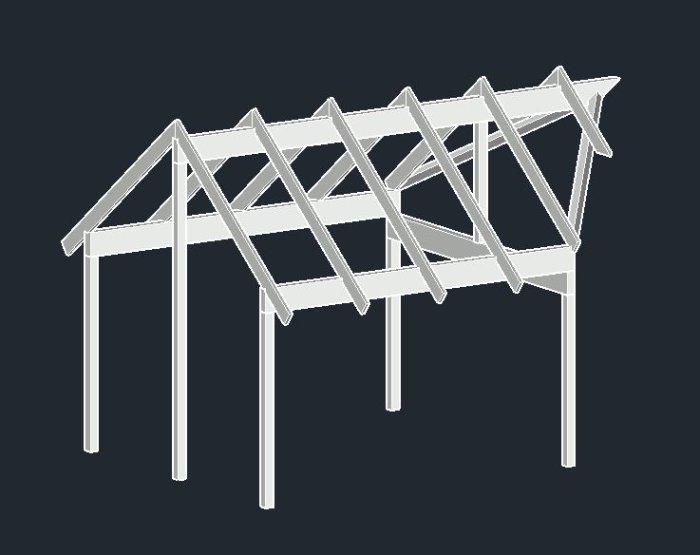
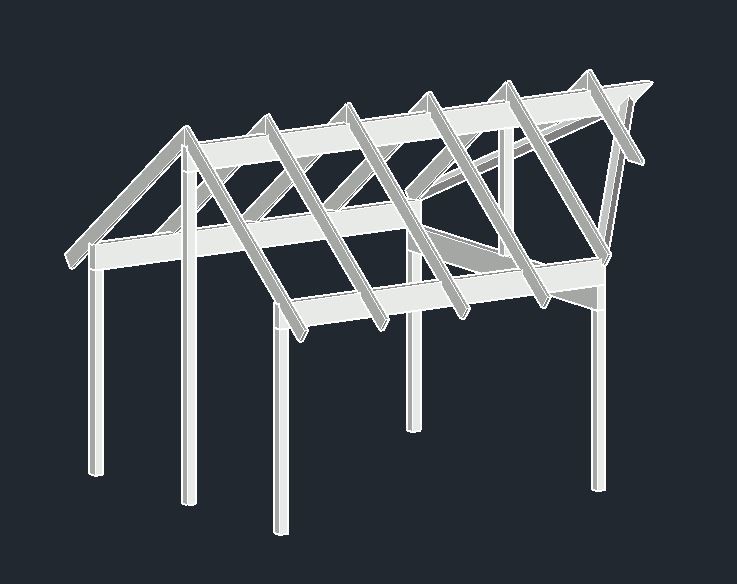
Currently planning our upcoming sunroom expansion. It will be an angled extension to the existing 1.5-story house, consisting of a laminated wood frame with a vaulted roof. Rafters 45x220 and ridge beam as well as wall beams in laminated wood 115x315, pillars in laminated wood 115x115
Now to my questions. How should the supports for the rafters be designed at the ridge and along the side wall beams?
Which is preferable from a construction standpoint?
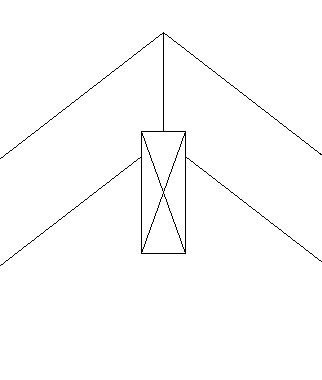
Ridge option 1:
The rafters have a flat support. In the example, the notching in the rafters is as small as possible. Is it negatively affected if the ridge beam is raised further and the notching thus becomes larger?
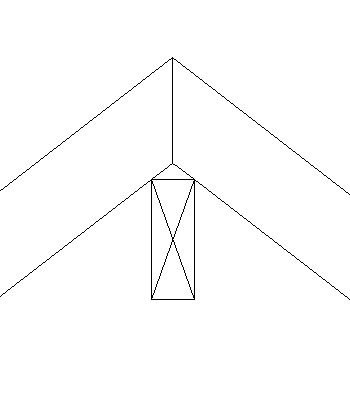
Ridge option 2: Rafters are not notched but lie completely on top of the ridge beam.
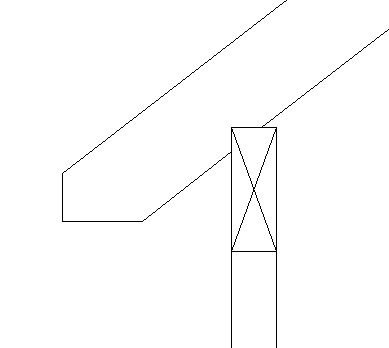
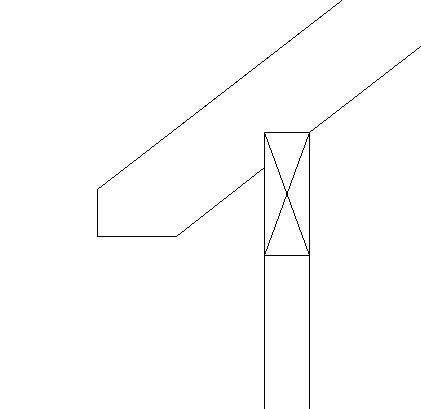
Wall beam option 1:
The rafter is notched so that it partially lies flat against the wall beam (for dimensional reasons, this is a simpler solution than option 2).
Wall beam option 2: The rafter is notched so it lies completely against the wall beam.
As mentioned, which solutions are preferable (and are there other alternatives that are better from an engineering perspective)?
Regarding fittings, it will likely be a nailing plate on each side between rafters at the ridge, but how should the attachment of rafters to the ridge and wall beams be executed in the best way? Are regular angle brackets a sufficient solution, or should other more suitable fittings be used for this purpose?
Built this twelve years ago, I placed the rafters of construction lumber on top of the ridge beam and attached them with regular metal brackets on one side. I recessed the ridge beam through a hole in the roof to the attic and screwed it into the side of the rafter beams, which are made of glulam, and the roof is 16mm polycarbonate. I recommend that if possible, you don't place a post in the middle of the gable because then you can't get the sliding doors to function as well. As you can see, I recessed the rafters into the side beams; you can reduce the height of the feet that extend into the eaves.
Thanks for the input! Custom design or package from some conservatory supplier? Our room will probably feel more like an extension of the house than a conservatory. It will have the same roof angle (even if it's not as high), and the roof will have tiles like the rest of the house (hence the slightly heavier dimensioning). On the gable, there won't be sliding sections but fixed ones, and I'm thinking of building a solid middle section where a stove could fit perfectly. So the post doesn't disturb. Good input though.
However, the main question remains regarding which option is preferable construction-wise? Or the right option if neither of the above?
My room is in entirely homemade design with custom-ordered window sections from Expodul due to the fact that they are 2.4 m high and not available in standard. Your construction is more of a winter garden, but if you're going to have insulation with an air gap in the roof, perhaps the option with the rafters over the roof beam gives more space.
Click here to reply
Vi vill skicka notiser för ämnen du bevakar och händelser som berör dig.