
4,388 views ·
20 replies
4k views
20 replies
Ceiling has collapsed - what do we do now?
The previous tongue-and-groove ceiling was installed just as you describe, two three-inch nails in each rafter, so it seems to work 👍 It was a kind of "sauna panel," so there was space to avoid setting them too tightly without them looking bad. Gaps in the raw paneling don't look so good, which is why we tried to fit them as tightly as possible. Lesson learned! 🤓H heimlaga said:If you have thick paneling, it works very well to do as you have done and let the insulation be supported directly by the paneling. It's just the nailing that's wrong. It usually requires two galvanized three-inch nails right through the board in each rafter.
Additionally, you should leave small gaps so the boards can swell and shrink if it's not very humid weather when you nail them in place.
We have drywall walls, both on the interior and exterior walls, which have been wallpapered for a long time and look intact and fine. Do you think it will be worse on the ceiling for other reasons, or more if it was too humid overall?N Niq said:
Ok, I'm no expert but my experience is that plaster that gets damp tends to become soft and bend. I would think it holds its shape well enough as a wall with a lot of support behind and under the board. But I wouldn't trust plaster on the ceiling of a cold house. But maybe I'm completely wrong and it works just fine.L Lovensson said:
Personally, I would avoid using plaster at all in a house that is cold.
The råspont is 20-22 mm thick, so with straight nailing, you need double the length into the rafters, totaling 66 mm -> choose 2.8x75 nails (not brads) hot-dip galvanized, which are rough and won't cause rust stains in an unheated cabin. The alternative is floor screws that are angled in hidden. It's an aesthetic question, but nails painted over aren't that noticeable.L Lovensson said:
My spont is 17mm so then 60mm should be enough. Tried using a couple of 2.3x60 but it goes slow by hand and half of them bend halfway (hammering from beneath is not the easiest thing I’ve done 😀). I also have 2.8x75, maybe I’ll give it a try 👍 Perhaps toe-screwing will be easier too, after all, I do have a screwdriver.ClasseClas said:
The råspont is 20-22 mm thick, so with straight nailing, you need double the length into the rafters, a total of 66 mm -> choose 2.8x75 nail (not brad) hot-dip galvanized which is rough and doesn’t leave rust stains in a cold-set cabin.
The alternative is a floor screw that is toe-screwed hidden. It’s an appearance question but nails that are painted over are not very noticeable.
Thanks!
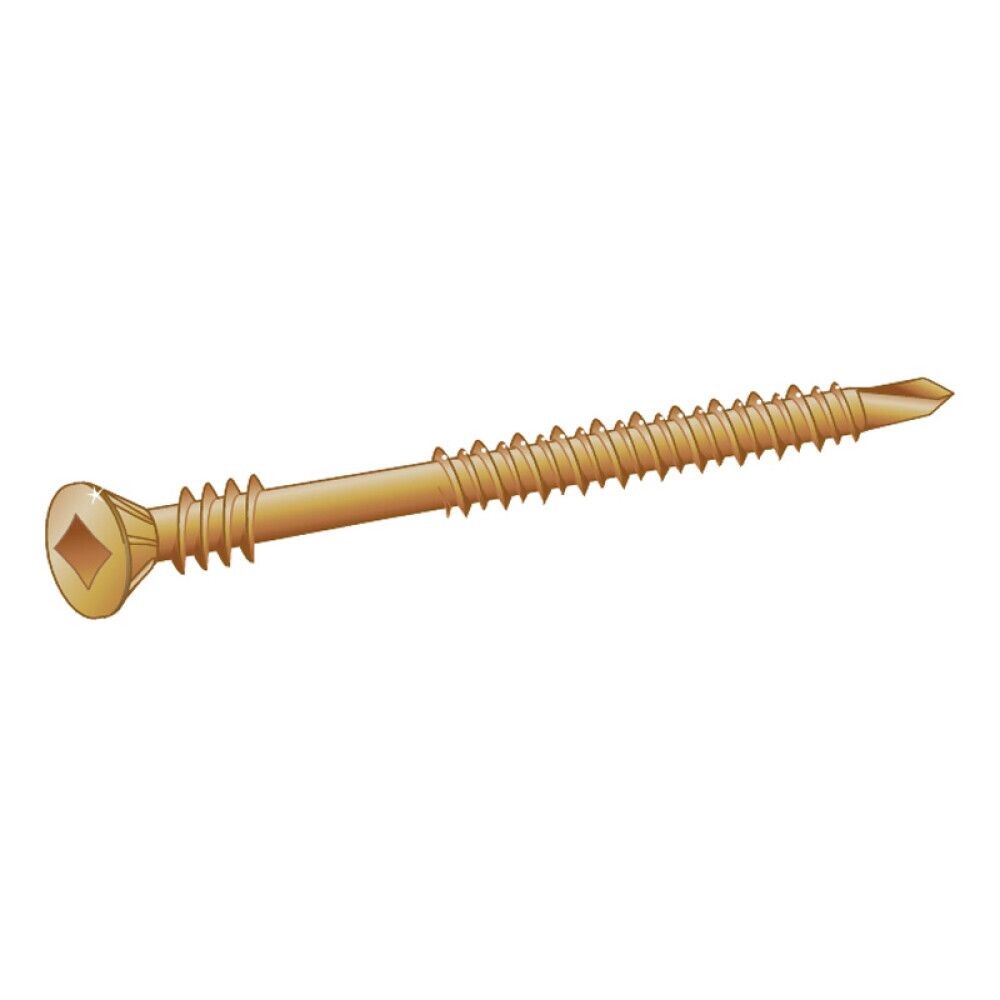
Floor screws have a built-in drill at the tip, so they are convenient in that way. Avoid floor screws that require a square bit (like Robertson R1). They're not enjoyable, in my opinion.L Lovensson said:
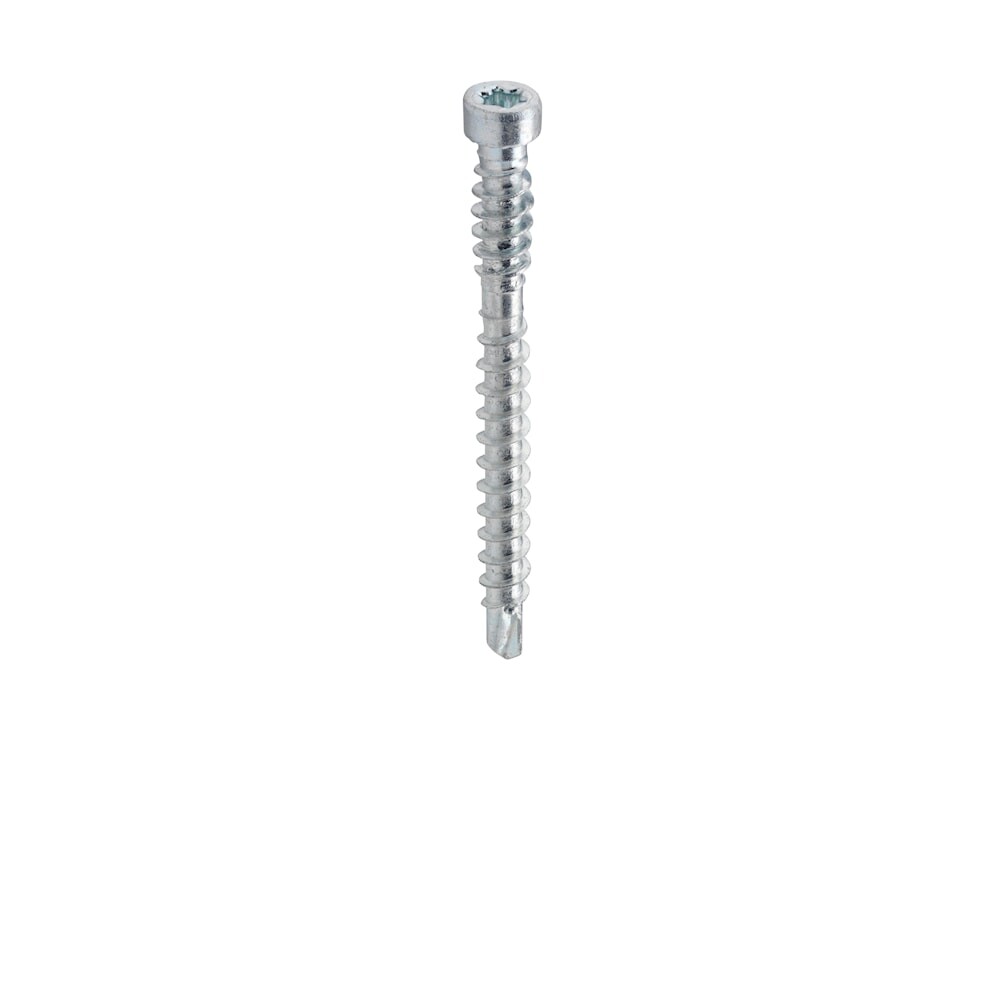
Instead, choose screws for Torx bits. (e.g., Spax, Grabber)
Click here to reply