
Hello all wise ones!
I'm about to build a small wine cellar at home. I've read quite a bit, also here, but there are very many different and often conflicting pieces of advice, I find. So I hope to get smart advice and experiences here that suit our conditions.
The idea is to use a corner of the current basement, which is about 50% underground, with brick and plastered walls. The house is from the 1930s. It faces north and west and is already relatively cold and damp. Should be a good starting point for good wine storage (though not much else). I'm aiming for a constant temperature of 12-14 degrees year-round, and relatively high humidity (70% is optimal).
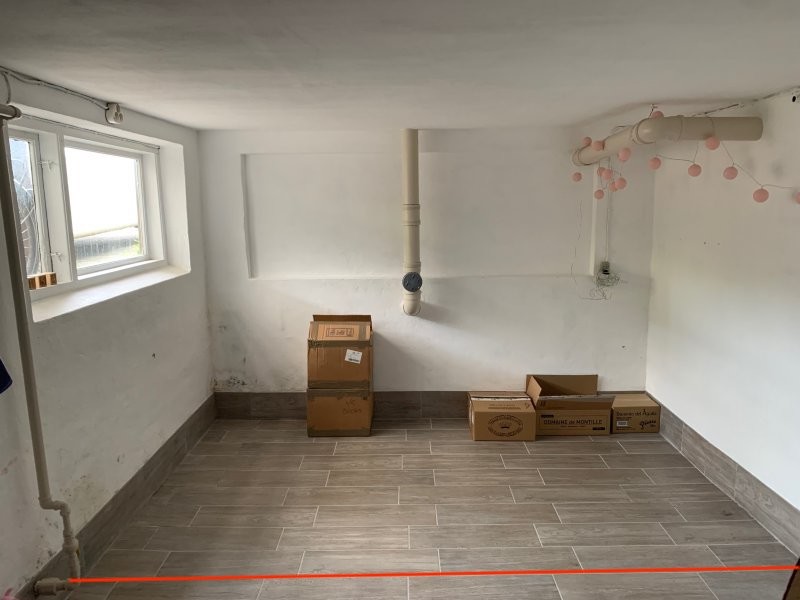
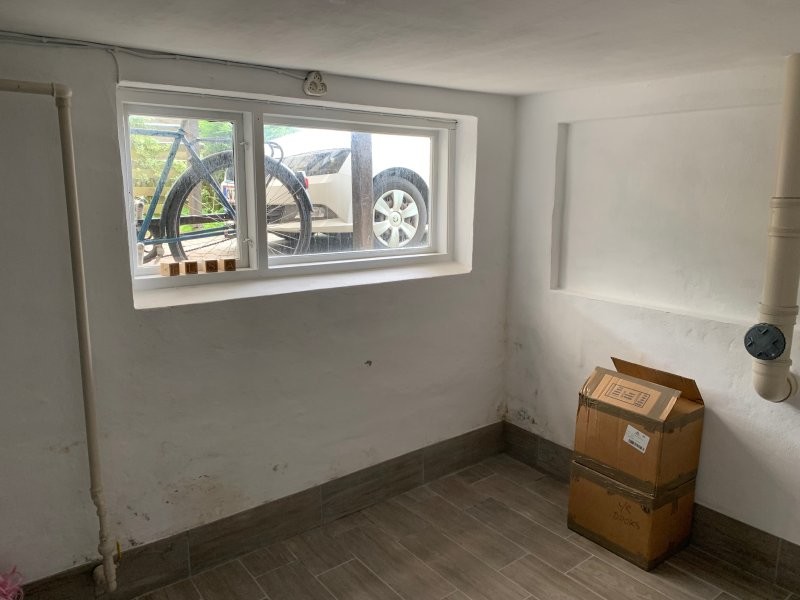
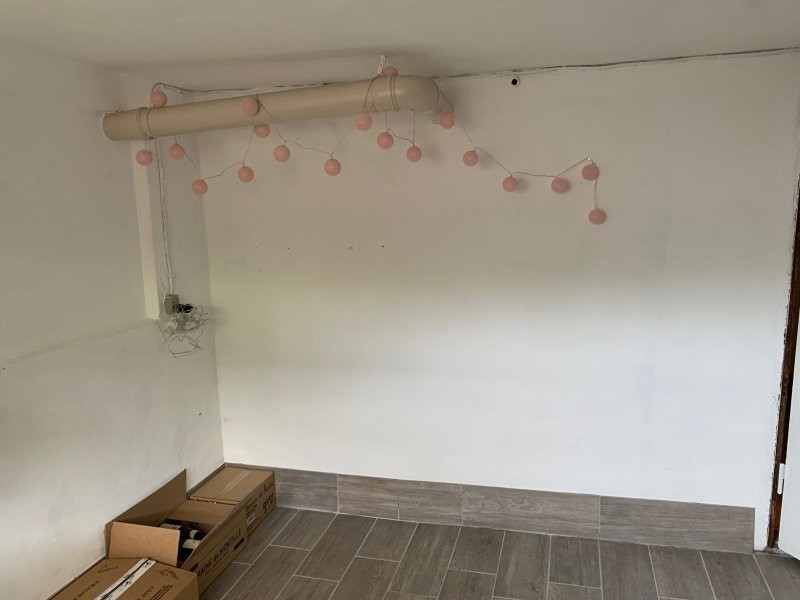
See attached pictures of the room today. Note that the ceiling is only 200 cm high. Unfortunately, the floor is also quite uneven. The current drainage and ventilation pipes will be rerouted.
It shall:
1. Build a partition wall, approximately where the line in the first picture shows (behind the gas line in the picture).
The wall should be well insulated, but does not need to carry much weight
Of course, the simplest would have been wooden studs with regular mineral wool insulation, which some have advocated. Others say it should be steel studs to minimize organic material. Contradictorily, others say that insulation material should be organic, like flax or hemp instead, to better handle possible moisture.
Some say there should be a waterproof layer, others that it absolutely shouldn't be in a basement.
Could lightweight concrete be an idea? Ytong, Siporex or similar. It seems a bit trickier to build (for a non-handy person like me), but fits better with the current construction. The problem I can see is that their interior wall elements aren't particularly insulated compared to framed and insulated walls. Can you use exterior wall blocks maybe? Or post-insulate in some other smart way?
So... how should the wall be constructed to both be heat-insulating and not become a mold trap?
2. A door should be in the partition wall.
The door should be low, considering that it's only 200 cm to the ceiling (at the lowest). I'm thinking of an exterior door here, since it should be insulated. Any experiences?
3. The window should be sealed up.
My local handyman advocates drilling out the frame for ventilation and just sealing with styrofoam. That seems easy, but considering how much moisture already settles on the window, I'm hesitant. What’s the best way to seal it?
4. A hole for a cooling unit should be made, either in the wall or window.
The cooling unit should help keep the temperature low, especially during summer. During the warmest days of the year, the outside temperature is warmer than in the rest of the basement, otherwise vice versa, of course.
Any thoughts on whether it's best to place it in the window or the wall?
5. The ceiling should possibly be insulated.
Here we have a maximum of 10 cm to work with. What are my options?
6. Ventilated?
Again, conflicting advice. Some say a wine cellar should be sealed, others that it should be ventilated. What do you say?
Again, sorry for the long thread start from someone with little knowledge. Thanks in advance for good advice!
I'm about to build a small wine cellar at home. I've read quite a bit, also here, but there are very many different and often conflicting pieces of advice, I find. So I hope to get smart advice and experiences here that suit our conditions.
The idea is to use a corner of the current basement, which is about 50% underground, with brick and plastered walls. The house is from the 1930s. It faces north and west and is already relatively cold and damp. Should be a good starting point for good wine storage (though not much else). I'm aiming for a constant temperature of 12-14 degrees year-round, and relatively high humidity (70% is optimal).
See attached pictures of the room today. Note that the ceiling is only 200 cm high. Unfortunately, the floor is also quite uneven. The current drainage and ventilation pipes will be rerouted.
It shall:
1. Build a partition wall, approximately where the line in the first picture shows (behind the gas line in the picture).
The wall should be well insulated, but does not need to carry much weight
Of course, the simplest would have been wooden studs with regular mineral wool insulation, which some have advocated. Others say it should be steel studs to minimize organic material. Contradictorily, others say that insulation material should be organic, like flax or hemp instead, to better handle possible moisture.
Some say there should be a waterproof layer, others that it absolutely shouldn't be in a basement.
Could lightweight concrete be an idea? Ytong, Siporex or similar. It seems a bit trickier to build (for a non-handy person like me), but fits better with the current construction. The problem I can see is that their interior wall elements aren't particularly insulated compared to framed and insulated walls. Can you use exterior wall blocks maybe? Or post-insulate in some other smart way?
So... how should the wall be constructed to both be heat-insulating and not become a mold trap?
2. A door should be in the partition wall.
The door should be low, considering that it's only 200 cm to the ceiling (at the lowest). I'm thinking of an exterior door here, since it should be insulated. Any experiences?
3. The window should be sealed up.
My local handyman advocates drilling out the frame for ventilation and just sealing with styrofoam. That seems easy, but considering how much moisture already settles on the window, I'm hesitant. What’s the best way to seal it?
4. A hole for a cooling unit should be made, either in the wall or window.
The cooling unit should help keep the temperature low, especially during summer. During the warmest days of the year, the outside temperature is warmer than in the rest of the basement, otherwise vice versa, of course.
Any thoughts on whether it's best to place it in the window or the wall?
5. The ceiling should possibly be insulated.
Here we have a maximum of 10 cm to work with. What are my options?
6. Ventilated?
Again, conflicting advice. Some say a wine cellar should be sealed, others that it should be ventilated. What do you say?
Again, sorry for the long thread start from someone with little knowledge. Thanks in advance for good advice!
Ok, maybe that was a somewhat long and sprawling thread start... So to scale it down a bit:
If I want to build a wall with lightweight concrete but the floor is quite uneven, should I cast a curb directly on top of the current floor? Or is it not necessary at all, can I cut the lightweight concrete so precisely that it's not needed?
Thanks!
If I want to build a wall with lightweight concrete but the floor is quite uneven, should I cast a curb directly on top of the current floor? Or is it not necessary at all, can I cut the lightweight concrete so precisely that it's not needed?
Thanks!
Click here to reply