I had a new chimney built from the roof ridge last fall with the help of a skilled mason. He finished the job by refreshing the plaster on the chimney stack in the attic since the old plaster had partially come off. We scraped off all the loose parts first, and the result looked perfect.
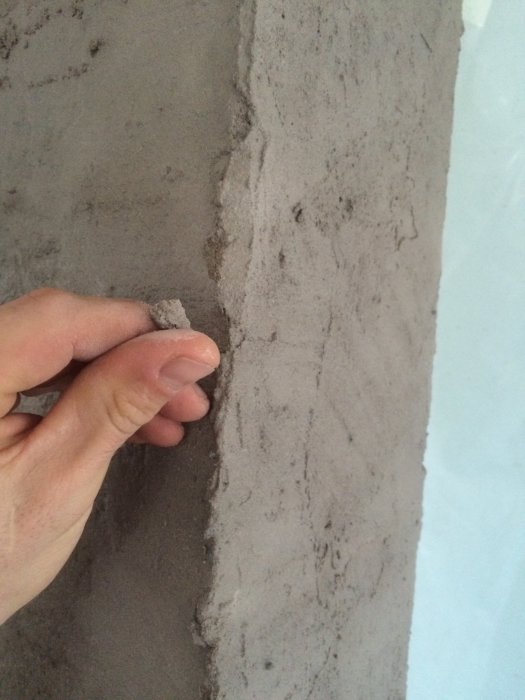
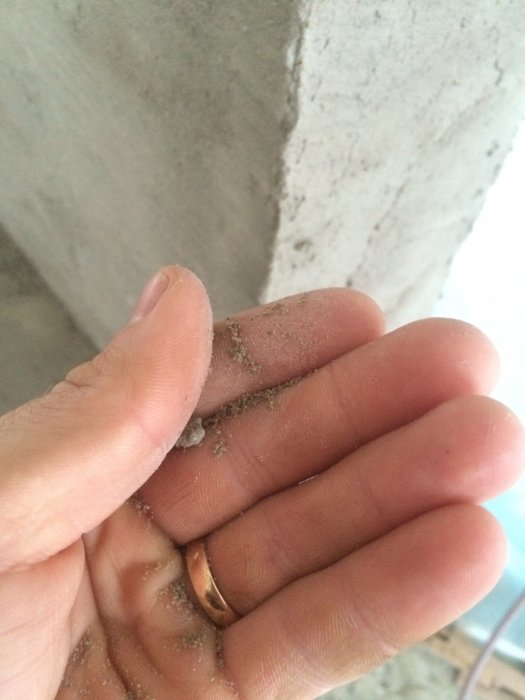
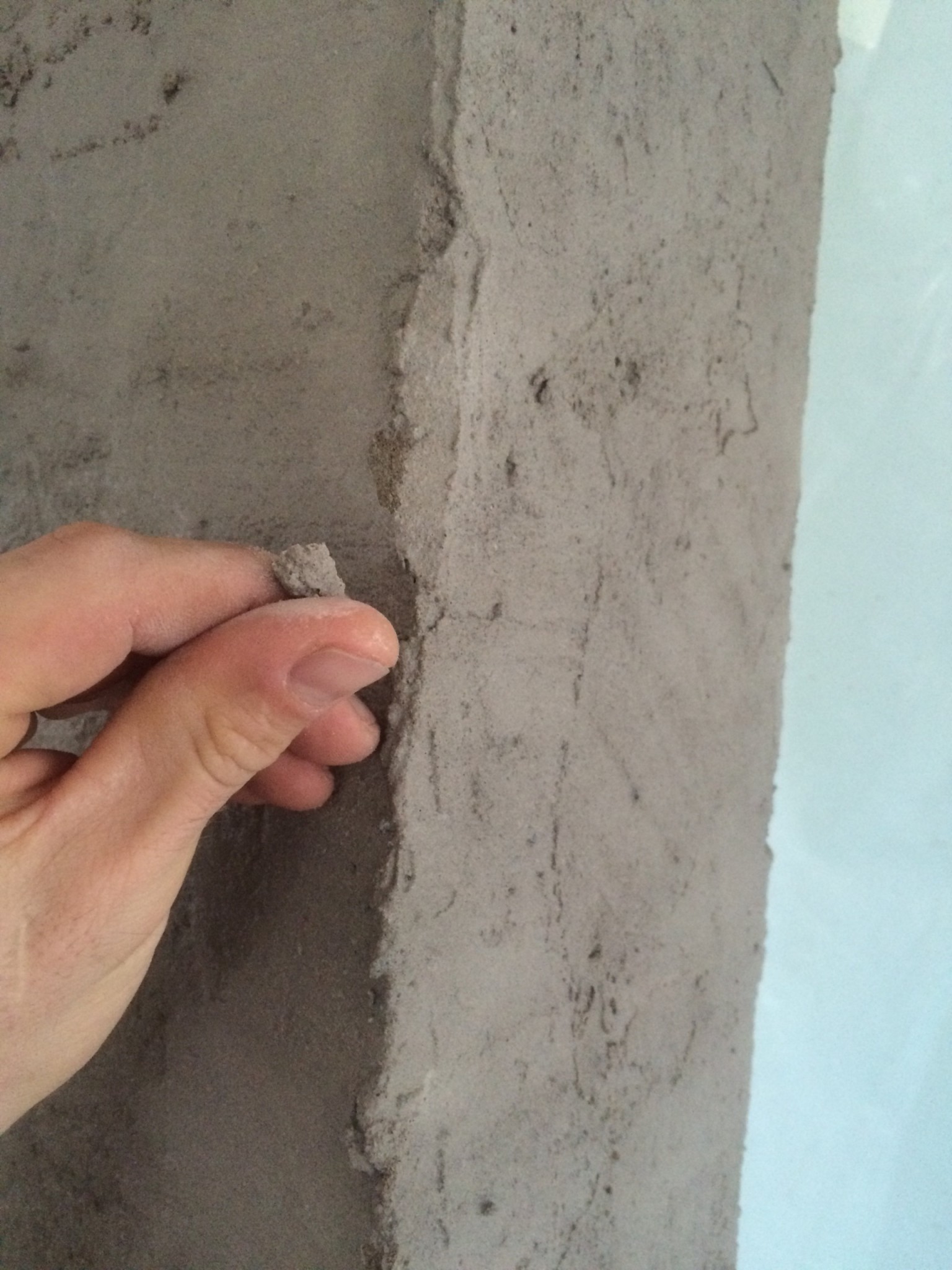
A couple of weeks ago, when I was up in the attic, all the new plaster had come off and took a lot of the old plaster with it. It looks awful
The house was built around 1925, and I think we used mortar type B or C. The house has been unheated. What type of mortar should I use to ensure it holds up??
From what I've read, pure lime plaster is the type that best handles releasing and absorbing moisture without cracking. Hydraulic lime plaster is next best, it's harder but also doesn't contain cement.
At my place, the plaster has also pulled away from the chimney inside the attic. I also have a house that remains unheated in the winter. A good idea is to put a "cap" on the chimney to prevent rain from getting in.
How does the mason explain the situation at your place?
My experience is that it's incredibly difficult to get masons to work with lime mortar. Maybe some mason here on the forum can explain why? From what I've read, I'm not impressed at all. They mumble something about "lime is only used on old churches" and "nowadays we do it like this" and then they proceed with regular plaster. As a result, my façade is a patchwork of different cement-based plasters, which freeze and deteriorate in the winters, and then it's an endless cycle of patching and repairing. The only way to get lime plaster is apparently to learn to do it yourself.
PS. Have you checked the roof to see if it's sealed properly around the chimney? Water might have leaked in that way, causing the plaster to come loose.
I haven't managed to "mössan" yet, will fix it shortly.
There are plates quite close to the chimney, so if water has seeped in there, it would be very small amounts.
But shouldn't the plaster hold up to a little water? Or is the absence of the mössan what caused it to crack?
I've also considered parging the inside of the chimney due to leakage, and many here on the forum recommend B or C mix for this. But there’s also a risk of it cracking and coming off.
Should I maybe use lime mortar both for the inside and outside? Should it be hydraulic or not in that case?
Regarding your questions about interior chimney lining, I hope others can answer.
If water has seeped in beside the chimney and if that water has gotten inside the plaster, the plaster will burst off when it freezes. Cement-based plaster is dense and traps water, while pure lime plaster ventilates the water out. Therefore, the risk of the plaster coming off is less if you have used lime plaster, even if water has leaked in. Lime plaster does not trap moisture and it also withstands minor shifts, which is why it's so good for old houses.
However, leakage at the chimney is never good. Especially since you don't fire regularly, the chimney doesn't get a chance to dry out. Even small amounts of water cause damage. So it is definitely something you should check, and maybe bring in a tinsmith to make a proper metal flashing between the roof and chimney. It's difficult to fix such a leak on your own.
OK Thanks for the response! Does anyone else know if you can use lime mortar for internal slurry coating? (slip casting) And should it be hydraulic or not?
OK Thanks for the response! Does anyone else know if lime mortar can be used for interior rendering? (slip casting) And should it be hydraulic or not?
For interior, the chimney sweep requires that it should be ceramic mortar. That's how it is here in Karlskoga anyway. Check this with the chimney sweep master in your area.
I thought of something else. One reason the plaster might have come loose is if there was a cold snap before the new plaster had dried properly. What does your mason say?
I am myself confused when it comes to different types of mortar and plaster, so I cannot provide any answers, but I have some thoughts to contribute.
As I understand it, you should ideally use the same type of plaster as before or an equally weak plaster when repairing. If the old plaster is lime plaster, then you have repaired with a mortar that is significantly harder. Could that have an impact?
Moreover, I have heard that lime plaster adheres poorly to a surface that was previously plastered with mortar containing cement, so it's not straightforward to restore with new lime plaster. Is that true, and how do you handle it in that case?
I have built on an existing brick chimney with leca to install a stove. I have now started plastering the leca and applied a thin layer of loosely mixed plaster as a base. It has been four days and should have set reasonably well. I pre-watered generously and post-watered a bit. Temperature inside is about 18 degrees. Now you can break off pieces and crumble them between your fingertips. Shouldn't it be harder by now?
I'm cursing myself for being cheap and buying byggmax plaster...
Does anyone know about the quality of this and if it's worth finishing the plastering or knocking it off and plastering with weber/finja/maxit plaster instead?
Not a professional answer, but a thought. If it's an air-hardening lime mortar, it doesn't reach its full hardness until after several weeks. How much force did they need to use to knock off pieces? Another thought is that you might not have sprayed enough water afterwards. The indoor climate is very dry......
Hope you get more suggestions on what the problem might be due to.....
Agree. Putsbruk C contains a large amount of slaked lime that must harden (carbonate) by absorbing carbon dioxide from the air. It takes time and is favored by humid air. Spray water on the plaster morning and evening to speed up the process.
Click here to reply
Vi vill skicka notiser för ämnen du bevakar och händelser som berör dig.