
1,017 views ·
7 replies
1k views
7 replies
What is the inside of the basement wall?
Hello,
I have started renovating my basement. On one of the exterior walls, there is a woven wallpaper that I have begun to remove. Behind the wallpaper, there is some kind of porous material that almost seems like a board of some kind. Behind that, there appears to be something that looks like a mass of wood chips. What is this material? What is the outer board? Do I need to remove the entire board, or is it enough to just remove the wallpaper? I should mention that I am a complete novice with houses and construction.
// Philip
I have started renovating my basement. On one of the exterior walls, there is a woven wallpaper that I have begun to remove. Behind the wallpaper, there is some kind of porous material that almost seems like a board of some kind. Behind that, there appears to be something that looks like a mass of wood chips. What is this material? What is the outer board? Do I need to remove the entire board, or is it enough to just remove the wallpaper? I should mention that I am a complete novice with houses and construction.
// Philip
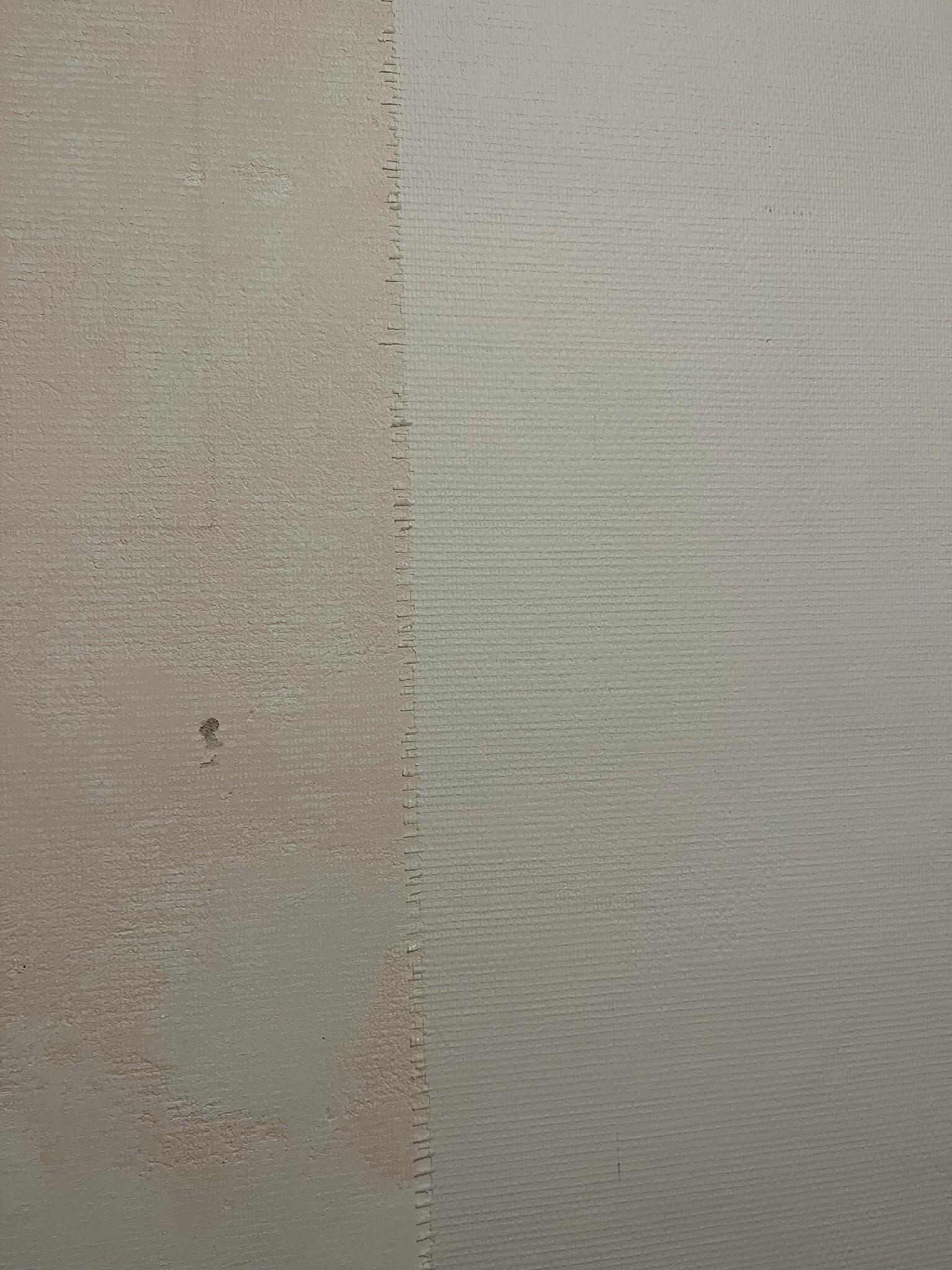
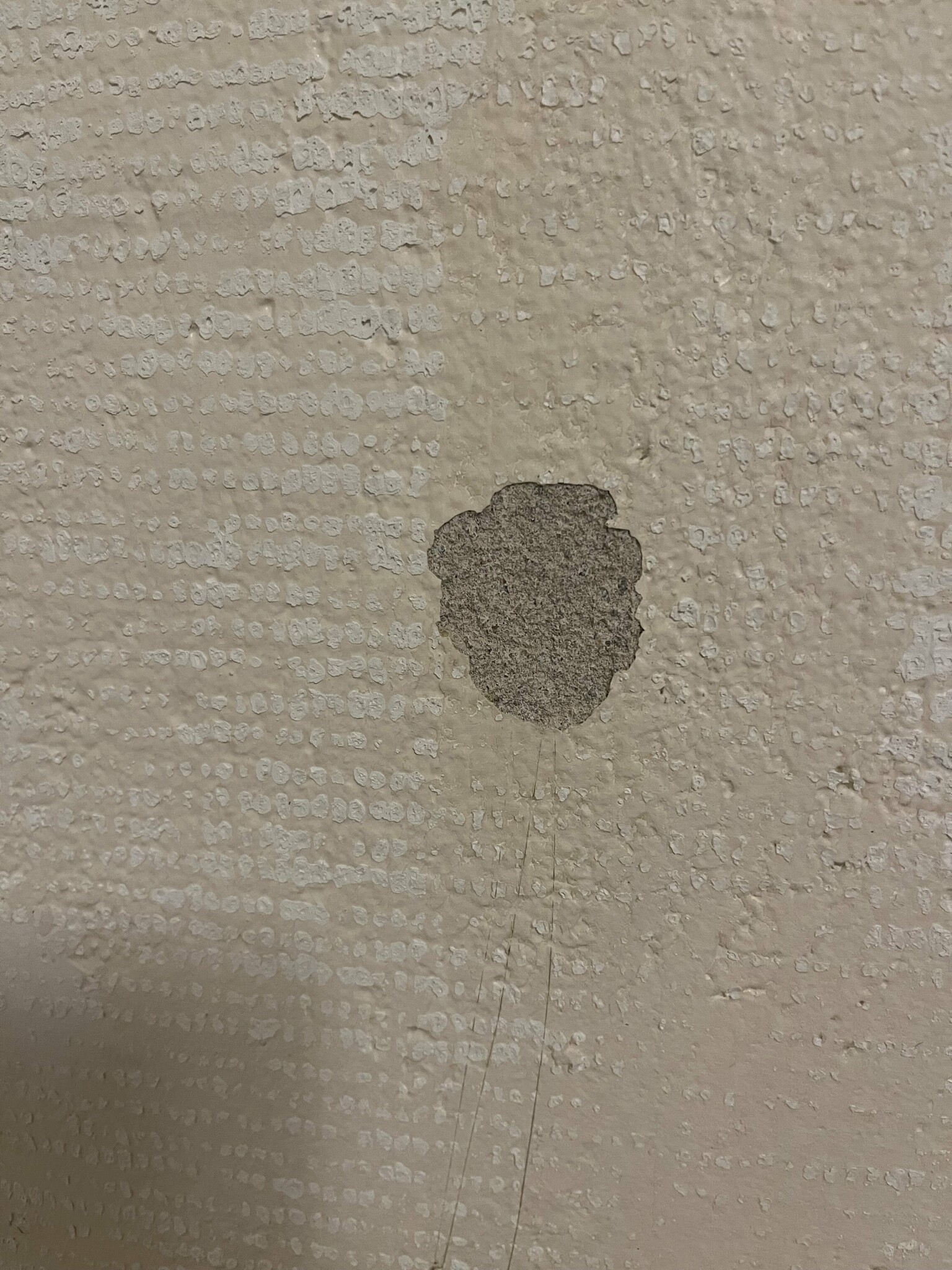
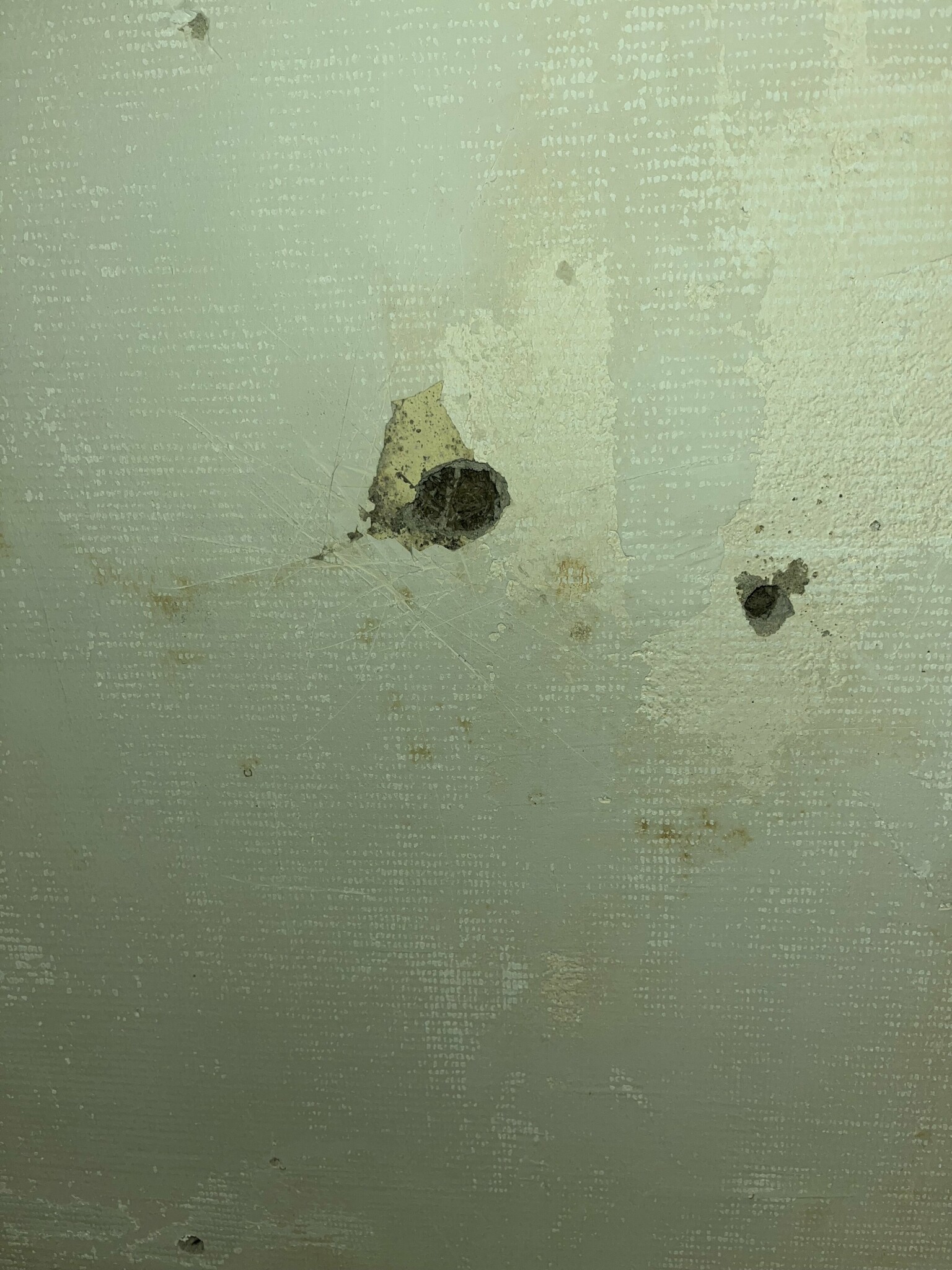
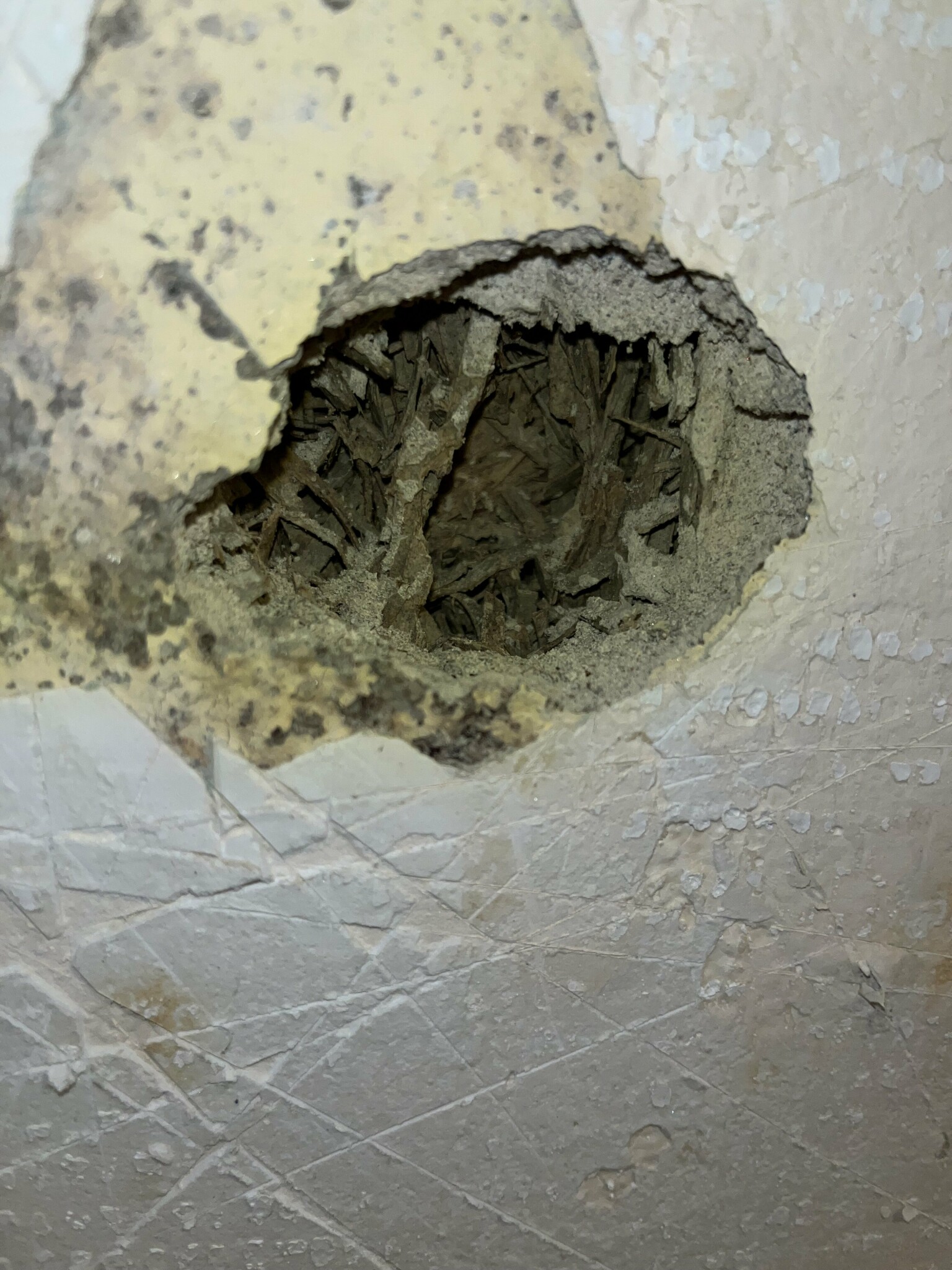


Absolutely, but it's likely a hell of a job to remove wallpaper, filler, and paint down to the bare plaster.P PhilipLj said:
You're thinking correctly when it comes to basement walls, but is there any moisture issue you need to solve?
Yes, I’ve understood that unfortunately.. well, high humidity in the summer, but not directly visible on the walls at least. A small 2x5cm where the wallpaper had come loose and bulged out a bit. But maybe I'll aim to remove it in some places and then just go with it?C cpalm said:
What I think is that it's partly pointless to paint with a color that "breathes" maximally if there is a more or less diffusion-tight intermediate layer. Also, that a true silicate paint only adheres to mineral substrates, i.e., clean plaster, and then it's quite important if it should turn out well. You can use a hybrid paint with silicate + acrylic additive, but if you still can't achieve a maximally open diffusion surface, perhaps other alternatives can also be considered.P PhilipLj said:
Thanks for the help!!C cpalm said:What I'm thinking is that it's partly pointless to paint with a color that "breathes" maximally if there's a more or less diffusion-tight intermediate layer. Also, a true silicate paint only adheres to mineral substrates, i.e., pure plaster, and then it's quite important if it is to turn out well. You can use a hybrid paint with silicate + acrylic additive, but if you can't achieve a maximally diffusion-open surface, you might consider other options as well.
Click here to reply