I've tried to Google back and forth, and my understanding is that when there's a W-formation on the roof trusses, they are self-supporting?
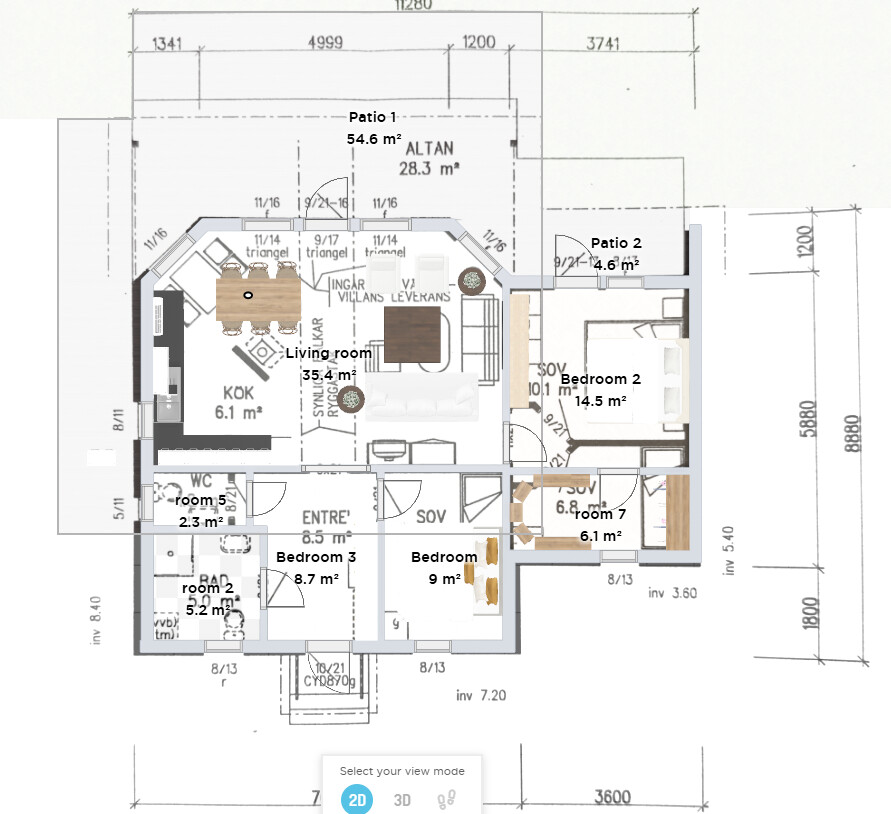
We are in the process of converting 2 small bedrooms into a larger bedroom and the small bedroom into a walk-in closet. (there is a small mini-hall with 2 doors to the respective bedrooms today)
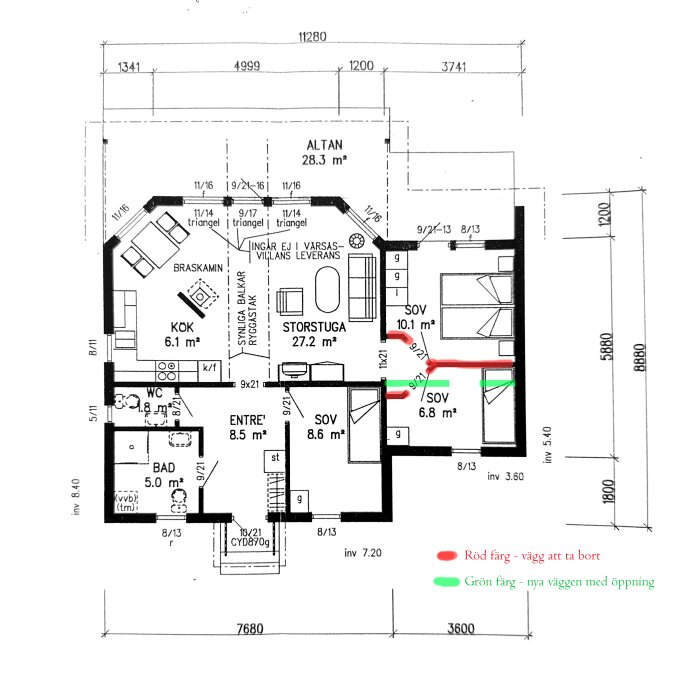
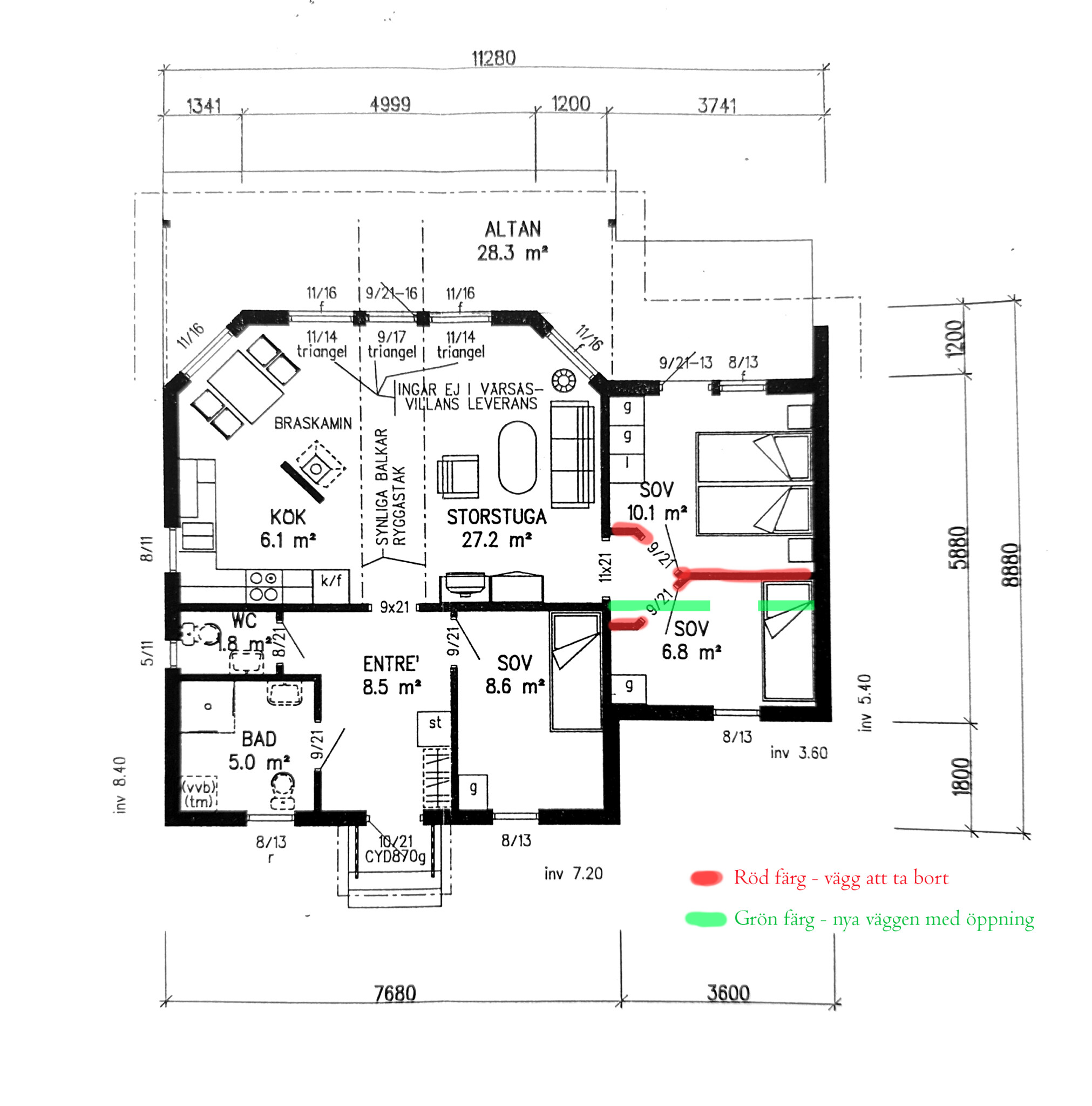
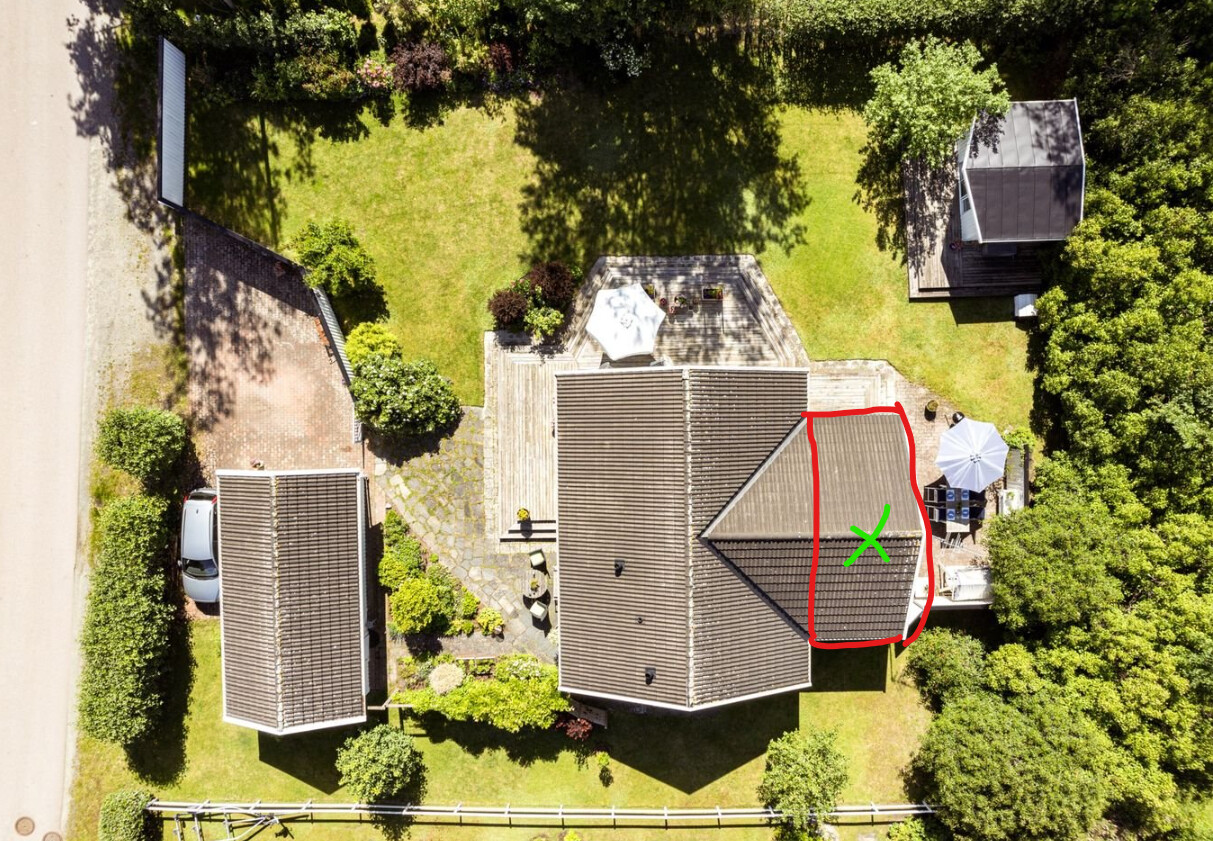
We will need to move the wall about 30-40cm. See the attached sketch where I've marked in red what is to be demolished and in green the new parts.
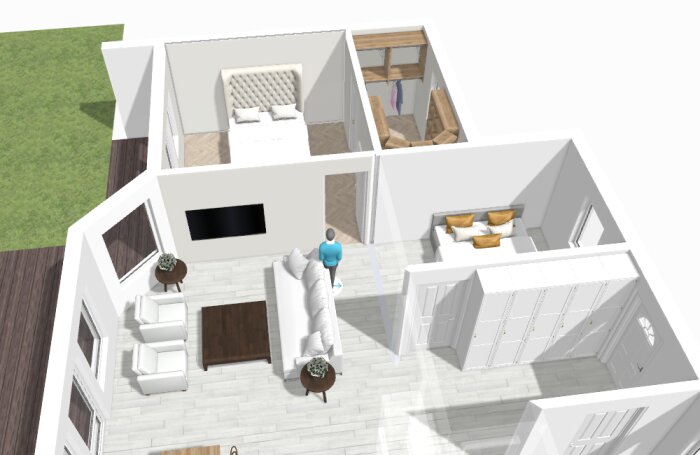
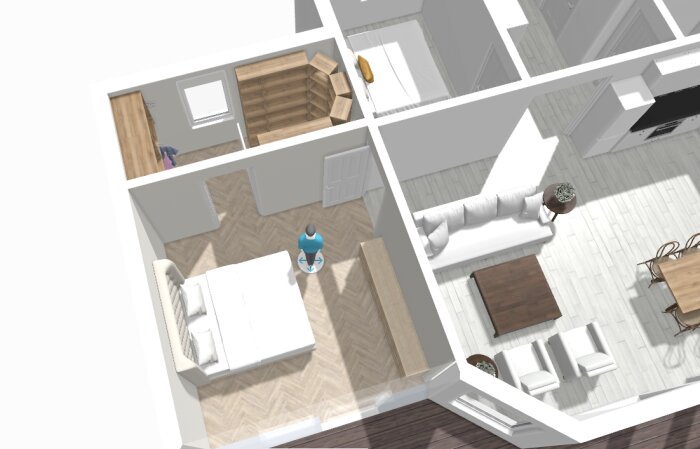
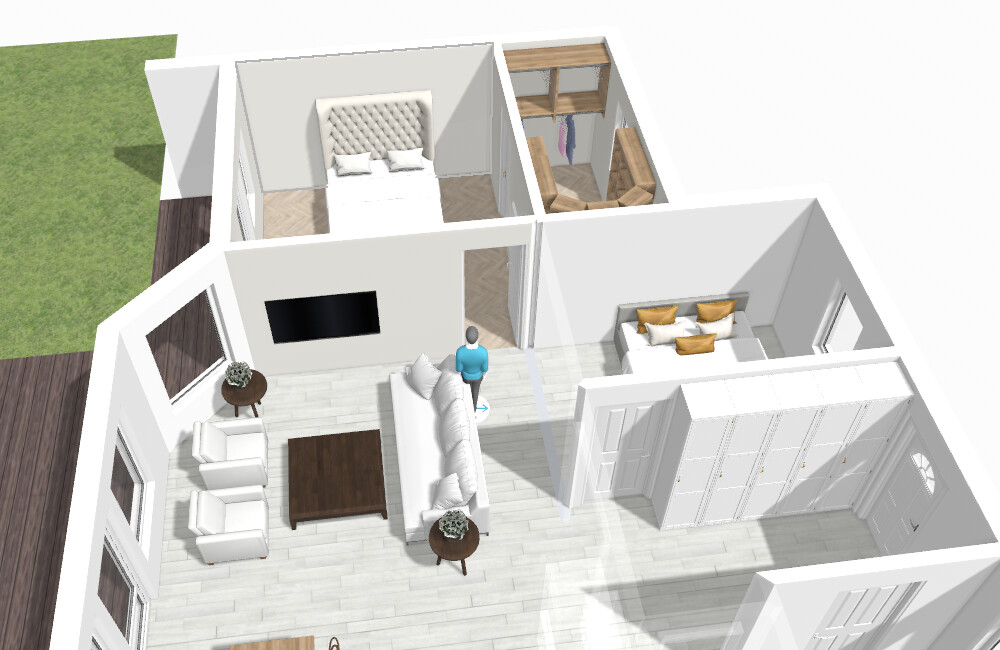
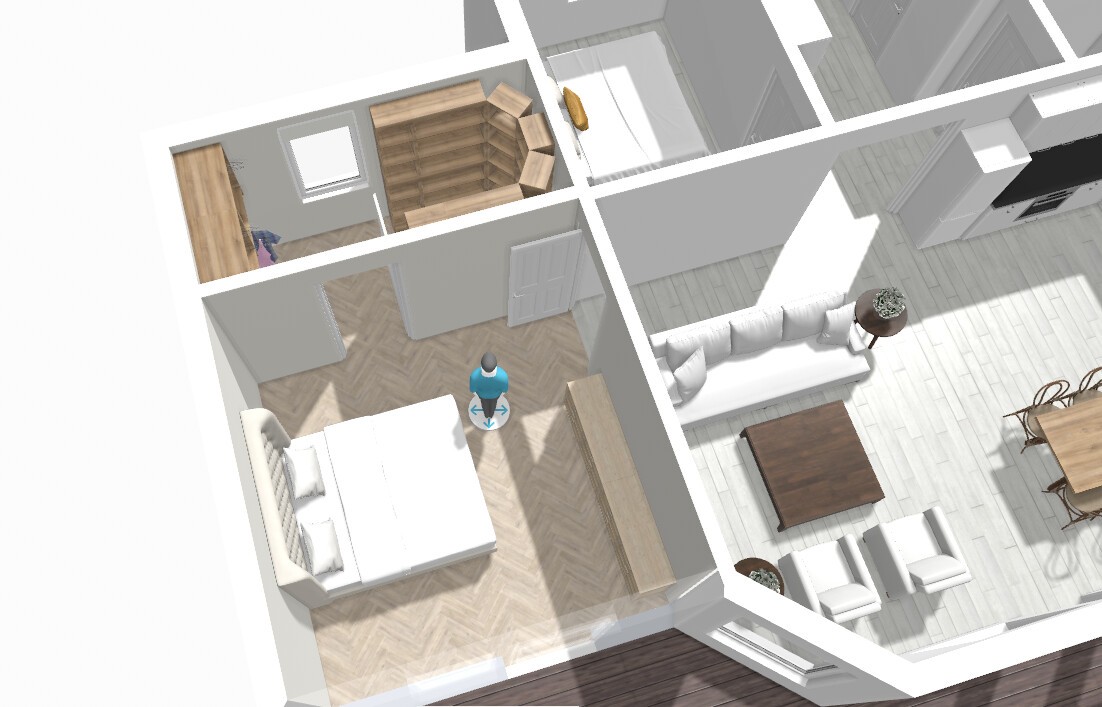
I've also included some sketches from HomebyMe of what we are planning.
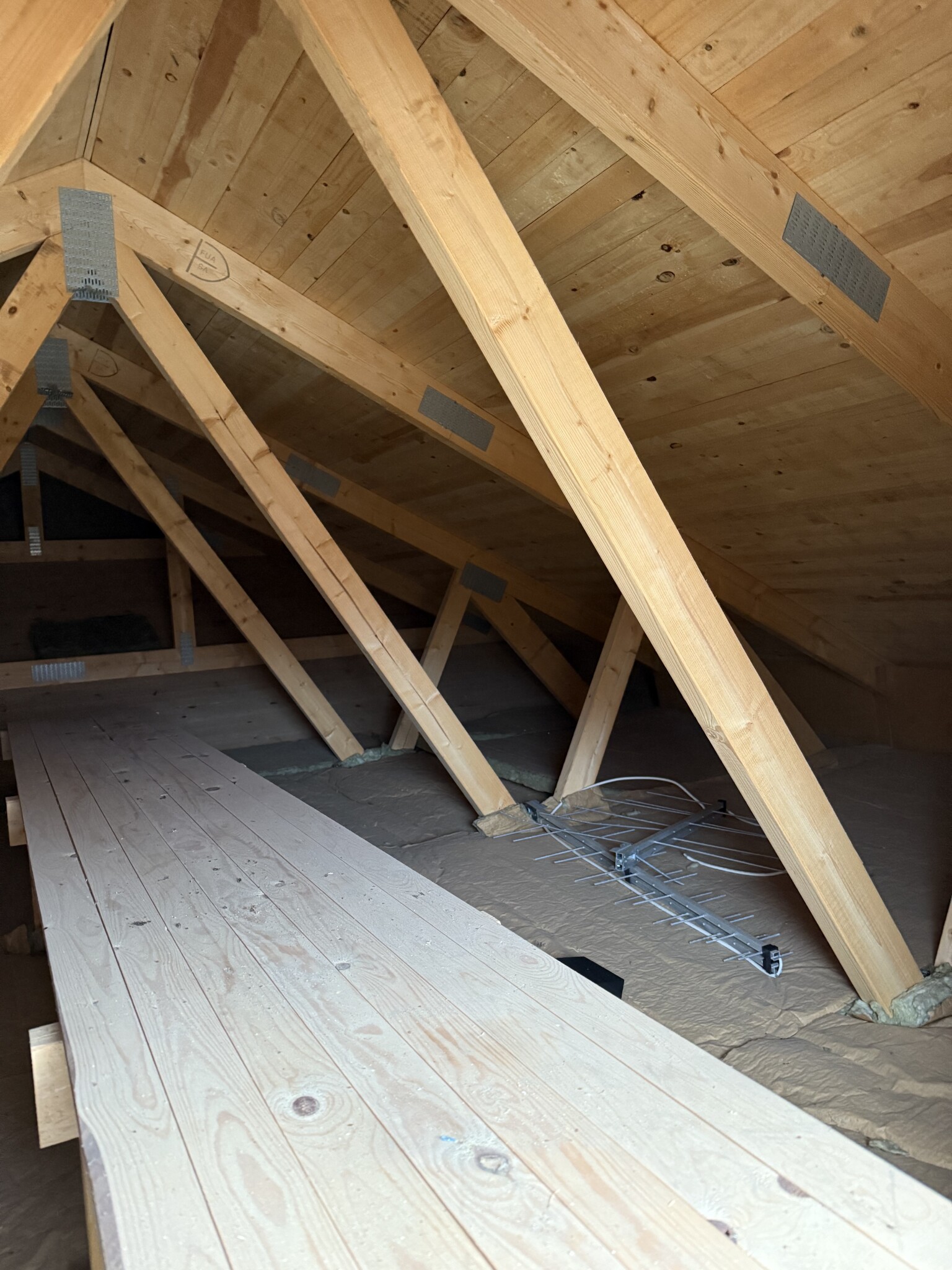
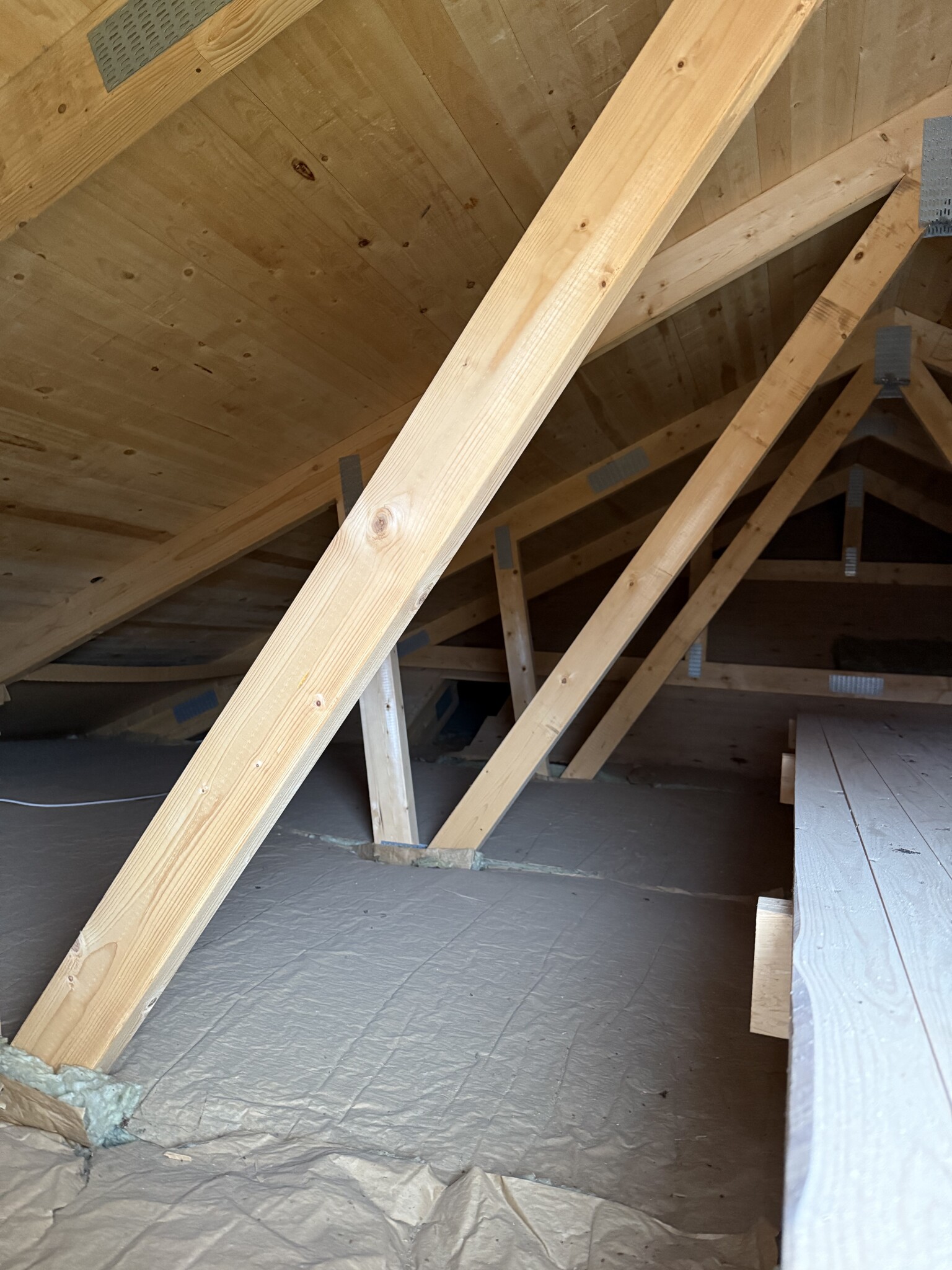
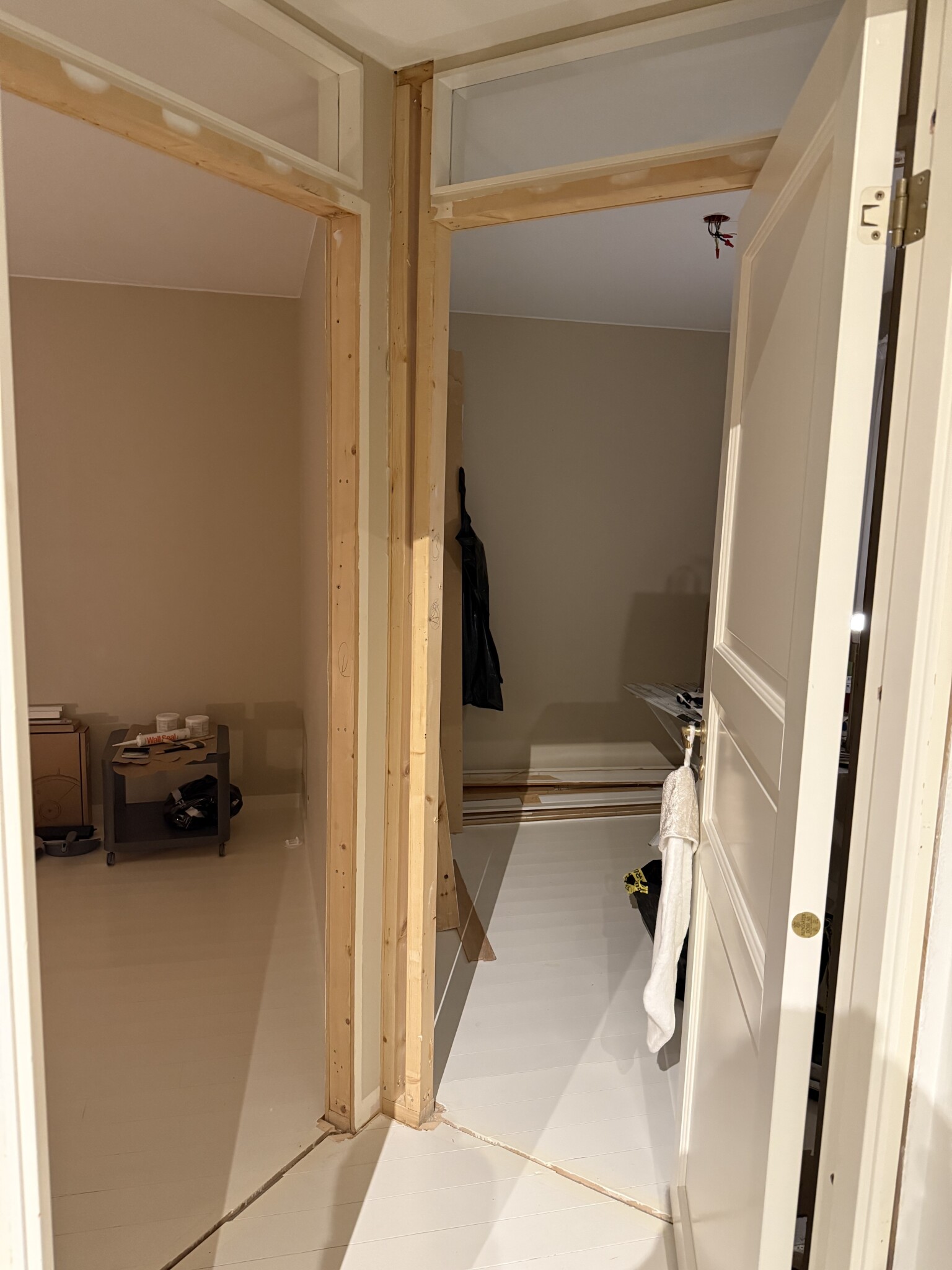
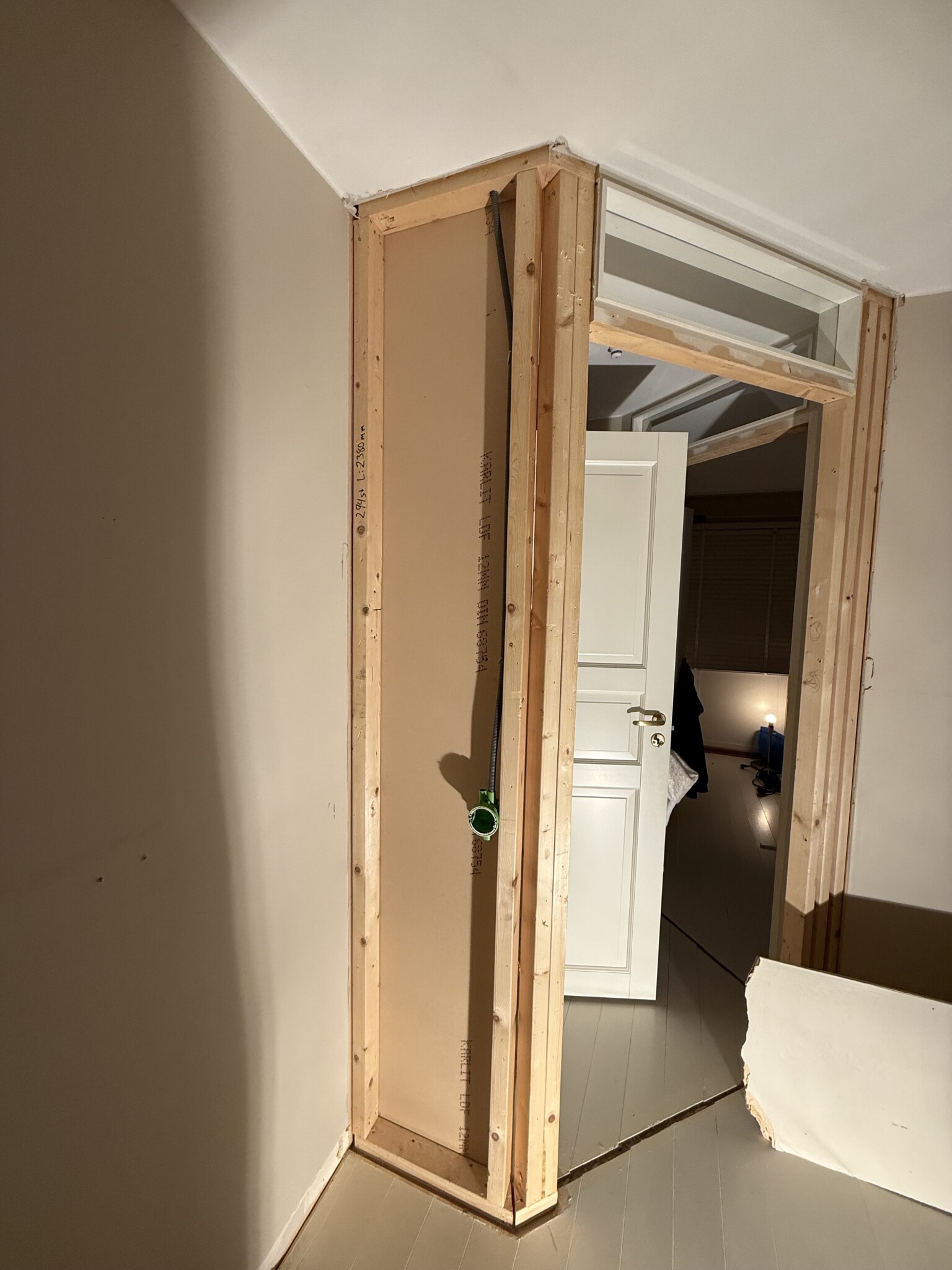
I took photos up in the attic of what the roof trusses look like. As mentioned, we won't even remove the wall since a new wall with an opening is going up. But I'm mostly thinking about whether we can freely remove the first wall and then build the new one, or should we play it safe and frame up the new wall first and then take down the old one? I've also attached some pictures of the hallway itself where we've started to remove the MDF; yes, it's MDF on all the walls instead of drywall.
Attaching some pictures, hopefully, they will be helpful for someone knowledgeable
I've tried googling back and forth and my understanding is that when it's a W formation with the roof trusses, they are self-supporting?
We are in the process of converting 2 small bedrooms into a larger bedroom and the small bedroom into a walk-in closet. (there is a small mini hallway with 2 doors to the respective bedrooms today)
[image]
We will need to move the wall about 30-40cm. See attached sketch, where I have drawn in red what is to be demolished and green for the new one.
Also included some sketches from HomebyMe of how we are thinking.
[image][image]
Photographed up in the attic to see how the roof trusses look. As mentioned, we won't even be removing the wall since a new wall with an opening will be built. But I'm mostly thinking if we can freely demolish the first wall and then build the new one or if we should play it safe and build the new wall first, then take down the old one? Also attached are some pictures of the hallway itself where we have started removing the MDF, yes it's MDF on all the walls instead of plasterboard.
Attached some photos that will hopefully be helpful for the knowledgeable
Thanks in advance!
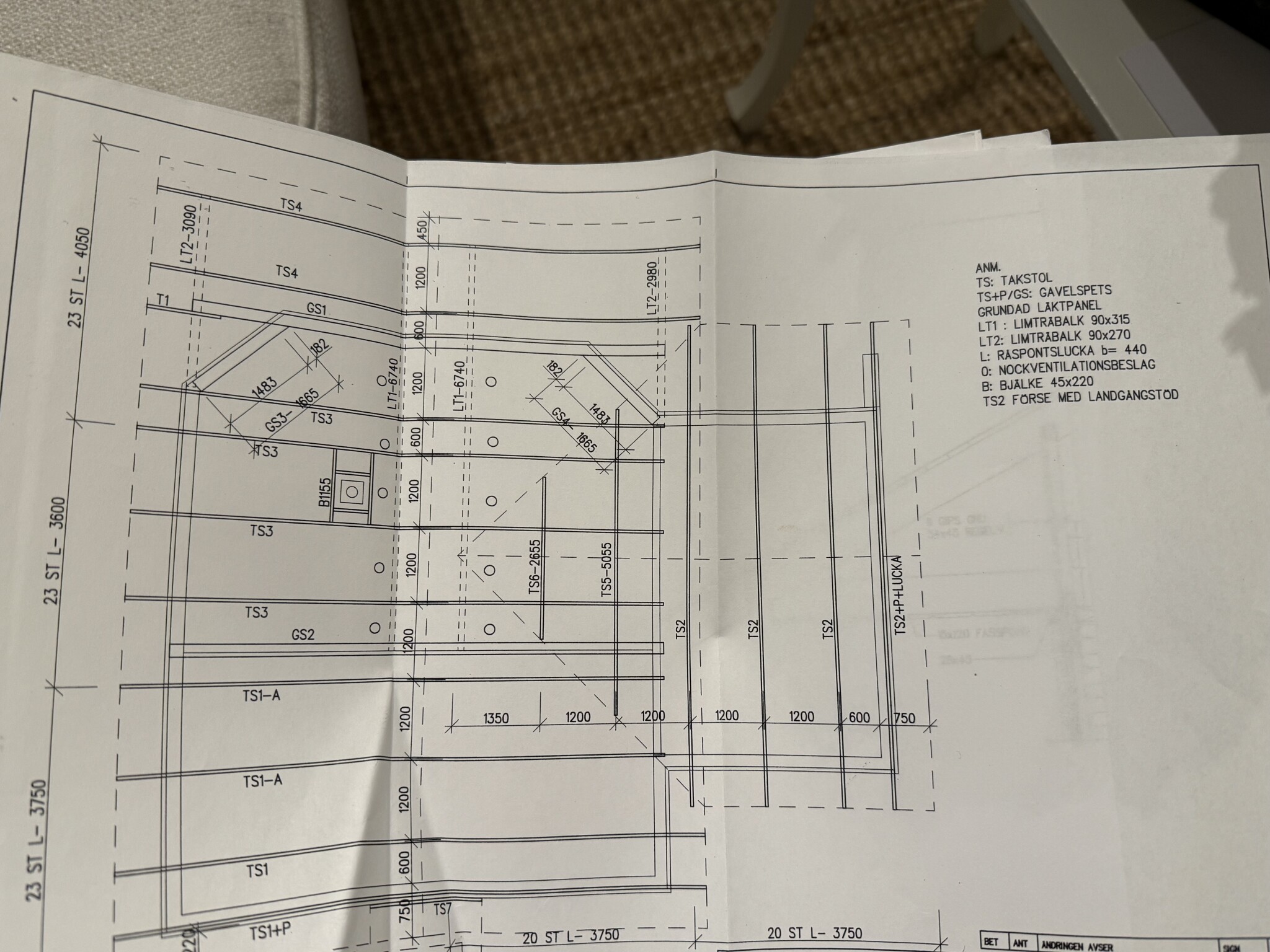
Probably not load-bearing. But don't you have any sectional drawings or other drawings of the house?
Provided that it is a single-story house and the truss images show the attic above the relevant space, the wall is not load-bearing.
Hi! Yes, exactly, it is a single-story house, and what I showed was directly above the room in the picture with the trusses. But the trusses don't need support/wall underneath them then?
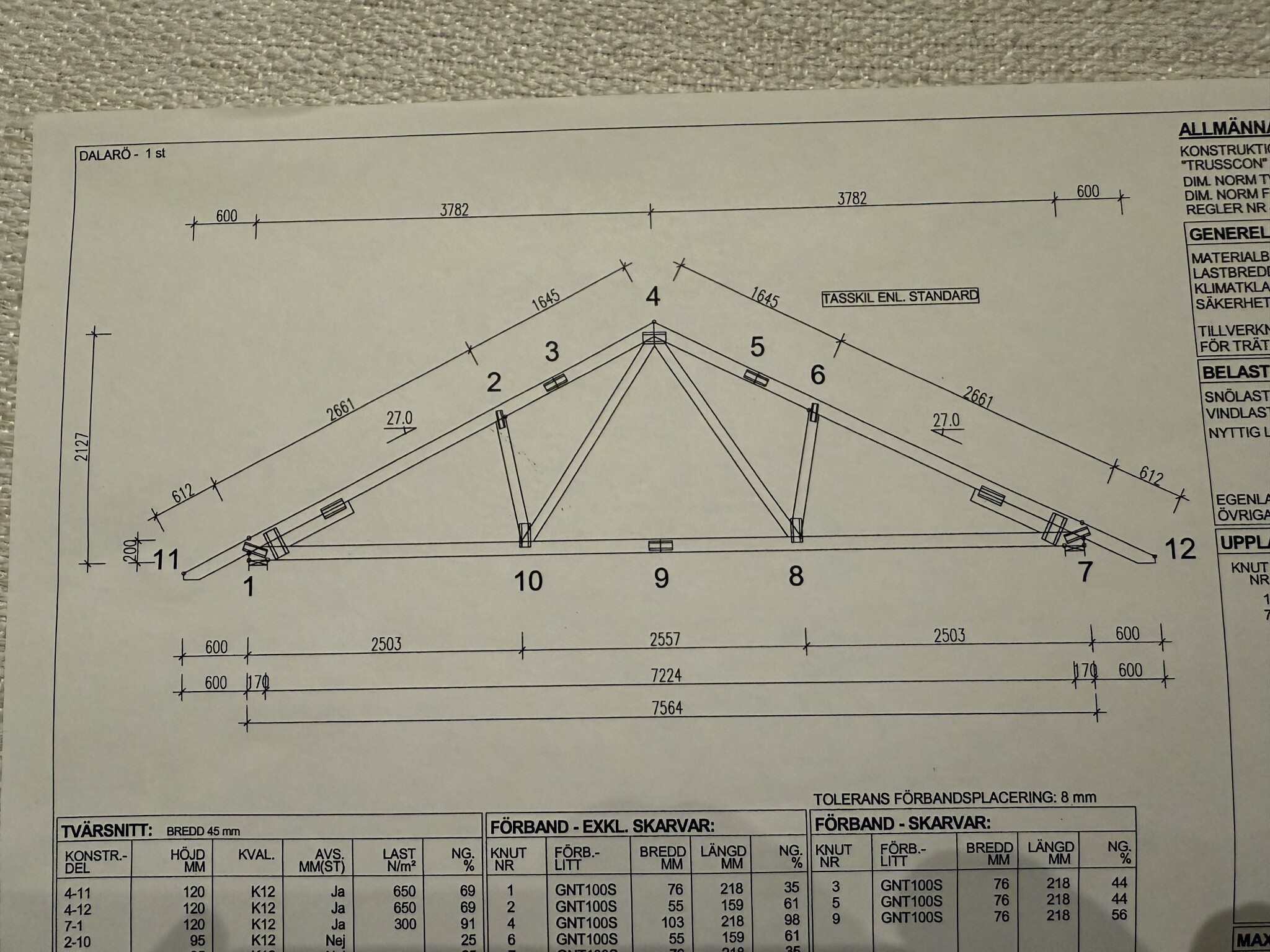
Yes, that helps. As you can see on the roof truss drawing, the supports are drawn at the ends on each side. It is the flat beams under the actual roof truss that are 170mm wide, marked with 1 and 7.
These are the ones that support the roof, so your dividing wall is not load-bearing.
Yes, it helps. As you can see on the truss drawing, the supports are drawn at the end of each side. It is the flat beams under the actual truss that are 170mm wide. Labeled with 1 and 7.
These are what support the roof, so your partition wall is not load-bearing.
Thank you so much for the information!😍🙏🏻 the flat beams under the trusses, where could you read that they are 170mm?


Ingenjören said:
Matti_75 said: