I've read quite a bit about demolishing blåbetong, living with it, and also load-bearing walls. I've gotten some answers to my questions, but I thought I could start a discussion about how I can solve my issues regarding the home we're about to buy.
I hope you can help me
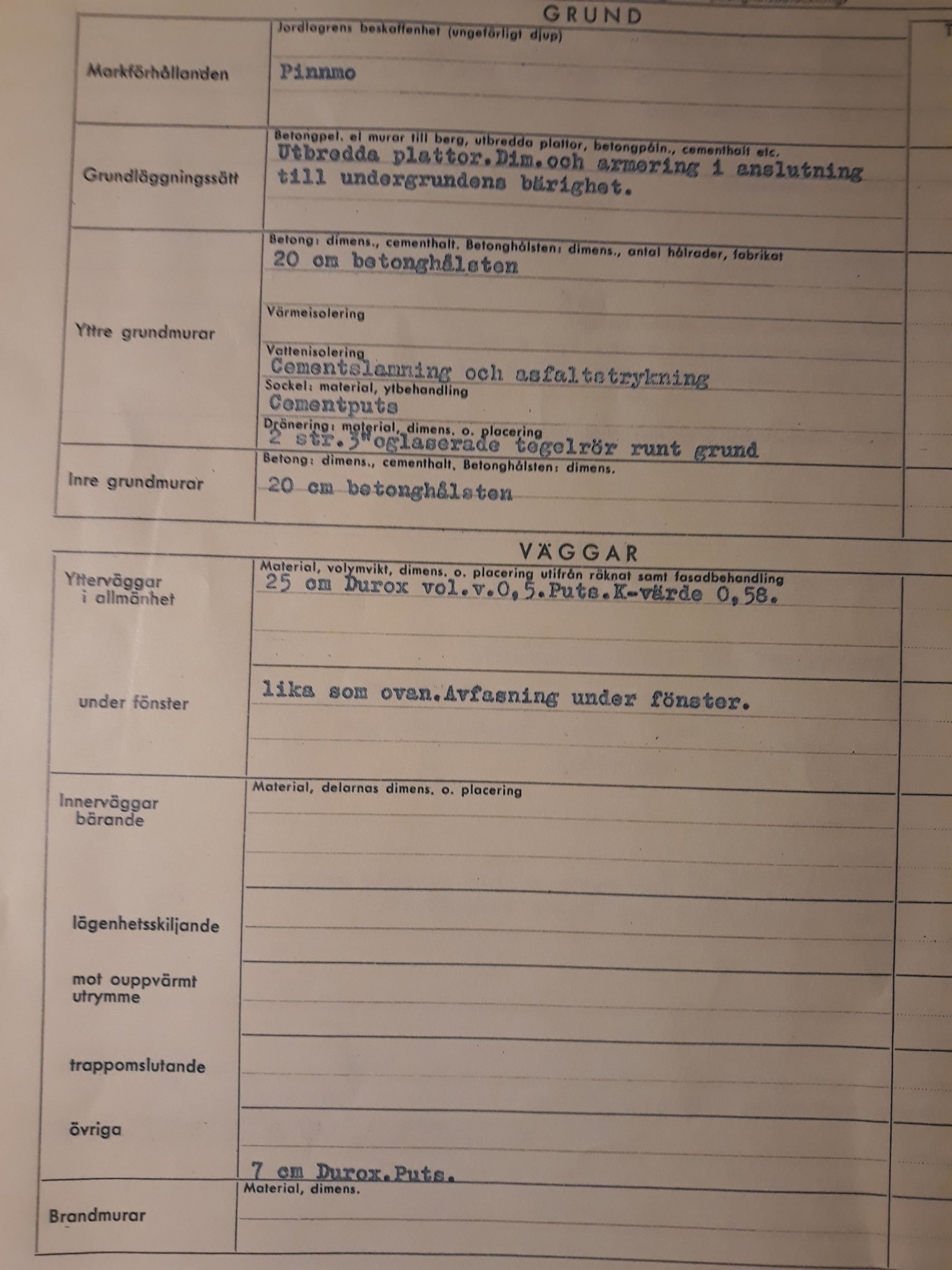
Before we get into the questions, I want to inform you that the interior walls are 7 cm durox (blåbetong/lightweight concrete) while the outer walls are 25 cm durox (as well as the thicker walls in the middle of the plan). NOTE: It is not the basement. It mistakenly appeared in the Photoshop file during export
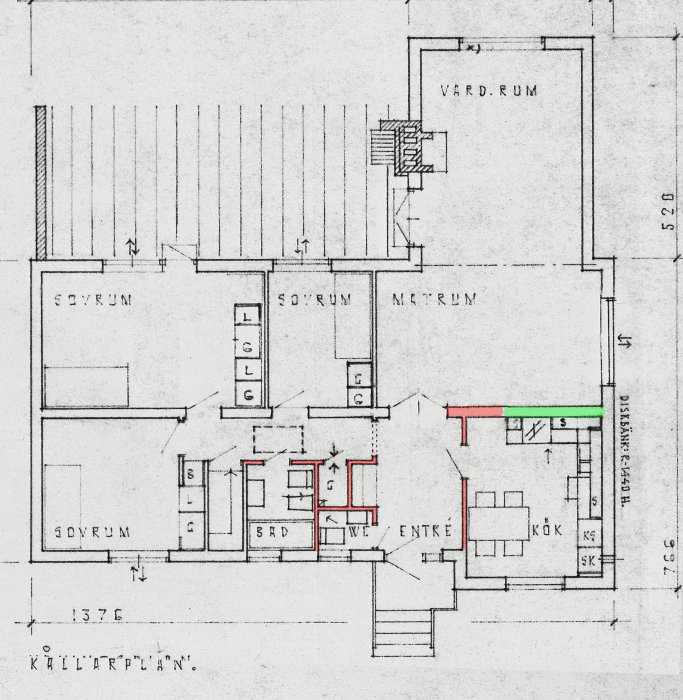
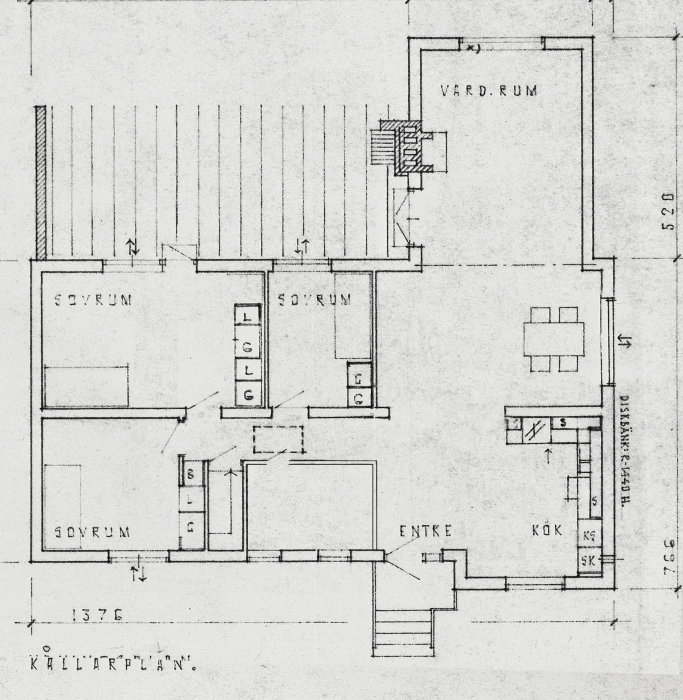
Below, I am attaching an image of the current plan solution.
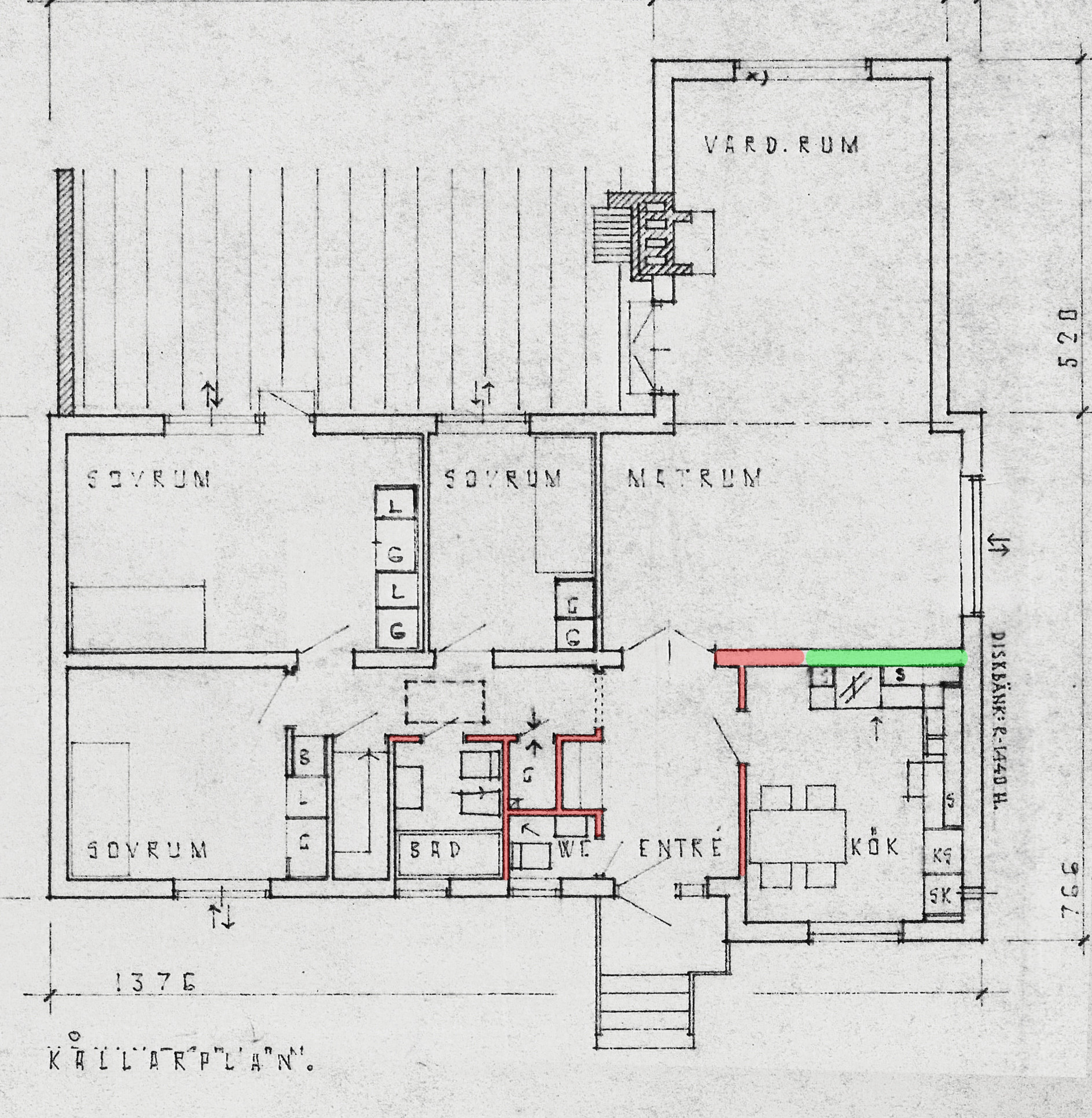
1. I want to tear down the red-colored walls to open up the kitchen and build a larger bathroom.
Is it possible to tear down these walls?
Can I do it myself, or do I need to hire a certified "blåbetong-expert" who handles the material in a certain way before and after demolition?
The thick wall (marked in red) I assume is load-bearing. Can it still be demolished if I leave the remaining walls in place?
2. I don't want to demolish the green-colored wall (because I assume it MUST stay due to being load-bearing).
Can I demolish half of it to create a "bar counter" so you can see out into the living room?
This is what my vision looks like. We believe it would suit our small family well.
I hope I get some answers to my questions. I appreciate all tips and responses
The thick red-marked wall section is likely load-bearing and must then be replaced with a beam. There might already be a beam over the double doors next to it. In that case, this need must be included. Nothing more can be said without a sectional drawing. A single-story house from the 60s with a frame of gasbetong can offer some surprises, so more drawings are important.
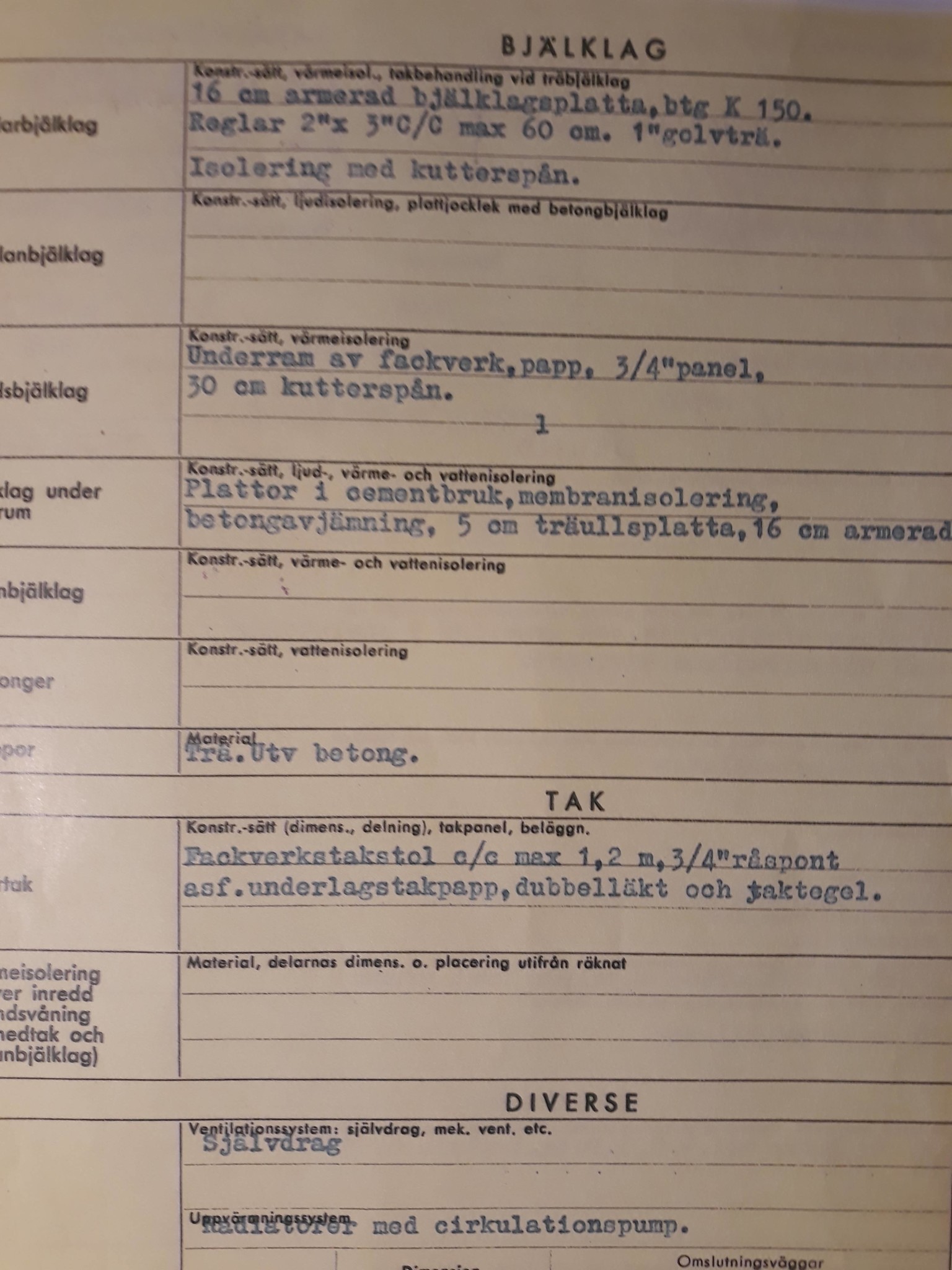
Is the attic a cold attic that you can only access through a hatch? The technical description mentions trussed rafters, but that doesn't match the drawing. Do the rafters look like what the drawing shows?
Is the attic a simple cold attic that you only access through a hatch? In the technical description, it states truss rafters but that doesn't match the drawing. Do the rafters look like the drawing shows?
Yes, exactly. Currently, it is a cold attic accessed through a hatch.
But my plan is to renovate up there and add a spiral staircase. I'm thinking of having an open floor plan up there, possibly a room with a simple WC.
If you are going to use the wind in that way, the joist loads will be significantly higher. It's a good thing you mentioned it now. I have measured your drawings and concluded that the glulam beam needs to be about 2.7 meters long. Then the dimension 90x225 mm should be sufficient. If you cannot arrange support for it on the light concrete, you can alternatively use glulam columns 90x90 mm. In that case, cut out the floorboards so that the columns can stand directly on the concrete joist.
If you are going to use the wind in that way, the floor loads will be significantly higher. It was good that you mentioned it now. I measured your drawings and concluded that the glulam beam needs to be about 2.7 meters long. In that case, a dimension of 90x225 mm should suffice. If you can't provide support for it on the aerated concrete, you can alternatively use glulam columns 90x90 mm. In that case, cut out the floorboards so that the columns can stand directly on the concrete slab.
Do you mean where I want to tear down the "thick wall" by the kitchen?
I'm an amateur when it comes to these questions and a "home builder," so I have to ask:
How could you see that from the drawings?
The beam encompasses the part you want to demolish and the doorway that exists there today. The drawings show both how the building's structural system is constructed and the dimensions of the various parts. Then you need to know how to use this information.
Click here to reply
Vi vill skicka notiser för ämnen du bevakar och händelser som berör dig.