Hi, checking the possibilities of expanding my basement garage a bit since it is a bit too small if I want to store the car there over the winter. So I thought I'd see if I could knock out a wall to make the garage bigger. But I'm unsure if the wall is load-bearing and have tried to get more blueprints and stuff from the municipality but unfortunately, they don't seem to have more than what I already have.
So I'm wondering if you could help me to see if it is load-bearing or not.
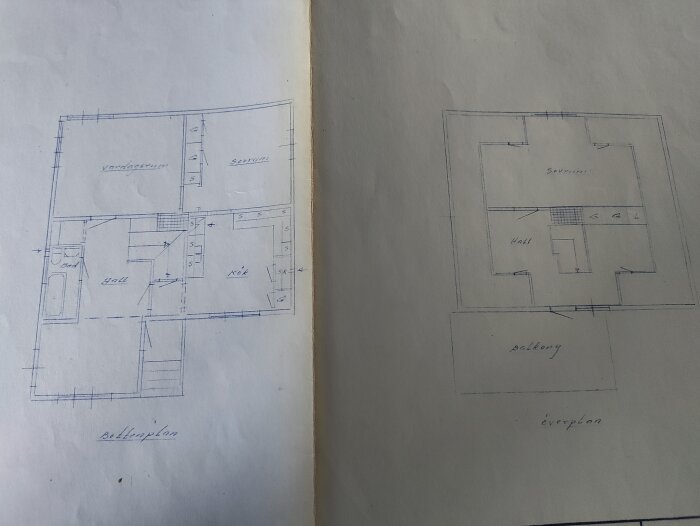
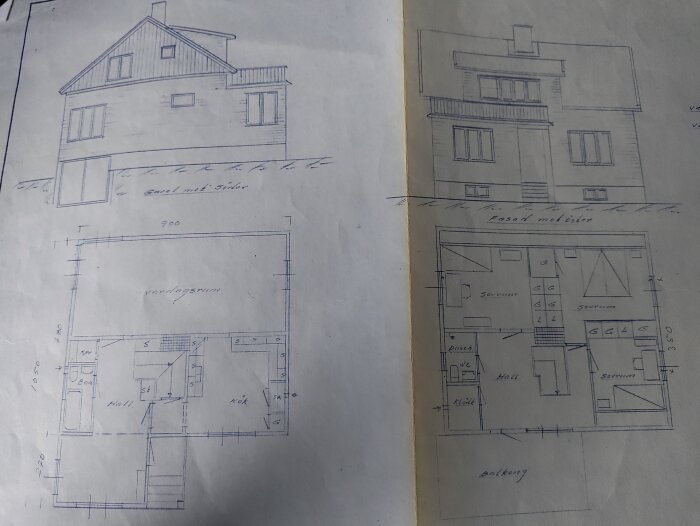
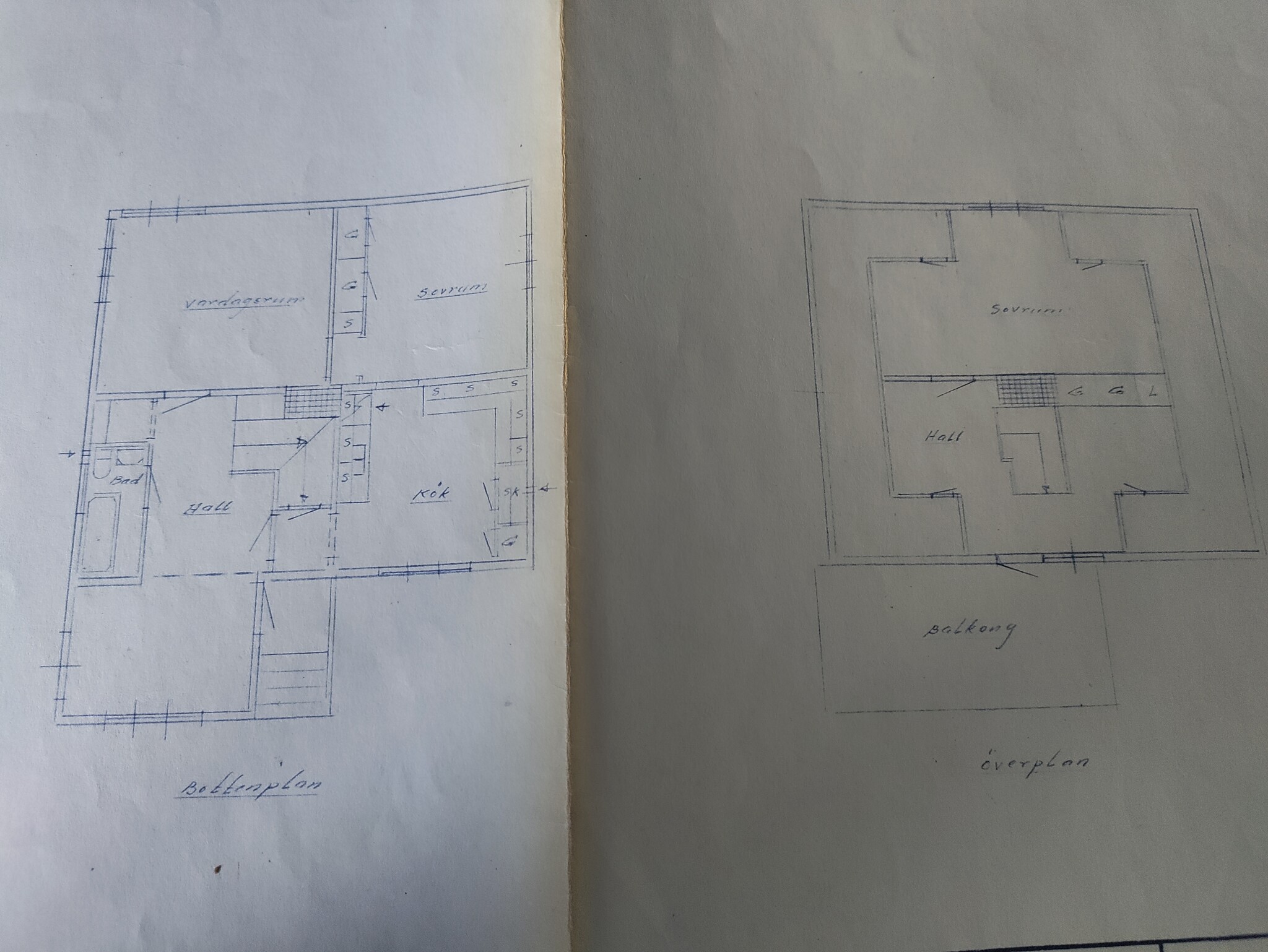
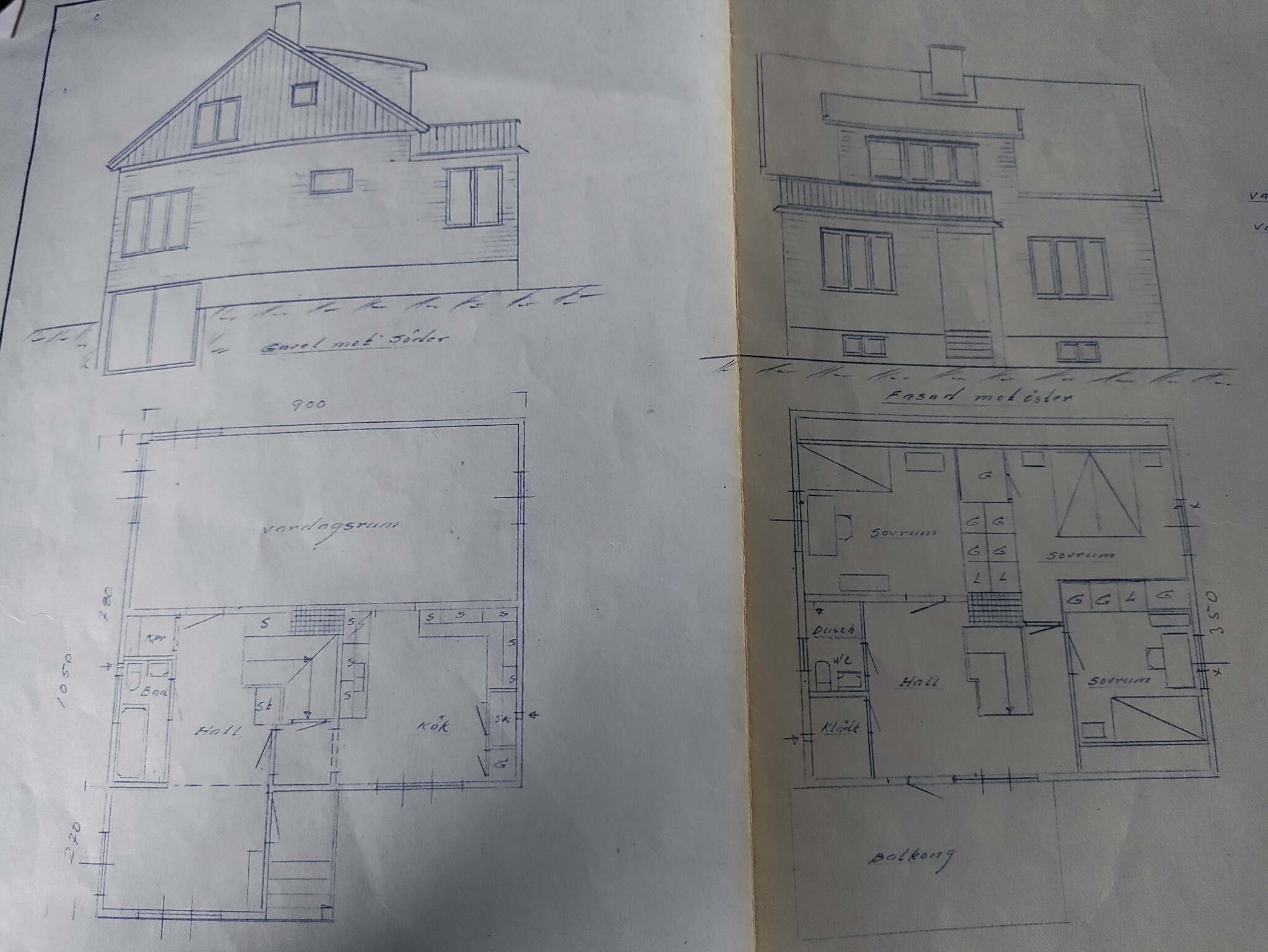
The first drawing shows what the house looked like when it was built around 1920, then they added a larger upper floor and renovated the rest of the house in the 60s so it became like the newer drawing.
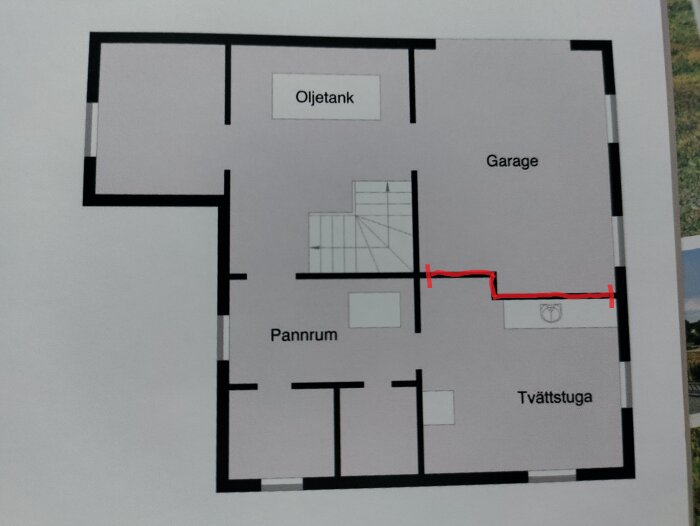
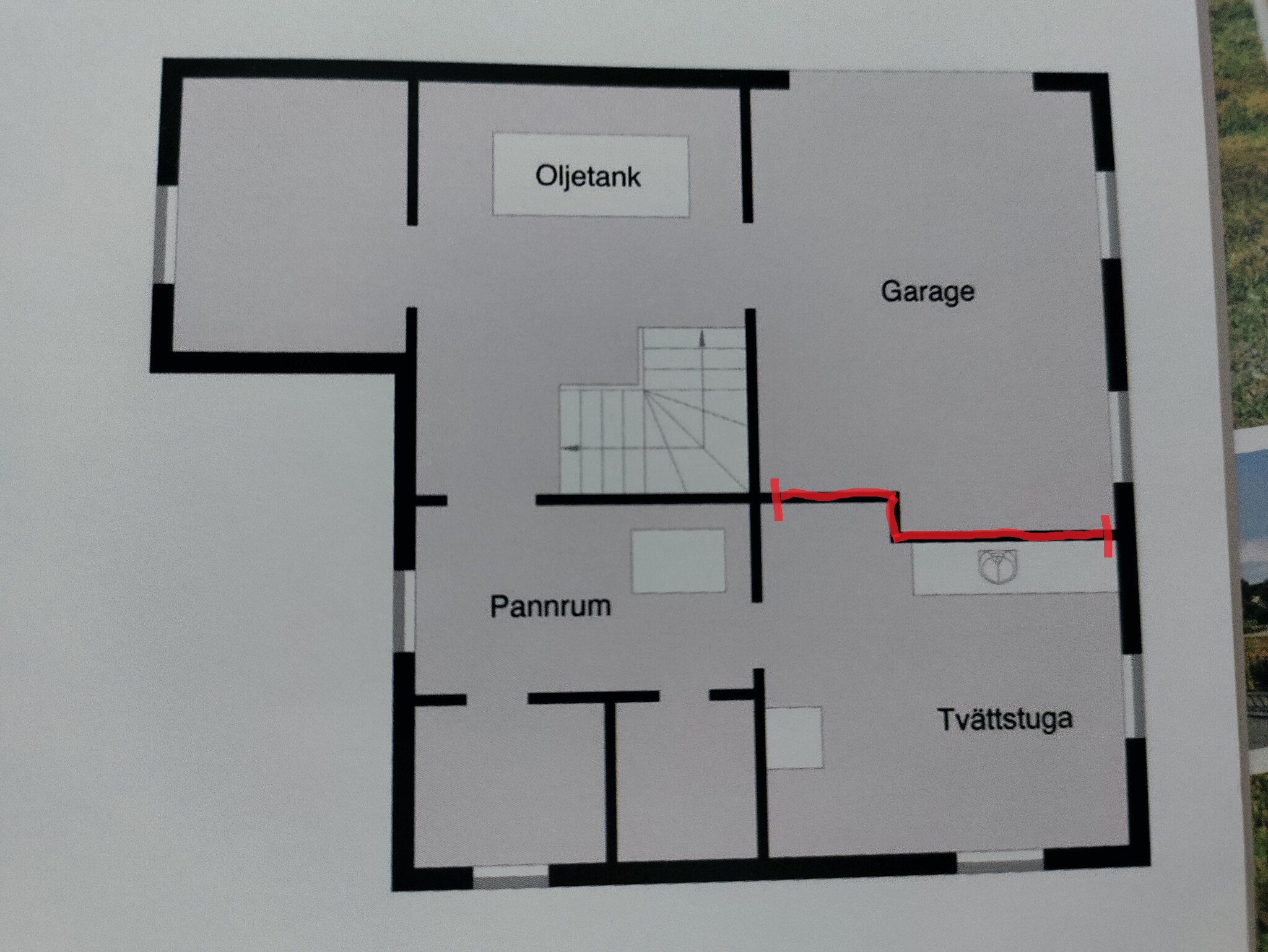
The red marked wall is the one to be removed and it is right under the living room between the outer wall and the center wall that runs through the whole house.
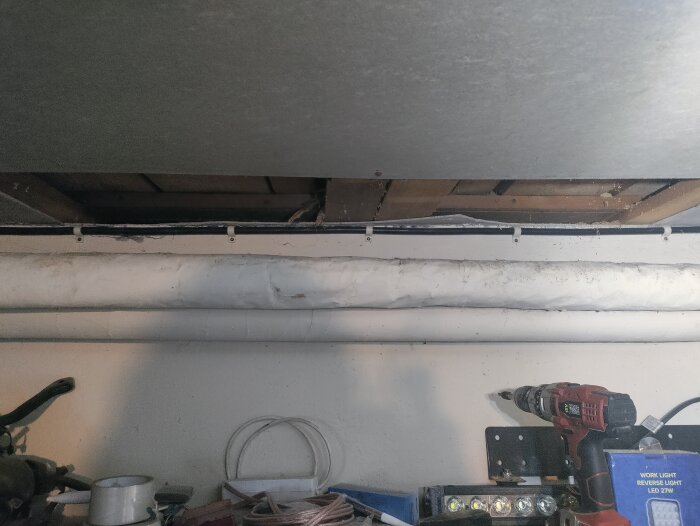
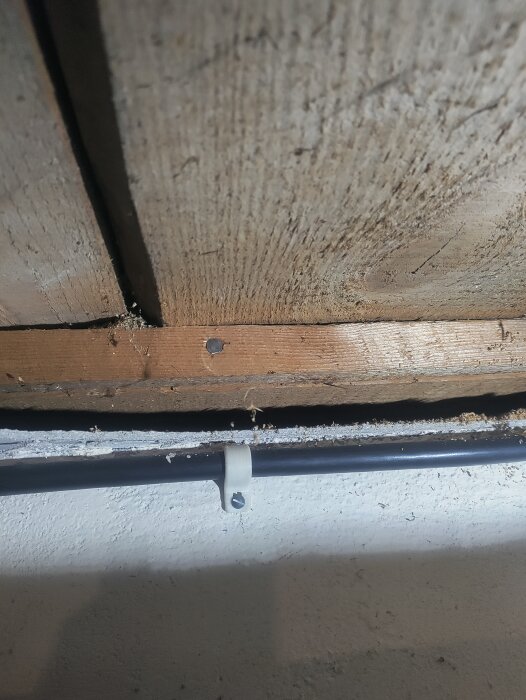
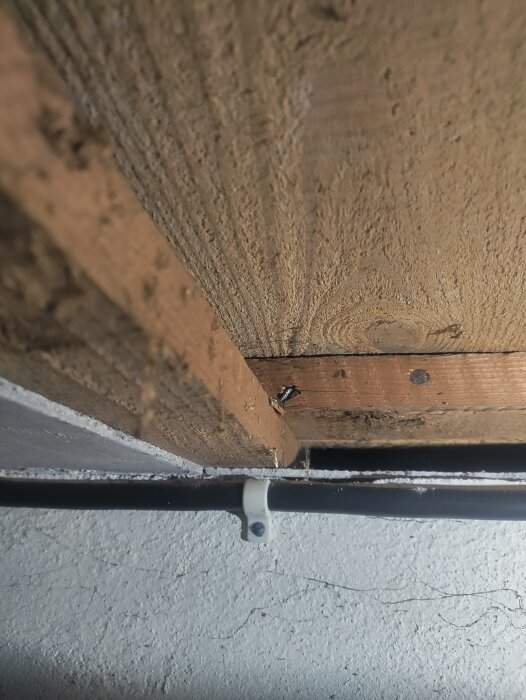
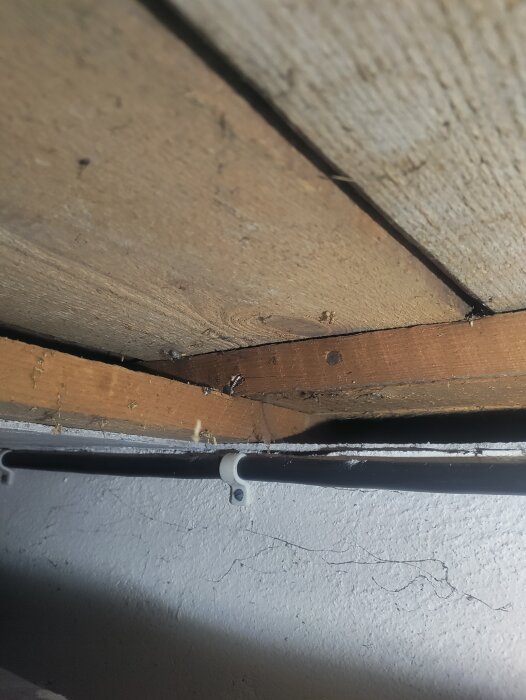
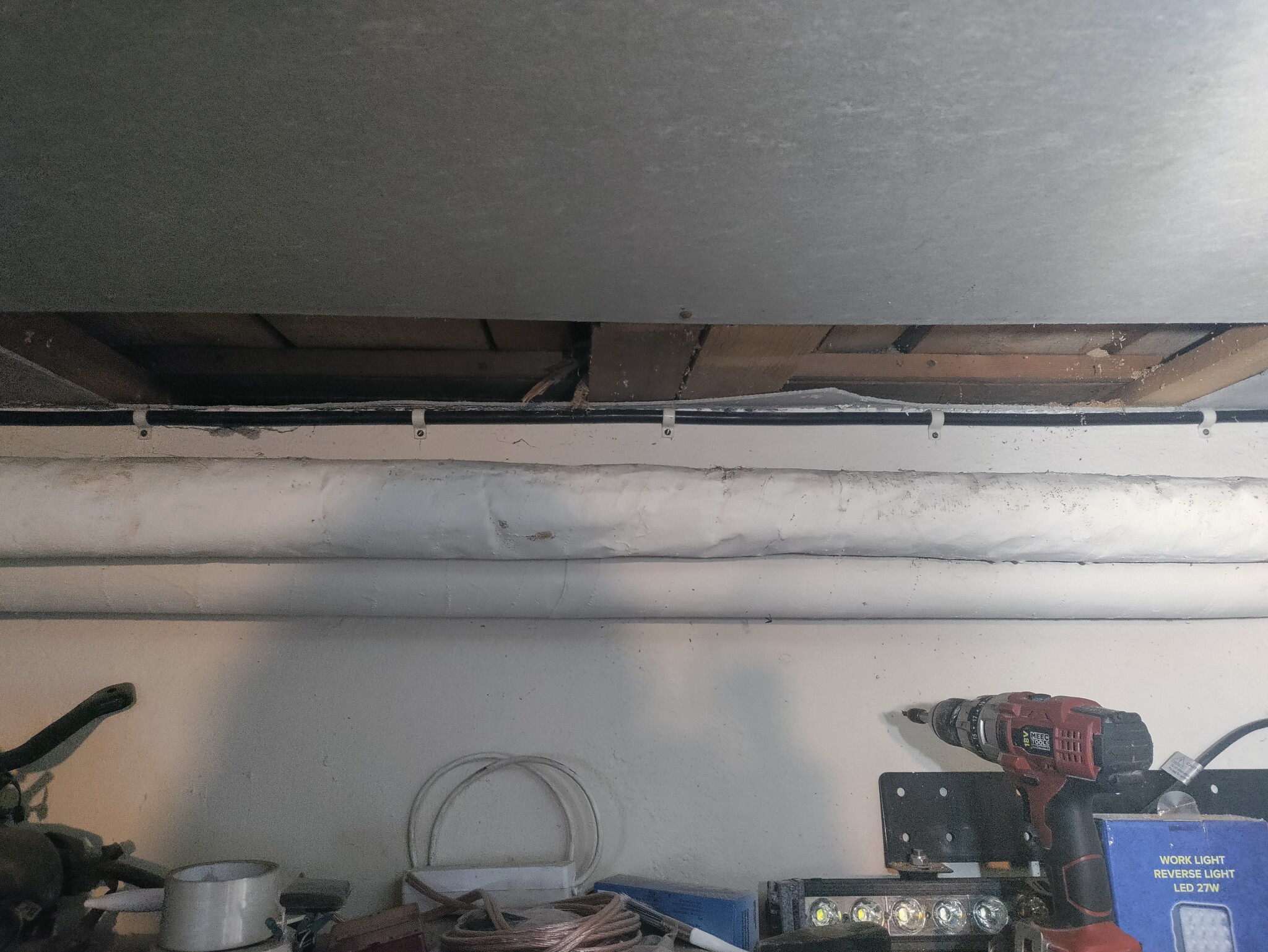
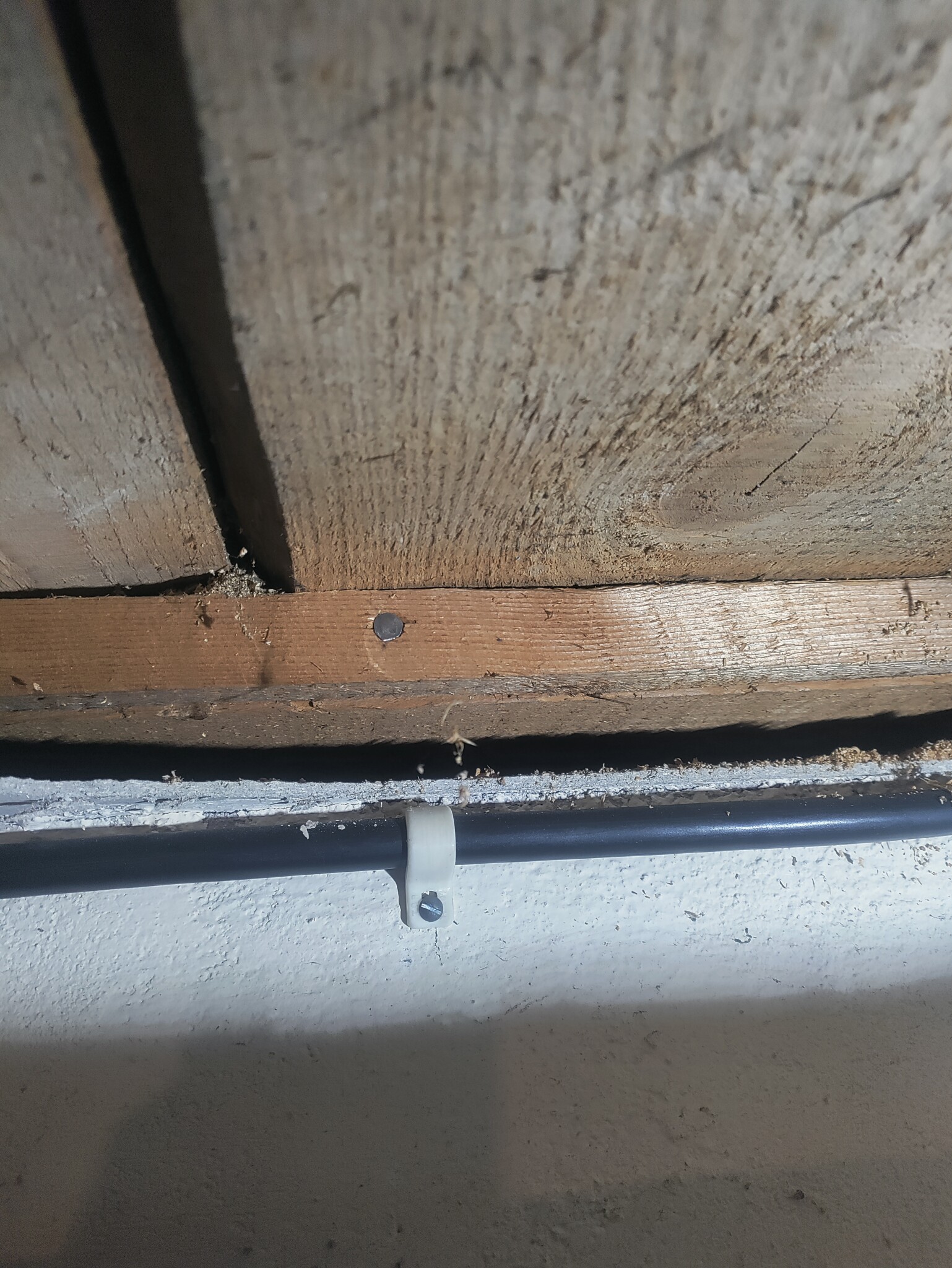
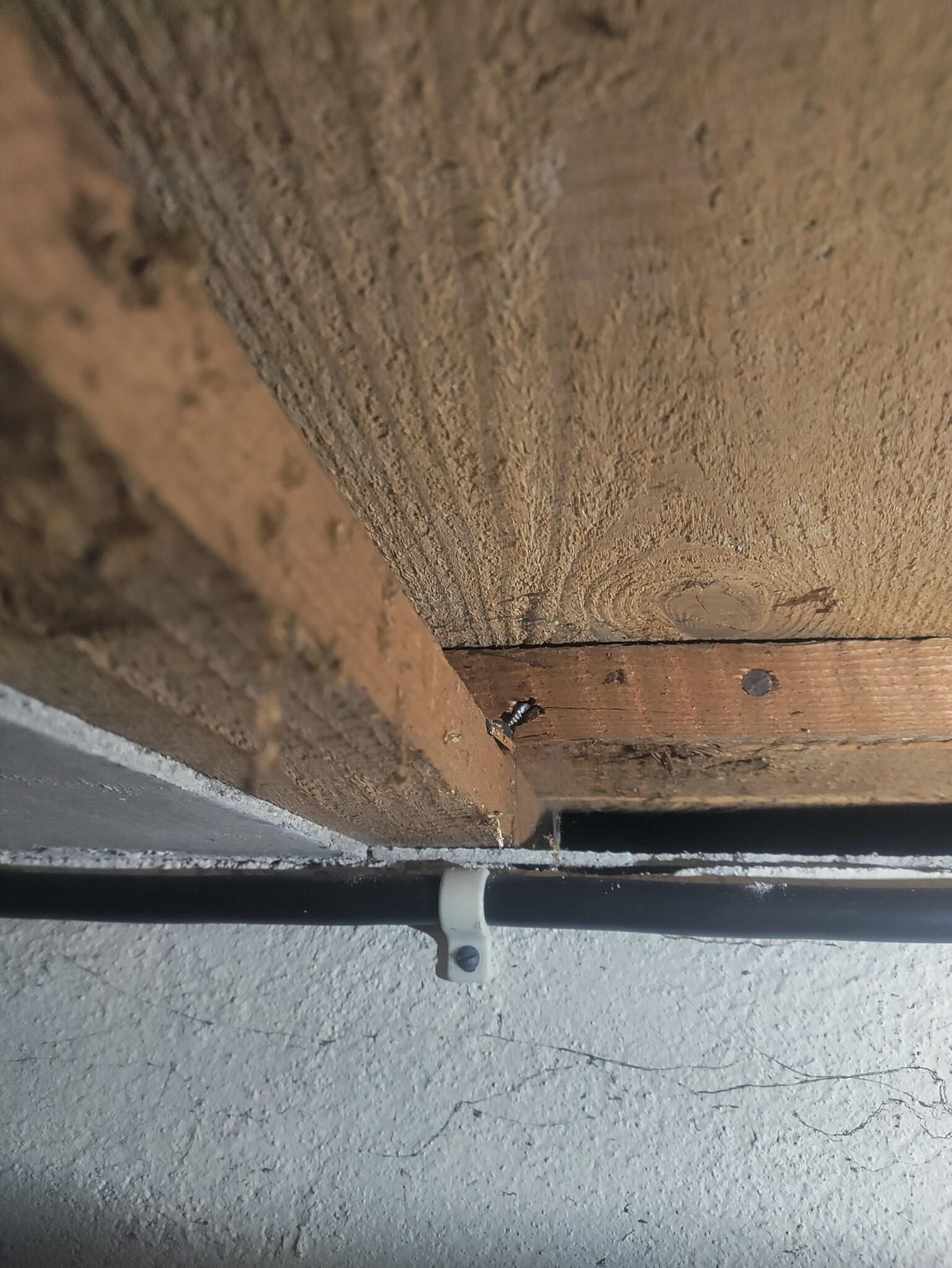
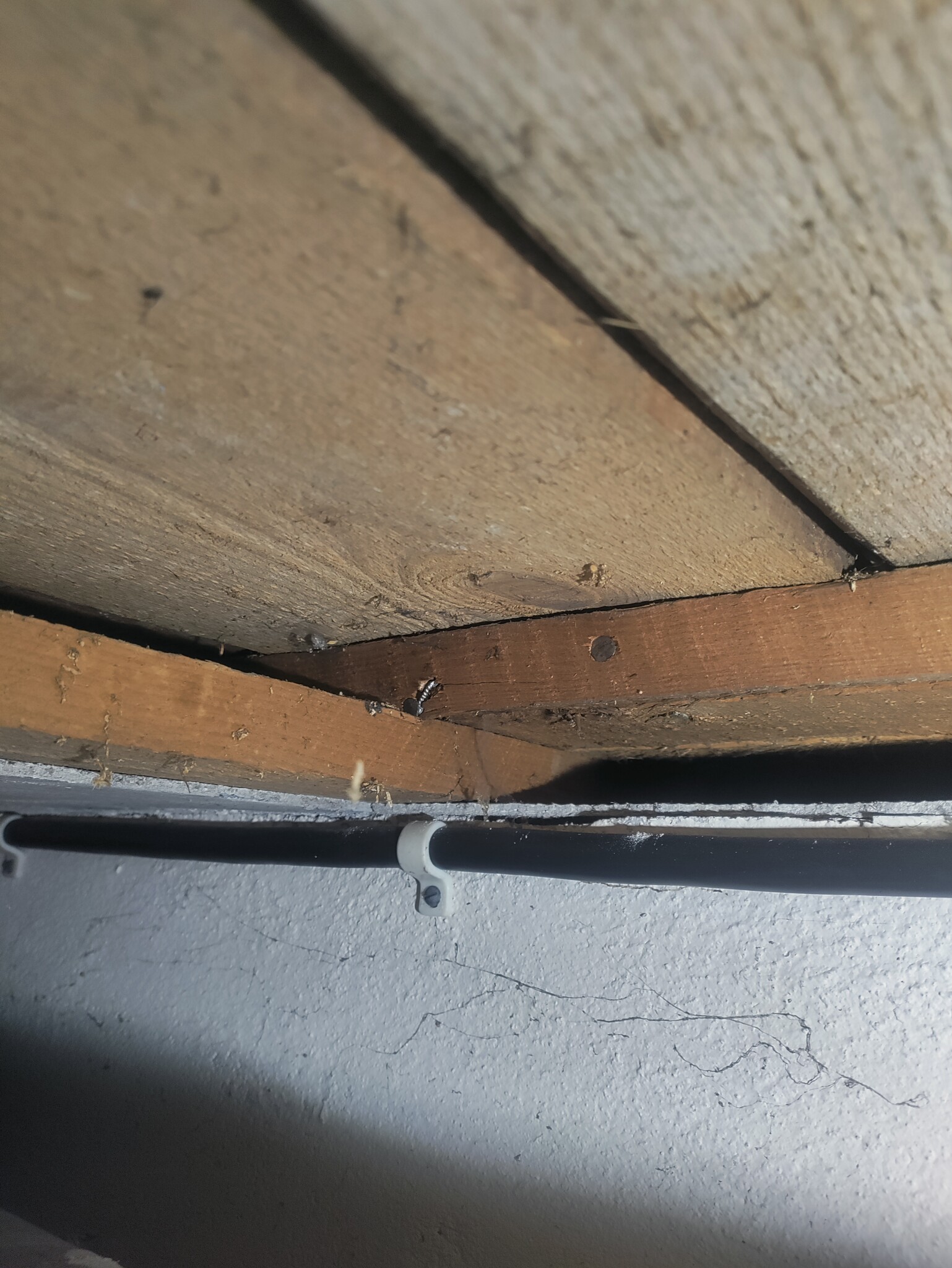
Then you can see in the remaining pictures how the ceiling structure is against the basement wall and the ceiling panels that are in the ceiling also continue between the rooms.
So as I think, that basement wall should have come up after the ceiling panels were installed because otherwise how else could you mount those panels?
I perceive that the wall between the garage and the hall, as well as between the laundry room and boiler room, etc., is load-bearing because it is under the ridge. Typically, walls that run perpendicular are not load-bearing, especially with your description that it seems to have been installed later. However, it's likely that a part of the wall, about ½ - 1 m closest to the outer wall, is needed as support to prevent the outer wall from being pushed in by the earth masses outside.
But house construction in the 1920s was still not so standardized, so there may be unexpected building methods, so it is always safest to bring in a structural engineer to check on-site.
Click here to reply
Vi vill skicka notiser för ämnen du bevakar och händelser som berör dig.