
Hey, I'm thinking about tearing down a wall in the living room, it doesn't run in the same direction as the roof trusses or anything, the house is from 1933. Had a carpenter take a look and he thought I could demolish it and put in a glulam beam if I was unsure. There's no blueprint of the house... I'll be removing the entire opening and about half of the wall behind the TV.
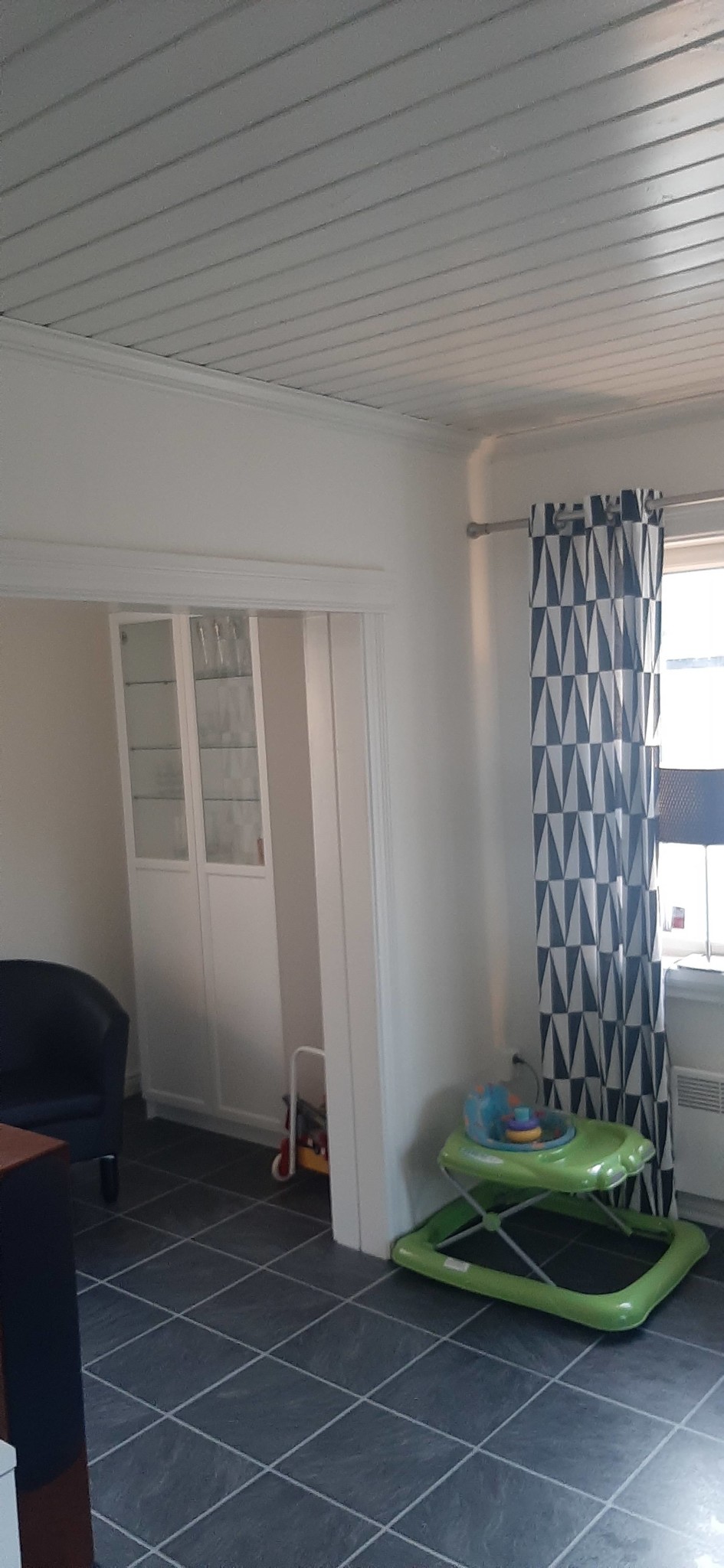
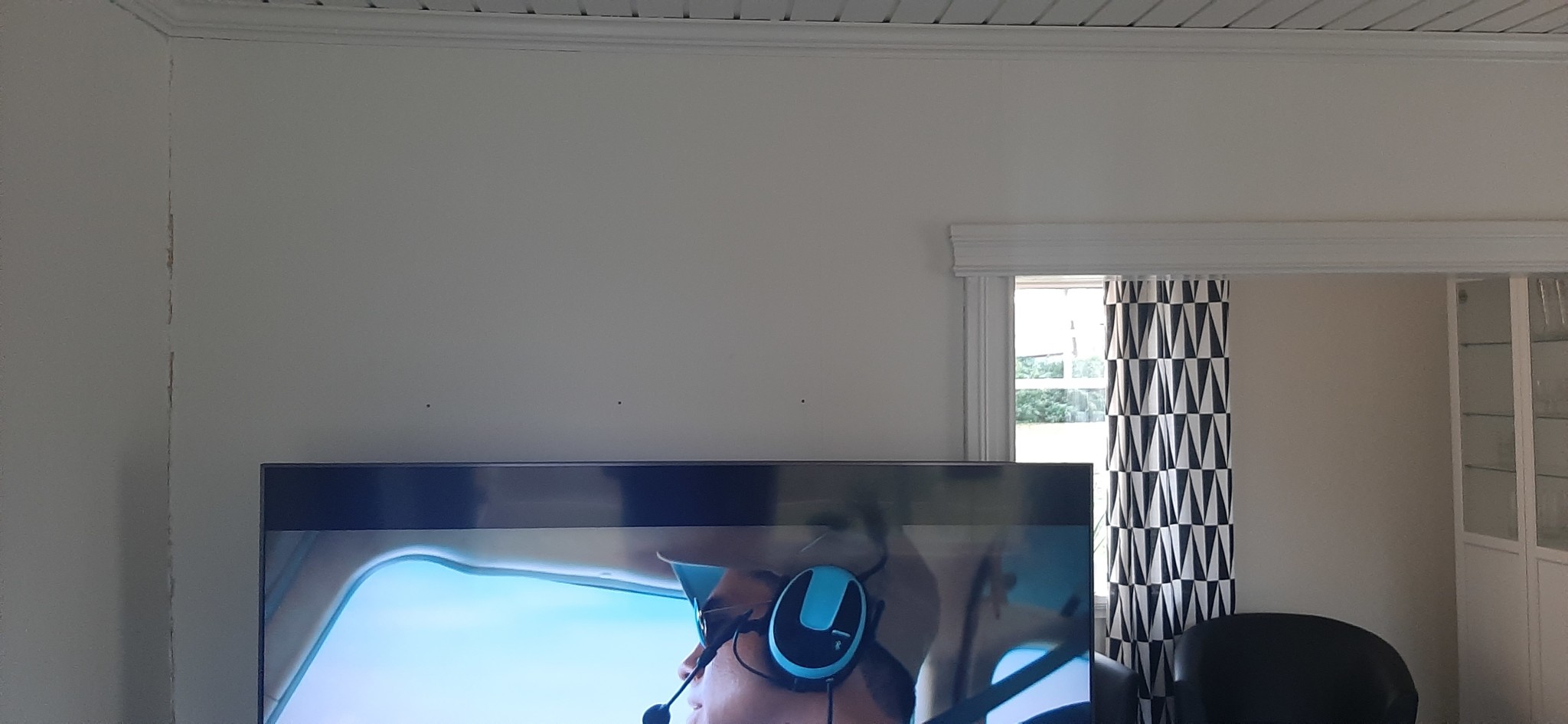
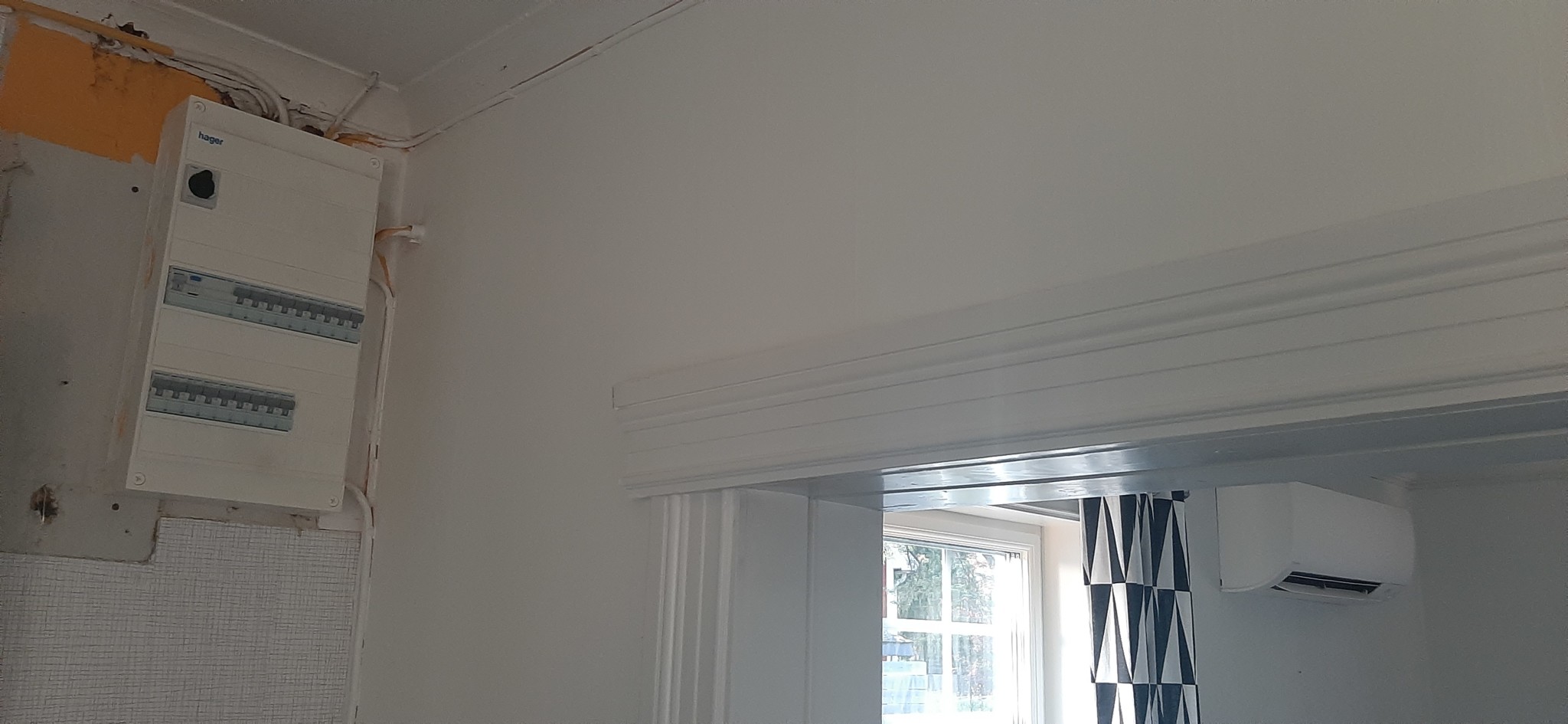
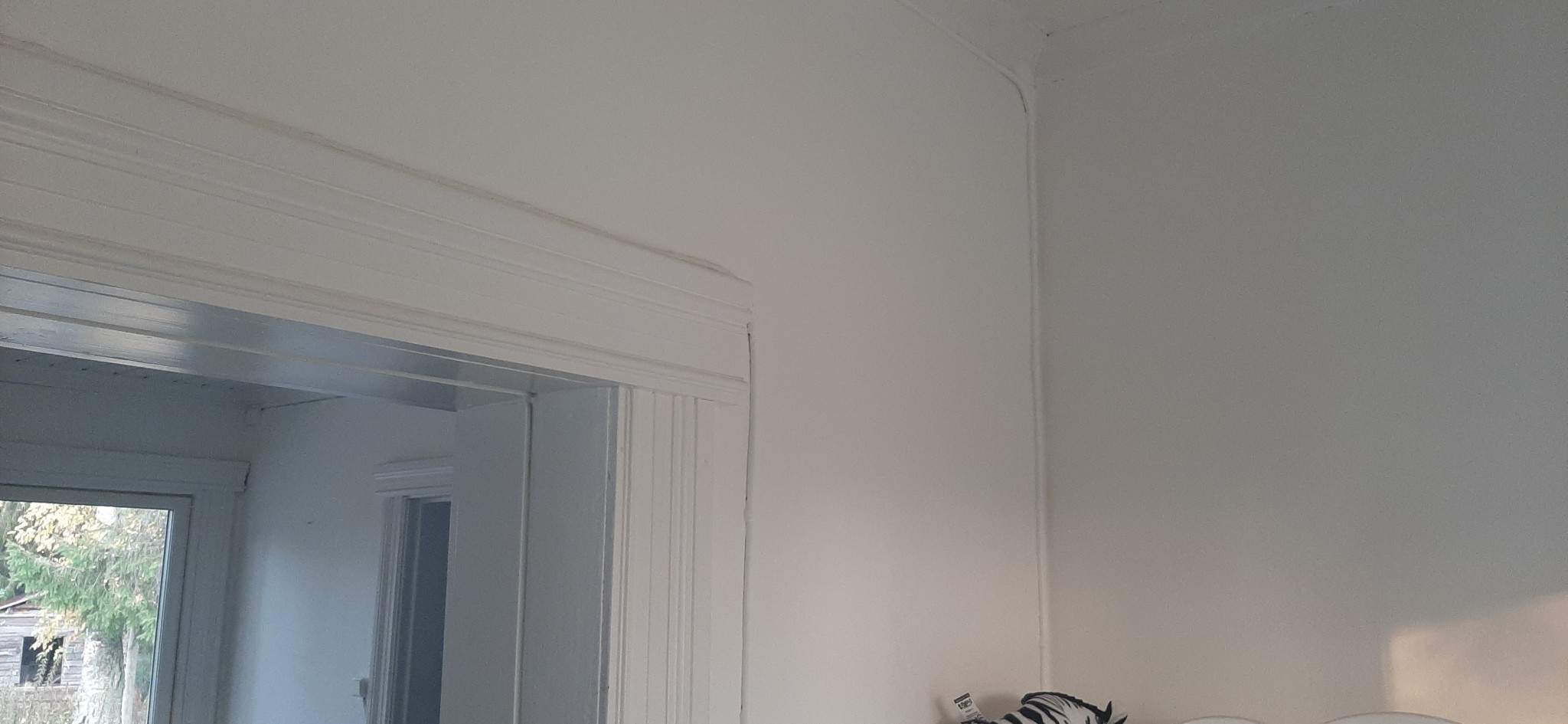

If the wall runs perpendicular to the trusses, it is likely load-bearing. If the house was built in 1933, it has a plank frame where all walls often have some limited load-bearing function, such as replacing a beam in the joist. I strongly advise against demolition without a proper investigation. Your carpenter probably does not have the right expertise for this.
The wall is not going in the same direction as the rafters. Then I was thinking of putting up a glulam beam. Also, not the whole wall will be removed, just opening up the entire opening; the wall is a total of 4.2m, but I was thinking of removing about 3m of it, meaning the whole wall where the children's stuff is and half behind the TV. Because I can't remove the whole thing since the small room behind the TV is narrower because I have the stairs there, hence I'm only removing half of the wall behind the TV and the opening where the children's stuff is, so 1.2m will remain of the total 4.2m wall.J justusandersson said:If the wall is perpendicular to the rafters, it most likely is load-bearing. If the house was built in 1933, it has a plank frame where all walls often have a limited load-bearing function, e.g., as a replacement for a beam in the floor structure. I strongly advise against demolition without a proper investigation. Your carpenter probably does not have the right expertise for that.
Last edited by a moderator:


Intervention in load-bearing structures requires a building notification to the municipality, and they usually require calculations for the dimensions of the glulam beam and its columns, such as those made by structural engineers.

If the wall doesn't go in the same direction as the rafters, it is load-bearing!Waahlvik said:The wall doesn't go in the same direction as the rafters. I was thinking of putting up a glulam beam. Also, not the entire wall is going to be removed, just opening up the total opening; the wall is 4.2m, but I plan to remove about 3m of it, basically the entire section where the kids' stuff is and half behind the TV. I can't remove the entire thing since the little room behind the TV is narrower because I have the stairs there, therefore I'm only going to remove half the wall behind the TV and the opening there on the side where the kids' stuff is, so 1.2m of the wall will remain out of a total 4.2m wall
Talk to a structural engineer and take a closer look at what needs to be done BEFORE you remove parts of the wall.
Do it right, and there's no problem, but if you do it in the wrong order, you'll end up on YouTube.
Since the wall does not run in the same direction as the rafters (i.e., it is perpendicular to them), it is likely load-bearing. Designing the beam necessary to enlarge the opening requires knowledge of structural engineering. A carpenter typically cannot handle this. Do not proceed until you have access to the right expertise. The person who will then perform the work should have knowledge of houses with plank frames.
J justusandersson said:Since the wall doesn't run in the same direction as the roof trusses (i.e., it's perpendicular to them), it is likely a load-bearing wall. Designing the beam that is required to enlarge the opening requires structural engineering knowledge. This is something a carpenter normally can't handle. Don't do anything until you have access to the right expertise. The person who will then perform the work should have knowledge of houses with plank frames.
Yes, I'll definitely check before I start, a construction company I've hired for previous work will come by to look at the wall; he has demolished load-bearing walls before and knew how to brace them properly, so I'll see what he says first. As you can see, the construction company handles contracts and also does new constructions.
Last edited by a moderator:
Construction firms normally do not have sufficient knowledge to size things correctly, and you absolutely do not want to cause settling in the house because it becomes very expensive.
New construction is very far from houses built with a "plankstomme".
New construction is very far from houses built with a "plankstomme".
Click here to reply