
Hello,
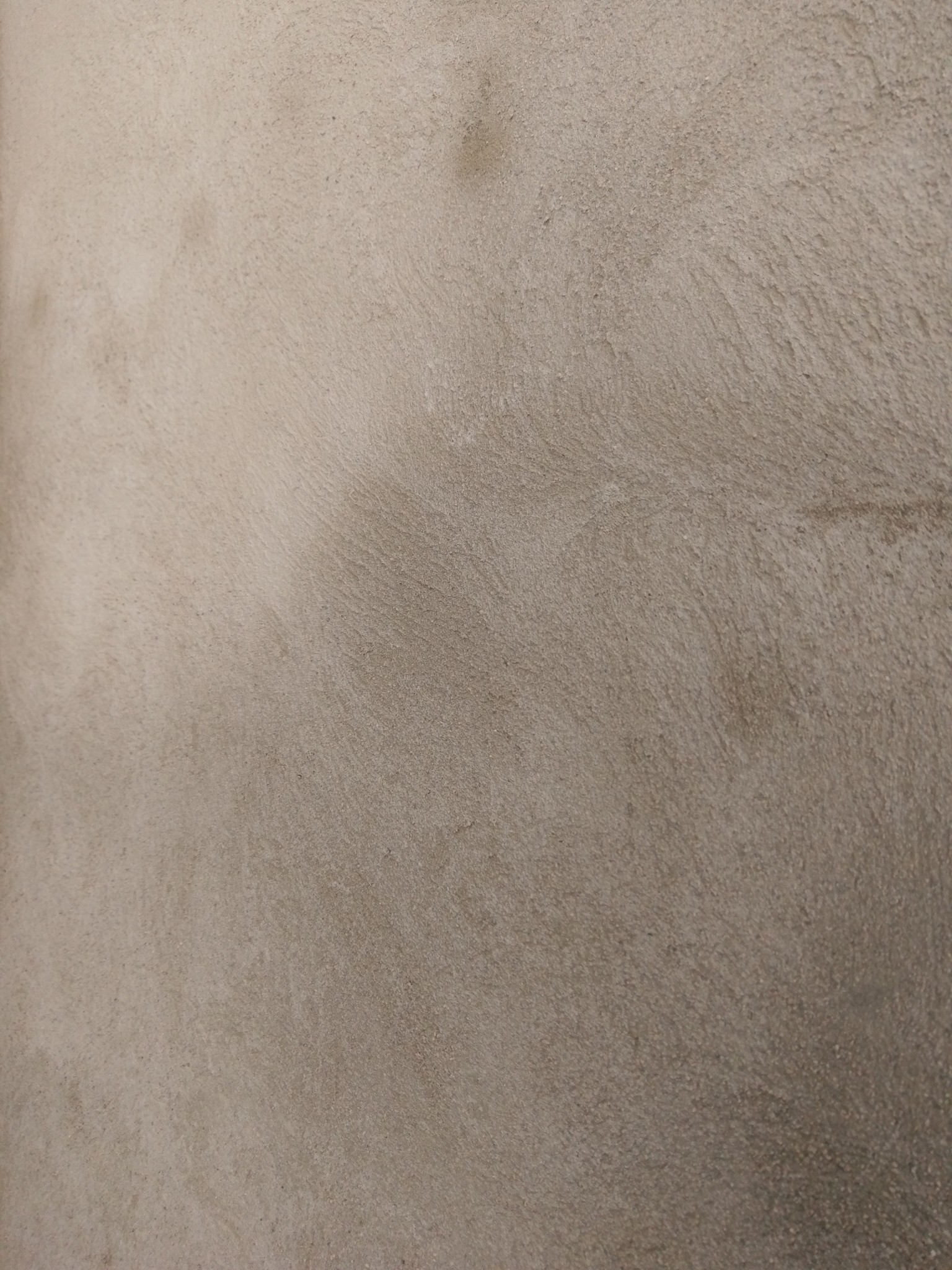
How should the plaster be worked to get it as smooth as possible? There isn't much information about different methods online and what results one can expect. I chose to float the plaster with a fine float board but don't really feel that the surface is particularly smooth, there's a lot of aggregate/sand on the surface of the plaster now and I would have wanted it smoother than that, as close to sand spackle as you can get without using sand spackle.
Maybe I'm the one who's done it "wrong"?
- Started floating too early/late
- Too damp float
- Washed the float too infrequently, etc?
- Applied too much pressure with the float?
The plaster wasn't completely even everywhere so I had to apply a bit more pressure with the float to remove some plaster so everything was really floated, could that be related?
Not the world's best picture, there is more visible aggregate in reality than the picture shows.
How should the plaster be worked to get it as smooth as possible? There isn't much information about different methods online and what results one can expect. I chose to float the plaster with a fine float board but don't really feel that the surface is particularly smooth, there's a lot of aggregate/sand on the surface of the plaster now and I would have wanted it smoother than that, as close to sand spackle as you can get without using sand spackle.
Maybe I'm the one who's done it "wrong"?
- Started floating too early/late
- Too damp float
- Washed the float too infrequently, etc?
- Applied too much pressure with the float?
The plaster wasn't completely even everywhere so I had to apply a bit more pressure with the float to remove some plaster so everything was really floated, could that be related?
Not the world's best picture, there is more visible aggregate in reality than the picture shows.


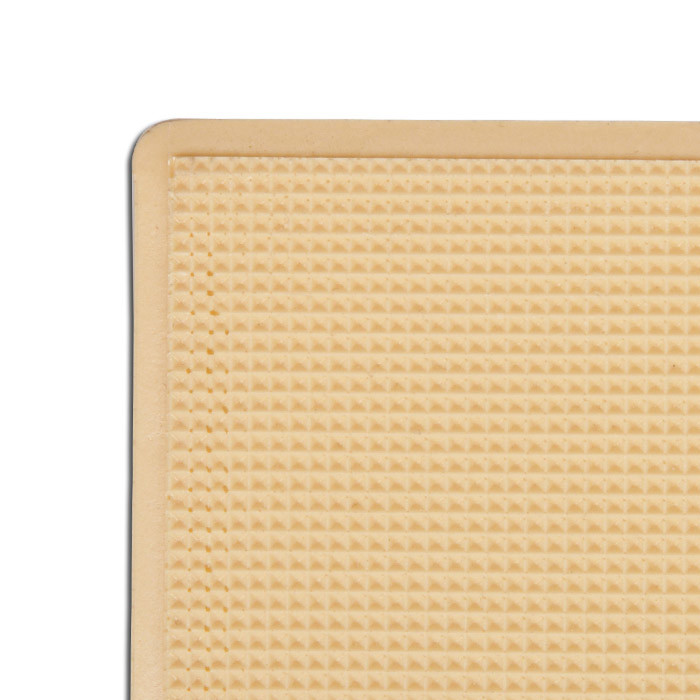
Float like this one to make it smooth. https://www.kalk.se/product/5050000/962242
Grater and kanitz in Teak then?
By the way, what is the difference between a grater and a kanitz? I thought it was the same thing, but the kanitz was meant for hard-to-reach places, like corners?
But after a tip, one should grate with the board first and then use the kanitz, and preferably they should be in teak.
By the way, what is the difference between a grater and a kanitz? I thought it was the same thing, but the kanitz was meant for hard-to-reach places, like corners?
But after a tip, one should grate with the board first and then use the kanitz, and preferably they should be in teak.
Well, I'm not planning to putty in the basement  There's a reason for the use of C-bruket. I understand that I can't get it as smooth as sanded putty, but the goal is to get it as smooth as possible, and my impression is that it should be possible to get it smoother than my test area.
There's a reason for the use of C-bruket. I understand that I can't get it as smooth as sanded putty, but the goal is to get it as smooth as possible, and my impression is that it should be possible to get it smoother than my test area.Understand the idea of using c bruket in a basement, but then you might have to accept that the surface won't be so smooth. Unless you try using a grinding blade, which is normally used for concrete. But then the bruket should be very wet....
Click here to reply