
Hello. I'll keep it short...
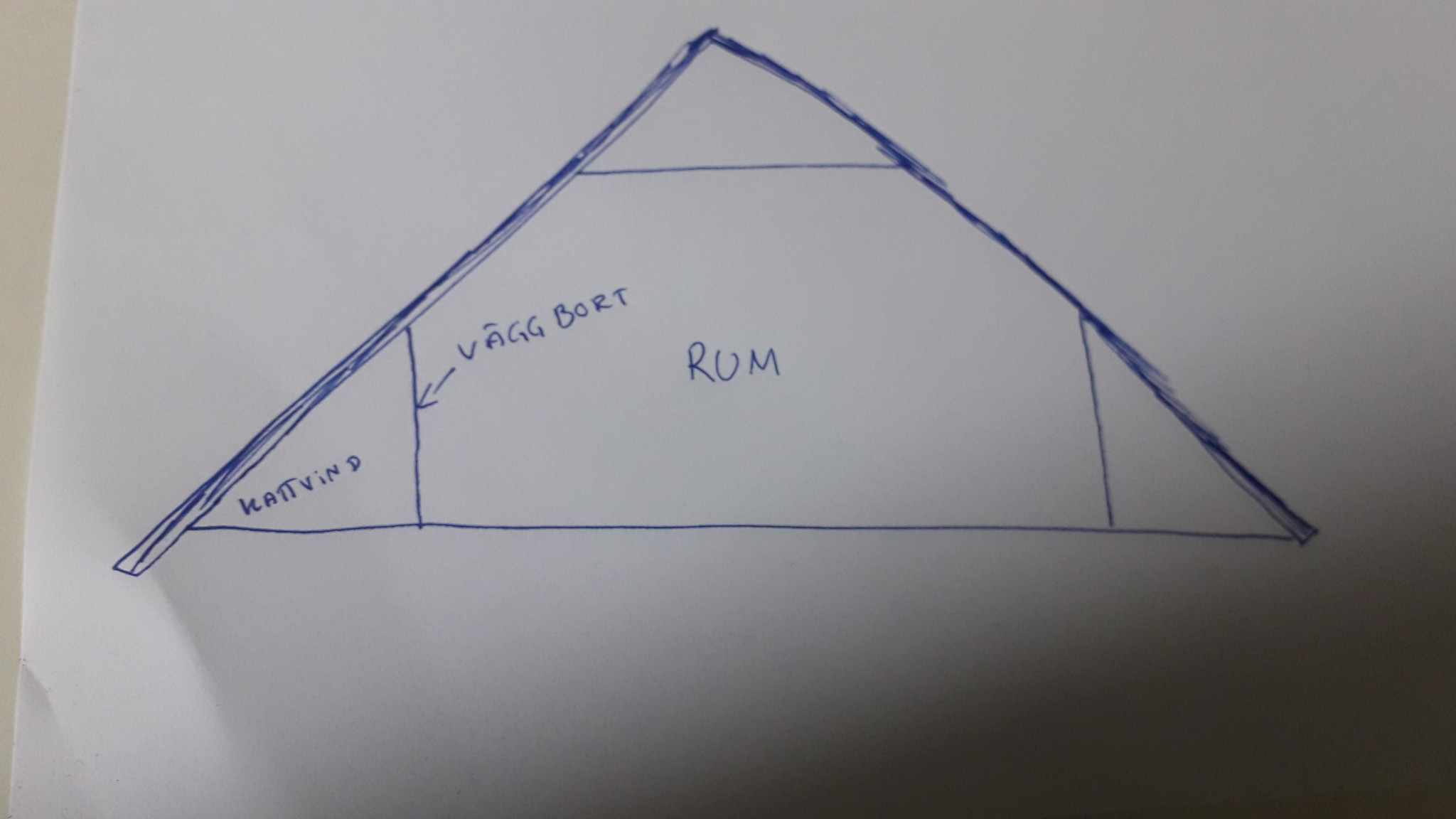
Old house with slanted ceilings in rooms on the upper floor, where they made straight walls halfway up to create storage space along the rooms. Now a wall needs to be removed, and there's a long ventilation pipe made of eternit that has to be taken out, but I need to cut it. Should I saw it or break it off? I was thinking of sawing it, but I don't know which blade to use in the reciprocating saw if I do. Or should I smash it with a hammer? I'm not sure how hard it is and which method causes more dust.
Old house with slanted ceilings in rooms on the upper floor, where they made straight walls halfway up to create storage space along the rooms. Now a wall needs to be removed, and there's a long ventilation pipe made of eternit that has to be taken out, but I need to cut it. Should I saw it or break it off? I was thinking of sawing it, but I don't know which blade to use in the reciprocating saw if I do. Or should I smash it with a hammer? I'm not sure how hard it is and which method causes more dust.


Check the construction drawings from when the house was built. If the walls are there, it's not certain that you can just remove them.A ankan678 said:
In my house, there are standing plank walls between living space and storage spaces, and they definitely serve a purpose for the roof trusses.

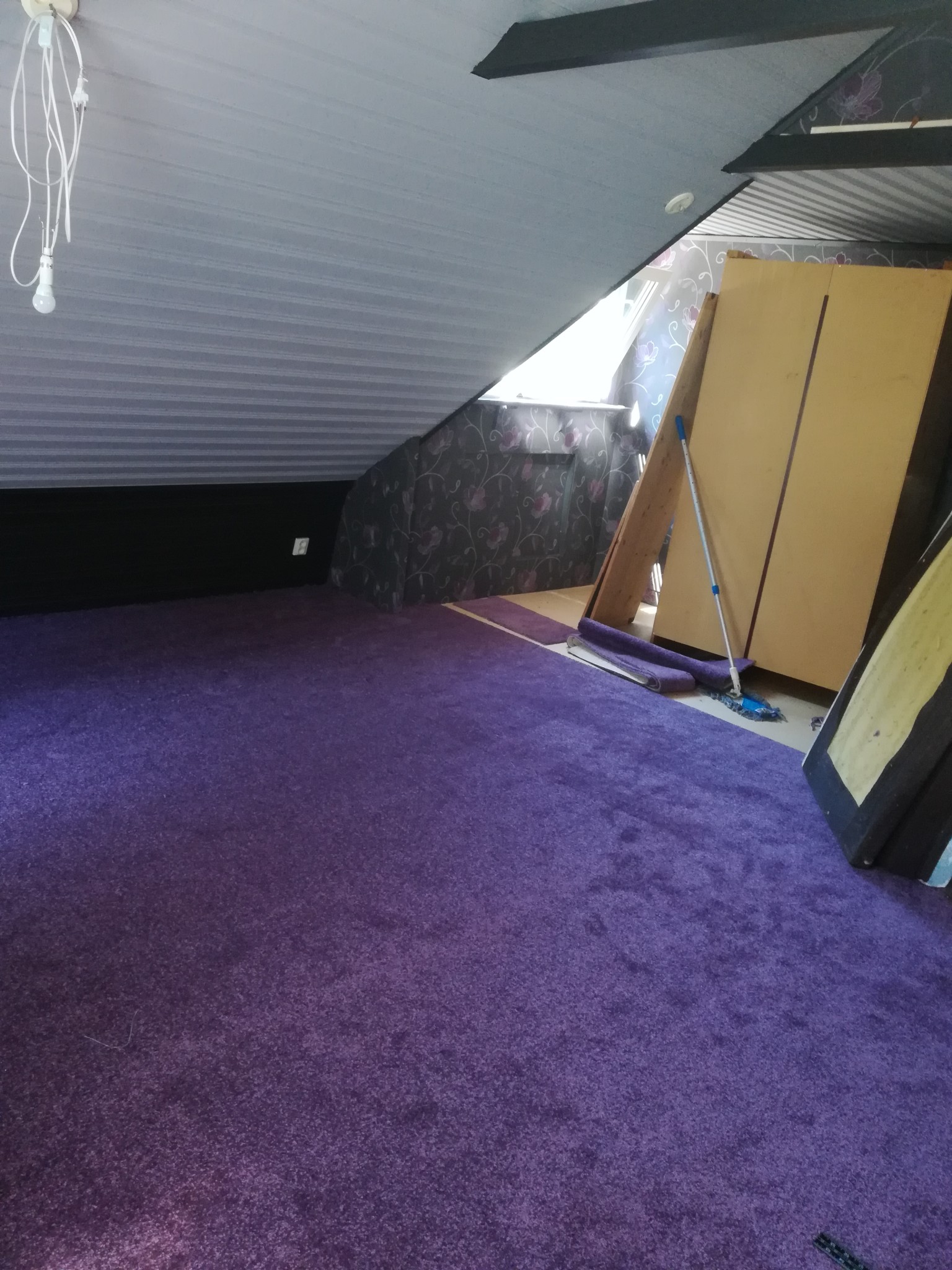
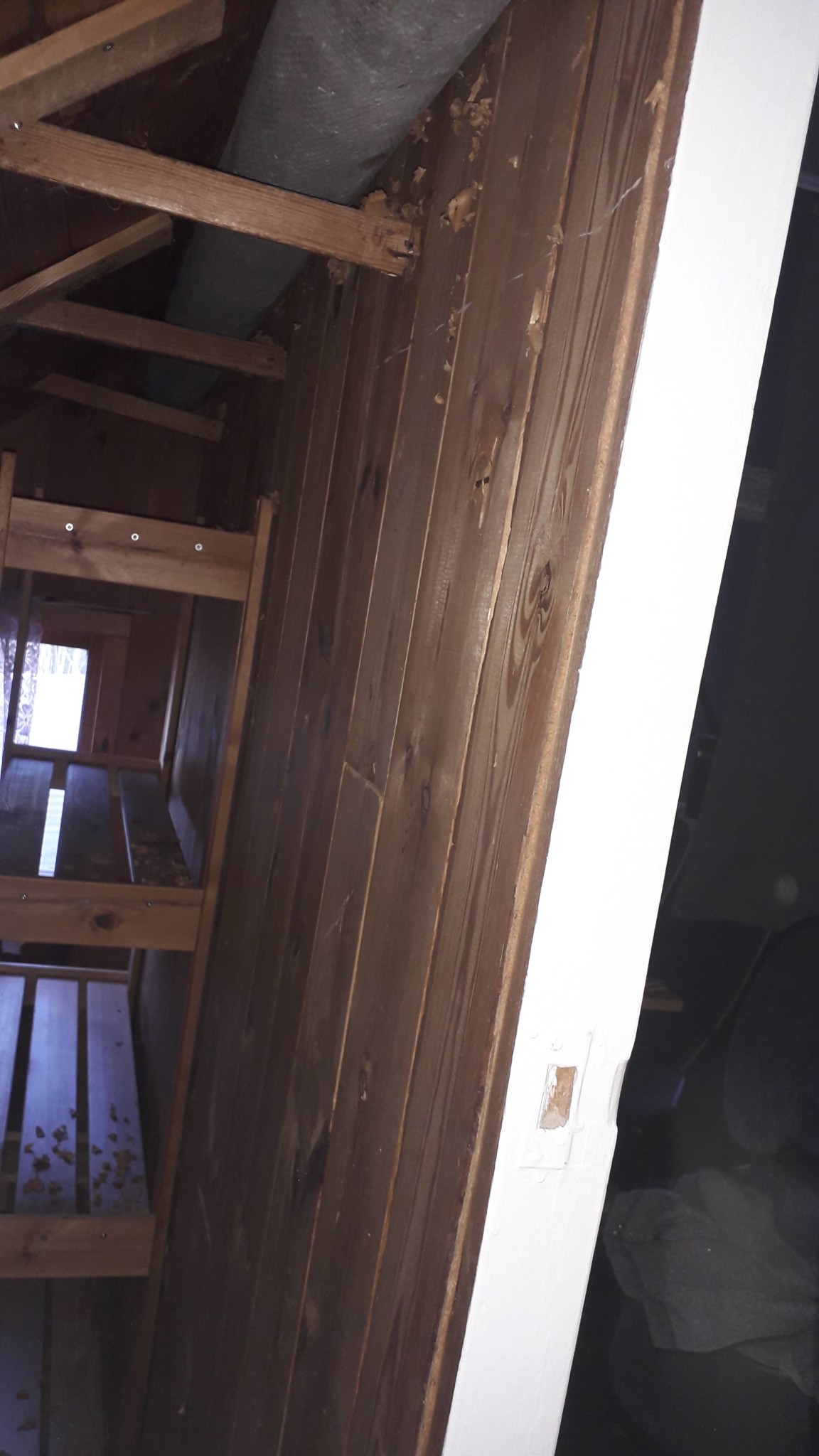
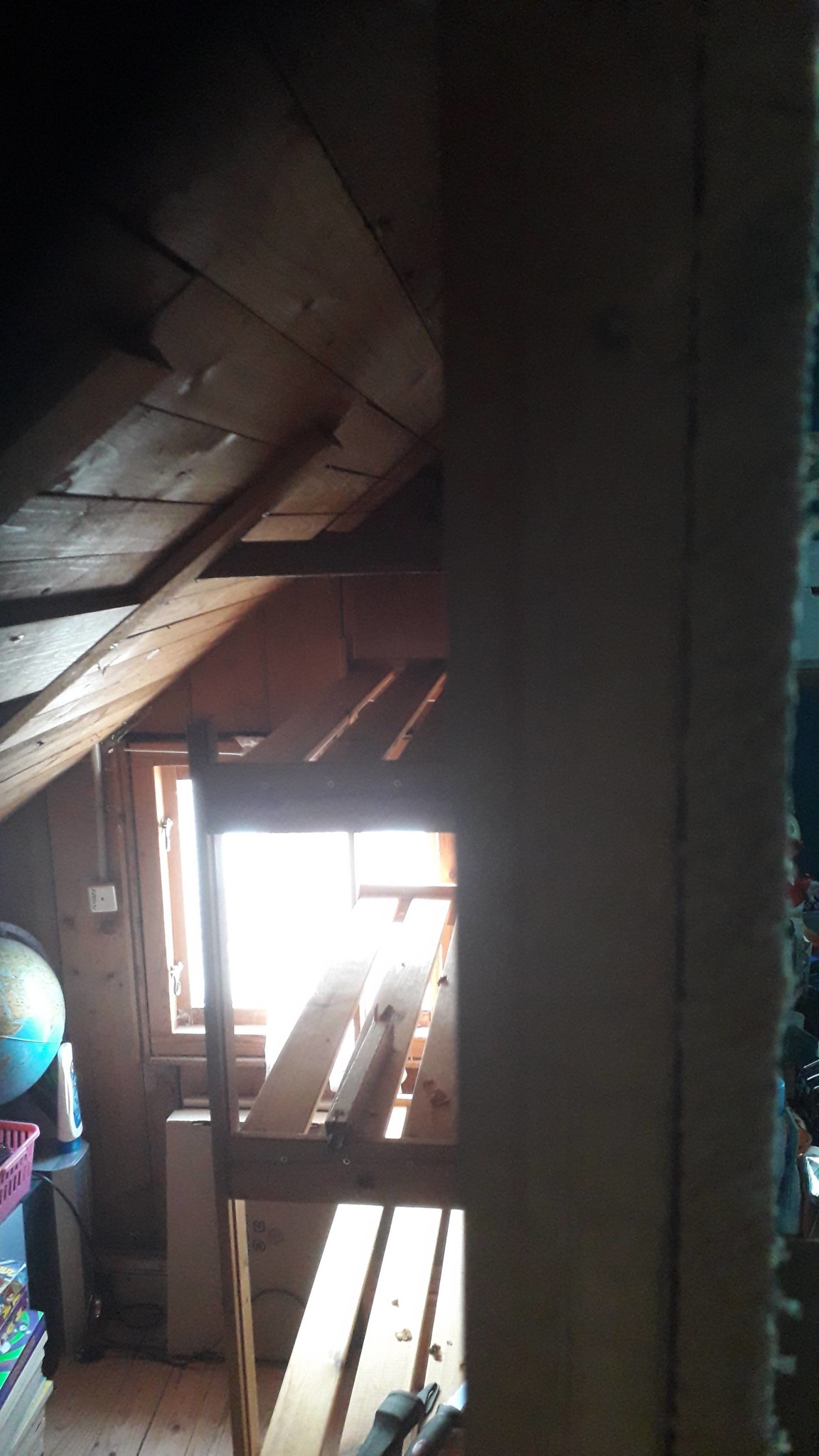
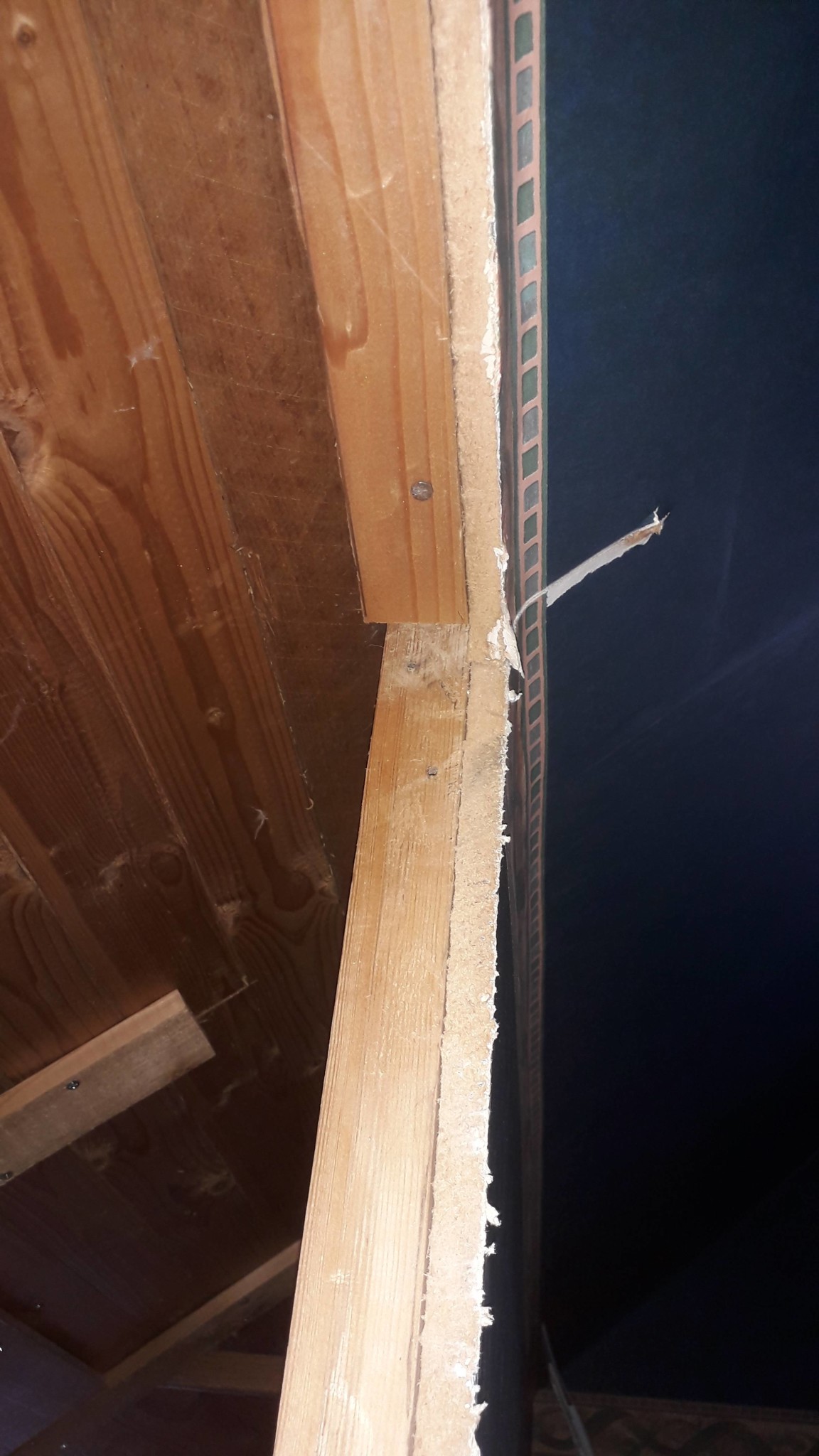
Hello again. I'm considering removing part of the wall on the kattvind, and many say it might be load-bearing, so I have a few questions. The house is about 10 meters. The upper floor has two rooms, one is 7 meters and the small one is 3 meters. The large room has a sloped ceiling going down, maybe 50 cm of straight wall. And the small one has about 1.5m of straight wall. Both kattvind have small doors and are used as storage. The wall I want to take down is about 2 meters. 1 meter will remain as it is.
Question 1. The wall consists of tongue and groove boards standing vertically at 34mm, can this be load-bearing?
Question 1. The wall consists of tongue and groove boards standing vertically at 34mm, can this be load-bearing?
Click here to reply