
3,191 views ·
1 replies
3k views
1 replies
Rot-protected timber in crawl space (Pressure treated with pentachlorophenol?)
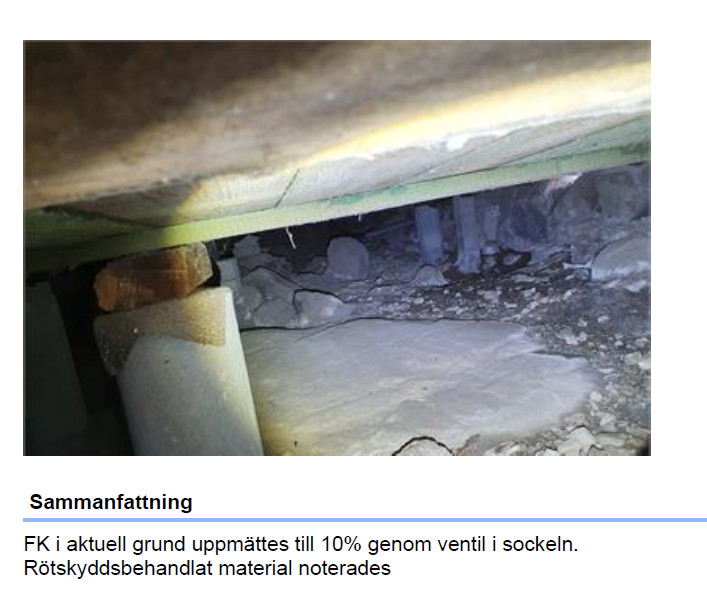
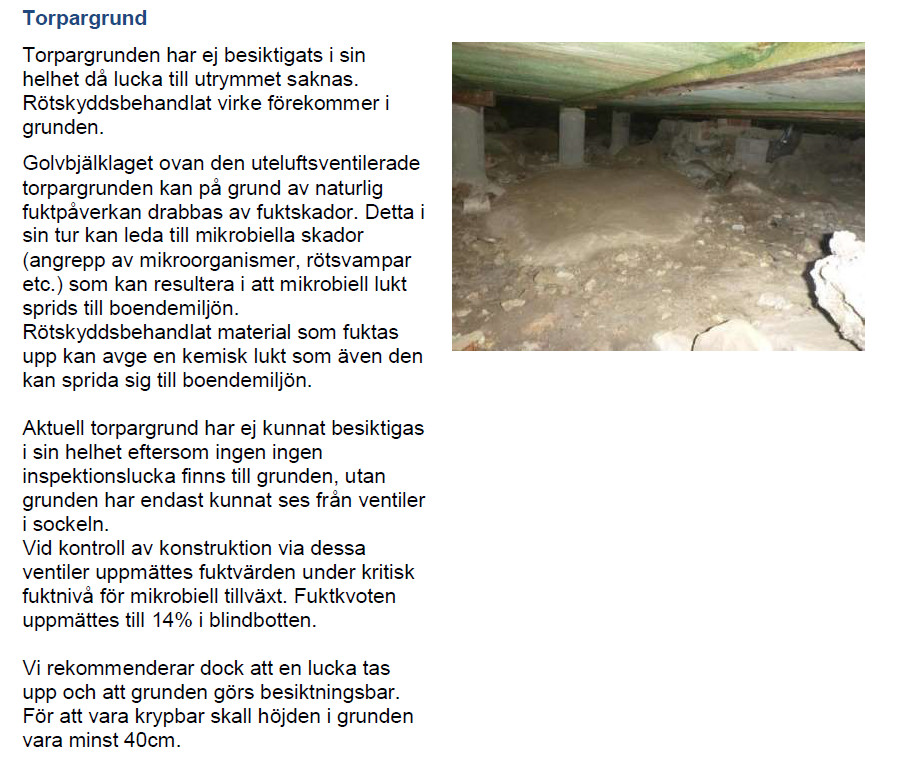
We are going to buy a house where the inspection report states that rot-protection-treated material has been noted in the crawl space, and from the pictures, the wood is green, so it undeniably looks like it's pressure-treated.
The house is an old log house (1850) but was moved to its current location in the 70s – during the period when wood treated with cuprinol/pentachlorophenols was used, which is naturally a bit concerning.
The crawl space is not accessible, but no smell can be detected either through vents or inside the house (we have carefully smelled both textiles, etc.), no trace of "summer house smell" found in many other properties we have looked at – on the contrary, we were pleasantly surprised that it didn't smell at all, despite being such an old house. The seller hasn't noticed any strange smell (so she says anyway). The inspector has done moisture measurements as best as she can of the subfloor through vents, and no elevated moisture levels have been recorded (10% during this inspection, 14% during a previous inspection conducted in the midst of the hot summer of 2018 when it should have been warm and humid down there).
If it hasn't started to smell during the 50 years the house has stood there, and there are no current moisture problems (it’s not drained but stands on sandy moraine on a slope, so I believe the natural drainage is excellent, and that might have saved the house from moisture issues), is it safe to buy a house with green wood in the foundation? We love the house and have also gotten it cheaper than we thought. We have an inspection clause and can thus back out of the deal, but we really really don't want to.
Is there a chance that it isn't pentachlorophenol even though it's green wood? How great is the risk that problems will arise after such a long time? Should one be worried about the health aspects if it doesn’t smell?
The house is an old log house (1850) but was moved to its current location in the 70s – during the period when wood treated with cuprinol/pentachlorophenols was used, which is naturally a bit concerning.
The crawl space is not accessible, but no smell can be detected either through vents or inside the house (we have carefully smelled both textiles, etc.), no trace of "summer house smell" found in many other properties we have looked at – on the contrary, we were pleasantly surprised that it didn't smell at all, despite being such an old house. The seller hasn't noticed any strange smell (so she says anyway). The inspector has done moisture measurements as best as she can of the subfloor through vents, and no elevated moisture levels have been recorded (10% during this inspection, 14% during a previous inspection conducted in the midst of the hot summer of 2018 when it should have been warm and humid down there).
If it hasn't started to smell during the 50 years the house has stood there, and there are no current moisture problems (it’s not drained but stands on sandy moraine on a slope, so I believe the natural drainage is excellent, and that might have saved the house from moisture issues), is it safe to buy a house with green wood in the foundation? We love the house and have also gotten it cheaper than we thought. We have an inspection clause and can thus back out of the deal, but we really really don't want to.
Is there a chance that it isn't pentachlorophenol even though it's green wood? How great is the risk that problems will arise after such a long time? Should one be worried about the health aspects if it doesn’t smell?
Member
· Västra Götaland
· 3 662 posts
Haggle 150 kkr because of this, buy it, don't bother to change. Go to Mallis. )
Click here to reply