Hello, I have some questions regarding the west coast slab that maybe someone knowledgeable here can help with.
I am looking at Rockwool's installation instructions which say:
"If the board is to be placed on, for example, a ground slab, we recommend that a tight membrane is installed underneath, such as plastic or cardboard."
My question is: Since I will have a molded slab, do you place the outer wall rule 50cm in on the slab, so the west coast board ends up edge to edge with the slab?
Follow-up question, do you have examples of plastic or cardboard that can be used?
Further, they write this about strapping:
"To achieve free vertical ventilation, we recommend always installing a vertical batten against the board. If a vertical panel is used as the facade layer, a horizontal batten is then installed."
My question is then, how do you handle mouse strips in this case?
I want to try to prepare myself for how I should build this
Thanks in advance
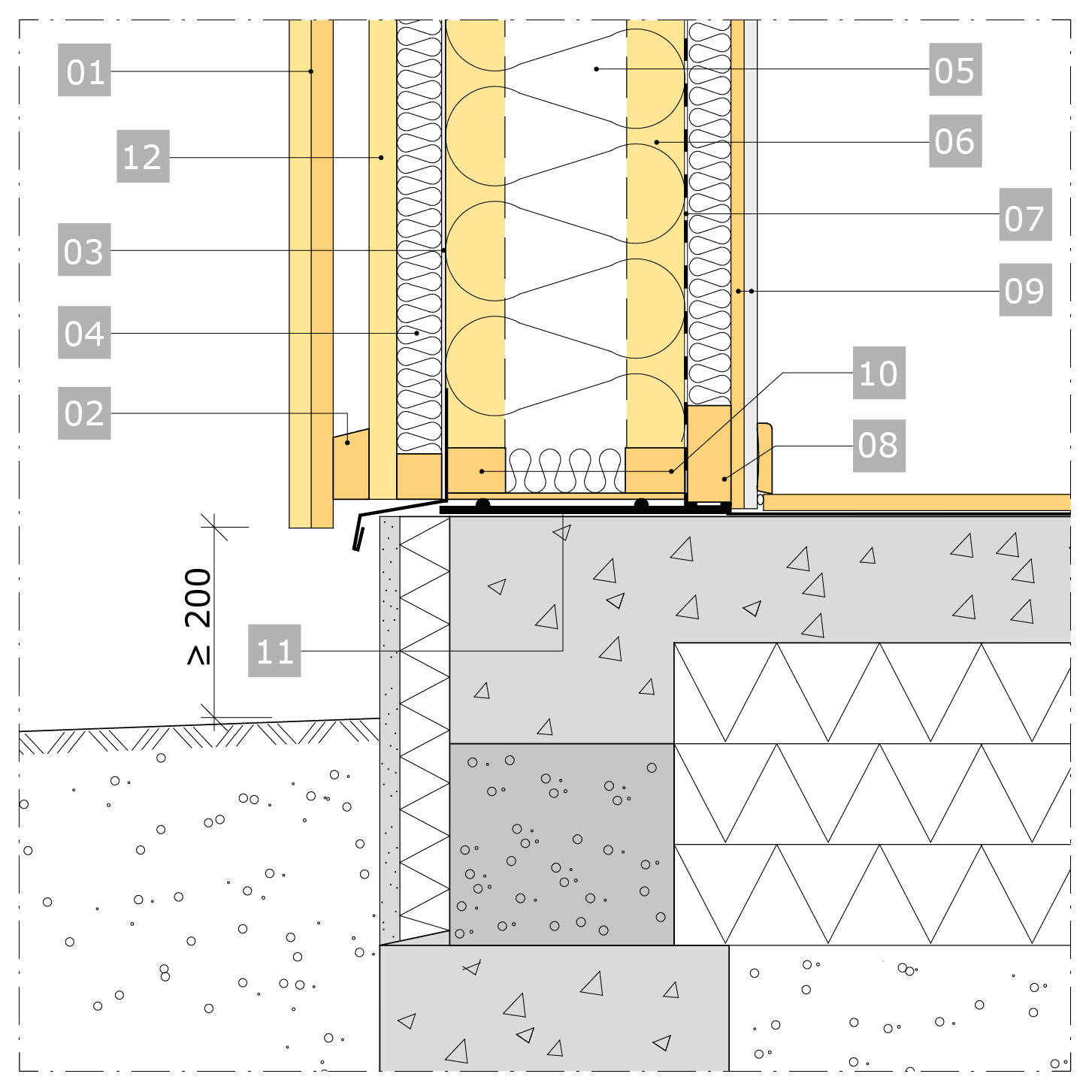
Can't it be done like in the picture?
The batten 02 is sawn with a shallow notch per compartment with a circular saw or similar, small enough that no mice can get through. This is to ensure ventilation.
Can't it be done as in the picture? The batten 02 is sawed with a shallow groove per section with a circular saw or similar, small enough that no mice can get through. This is to ensure ventilation.
Yeah, here the manufacturers' installation instructions differ, I discovered. Rockwool first says vertical battens, then horizontal to get a vertical air gap. Meanwhile, Paroc in their installation only talks about horizontal. That's also what a carpenter near me did when building a house. If you only have horizontal battens, they block the mice with the battens. However, according to Swedish building standards, there should always be vertical ventilation. It's hard to make sense of this 🫣🤣
If you're planning to paint the facade with "dense" paint, I would suggest adding both an air gap batten and a nailing strip.
If the facade will consist of vertical board-on-board cladding painted with linseed oil paint, I wouldn't consider a separate air gap batten entirely necessary, but since you have the opportunity, I think you should at least take the chance to place a standing half-inch batten under the nailing strip.
Can you link to the assembly instructions you looked at?
I guess that Rockwool shows an example with horizontal cladding, and that Paroc assumes a ventilation gap is created between the panels if it is vertical lock paneling, and if it is a smooth panel that doesn't have gaps between each panel board that it also requires a vertical ventilation batten.
Can you link to the assembly instructions you looked at?
I guess that Rockwool shows an example with horizontal paneling and that Paroc thinks that an air gap is formed between the panels if it's a standing batten and if it's a smooth panel that doesn't create gaps between each panel board, there should also be a vertical air ventilation batten.
Rockwool says that if you have a horizontal siding, a vertical batten should be used; if you have vertical siding, a vertical batten plus a horizontal batten should be used.
Paroc says that it is sufficient with horizontal battens if you have vertical siding that provides sufficient ventilation between siding boards, but if adequate ventilation is not achieved between the boards, a vertical batten should also be installed first. If you have horizontal siding, vertical battens should be used.
Both companies aim for vertical ventilation, but they set different conditions for how it can be achieved.
Regarding rodent barriers, if you only install horizontal battens, mice can still get into the wall if it's a lap siding.
Can't it be done like in the picture?
Läkten 02 is sawed with some shallow groove per compartment with a circular saw or the like, small enough that no mice can get through. This is to ensure ventilation.
Rockwool says that if you have a horizontal panel, a vertical batten should be used. If you have a vertical panel, both a vertical batten and a horizontal batten should be used.
Paroc says that horizontal battens are sufficient if you have a vertical panel that provides adequate ventilation between the panel boards, but if good ventilation is not achieved between the panel boards, a vertical batten should also be installed first. If you have a horizontal panel, a vertical batten should be used.
Both companies aim for vertical ventilation but impose slightly different conditions on how it can be achieved.
Regarding mesh tape, if you only install horizontal battens, mice can still get into the wall if it's a board-and-batten panel.
How should one know if there is sufficient ventilation between the panels? I wonder, aren't they vertical so that moisture/water can run off?
You get the best ventilation if you use both vertical and horizontal battens. If you also saw the horizontal battens with a slope, you get a better drainage ability. However, I don't know how often a bevel-sawn batten is used in reality.
You get the best ventilation if you use both vertical and horizontal battens. If you saw the horizontal battens at an angle, you get better drainage capability. However, I don't know how often a slanted batten is used in reality.
Haven't decided on the type of panel yet, other than it will be vertical.
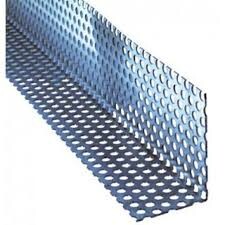
This profile is suitable for avoiding mice. You can search for "Musprofil" to find a retailer near you.
The easiest and best way is to set the framework so far out that the "västkustskiva" slightly extends past the base element to minimize the thermal bridge that would otherwise occur there.
This profile is suitable for avoiding mice. You can search for a mouse profile to find a retailer near you.
[image]
The easiest and best way is if you can place the frame so far out that the west coast board extends a bit past the base element to minimize the thermal bridge that would otherwise form.
I was thinking about a pre-cut frame in that case, and when I received the drawings, I thought they were designed too small and was then explained that the board sits on the slab, otherwise, the building permit wouldn't match the measurements, so the building area becomes larger.
I always assumed it would sit outside. I'll have to check that.
Click here to reply
Vi vill skicka notiser för ämnen du bevakar och händelser som berör dig.


Centano said:
Can you link to the assembly instructions you looked at?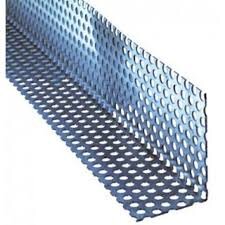
Matti_75 said:
This profile is suitable for avoiding mice. You can search for a mouse profile to find a retailer near you.