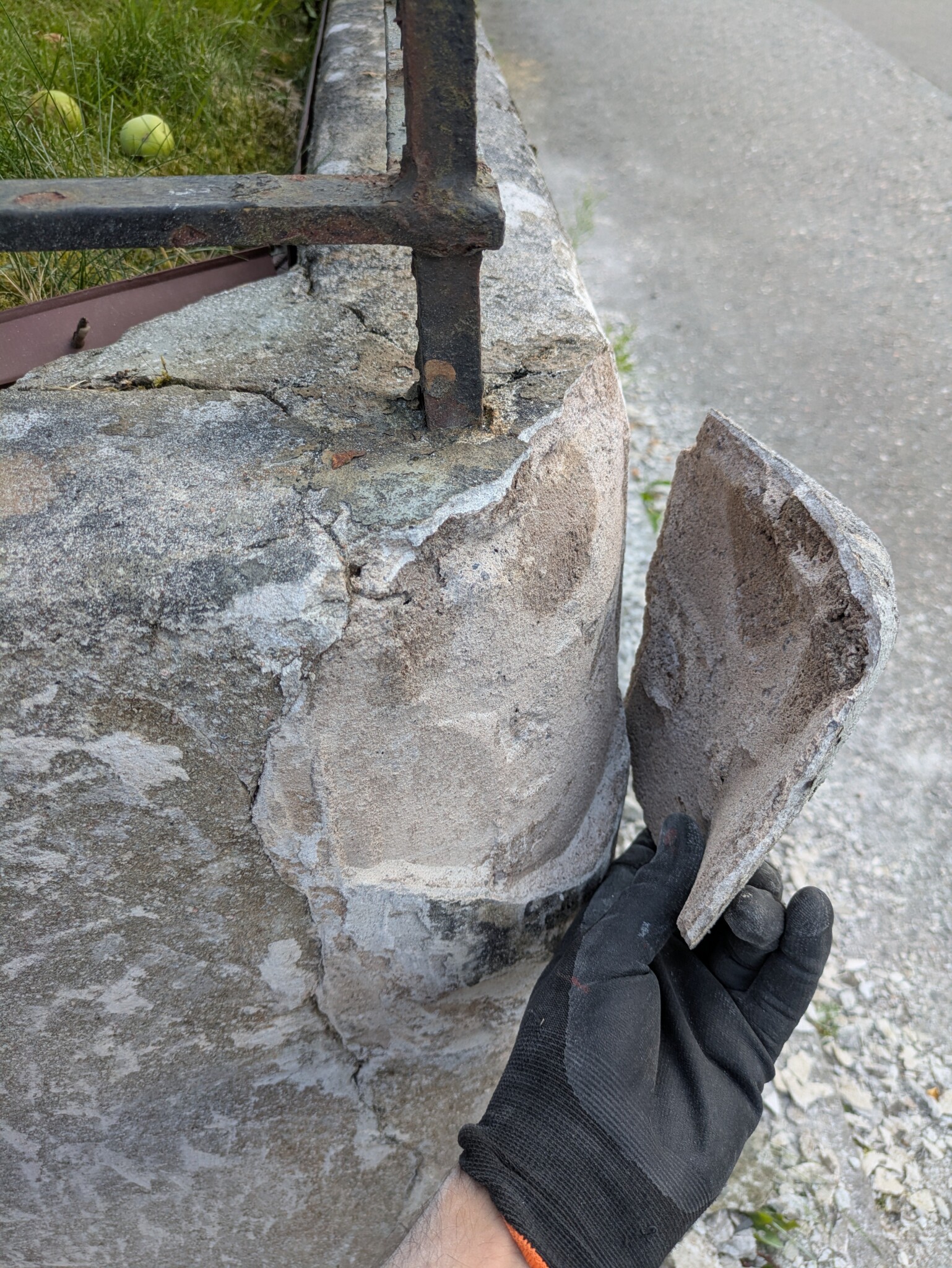
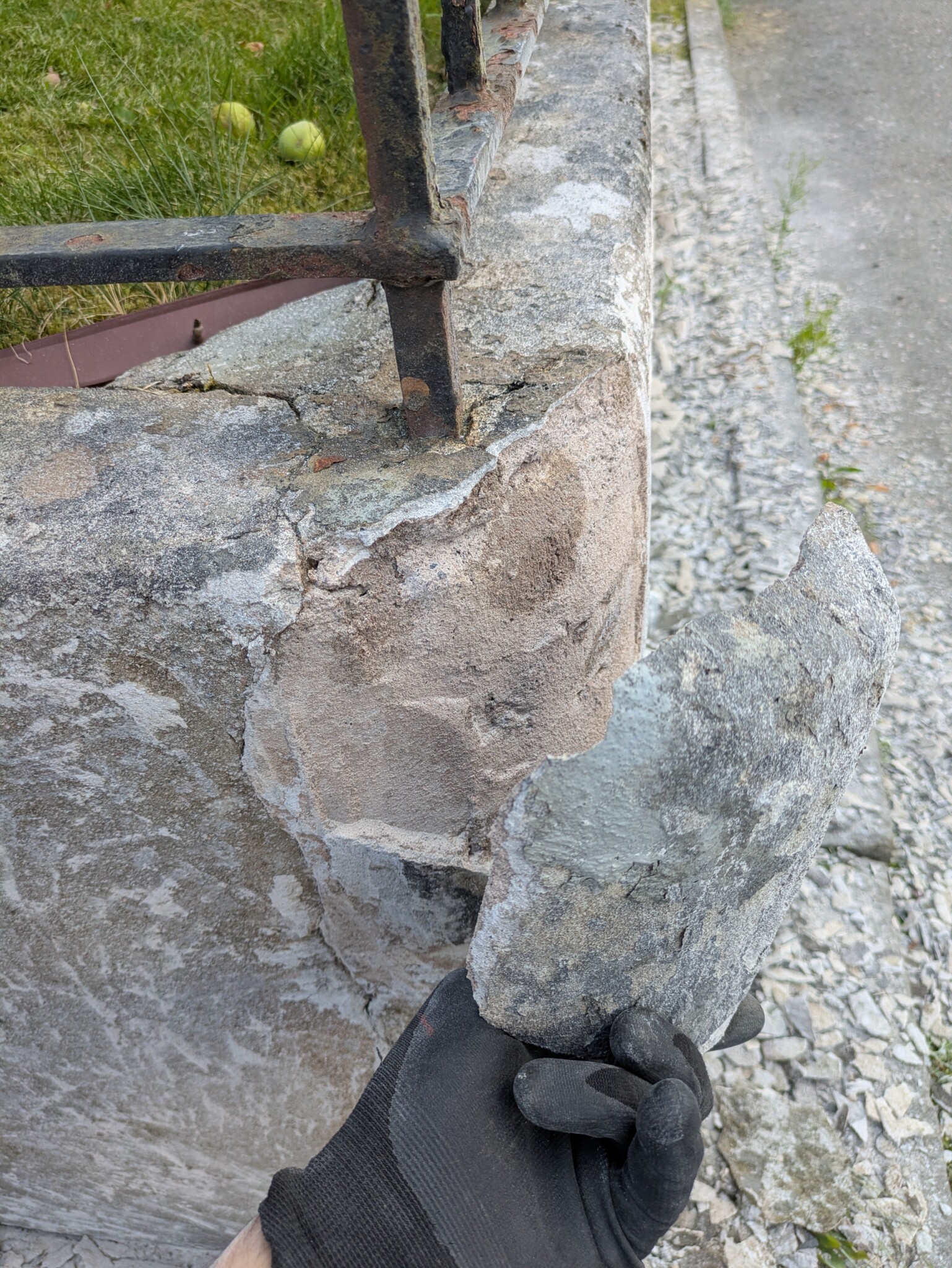
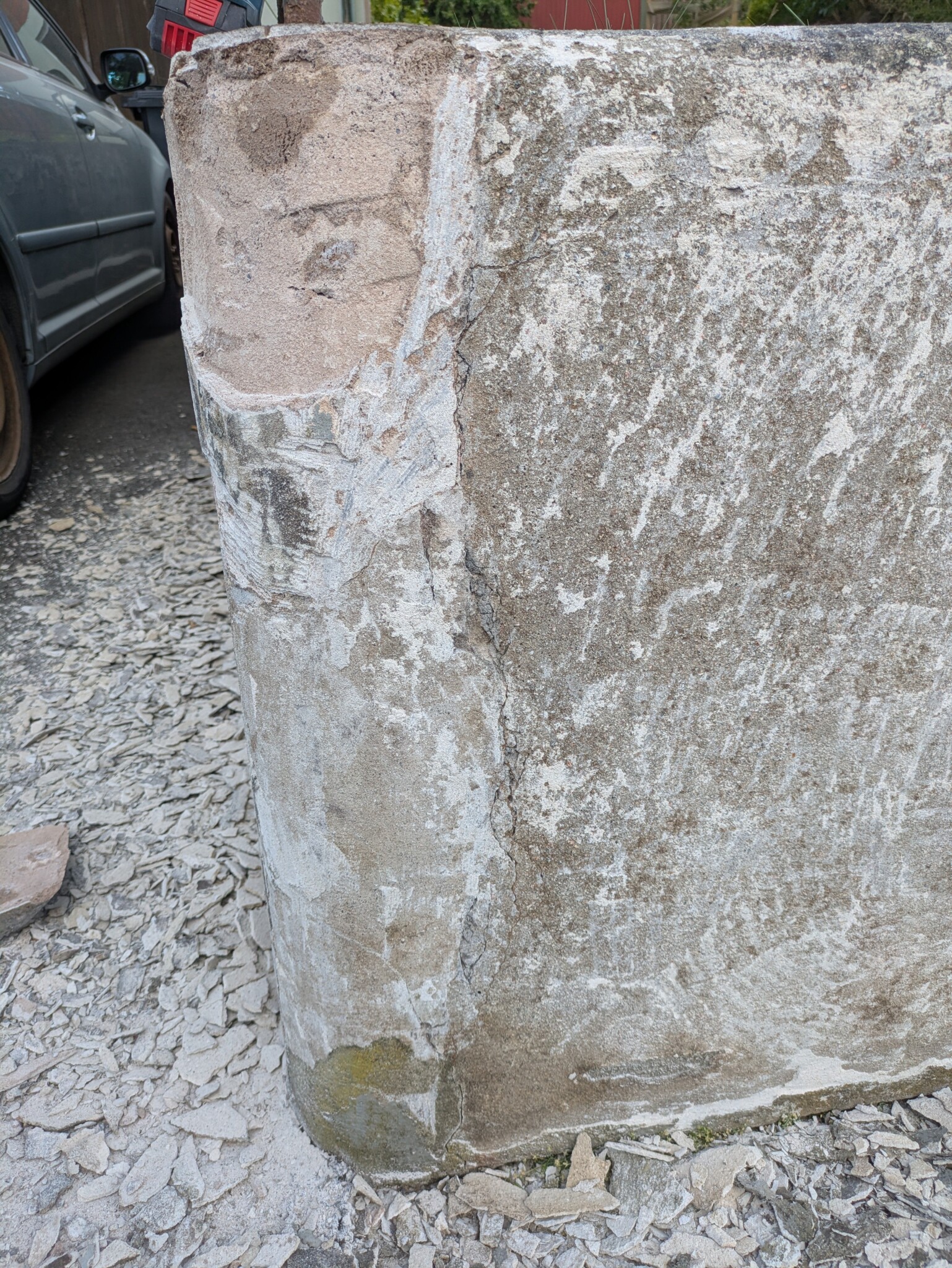
Hello
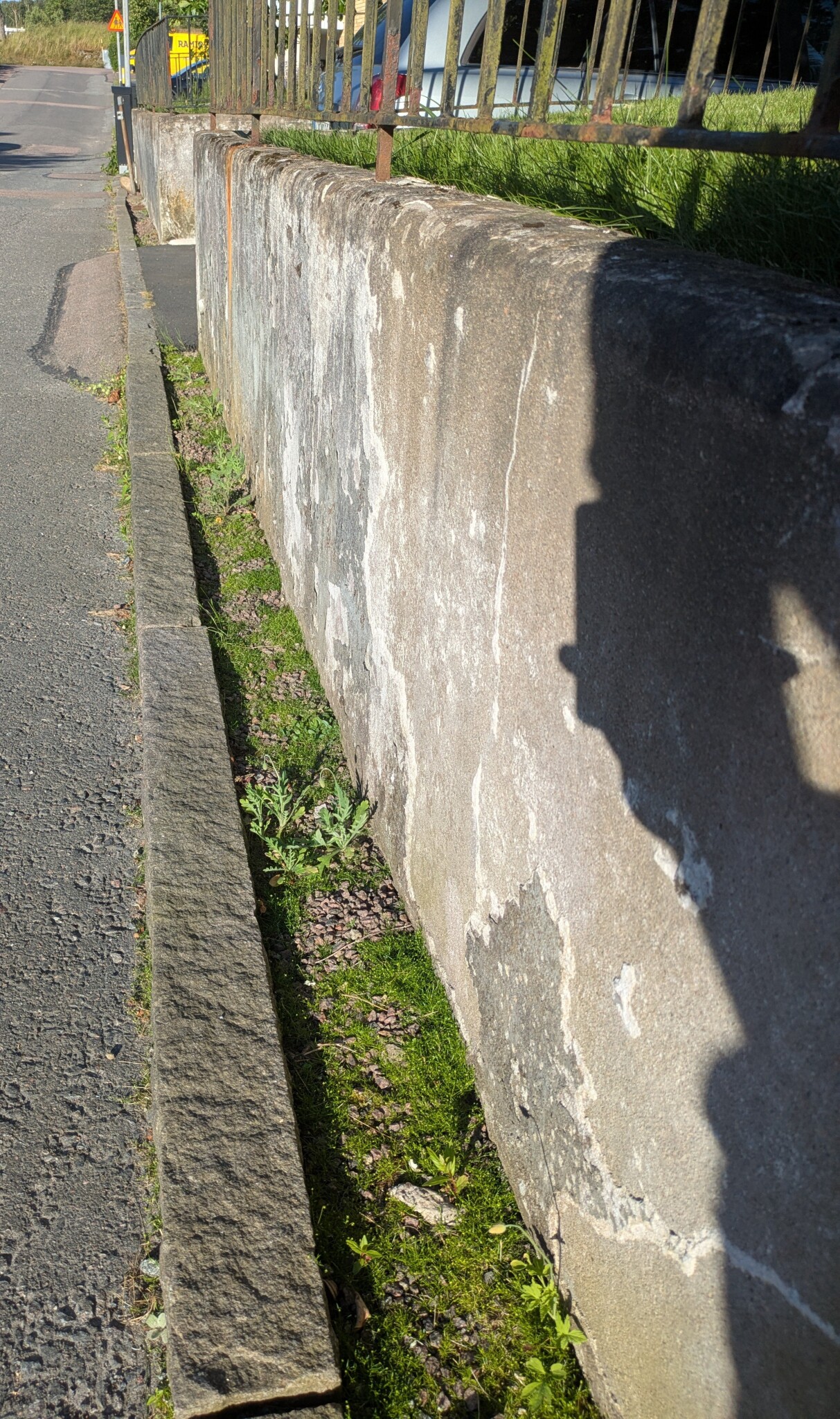
I have a wall from the 60s that I'm considering renovating with new plaster. I have no experience with plastering myself, but I think I understand the theory at least, haha.
Here are some pictures
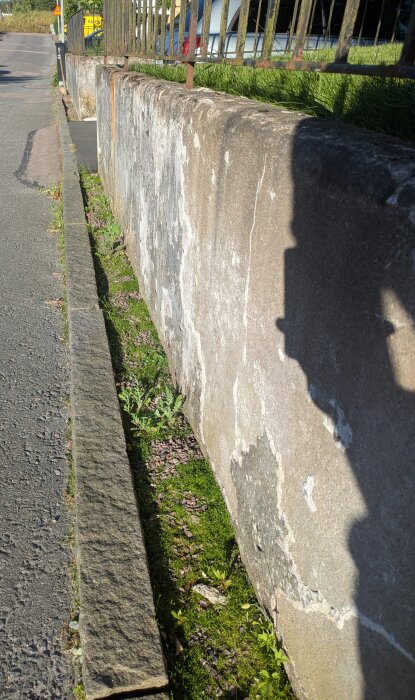
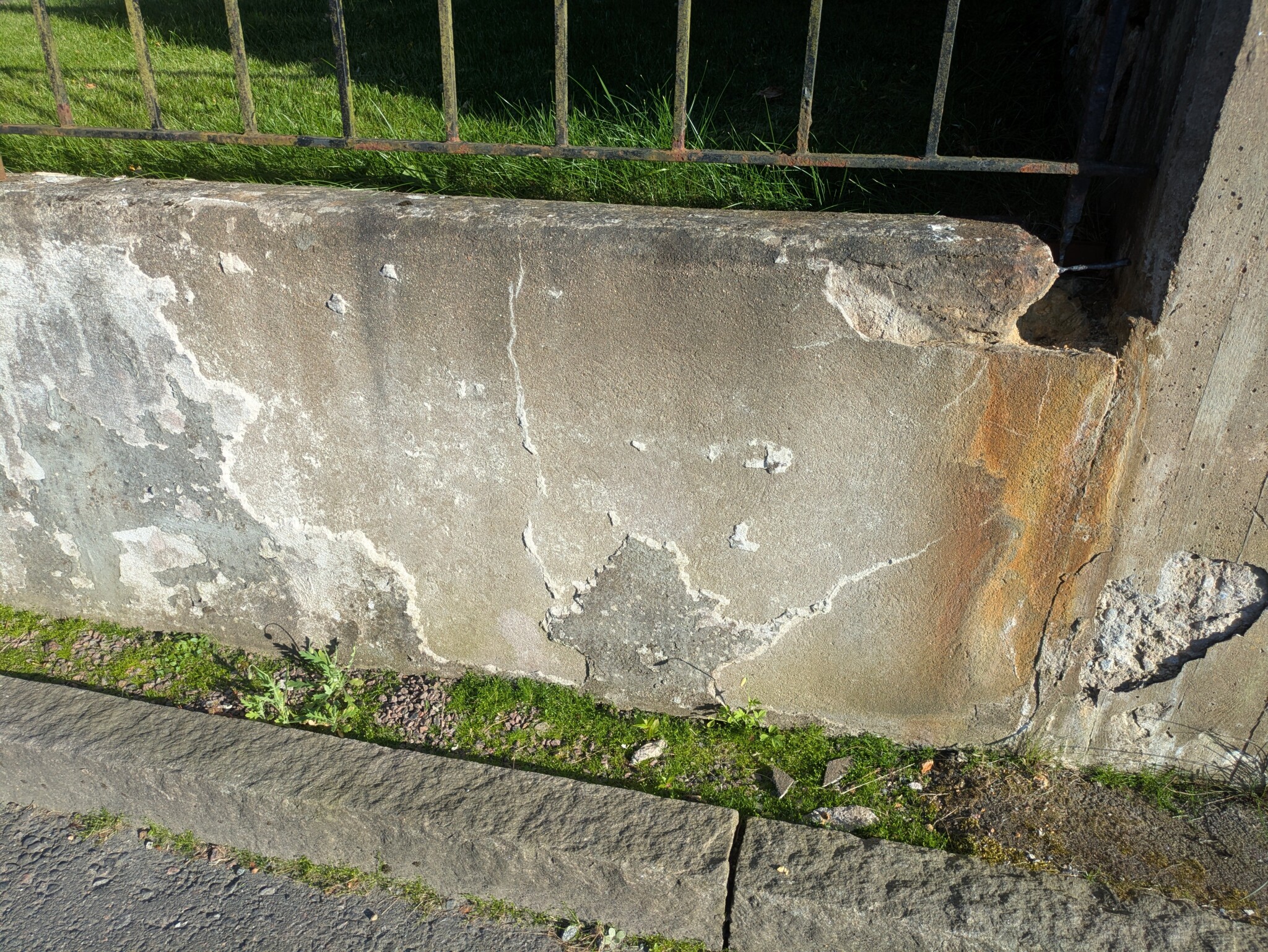
Here you can see a thin layer of plaster that was applied about 20 years ago, I can easily remove it with the hammer drill. I will fill the hole in the upper right.
Probably concrete on the inside and then thickly plastered with mortar over it
I'm thinking something like this
1. Remove the old outermost plaster.
2. Prime with some mortar, like rödgrund or similar
3. Apply plaster mesh? Here I'm unsure whether to use plaster mesh or not. Should it be before the priming coat? How do I fasten it, are wall plugs the most common? Should it go over the top edge?
4. Plaster with some mortar, please help with which one.
5. It's true that I need to plaster the entire wall at once, right? Otherwise, you'll get a visible seam?
I am not a professional, so take it for what it's worth 😉
I would use cement mix A without mesh. Priming with a slurry, diluted mix. If you can do the entire wet on wet it's best. It's possible to brush out the seam at the end otherwise and brush the new wet into the dried later.
Finish with some sort of wall capping on top to reduce the risk of frost damage.
I would use cement mortar A without mesh. Priming with a slurry, diluted mortar. If you can do it all wet-on-wet, that's best. You can brush out the seam at the end otherwise and brush the new wet into the dried then.
Finish with some kind of top edge to reduce the risk of frost damage.
Thanks for the input!
It sounds convenient to skip the mesh. What's the reason for using cement mortar instead of plaster mortar?
By top edge, do you mean a cap stone? There's an iron railing above, so it will be difficult.
There was a bit of a misspelling. It should be "Murtäckning." So some sort of capping of the wall to prevent water intrusion. Not necessary. But if you have problems with frost damage, it is the solution.
Cementbruk A becomes hard, very hard. It is usually recommended for walls, plinths, and other structures near the ground where it will be more exposed to weather and mechanical impact.
One solution for wall covering is to drive in some reinforcement bars as anchor bolts and cast a slightly sloping crown on the wall. After all, you'll need something to do on your vacation. 😉
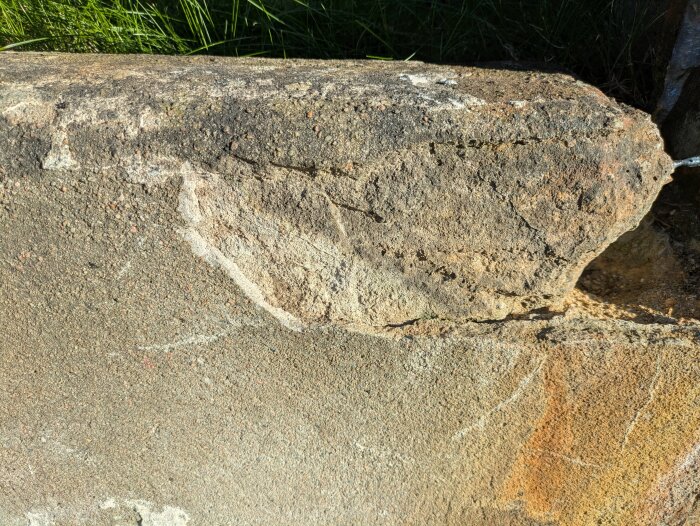
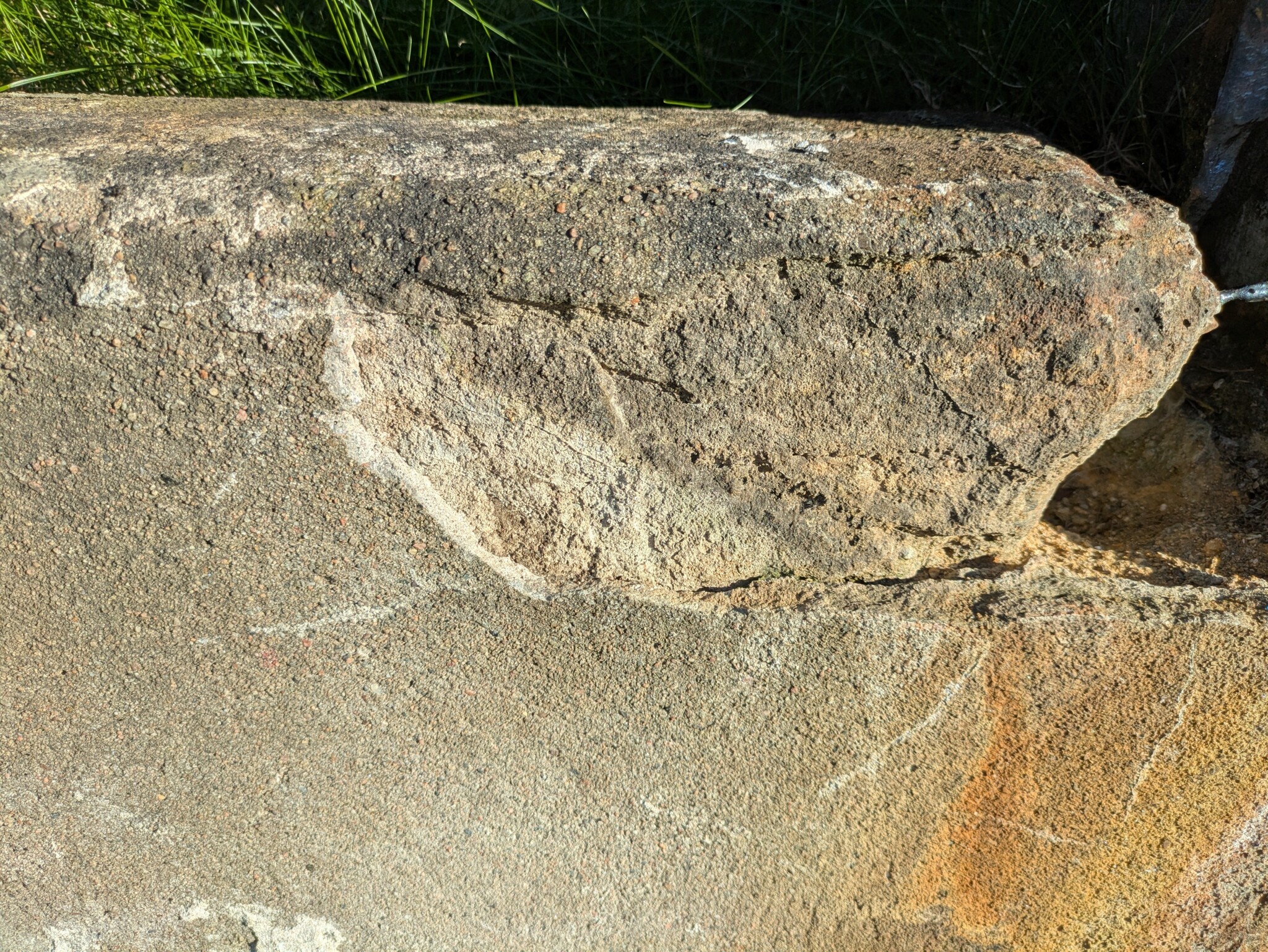
A piece of the corner of the wall fell off when I chipped away the plaster.
Which mortar should I use to rebuild it? There is repair mortar like Weber Rep but it costs 500kr per bag...
Drill in some random screws or attach chicken wire so it gets a grip? Would love tips on how you would have done it.
There are also some cracks that I thought to rout out and fill?

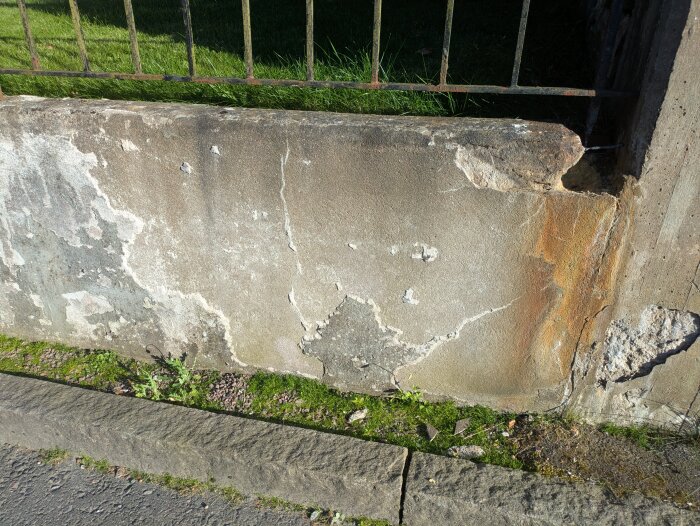
Bart said:
I'm not a pro, so take it for what it is 😉