13,607 views ·
73 replies
14k views
73 replies
Plaster with screed rails

Very good video clip, got a good feel for the material and the process! I'm just about to plaster a foundation wall for a greenhouse, so it will be a simple version as shown so well here, no ribs or stuff, just go ahead and trowel it after a while.mexitegel said:

The only thing is whether you really need a red primer first for it to adhere properly to leca blocks, seen this mentioned in many places. Almost impossible to find in my small town, but maybe unnecessary, the Norwegian guy didn't use it at all, just applied plaster in a nice plastic consistency. Maybe water a little beforehand? Or slap on some loosely mixed cement mortar first with a lime brush? Unnecessary, no idea.
Good and interesting thread for all amateur masons.
If you touch the plaster when it has begun to set, it becomes darkerT Tummenmitthand said:
That's partly why you should try to do the whole wall in one go.
If you are going to paint it later, it matters less.
H Harald Blåtumme said:Very good video clip, got a good feel for the material and process! I'm just about to plaster a foundation wall for a greenhouse so it'll be a simple version shown so well here, no ribs and stuff but just go ahead and trowel after a while.
The only thing is whether you really need a red primer first for it to adhere properly to leca-blocks, I've seen this mentioned in many places. Almost impossible to get in my small town but maybe unnecessary, the Norwegian didn't use it at all, just applied the plaster with a nice plastic consistency. Maybe water a little beforehand?
Good and interesting thread for all amateur masons.
Thanks for your help.A Alexn72 said:
Hired a company to do another room,
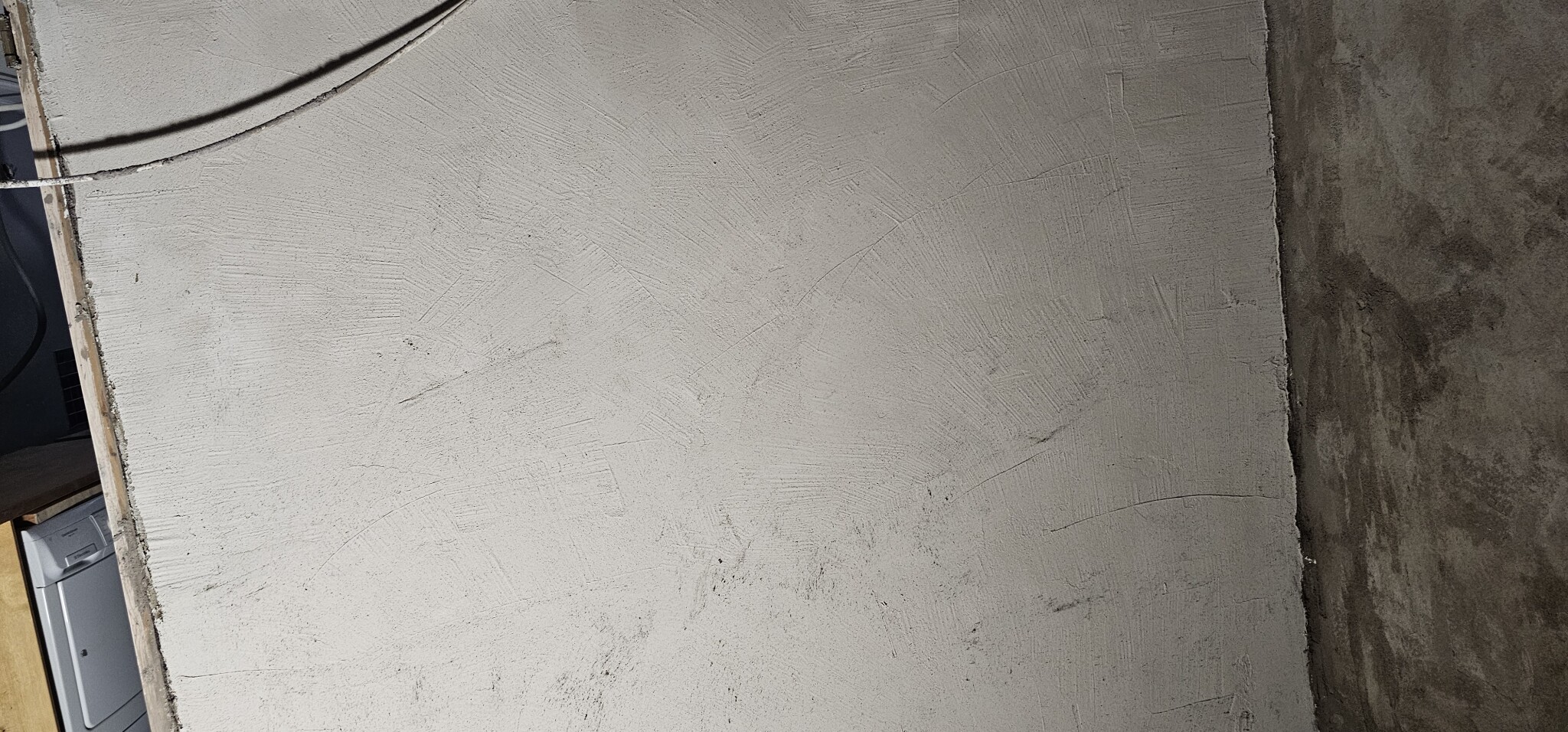
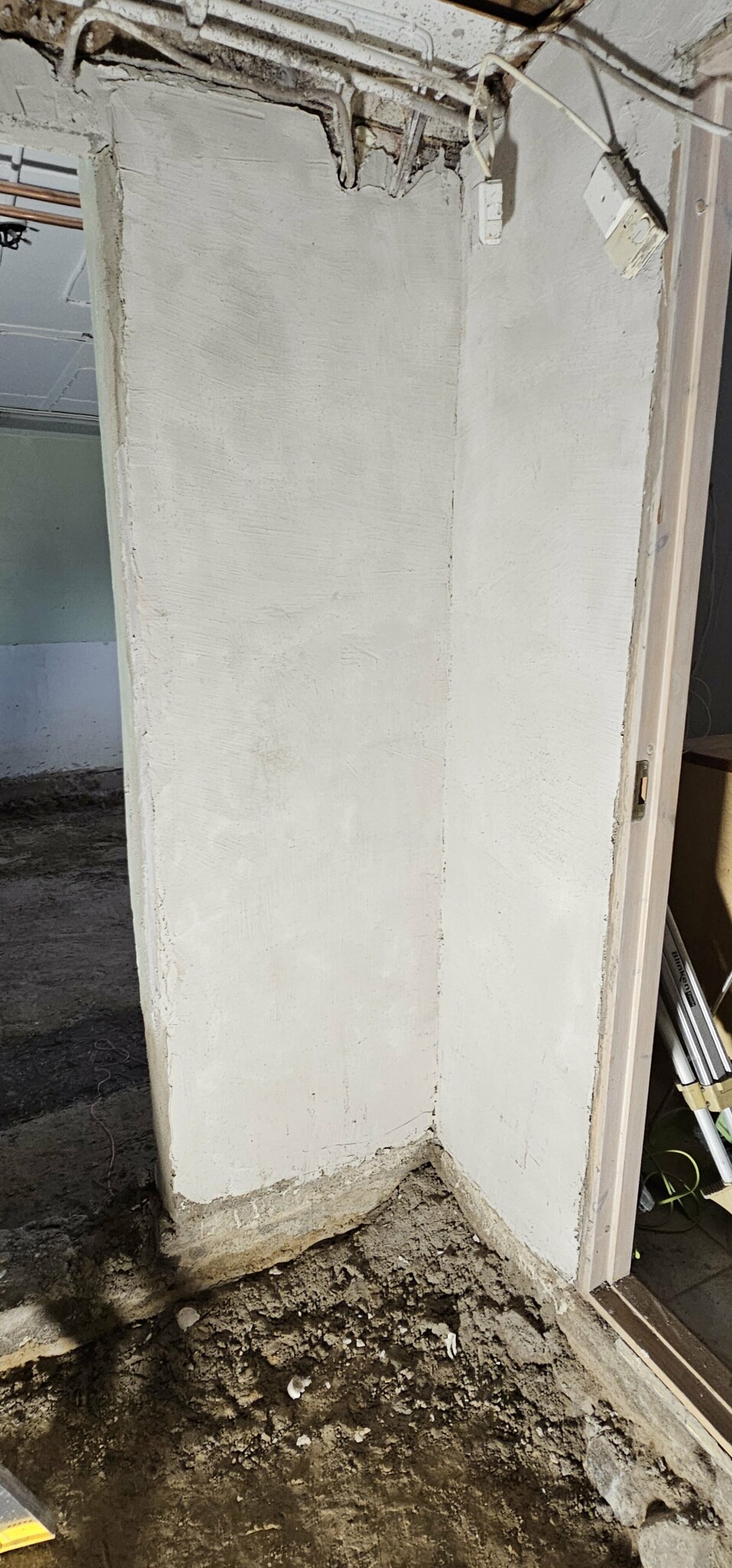
But it looks really bad, they used a putty knife and B plaster fine. Had objections to seeing the trowel marks so then they went and bought gypsum plaster instead and smeared it on two walls and it looks just as bad, you can see how they dragged and stopped the tool.
Now when they probably ruined 2 walls because you can't apply B plaster over the gypsum.
How can you get it smooth/rustically smooth?
How can you make it look nice loose gypsum
Approximately like the plastered wall in the picture?
Don't want a mirror-gloss/smooth wall.
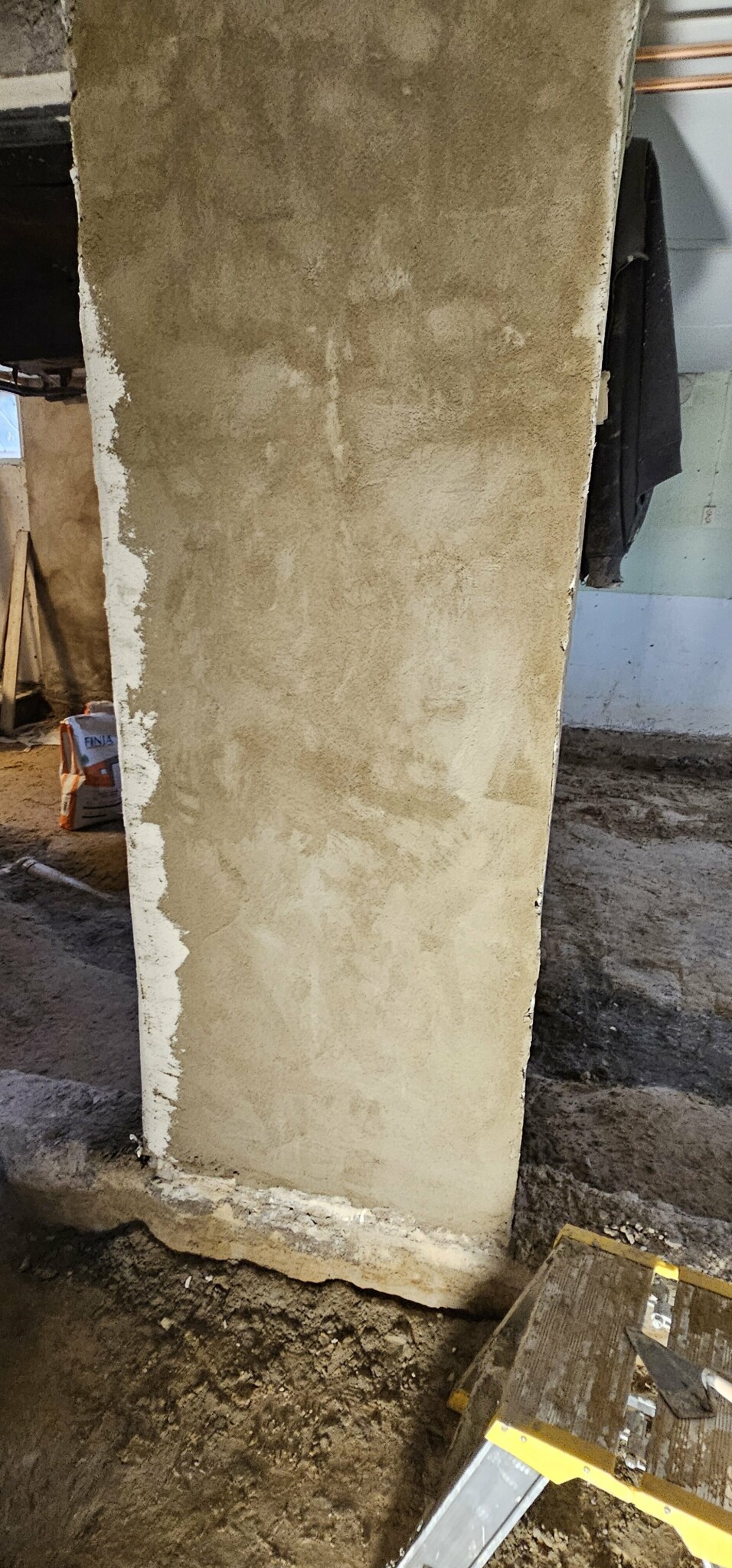

Ok, great so all the work of sanding & priming means the Gipsputs will come off?S sinuslinus said:
I thought it would be quicker and give a better result.
Sounds like they don't know what they're doing at all.
Sure, it is possible to pry up the covering with a putty knife... In the same way, you can dig your way out of prison with a spoon...
It works but it's not right
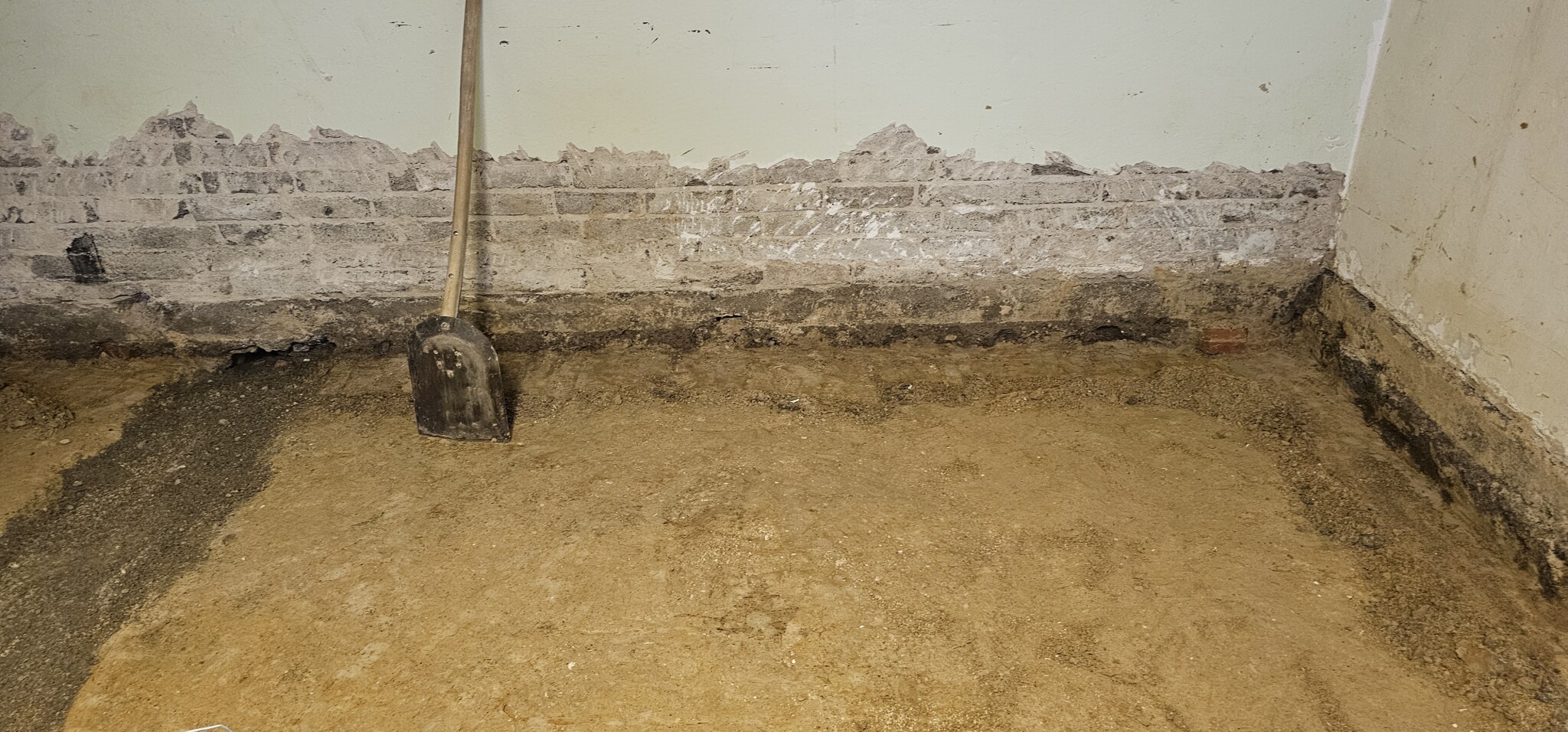
Is there moisture from the ground or is the floor dry?
Sure, it is possible to pry up the covering with a putty knife... In the same way, you can dig your way out of prison with a spoon...
It works but it's not right
Is there moisture from the ground or is the floor dry?
Thank you so much for the feedback, I'll talk to the firm on FridayA Alexn72 said:
Missed your question, it's plaster that has fallen down and remains.A Alexn72 said:
Otherwise, it is clay/compacted sand from the foundation.
When the walls are finished, the plan is to lay eps concrete.
Clay sounds like it might bring moisture.T Tummenmitthand said:
But I'll have to leave it to someone else to comment on how it works with gypsum.
You don't need redgrund on leca, just apply or spread the mortar you intend to use, guess C mortar 3mm.H Harald Blåtumme said:Very good video clip, got a good sense of the material and the process! I'm just in the process of polishing up a foundation wall for a greenhouse so it will be a simple variant shown so well here, no ribs or stuff but just go ahead and float it after a while.
The only thing is whether you really need redgrund first for it to adhere properly to leca-block, seen this mentioned in many places. Almost impossible to get hold of in my small town but maybe unnecessary, the Norwegian didn't use it at all but just applied mortar in a fine plastic consistency. Maybe water a little first? Or slather on some loosely mixed cement mortar first with a lime brush? Unnecessary, no idea.
Good and interesting thread for all amateur masons.
But you have to do it at least 2 times so the joints don't show through.
Against the ground and 25 cm up, b mortar is recommended.
Perfect, use B mortar then, roughly like in the Norwegian's film. This is a low foundation wall against the ground. Maybe water a little before application. But as mentioned, the consistency is quite crucial, often what the package says is too stingy with water, a few more deciliters are needed before it becomes really plastic. What the Norwegian shows might be perceived as a bit offensive by some (?) but that's where you want to end up if it's going to be reasonable to apply.N neo11 said:
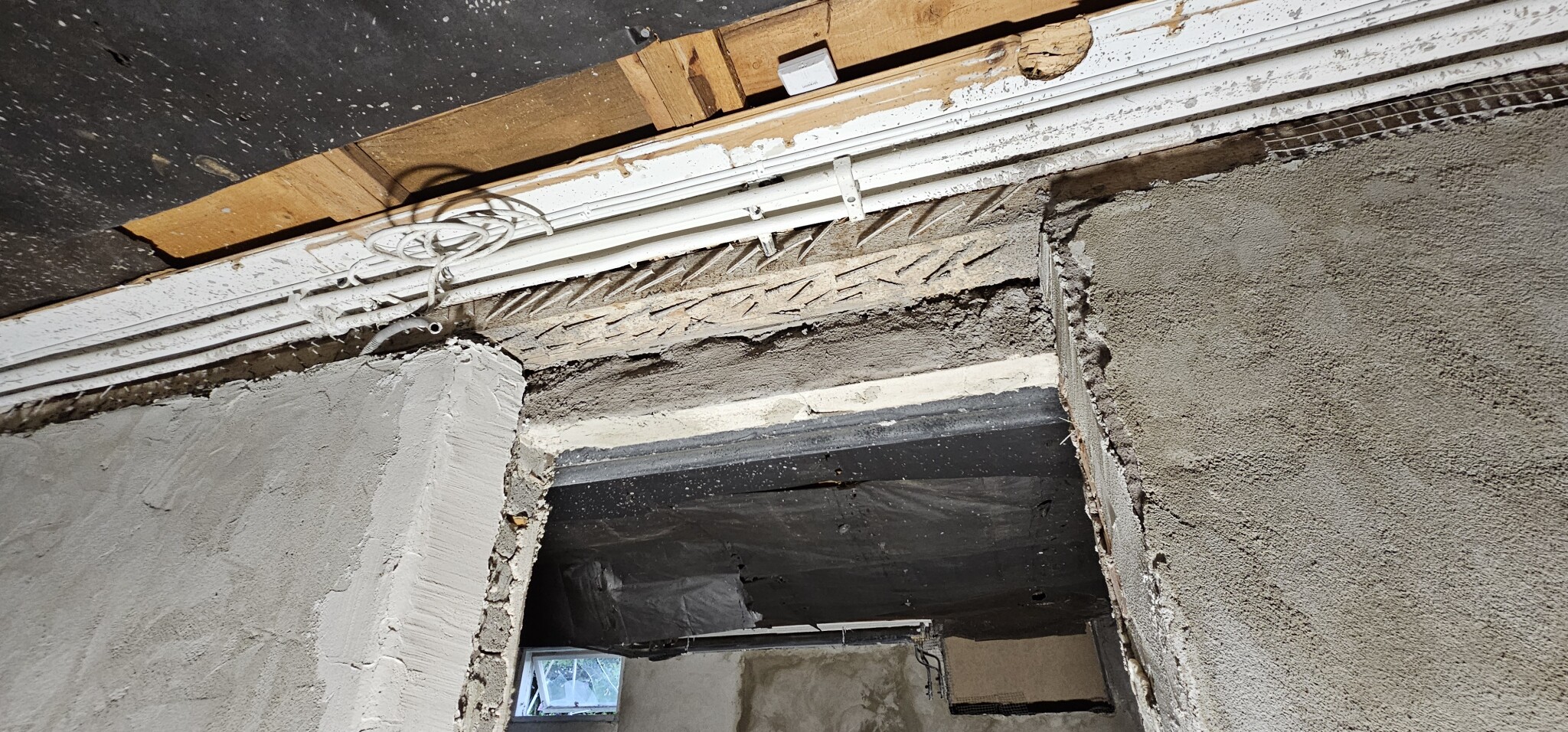
Do you have suggestions on how to plaster these pictures?A Alexn72 said:
Previously, there was plaster with wallpaper on top, which made me need to chip it off.
Do you have suggestions, for example, a picture of how to plaster these pictures? The door had plaster with wallpaper that I needed to chip off. Now there are large nails, and the company didn't have a good answer 🙈 other than gypsum, which I refused due to previous reaction.A Alexn72 said:
Then by the wall to the floor, if you zoom in, you can see gaps between the wall/sill.
Can I prep then use B mortar? Or sealant?