
Hi
I have started renovating a bedroom in a rental apartment (condominium) and when I took a closer look at the ceiling, it looks like this. I have scraped some parts that were loose and where these cracks are, there is air between the concrete and plaster. I'm a bit suspicious that it is or has been moisture that caused this since another room confirmed to have a moisture problem from the facade has areas in the ceiling that look similar, but that's another chapter.
Tomorrow someone is coming to measure any potential moisture, so my question is assuming it's dry, can I fix this on my own? That is, scrape away everything that is loose and apply new material, but advice on how to do it and what materials to use, plaster? But which type if there are several and is it just a matter of spreading it out, kind of like spackling. The ceiling is textured, so I want it to look the same. Or do you use some sort of technique to achieve this appearance?
I would prefer to be able to fix this myself, I have done some renovations but this is a new area for me. But I'm thinking if it's smaller areas and not the entire ceiling, maybe one can "patch" it easily on their own.
I have started renovating a bedroom in a rental apartment (condominium) and when I took a closer look at the ceiling, it looks like this. I have scraped some parts that were loose and where these cracks are, there is air between the concrete and plaster. I'm a bit suspicious that it is or has been moisture that caused this since another room confirmed to have a moisture problem from the facade has areas in the ceiling that look similar, but that's another chapter.
Tomorrow someone is coming to measure any potential moisture, so my question is assuming it's dry, can I fix this on my own? That is, scrape away everything that is loose and apply new material, but advice on how to do it and what materials to use, plaster? But which type if there are several and is it just a matter of spreading it out, kind of like spackling. The ceiling is textured, so I want it to look the same. Or do you use some sort of technique to achieve this appearance?
I would prefer to be able to fix this myself, I have done some renovations but this is a new area for me. But I'm thinking if it's smaller areas and not the entire ceiling, maybe one can "patch" it easily on their own.
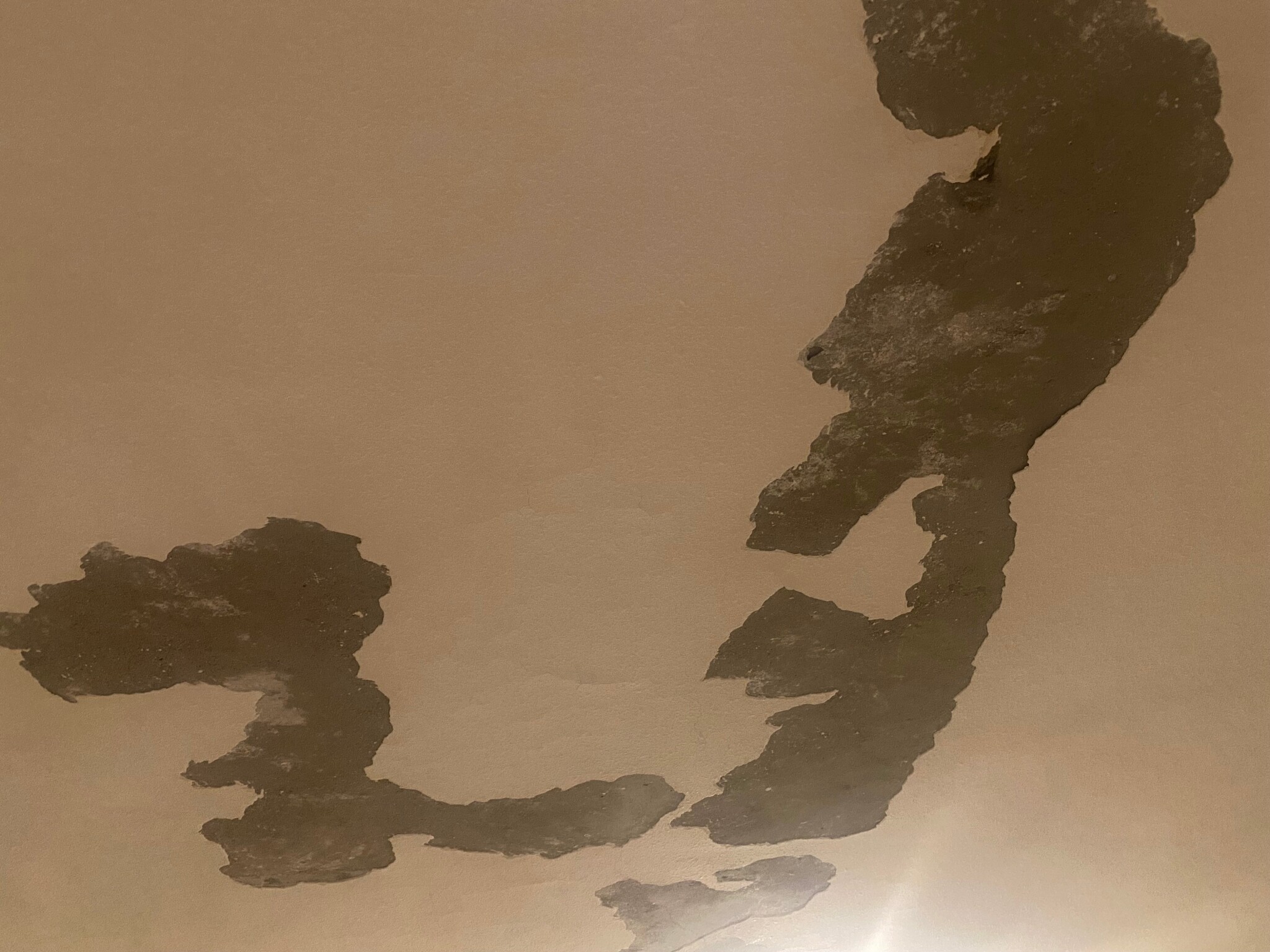
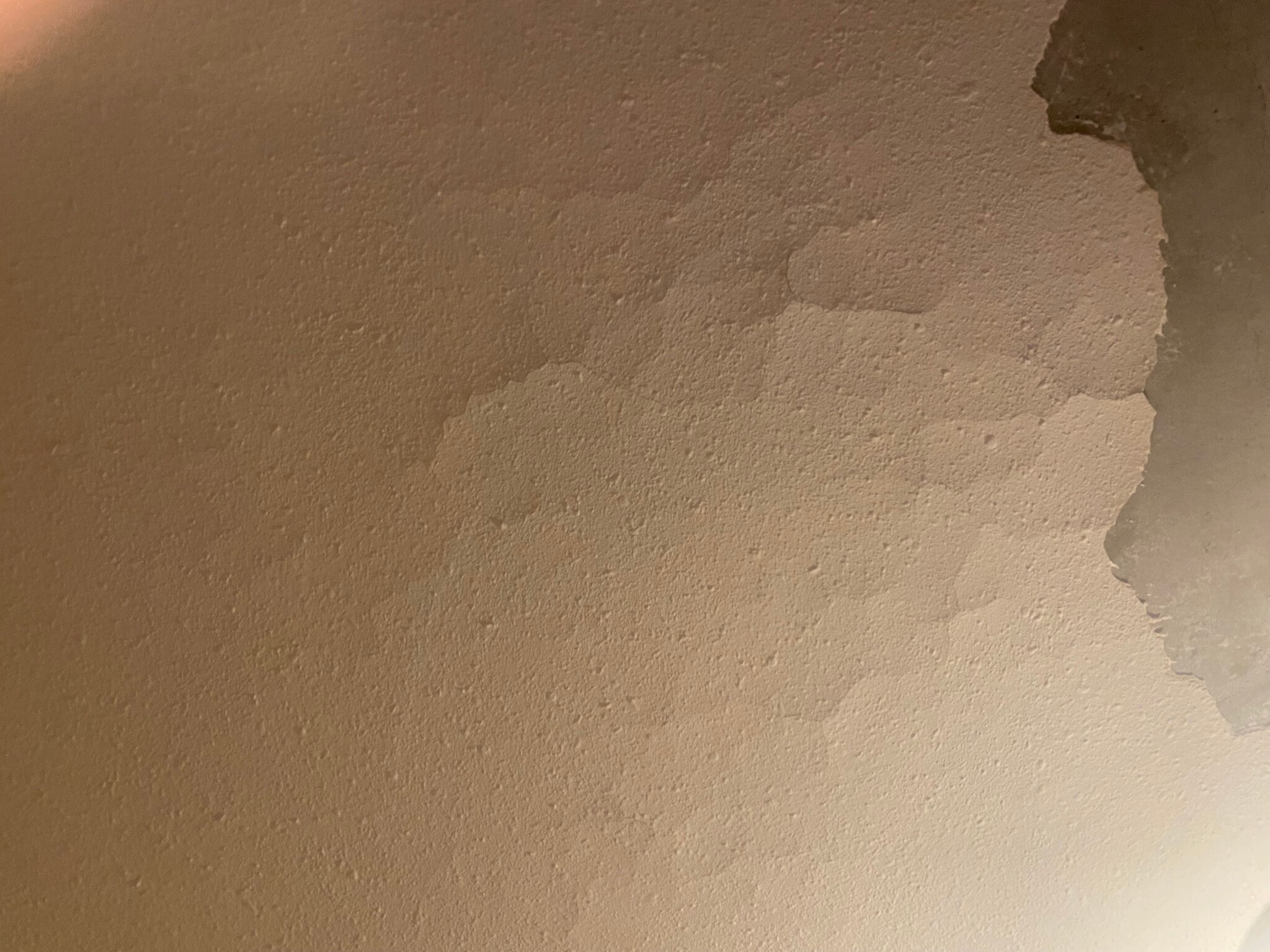
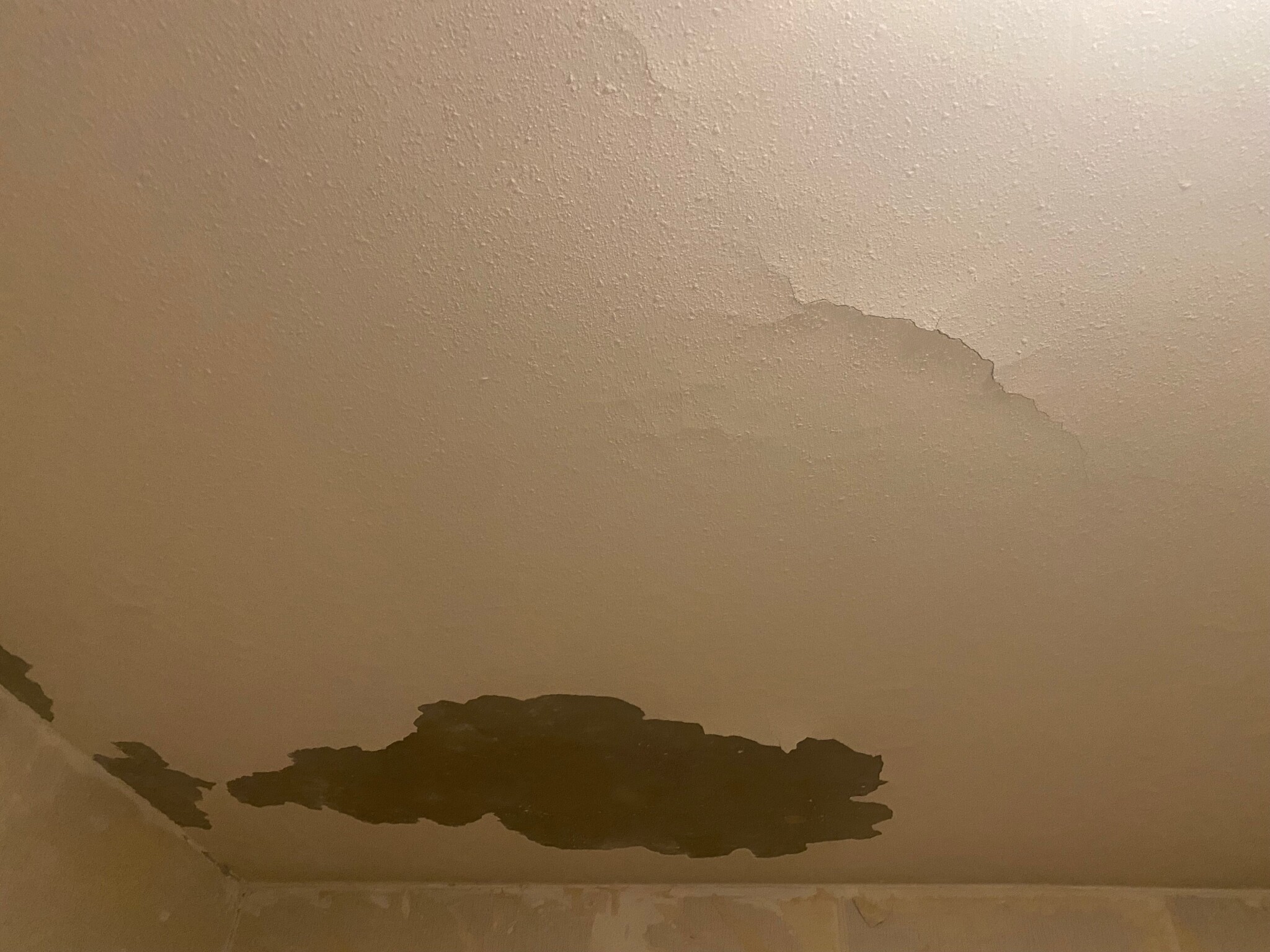
I think it looks a bit thin to be plastered, I believe more that it is patched and painted. When was the house built?
Ah, could it be so, yes it is quite thin, the house was built in the 60s. If it's enough to spackle, is there spackle with this appearance? It would make it easier for me anywayKarl-Ove Qvarfordt said:

It's probably just spackle. If it's large areas, I would spackle with regular spackle and apply a fiber cloth so it lasts "forever." If it's smaller areas, which it doesn't seem to be, you can spackle with regular spackle and "dab" with a wet sponge to achieve a similar surface texture.B Beckett said:
Click here to reply