
8,220 views ·
13 replies
8k views
13 replies
New element basement according to inspection man!
Hello!
We bought a single-story house in 2016 with a basement. According to the inspection report, there is a so-called EW element foundation with a risk construction, which indicates that the studs are cast in the concrete slab, etc.
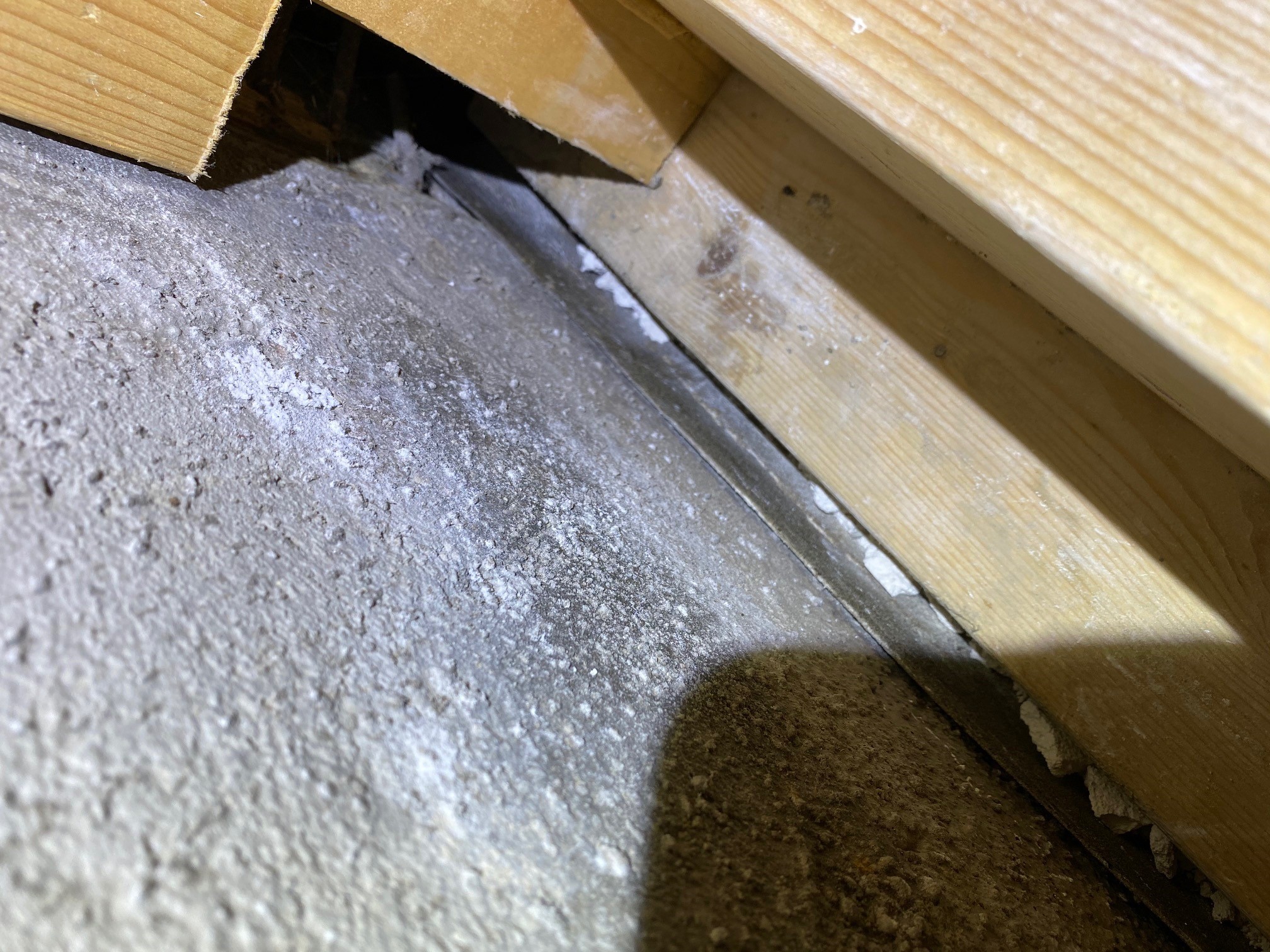
I have torn the bathroom in the basement down to the foundation and saw how the construction behind the wall is initially built, showing that the studs are absolutely not cast in concrete; they are sitting on a footing, and there is fiber or asphalt mat under the footing. What does this mean? Has the inspector guessed their way to the EW?
See picture, I hope I'm not interpreting this wrong!
We bought a single-story house in 2016 with a basement. According to the inspection report, there is a so-called EW element foundation with a risk construction, which indicates that the studs are cast in the concrete slab, etc.
I have torn the bathroom in the basement down to the foundation and saw how the construction behind the wall is initially built, showing that the studs are absolutely not cast in concrete; they are sitting on a footing, and there is fiber or asphalt mat under the footing. What does this mean? Has the inspector guessed their way to the EW?
See picture, I hope I'm not interpreting this wrong!


Hello,
when was the house built? I have EW-elements from 91 and contacted the manufacturers of my elements last year to ask about the construction. Unfortunately, they didn't have any drawings but informed me that they stopped using embedded studs sometime in the 80s due to all the moisture damage problems and instead bolted the studs with a few mm gap between the stud and the wall to avoid direct contact with the concrete. Some manufacturers also started using steel studs.
They also mentioned that in their reports, the majority of moisture damage causes in ew-elements are due to poor basement drainage, specifically that the drainage is too high, allowing moisture to enter the foundation and rise through the studs, or that renovations add moisture-resistant paint or vapor barriers on the inside of filled walls.
In the construction drawing I have, it's clear that the moisture content in the studs could not exceed 17% when the interior was completed, and that there should be at least 0.35 l/s * m2 exhaust air under negative pressure. Vapor barriers should only be installed on non-filled walls, and insulation below ground should not exceed 145mm. Above ground, you can fully insulate and build a tight interior with a vapor barrier, but avoid vapor-resistant paint on the outside.
I think it looks nice and fresh in your picture. The air gap between the stud and the concrete also seems to be there.
when was the house built? I have EW-elements from 91 and contacted the manufacturers of my elements last year to ask about the construction. Unfortunately, they didn't have any drawings but informed me that they stopped using embedded studs sometime in the 80s due to all the moisture damage problems and instead bolted the studs with a few mm gap between the stud and the wall to avoid direct contact with the concrete. Some manufacturers also started using steel studs.
They also mentioned that in their reports, the majority of moisture damage causes in ew-elements are due to poor basement drainage, specifically that the drainage is too high, allowing moisture to enter the foundation and rise through the studs, or that renovations add moisture-resistant paint or vapor barriers on the inside of filled walls.
In the construction drawing I have, it's clear that the moisture content in the studs could not exceed 17% when the interior was completed, and that there should be at least 0.35 l/s * m2 exhaust air under negative pressure. Vapor barriers should only be installed on non-filled walls, and insulation below ground should not exceed 145mm. Above ground, you can fully insulate and build a tight interior with a vapor barrier, but avoid vapor-resistant paint on the outside.
I think it looks nice and fresh in your picture. The air gap between the stud and the concrete also seems to be there.
Forgot to also write that the house was built in 1977
Impregnerade can they still be according to old drawings of the house!
How do you ensure whether they are or not?
How do you ensure whether they are or not?
Not that I know of, I'll have to look at another wall in the house so I don't get fooled as you say!
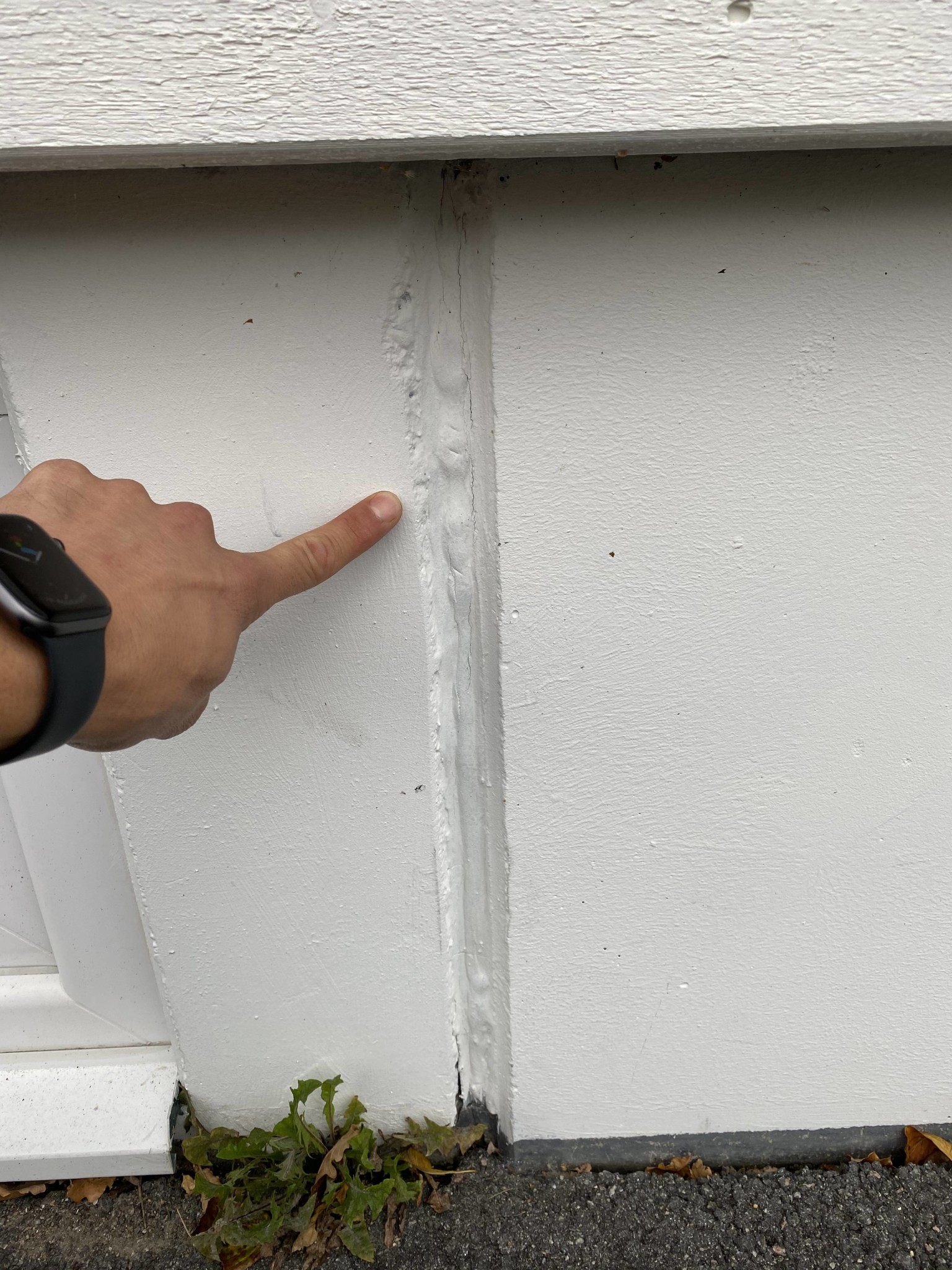
The joints on the outside of EW elements are also sealed with a silicone-like sealant, usually 1.5-2 cm wide indentations on the outer wall that you can poke and feel the softness. If an inspector sees those seals during the visual inspection, they suspect EW elements. Our inspector explained that these were typical for EW and based on that, he noted it as a risk, but he didn't want to say 100% that it was an EW construction.J Janan_mansour said:

The fact is, if the inspector sees that something is a risk, they will note it down.
When you then conduct a deeper investigation and clarify that it wasn't built that way... Congratulations!
But what if the inspector had just written "it might possibly be so" and it turned out to be a risk construction.
An inspection report is not always a definitive answer but a way for buyers to make an informed purchase. Things can be both worse and better. If it's worse, it becomes a "is this a hidden defect" thread here. And if the house is better, you can be happy
When you then conduct a deeper investigation and clarify that it wasn't built that way... Congratulations!
But what if the inspector had just written "it might possibly be so" and it turned out to be a risk construction.
An inspection report is not always a definitive answer but a way for buyers to make an informed purchase. Things can be both worse and better. If it's worse, it becomes a "is this a hidden defect" thread here. And if the house is better, you can be happy
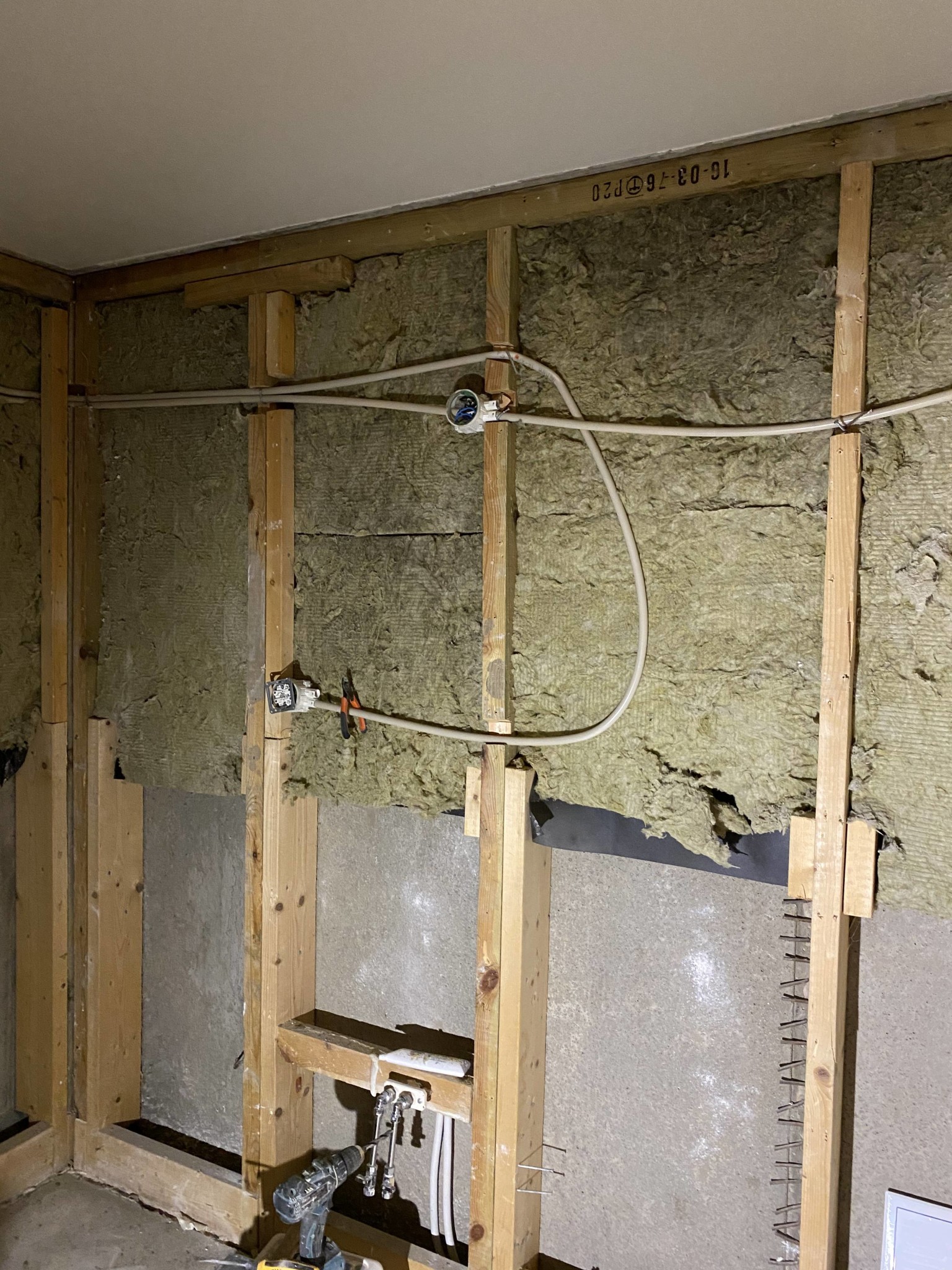
The 2 exterior walls that I demolished were halfway insulated, meaning the area below ground was not insulated and the area above ground was insulated!
Best answer
Exciting, it does look like ew from a distance but with replaced studs, but I'm just guessingJ Janan_mansour said:
anyway, I continue to guess that the previous owner re-drained the outside and moved the insulation there instead of inside, which is positive, the replaced studs look really fresh
Click here to reply