
11,022 views ·
26 replies
11k views
26 replies
Microcement, a test of patience!!!
As you have probably seen from my posts above, I would advise against Epodex, which I found extremely difficult to work with. If I were to redo this, which I don't think I will, I would try a one-component cement, which simplifies the process. Scrape off any irregularities that you don’t want with a steel putty knife before it fully cures, and you'll completely avoid the need for machine sanding—manual light sanding with sandpaper will suffice. Good luck!KJD said:
I've used DesignByCement, one-component, but only on a kitchen counter/both horizontal/vertical. It wasn't too difficult, but it's easy to sand through since the layer is so thin. I'm now considering applying it in a basement bathroom, in something like wet zone 2 only on the wall. It's diffusion-open, which I need, so there aren't many options, possibly Epodex without the finish layer.
You need to sand DBC's cement as well, to achieve the marbling and smooth out the filler marks.I have used DesignByCement, one-component, but only on a kitchen countertop/both horizontal/vertical. It wasn't too difficult, but it's easy to sand through since the layer is so thin. I'm now considering applying it in a basement bathroom, in something like wet zone 2, only on the wall. It's vapor open, which I need, so there aren't many alternatives, possibly Epodex without the finish layer.
The problem I have is that I want to create a bathroom where the material is vapor open and at the same time acts as a waterproof barrier and completely waterproof in wet zone 1. Epodex is one of the few that supports both, with and without the top coat.
Do you have the opportunity to post some pictures? I think the pictures shown of Epodex cement don't have the marbling that one typically wants to see in microcement.
I've also used Konkrals products without success. I was supposed to lay a 16 sqm floor. Both retarder and thinner were added to the product, according to the manufacturer's recommendation. Just as the thread starter says, the product cures extremely quickly. I can lay these 16 sqm in about 30 minutes, but no matter how I act, the material cures too fast, and I get dark patches. This primarily occurs when taking a 25-second break from "spackling" to pour out new material. When you then put the bucket down and start working the newly poured material into the material already on the floor, dark patches appear. It states that you shouldn't pause or take breaks, but turning around to get more material I don't consider a break. I even have help from my girlfriend who is ready with the bucket behind my back. I'll try to call Konkral and hear what they say, but I'm not very pleased, that much I can say.
With a year's perspective on the work with my bathroom walls, I am satisfied with the result today. It was extremely difficult to get the cement to stick to the wall and then manage to work on it before it dried, it was like you were never satisfied with the final finish. You will get used to the dark shades once everything is finished. Microcement is inherently uneven, which creates shadows.
You need to sand DBC's cement too, to achieve the pattern and smooth out any filling marks.
The problem I have is that I want to create a bathroom where the material is diffusion-open and at the same time both waterproof and completely sealed in wet zone 1. Epodex is one of the few that supports both aspects, both with and without top coat.
Do you have the possibility to post some pictures? I think the pictures that have been shown of Epodex cement don't have the pattern that you would normally want to see in microcement.
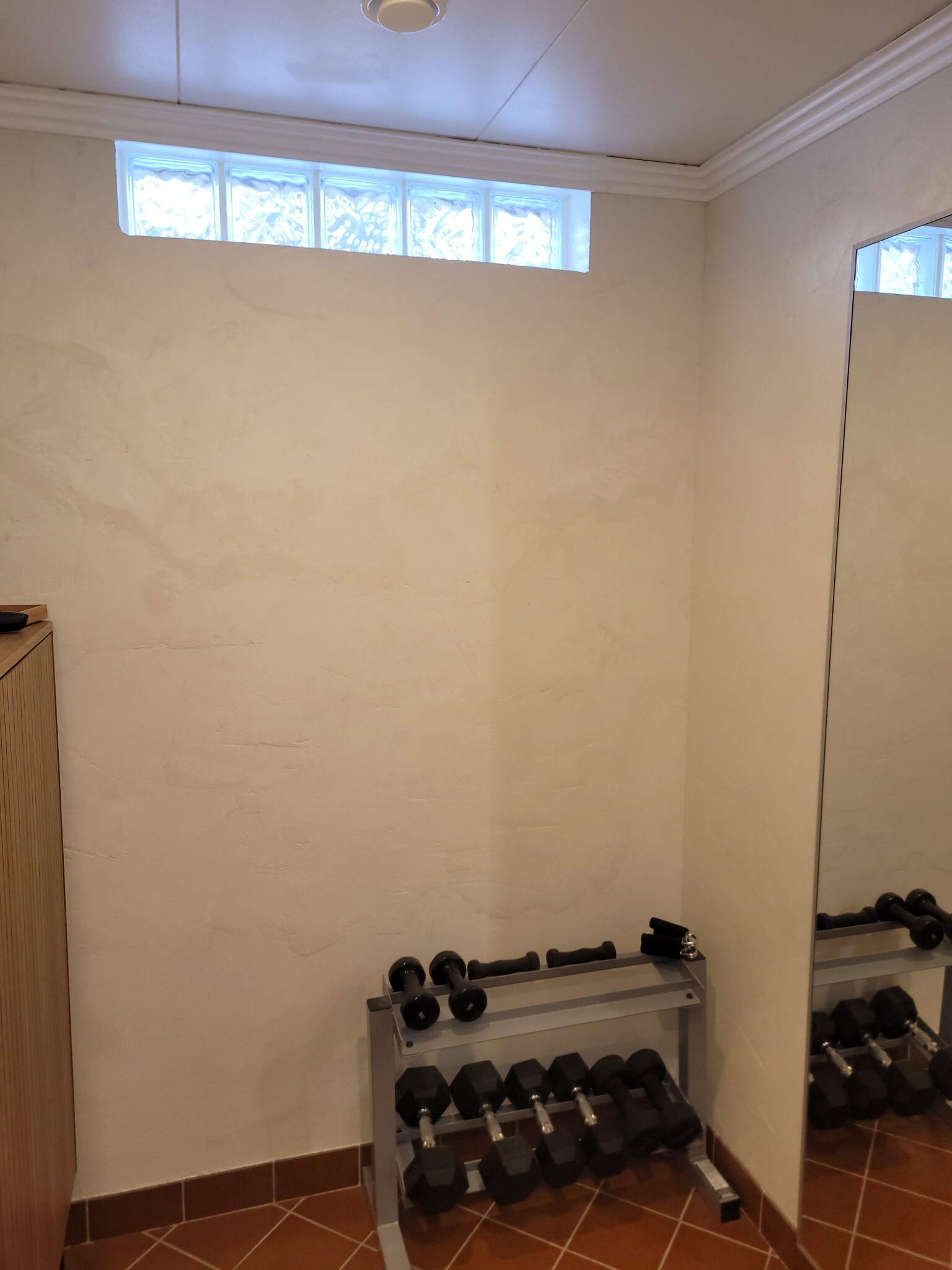
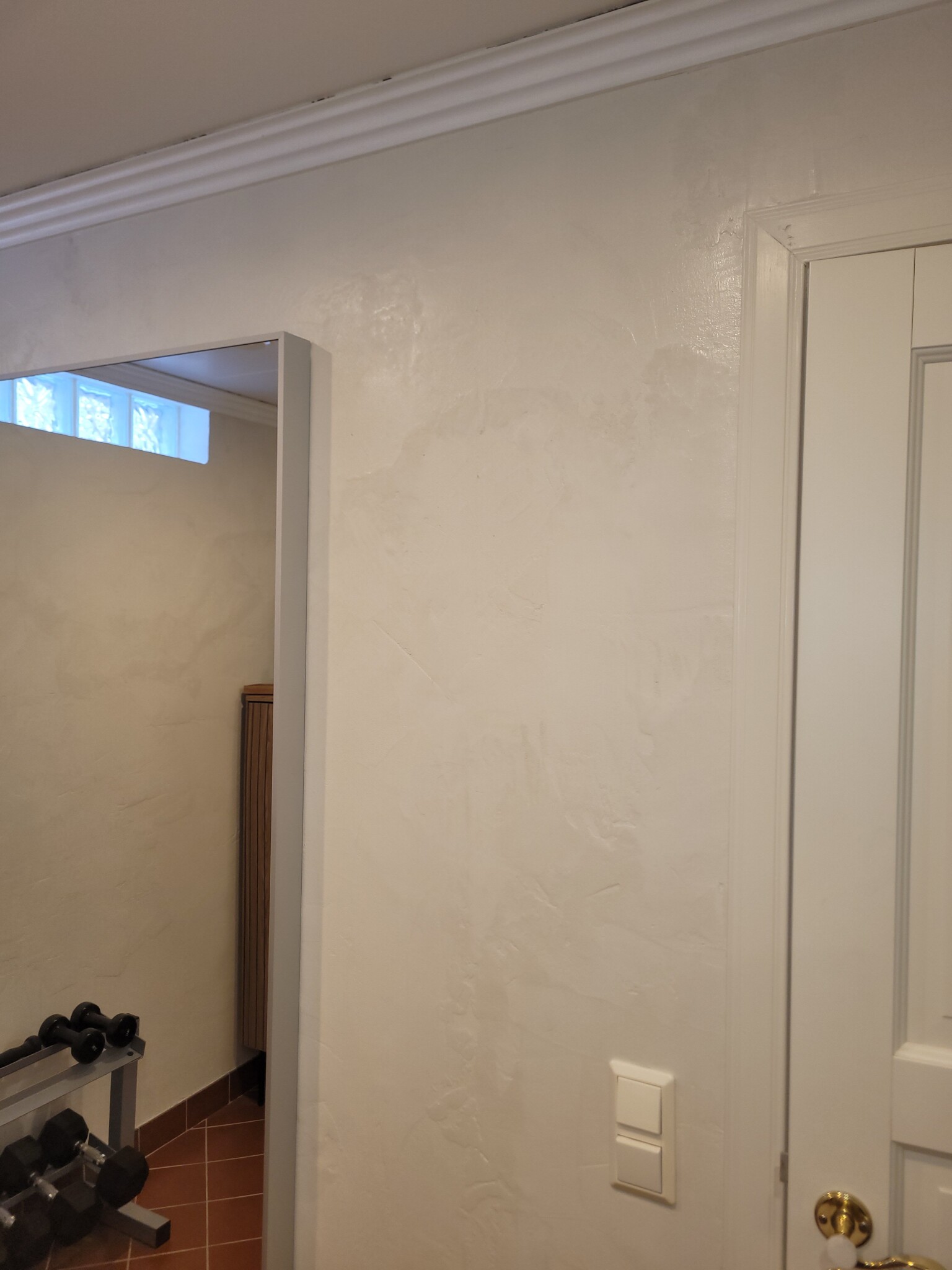
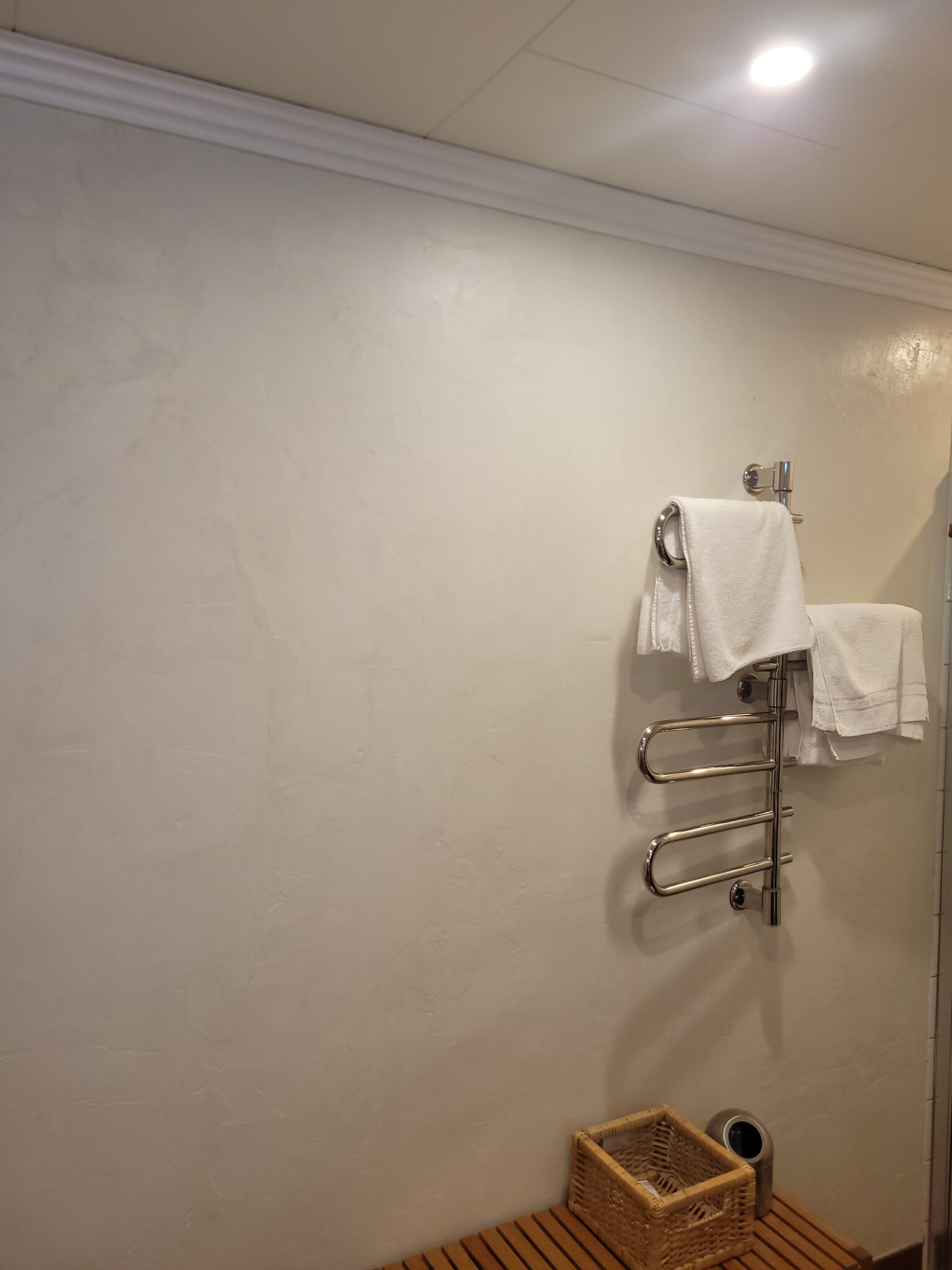
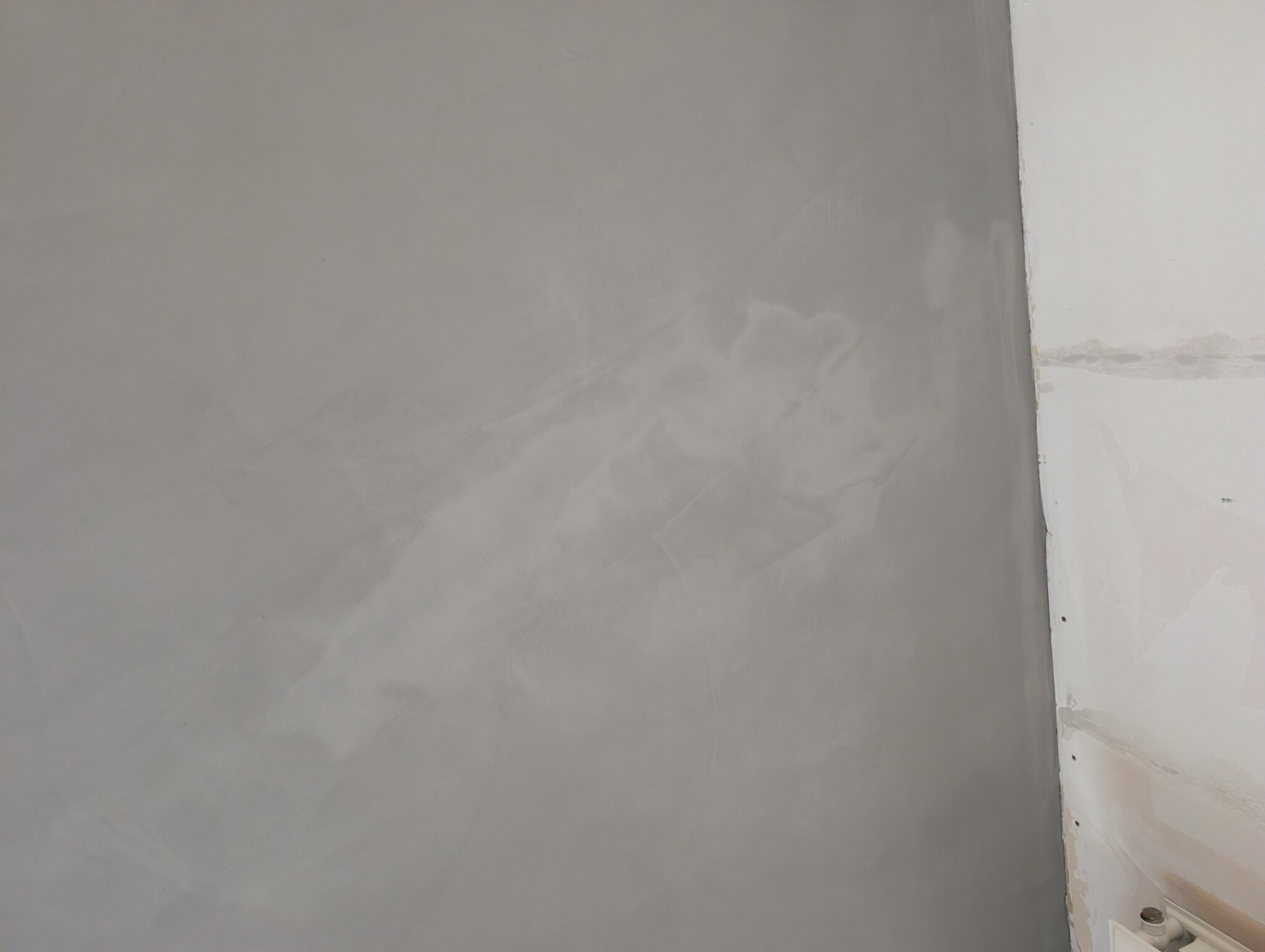
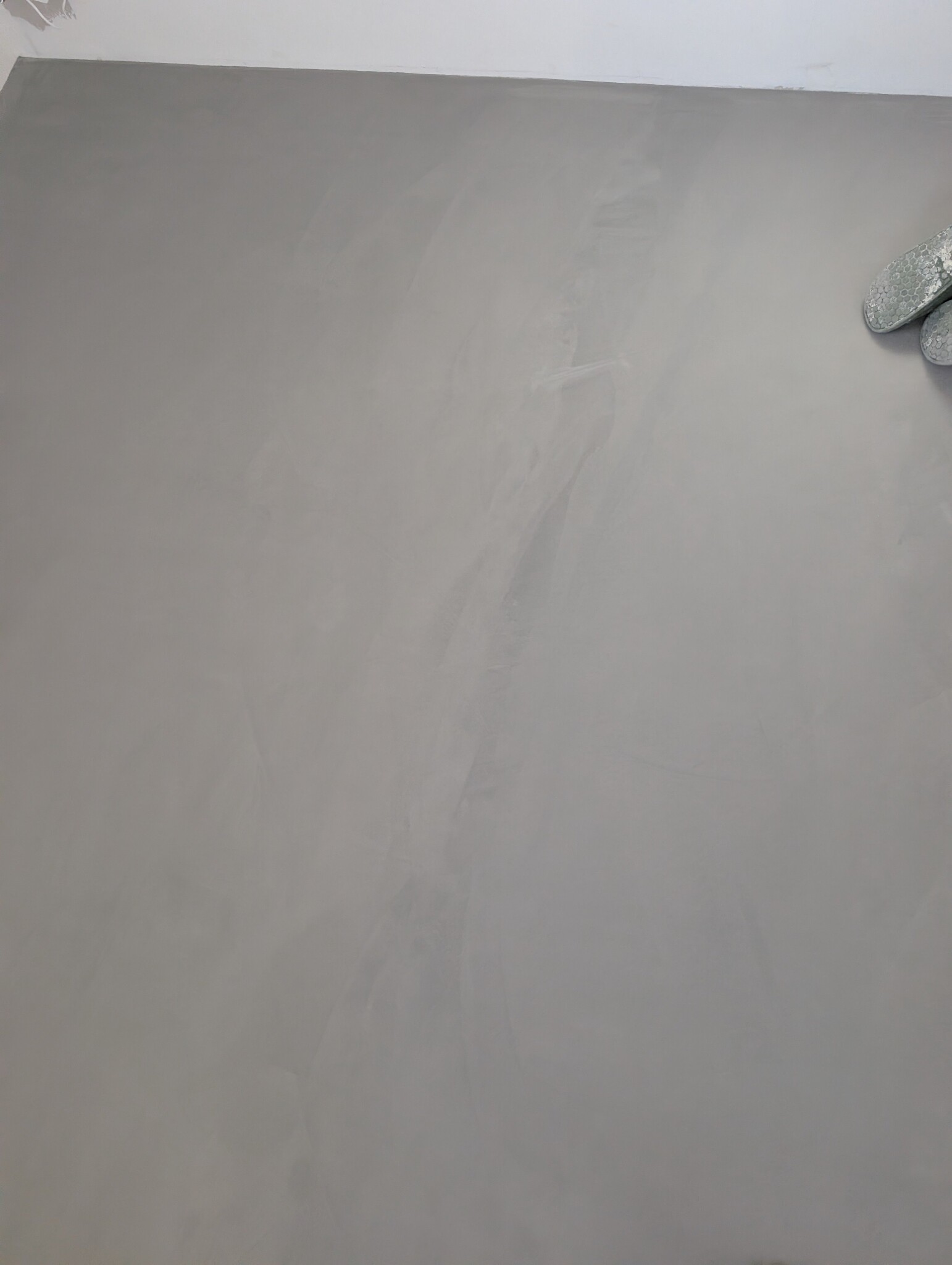
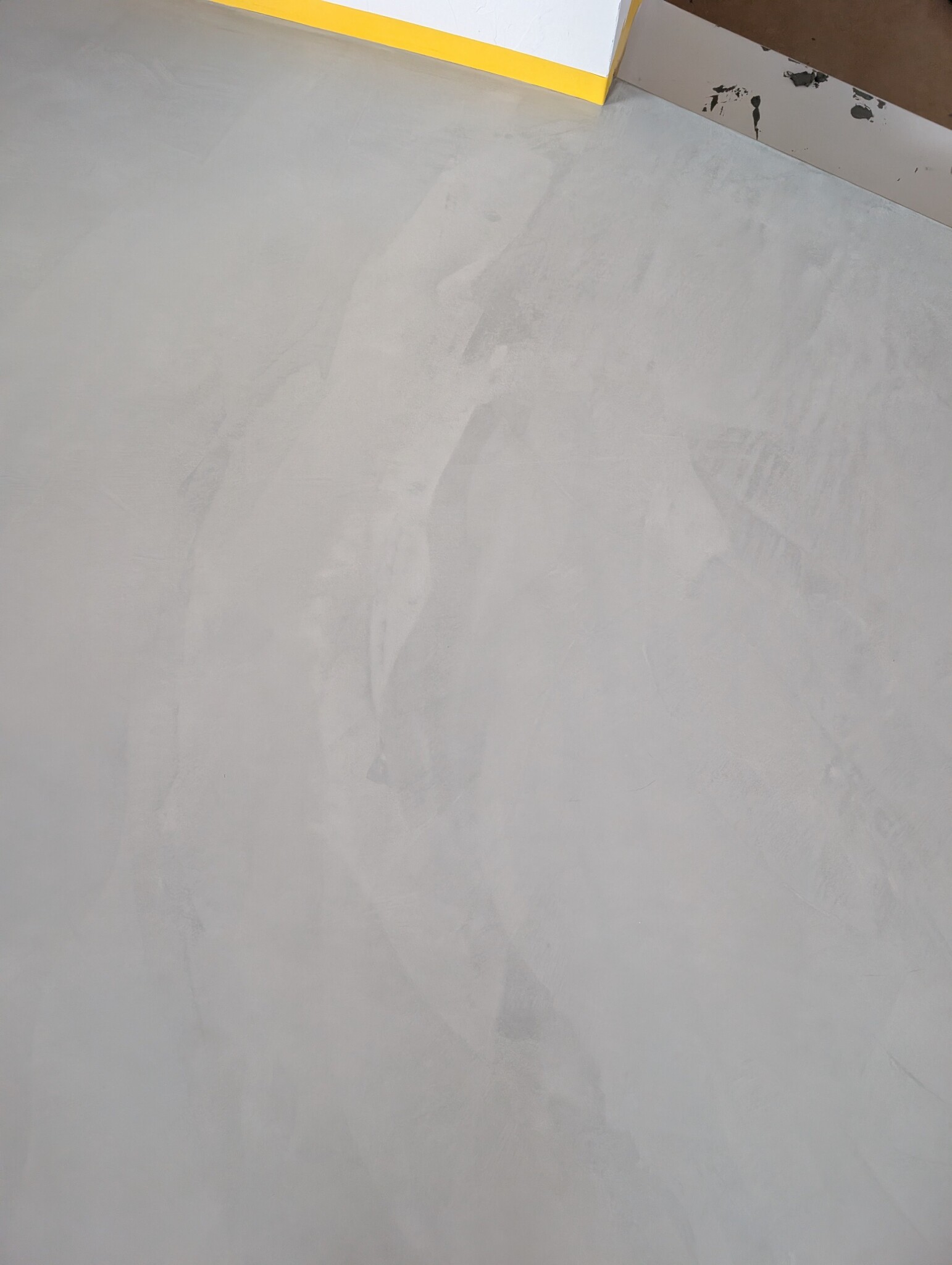
I think it looks as expected. Mikrocement is not a paint, which one should keep in mind, i.e., the color variations are part of the concept. It will look nice when the epoxy is applied. I chose clear gloss which I somewhat regret as it reflects too much in bright light.

The blotchiness does not disappear when you apply sealer, but it changes character a bit so it might become slightly less disturbing.otto.petren said:
I wanted a completely homogeneous surface actually, but knew that there would be some "blotchiness," but I still think the final result turned out okay for me. I practiced inside the toilet first and there's both streaks and dark areas, but the other walls are pretty good still...
I have a warm beige color that I think is more forgiving than cold and dark colors...

We have been to look at Konkrals showroom in Gbg and think that everything we've seen on site looks good. Also, what you see on YouTube looks good. Mine, however, is awful in my opinion. I've booked a 30-minute "technical support" with Konkral on Monday, but I don't think there's much that can be done unfortunately. The only thing I can think of is the following: Instead of pouring out new material when the material on the floor runs out, you pour new material directly into the already laid material before the "move" with the liquid material has run out. But I guess that won't work either.
There are courses available to learn how to apply microcement, though I'm not sure if these are worthwhile. Obviously, one can't apply it as evenly as in a showroom where professionals have been at work. I often find that YouTube is misleading and everything looks so easy set to pleasant music, etc. Don't be too hard on yourself. Next time it will be easier and more even!
Click here to reply