
2,020 views ·
11 replies
2k views
11 replies
Long horizontal crack in basement wall
After drainage work, the cinder block basement wall developed a long horizontal crack, about 2-3mm wide and 4m long. The basement was furnished but in very poor condition. Both the wood panels and beams attached to the wall were affected by long-term moisture, so I removed them. I am now wondering if they might have had another function affecting the wall after I removed them. Was it a mistake? What can be done now to fix the issue?
A vertical crack in another wall, which was already there before the work began, however, has grown larger. Some of the blocks have been pushed in, one of them up to 1 cm. The crack seems to be due to a large stone pressing against the wall, probably from when the building was originally constructed.
The contractor who performed the drainage work said the cracks were nothing to worry about. Additionally, there are other cracks around the basement that have likely been there for many years, and the inspector who conducted the transfer inspection also said these cracks were nothing to worry about. I have contacted some professionals for an assessment, but I am also interested in hearing others' opinions on this and if anyone has experience with similar problems.
A vertical crack in another wall, which was already there before the work began, however, has grown larger. Some of the blocks have been pushed in, one of them up to 1 cm. The crack seems to be due to a large stone pressing against the wall, probably from when the building was originally constructed.
The contractor who performed the drainage work said the cracks were nothing to worry about. Additionally, there are other cracks around the basement that have likely been there for many years, and the inspector who conducted the transfer inspection also said these cracks were nothing to worry about. I have contacted some professionals for an assessment, but I am also interested in hearing others' opinions on this and if anyone has experience with similar problems.
Pictures?M mmmart said:After drainage work, the lecablock basement wall developed a long horizontal crack, about 2-3mm wide and 4m long. The basement was finished but in very poor condition. Both the wood panels and beams attached to the wall were affected by long-term moisture, so I removed them. I'm now wondering if they may have had some other function that impacted the wall after I removed them. Was it a mistake? What can be done now to fix the problem?
A vertical crack in another wall, which already existed before the work started, has however become larger. Some of the blocks have been pushed in, one of them up to 1 cm. The crack seems to be caused by a large stone pushing against the wall, probably from when the building was originally constructed.
The contractor who performed the drainage work said the cracks were nothing to worry about. Additionally, there are other cracks around the basement that have likely been there for many years, and the inspector who did the transfer inspection said that these cracks were also nothing to worry about.
I have contacted some professionals for an assessment, but I am also interested to hear other people's opinions on this and if anyone has experience with similar problems.
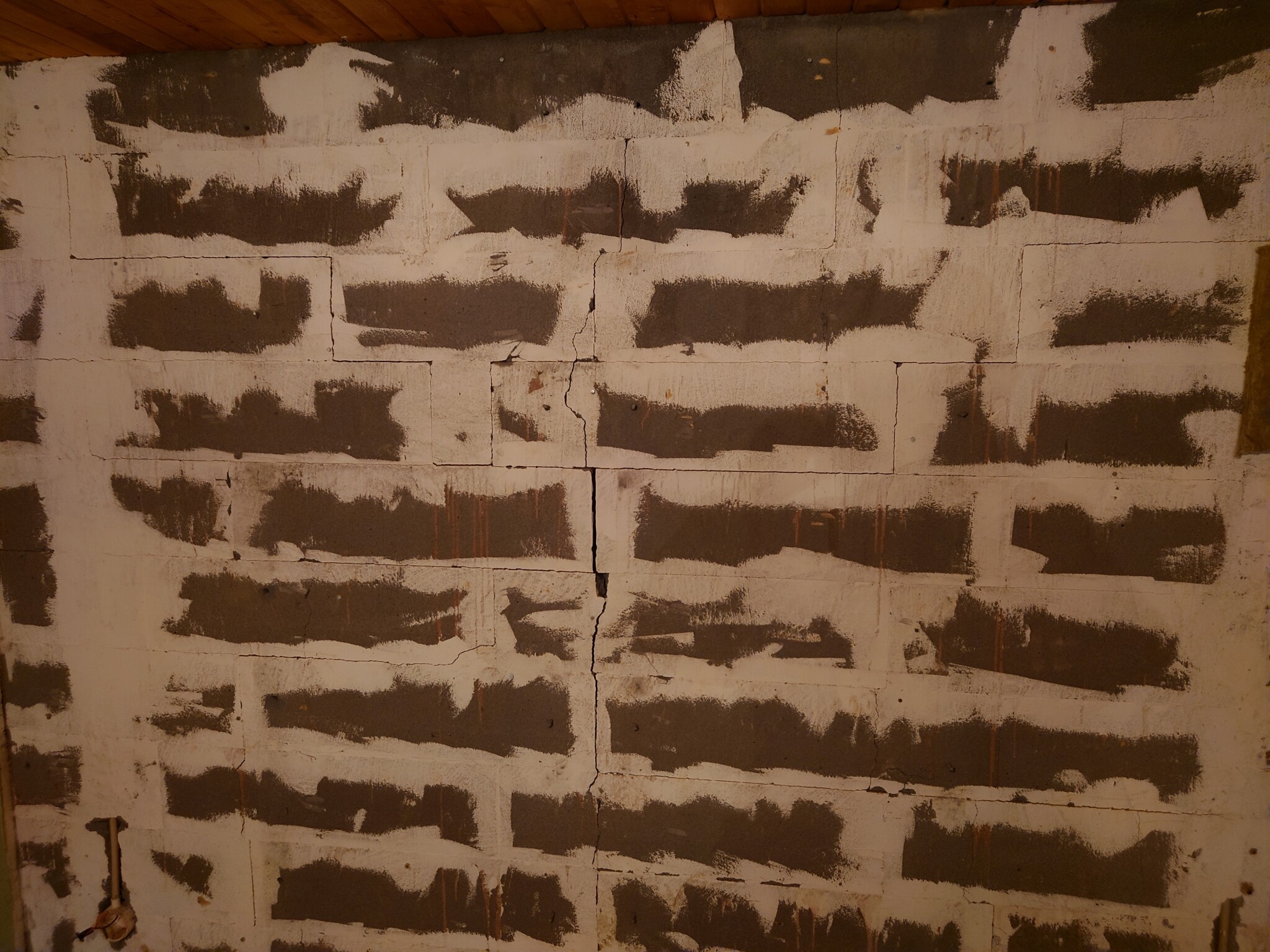
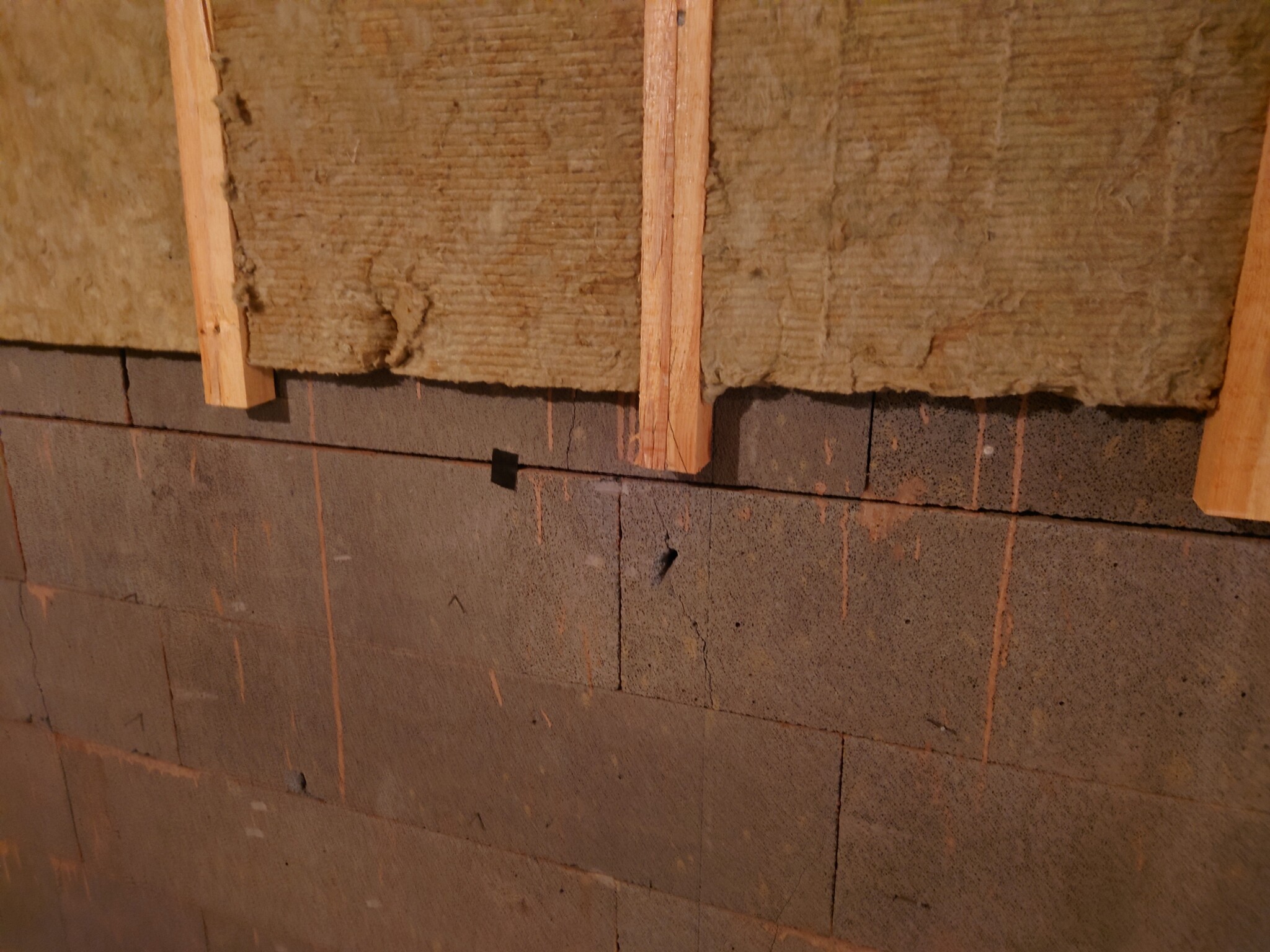
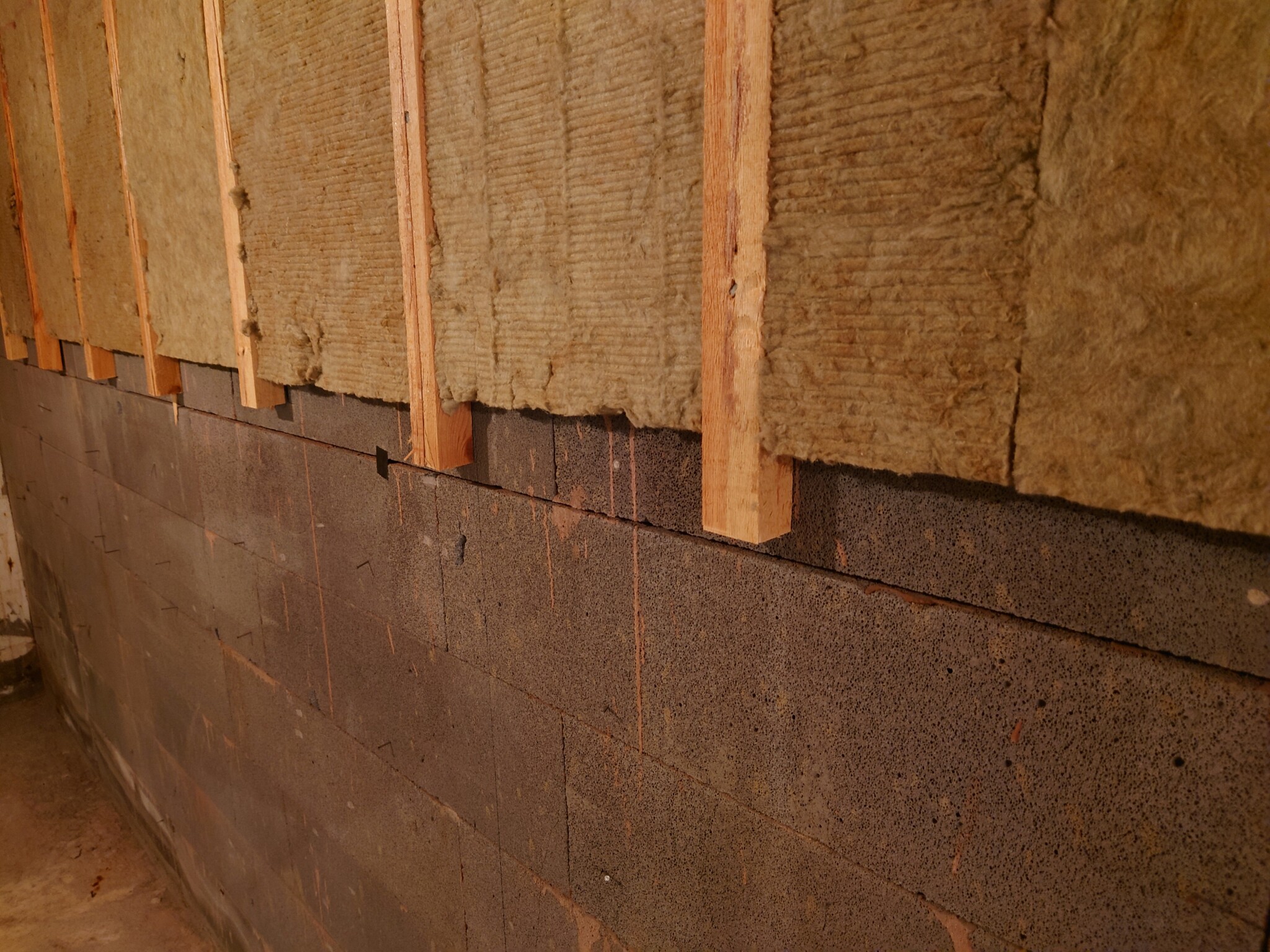
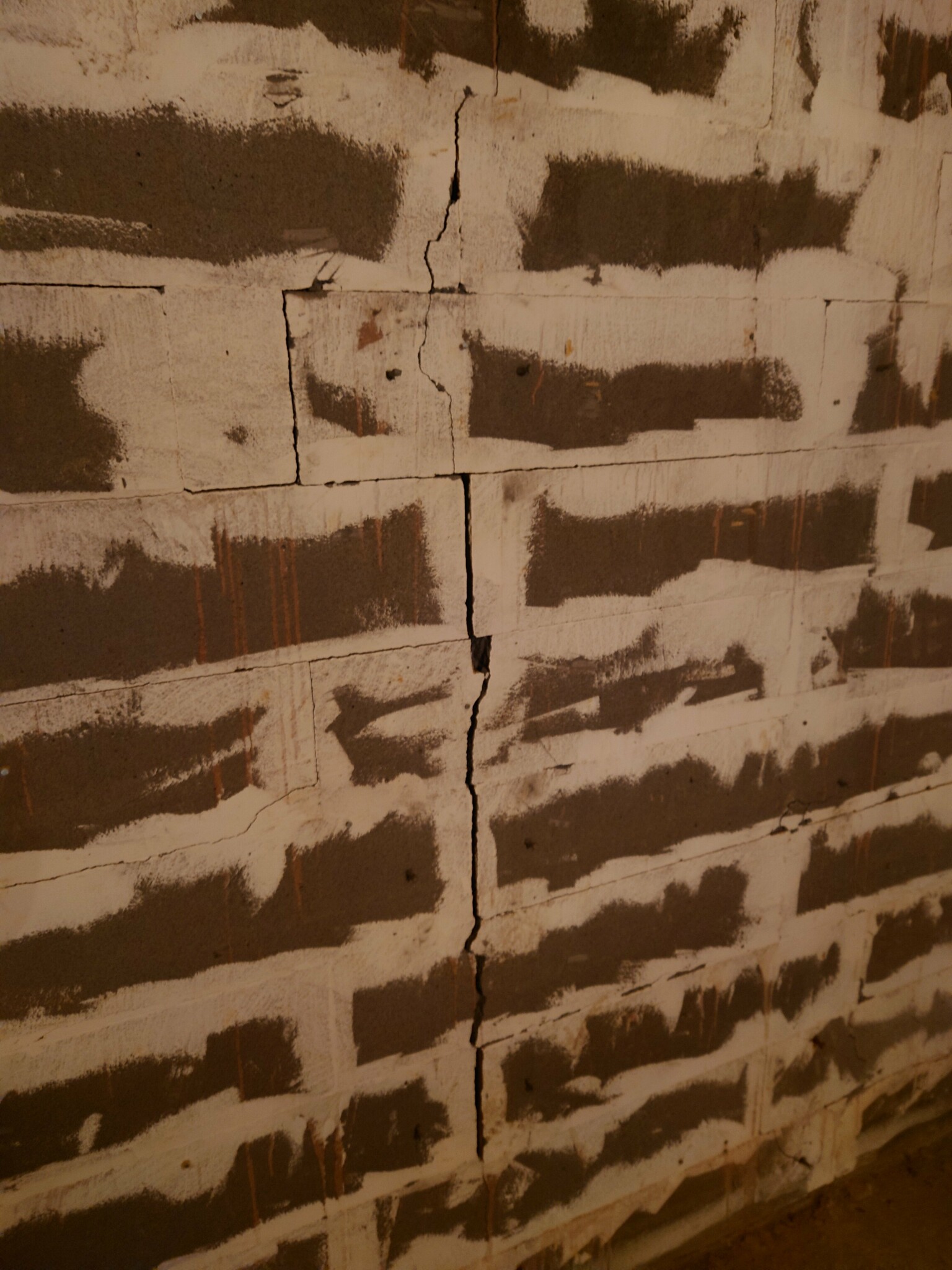
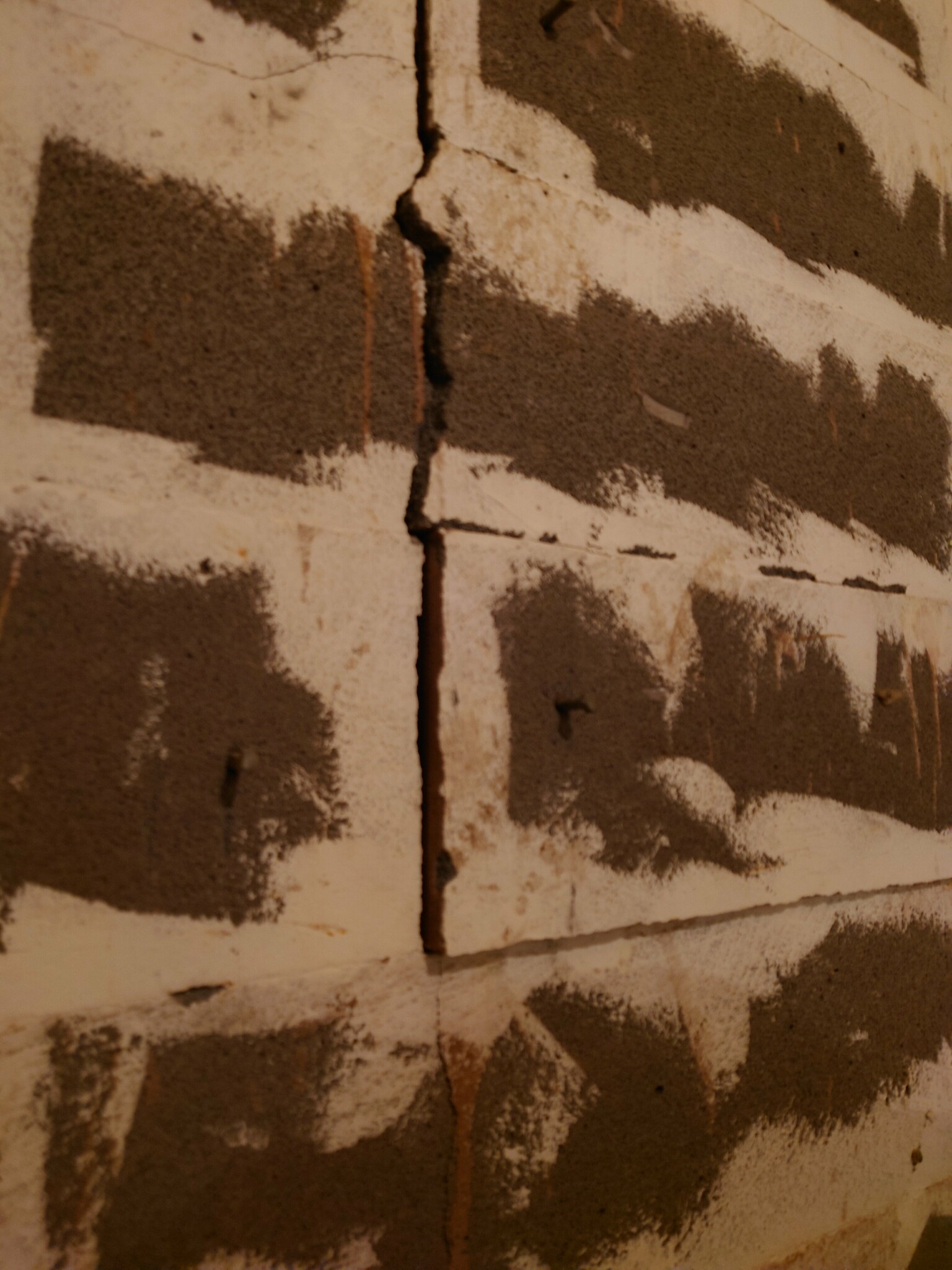
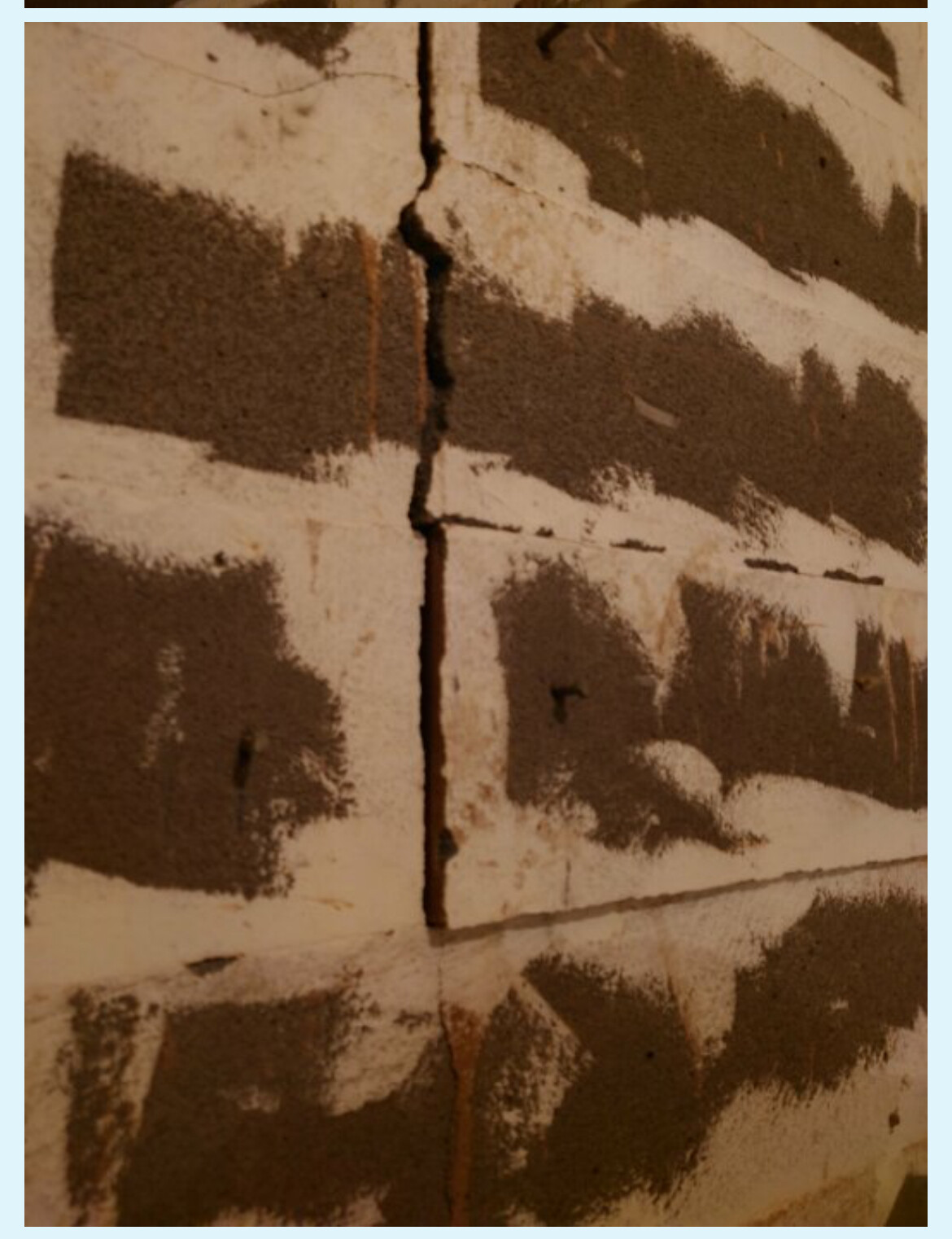

This is not at all how I imagined it would look. Is it a brick wall? Anyway, something seems to be pressing from the outside, as pointed out.M mmmart said:
It looks like a slow process that may have been going on for years behind the insulation. So, don't rush.
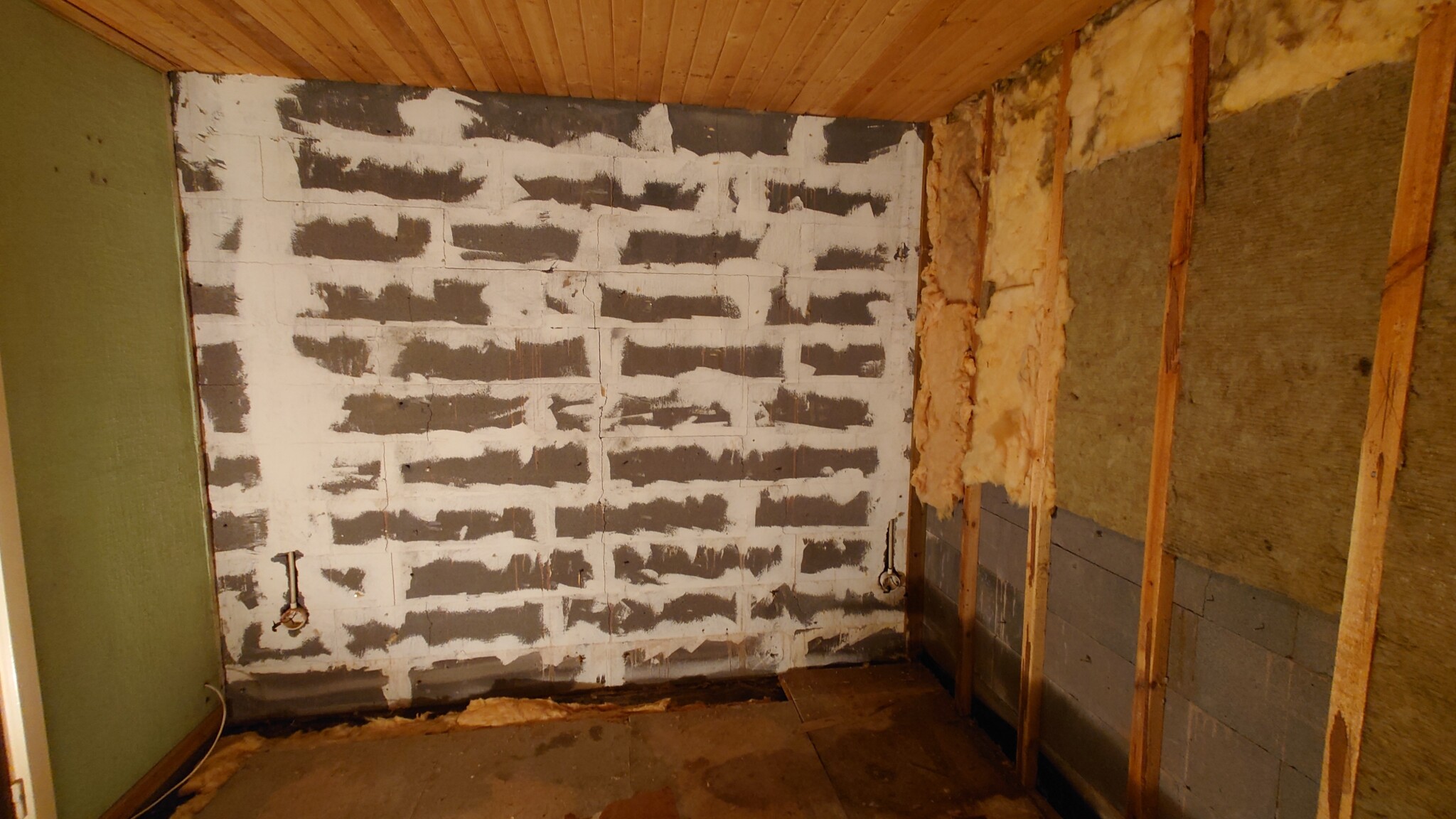
Was there moisture on the inside of the lecablocks before drainage, and was it then moisture specifically in the gaps or just at the bottom of the wall?
It was quite moist everywhere but mostly at the bottom of the wall. But I haven't seen particularly much moisture around cracksJ Jesper mångsysslare said:
I never saw the excavator close to the wall and there's rock all around the house about 1.5-2m away, so I don't think there was much extra pressure but no idea.. The backfilling happened twice though because the contractor installed the wrong thickness of insulation the first time...Intet said:
What to do now is probably to document the cracks with photos and measure them to see if they get larger or if they remain the same over time, perhaps over the winter. If they've drilled and plugged isodrän or something similar on the outside, that might have caused the cracking. After, for example, the winter, you should probably chisel away a block at a gap and see if there is anything concerning; you can then build a new one there. Just don't take too low, but rather in the middle of the wall, so you can inspect and take photos.
Click here to reply