
Hello.

We are currently renovating our condominium and are planning to remove a wall. It is OK with the association.

We don't have much experience with renovating walls, etc.

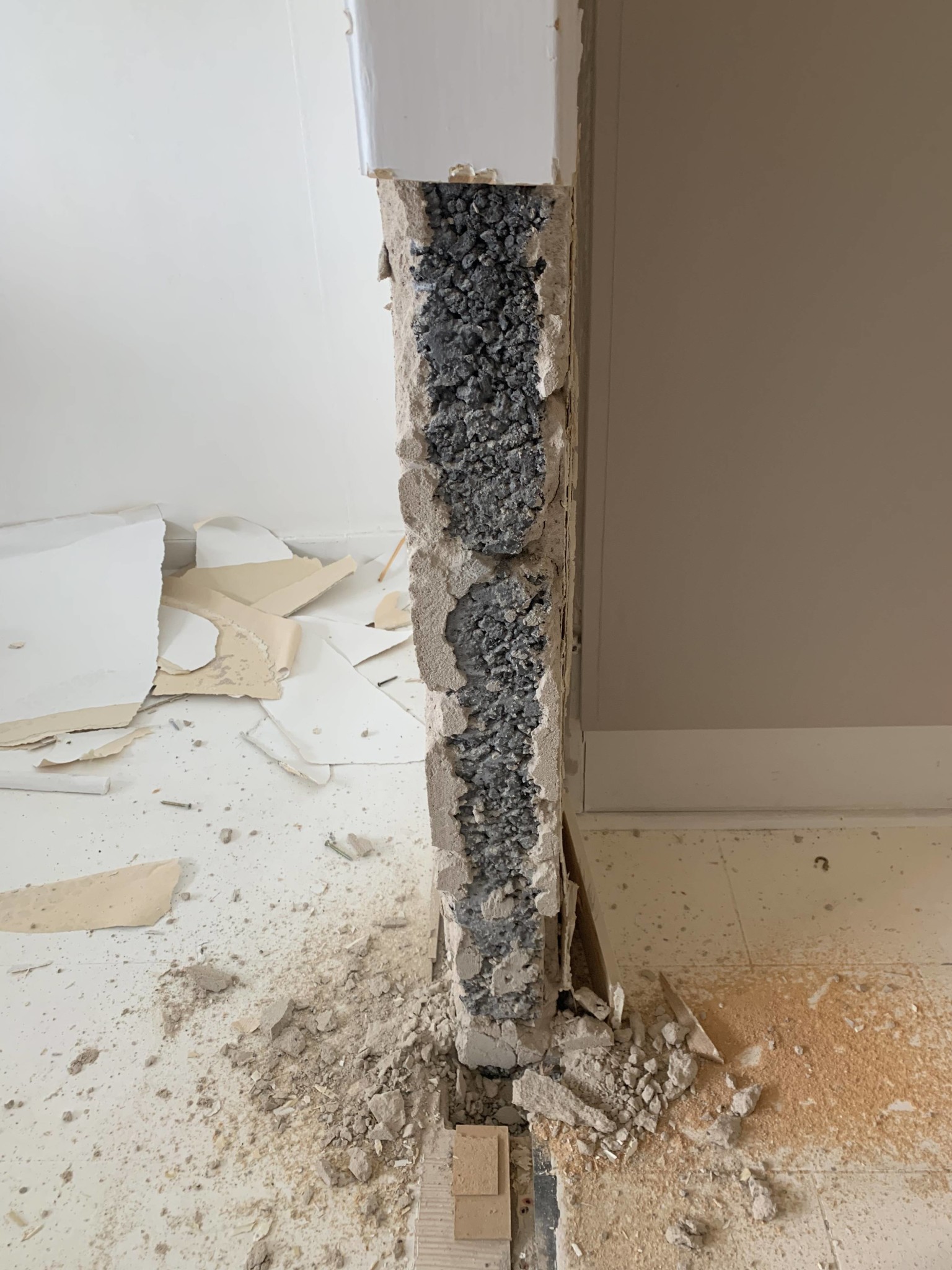
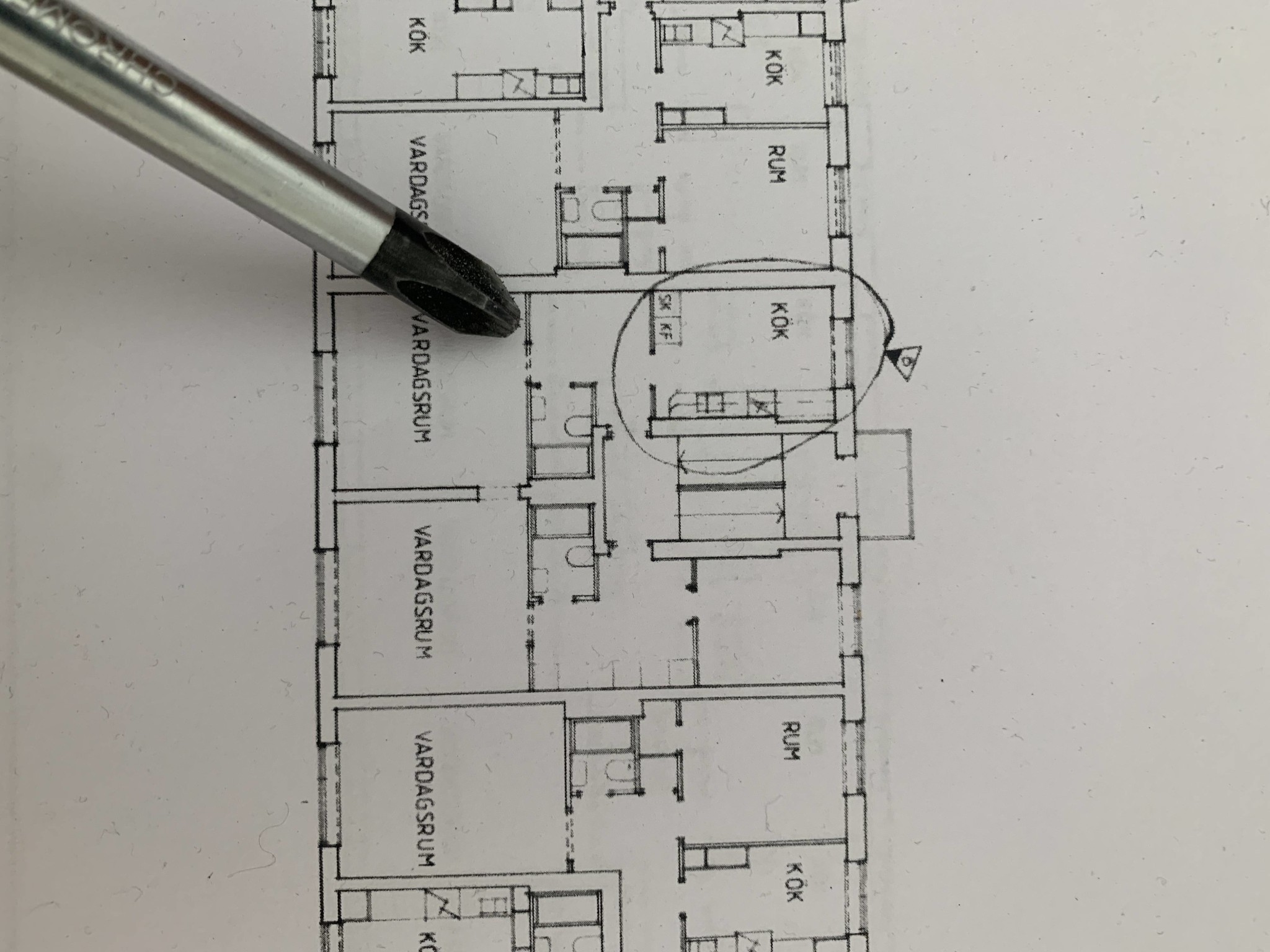
I wonder if this wall, which I want to remove, could be load-bearing?

The wall is about 8 cm thick.
 
  • Partial demolition of a wall showing exposed materials and rubble on the floor during a renovation project.
  • Floor plan with a screwdriver pointing at a wall in a residential apartment, used to discuss if it is load-bearing for renovation purposes.
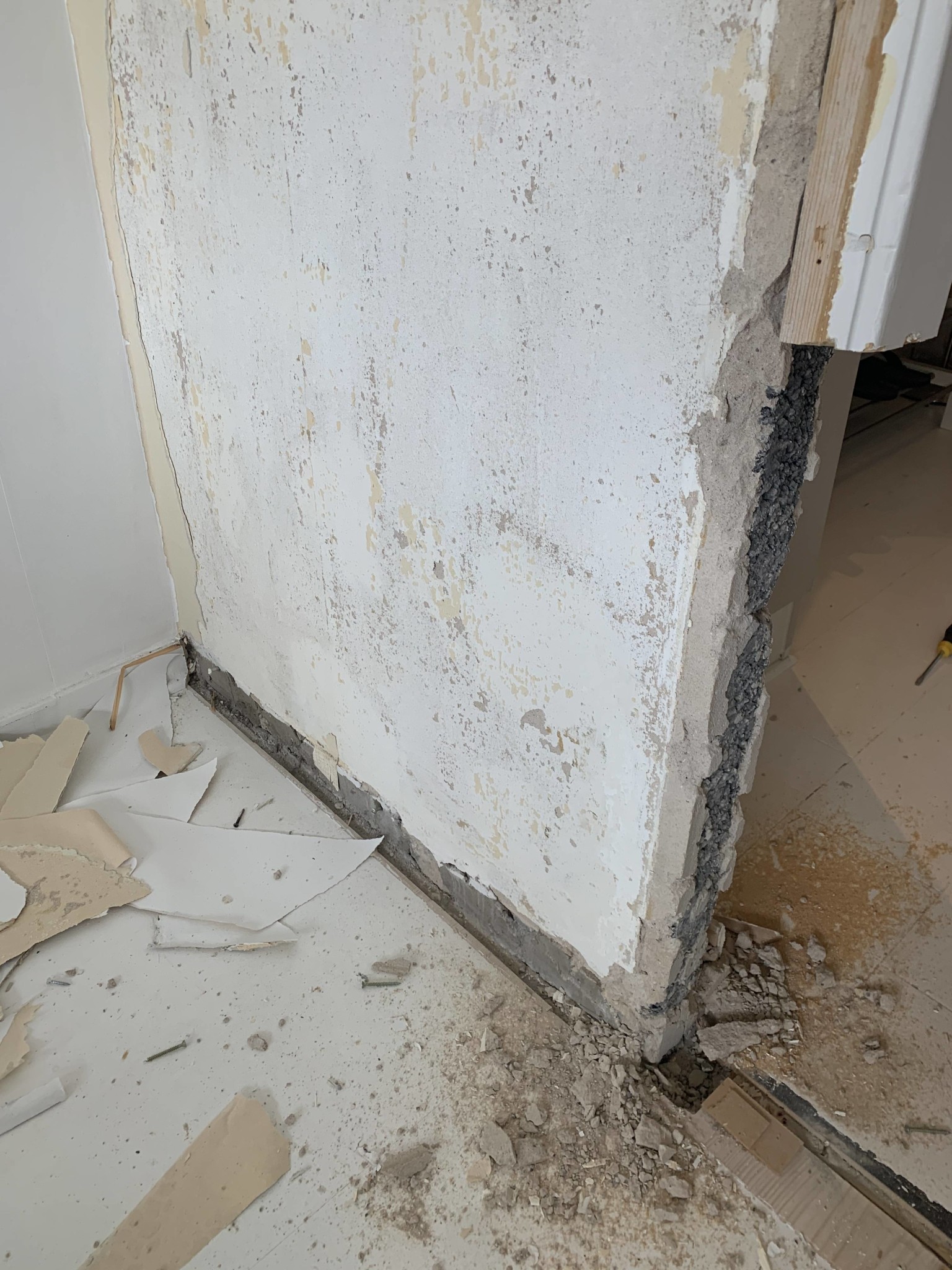
  • Interior wall partially demolished with exposed edges and debris on the floor, indicating renovation work in progress.
Hardly. When was the house built?
 
J justusandersson said:
Hardly. When was the house built?
It's an apartment from 1939. We are on the top floor except for the attic.
 
Ideally, one can see a reinforcement drawing to say something with certainty. From which year is the drawing you are showing and who made it?
 
J justusandersson said:
Ideally, one can see a reinforcement drawing to say something with certainty. From which year is the drawing you are showing and who made it?
J justusandersson said:
Ideally, one can see a reinforcement drawing to say something with certainty. From which year is the drawing you are showing and who made it?
hope this can make you wiser.

the wall blocks are 7 cm + plaster.

At first, I thought it was an aerated concrete wall.
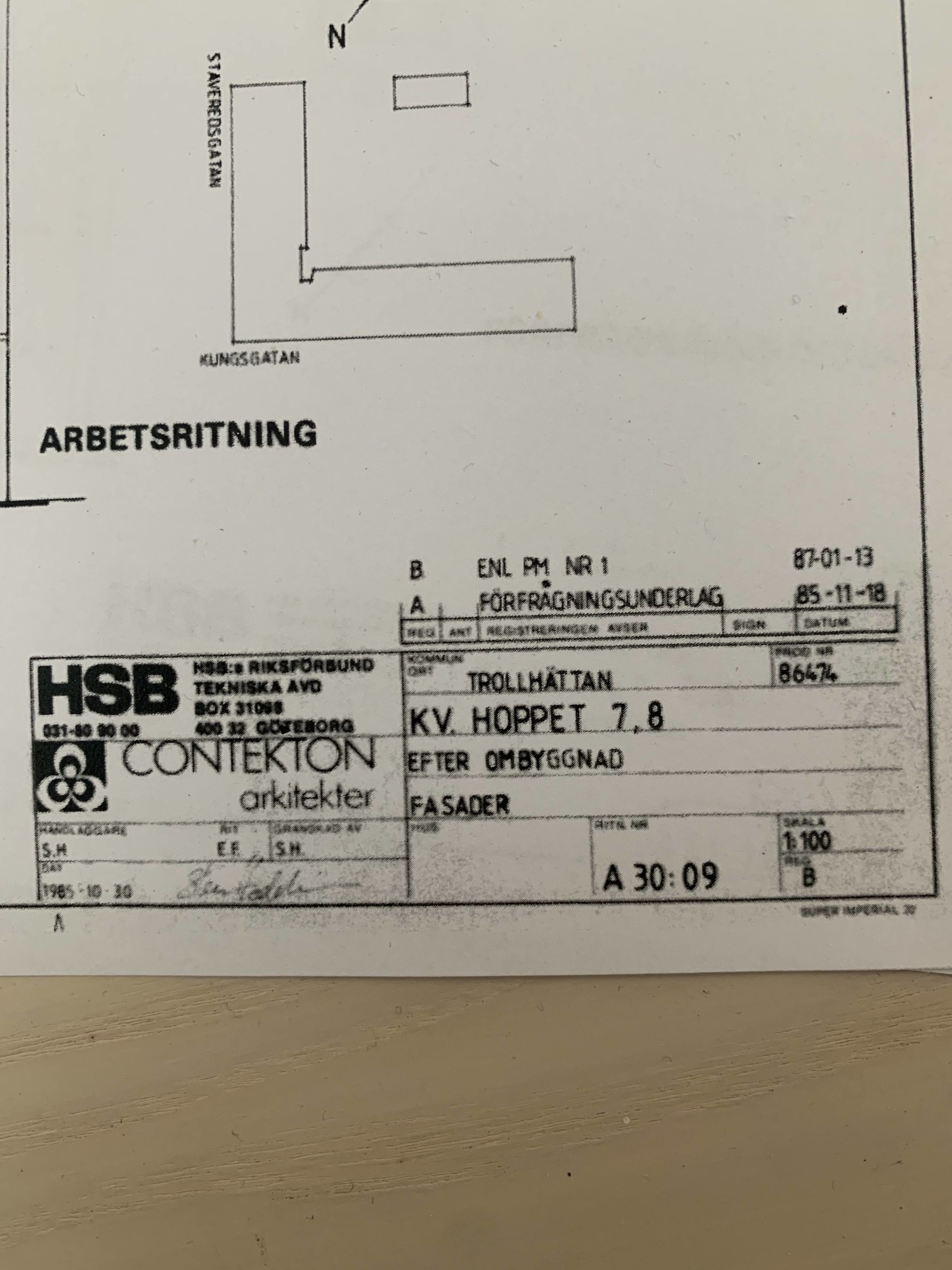
 
  • Architectural drawing with project details for renovation, including wall measurements and layout for KV. Hoppet in Trollhättan by Contekton architects.
Lightweight concrete was not so common in 1939. The drawing is a renovation plan from 1985 by Contecton's architectural office, so it must be considered reliable. I think you can take down the wall. Funnily enough, I know which house it is, as I was born and raised in Trollhättan.
 
  • Haha
claym
  • Laddar…
J justusandersson said:
Lightweight concrete was not so common in 1939. The drawing is a remodeling plan from 1985 by Contectons architectural office, so it must be considered reliable. I think you can take down the wall. Funnily enough, I know which house it is, as I was born and raised in Trollhättan.
how fun! What a small world I have moved here from Denmark and now during the vacation, we're going to do some home renovations.

I was a bit surprised when I saw it didn't look like lightweight concrete and then I became uncertain. However, the association has approved that we take it down. But still, I don’t want to damage the building.
 
It is probably some form of slag stone. You should not base your judgment on the wall's thickness to determine if it is load-bearing or not. If it had been a wooden wall, you could have said it directly, as the house has reinforced concrete floors.
 
J justusandersson said:
It is probably some form of slag stone. One should not rely on the wall's thickness when assessing whether it is load-bearing or not. If it had been a wooden wall, one could say so directly, since the house has reinforced concrete joists
I am very grateful for your input. I had planned for the wall to come down today, but I think we need to look into it a bit more. I was completely sure it would be aerated concrete under the wallpaper.

I also thought about the floor plan since the wall is very thin next to the thick concrete wall. We were actually given the "go" to make a hole in it, as long as we hired professionals. However, we have abandoned that idea due to the cost etc.
 
Click here to reply
Vi vill skicka notiser för ämnen du bevakar och händelser som berör dig.