I have not yet gained access to the newly purchased villa, but I created a thread about this a few days ago.
It just occurred to me that since door frames are part of the construction according to the previous owner, how does this affect the load-bearing capability of the walls?
Since the door frames are connected, they form a module. Frame and moldings in one. There are no casing screws or similar.
The existing frames are a few centimeters shorter than the new ones I plan to buy. So, I need to cut about 3-4cm above to fit the new frame. Since I have no idea what's around the doors or above them, I thought maybe one of you might know?
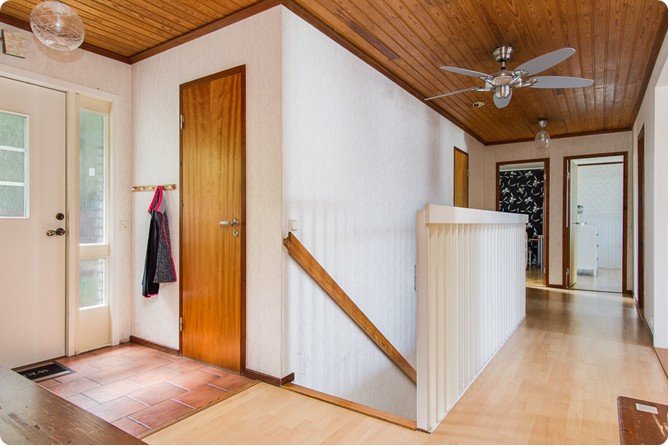
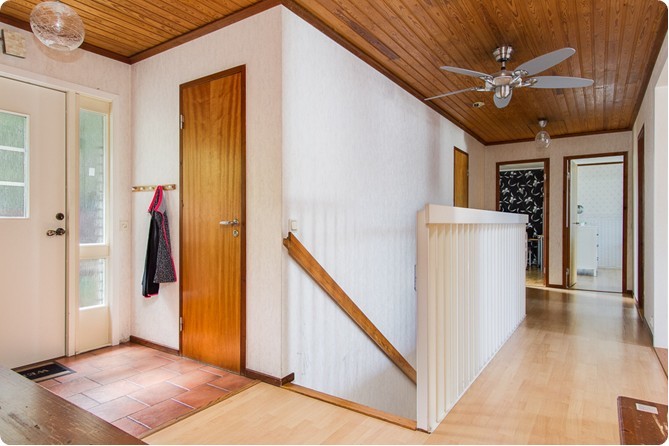
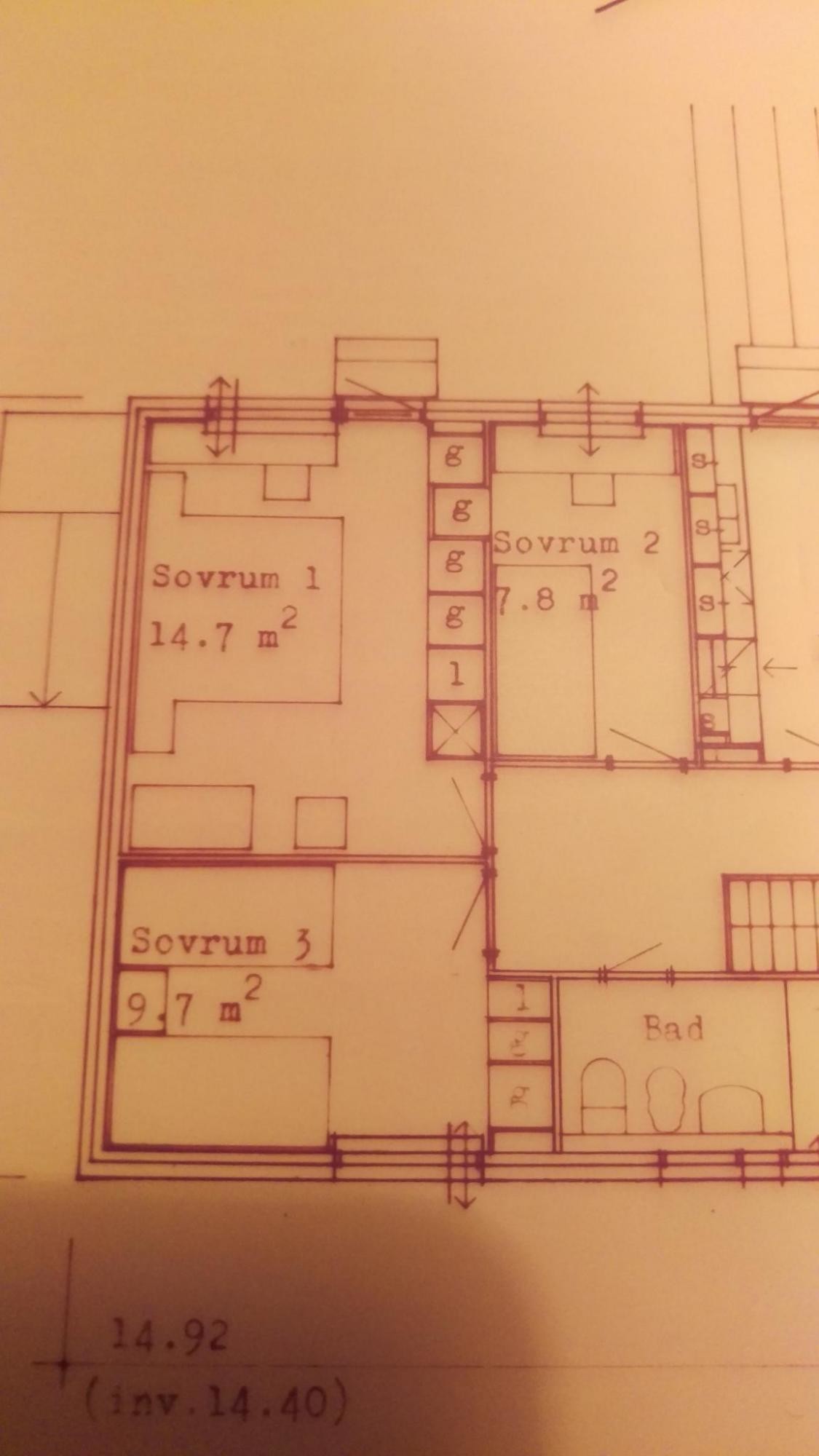
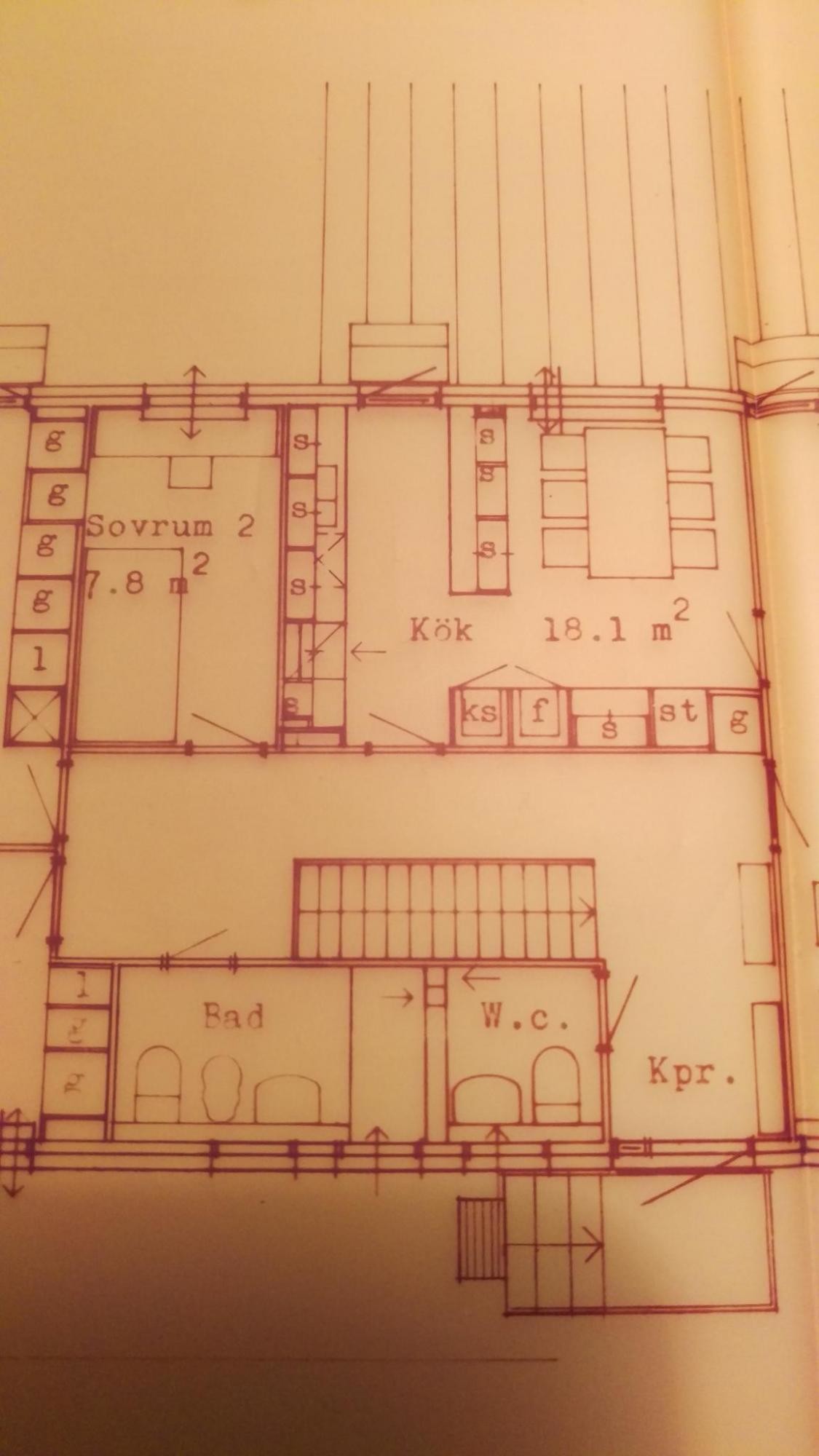
It is probably, as a member mentioned, milled grooves in the frame where tretex boards are located. But how does this affect the load-bearing capability of the walls? I'm attaching some pictures. It's mainly the two doors at the far end that I'm a bit worried about,
I have never heard that the karmar themselves would be load-bearing !?
Usually, if it is a load-bearing wall, there is a beam above that takes the load and distributes it down into the studs in the wall next to it in that case...
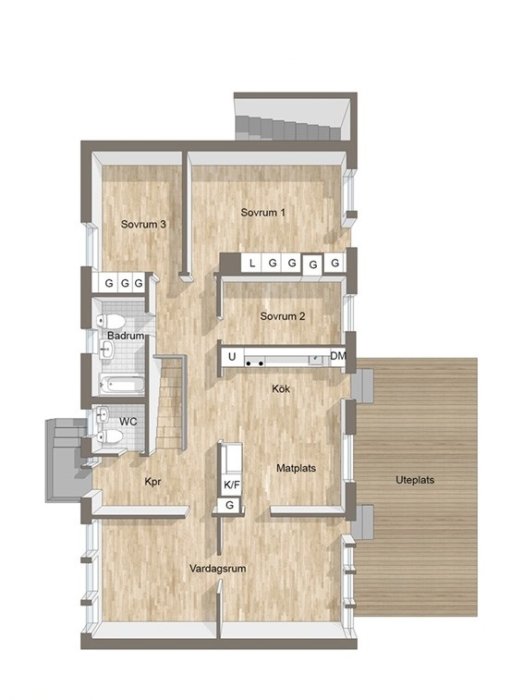
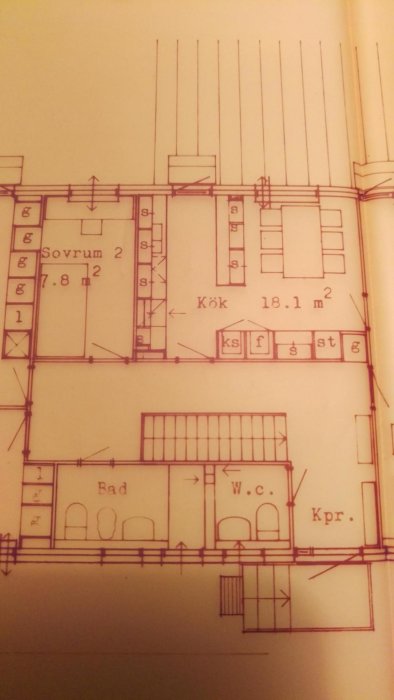
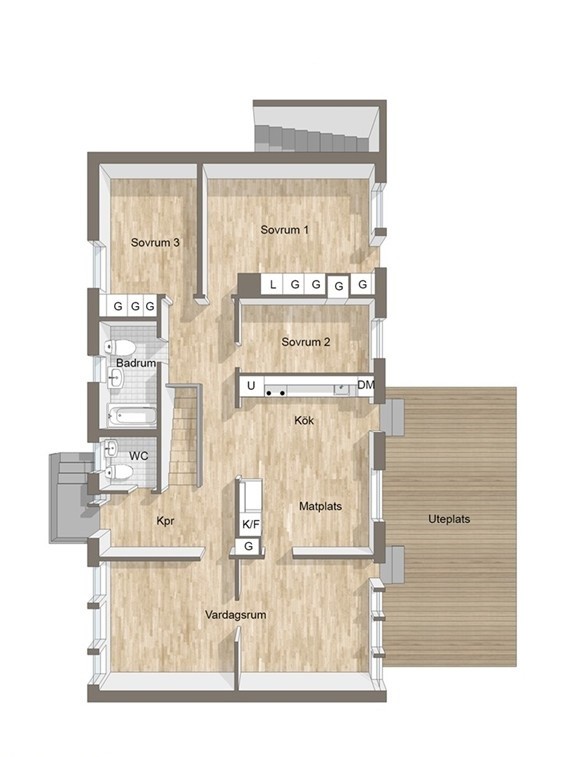
I agree with Klas. The heart wall, the vertical one that goes basically through the entire house, is likely to be load-bearing, as well as the studs above and beside the door openings in this wall (Kitchen/dining area, middle of the living room, bedroom 2), but not the actual door frames.
The frames are not load-bearing, but damage will occur around them before they are removed. Then new studs will need to be fitted around, and the new frames installed.
If the old doors and frames are of somewhat decent quality, many damages can be repaired with the same amount of work as a replacement. If the old doors are covered with kryssfaner (plywood), they are actually of better quality than today's doors.
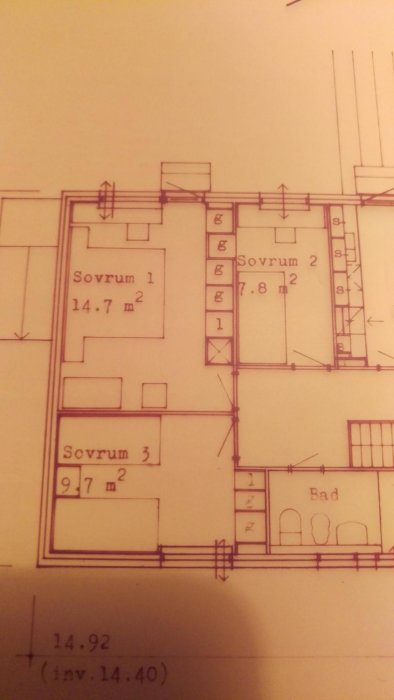
I don't think you have any load-bearing interior walls on the upper floor. The "Hjärtväggen" looks too thin for that on the drawing, and besides, someone has already knocked down the wall to the kitchen. I guess it's probably free-spanning trusses. But you can easily investigate that when you move in.
Thanks for the response! I'll take some photos of the attic and upload them so you can see how it looks.
The wall between the living rooms is not load-bearing, it's not even on the original plan. So it has been added later.
The reason I want to replace the frames is that the doors have a poor fit in the frame, they are very worn and full of marks, two of the doors have holes as large as a Coca-Cola can bottom, so it feels like a lot of work to make the doors nice. It should be quicker to remove the doors, open up a bit at the top, insert studs around, and put in a frame.
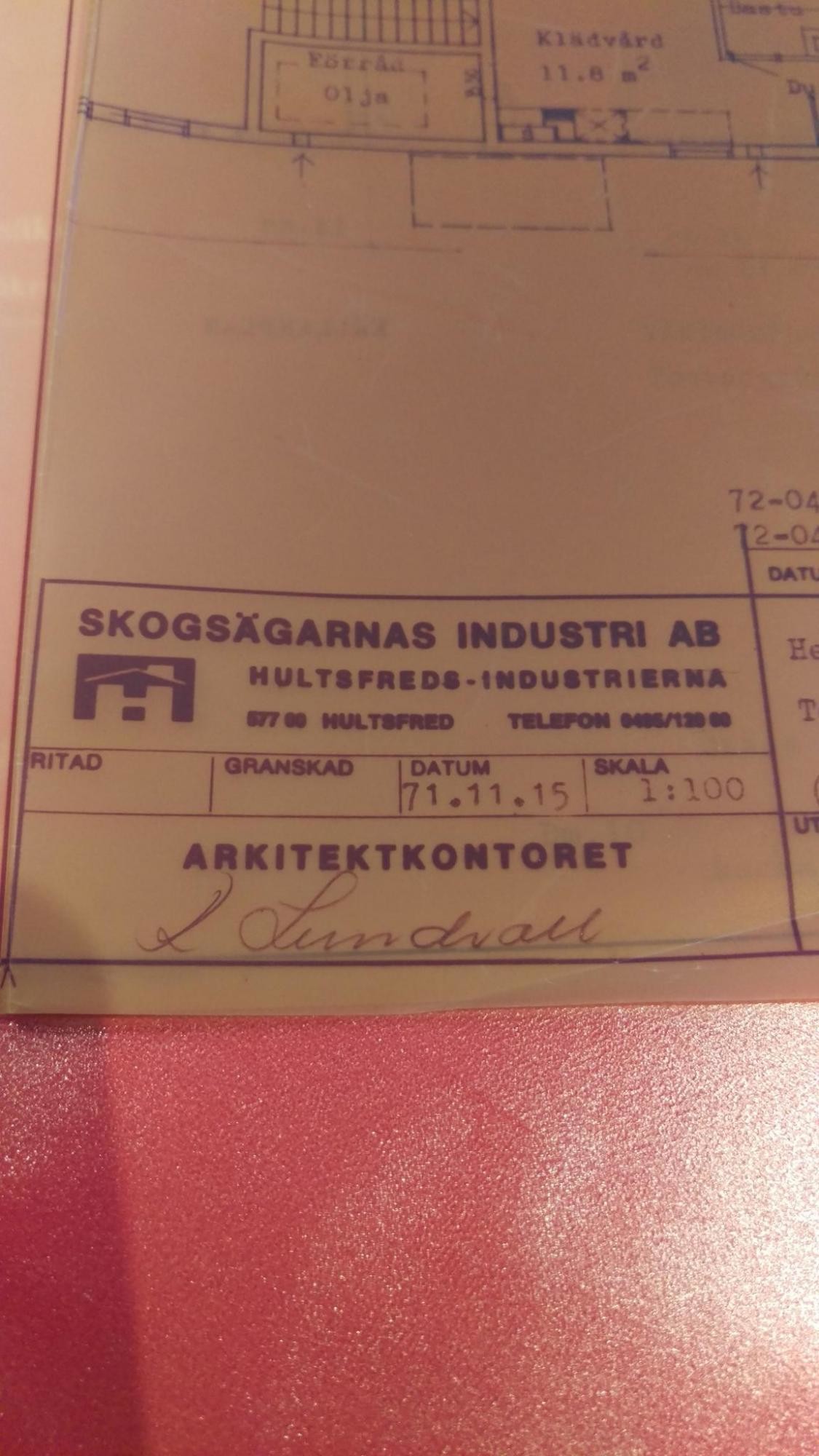
Looks like a hultfredshus.
If that's the case, the heart wall is not load-bearing since it's truss rafters.
No problem replacing frames in those walls. Insert some new timber when the frame is removed and then install the frame and casing.
Looks like a hultfredshus. If that's the case, the load-bearing wall isn't structural since it has trusses. No problem replacing frames in those walls. Put in some new wood when the frame is gone and then install the frame and trim.
Thanks for the answer! I checked the original drawings and you're right, it's a hultsfredshus. Very impressive. Thank you so much! So when a house has trusses, no walls are load-bearing? Is it free to take down what you want?