
Hi.
I see many threads on the subject, but every project is unique. I have just bought a villa and as soon as I take possession, renovations will begin.
(Sorry for the messy sketches)
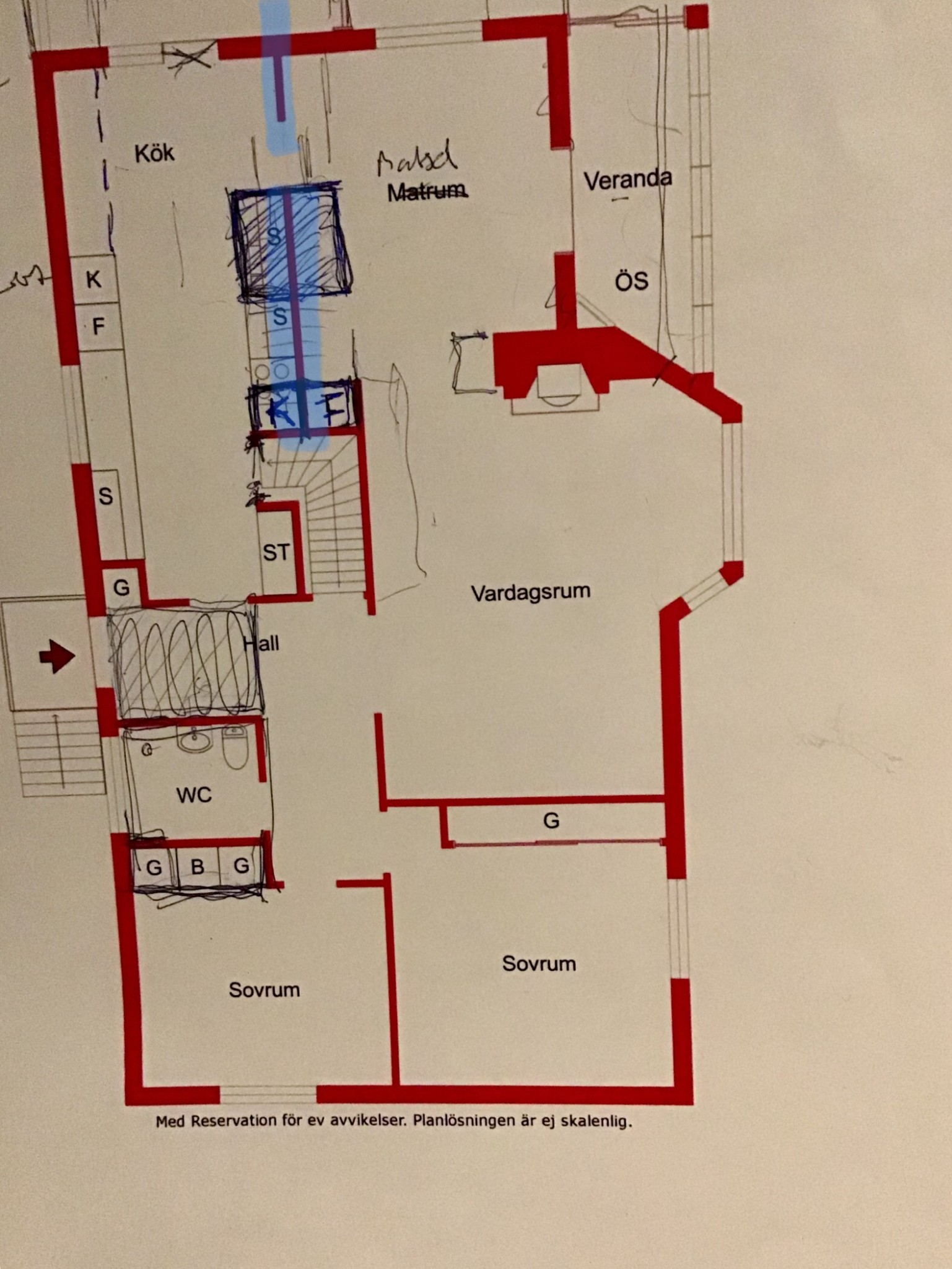
The question is what you think about tearing down the marked wall between the dining room and the kitchen. According to the blue marking.
The idea is to build a kitchen island.
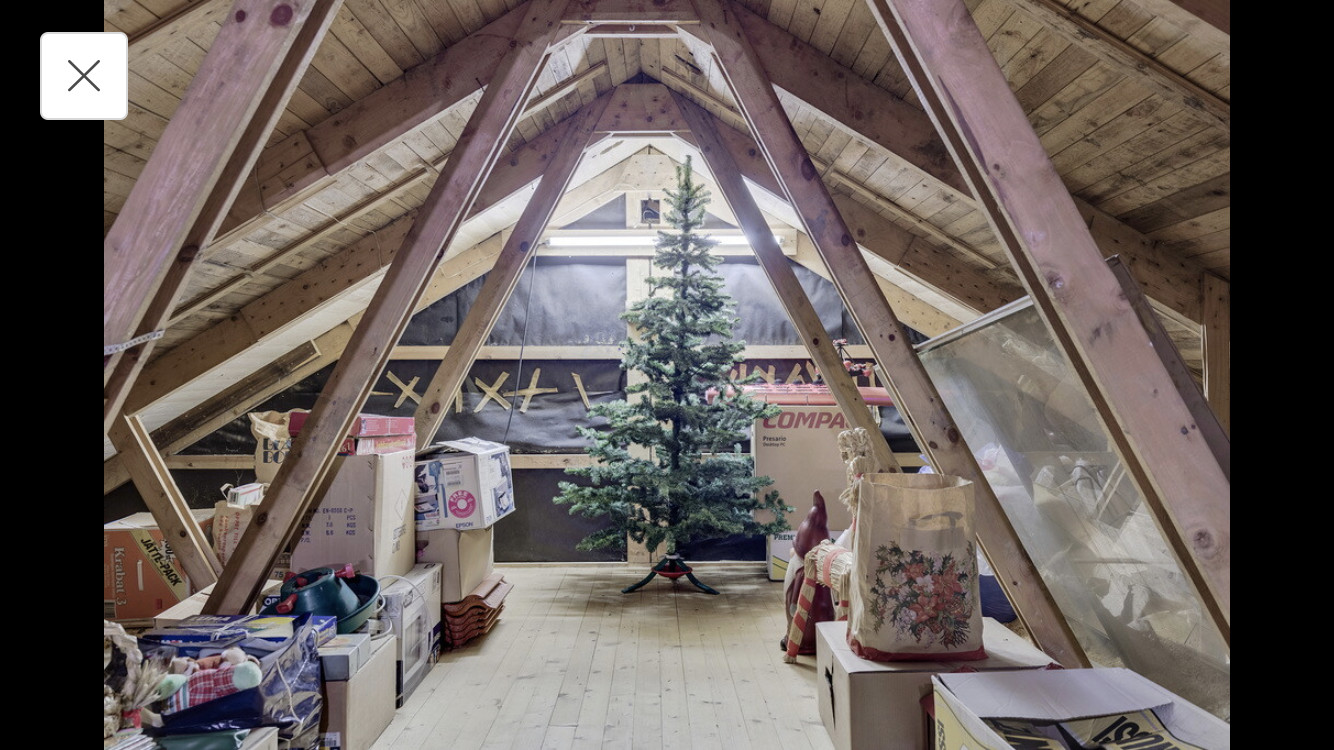
The trusses go across the blue line and the model is, according to the attached image, self-supporting?
Of course, a structural engineer should be consulted before starting major work, but it’s interesting to hear your opinions.
I see many threads on the subject, but every project is unique. I have just bought a villa and as soon as I take possession, renovations will begin.
(Sorry for the messy sketches)
The question is what you think about tearing down the marked wall between the dining room and the kitchen. According to the blue marking.
The idea is to build a kitchen island.
The trusses go across the blue line and the model is, according to the attached image, self-supporting?
Of course, a structural engineer should be consulted before starting major work, but it’s interesting to hear your opinions.

Hello and welcome to the Byggahus forum!
Truss rafters of that type are normally free-standing between the outer walls, so it should be possible to demolish the wall in question. I would like to know a few things.
1) Where in the country is the house located?
2) When was it built?
3) Are the rafters parallel to the blue line or perpendicular to it?
It can be dangerous to base decisions on real estate agent drawings, which are unreliable regarding scale and wall thicknesses, etc.
Truss rafters of that type are normally free-standing between the outer walls, so it should be possible to demolish the wall in question. I would like to know a few things.
1) Where in the country is the house located?
2) When was it built?
3) Are the rafters parallel to the blue line or perpendicular to it?
It can be dangerous to base decisions on real estate agent drawings, which are unreliable regarding scale and wall thicknesses, etc.
Hello! Thank you very much.J justusandersson said:Hello and welcome to the Byggahus forum!
Truss roofs of that type are normally self-supporting between the exterior walls, so it should be possible to demolish the current wall. I would like to know a few things.
1) Where in the country is the house located?
2) When was it built?
3) Are the trusses parallel to the blue line or perpendicular to it?
It can be dangerous to base decisions on real estate agent drawings, as they are unreliable regarding scale and wall thicknesses, etc.
1) West Coast
2) 1962
3) The trusses are not parallel but perpendicular/across the blue line.
Absolutely! I will get all the construction documents when we gain access to the house, and it will of course be examined more thoroughly before any work begins. But it's fun to hear what others think and consider.
/ Martin
As I wrote in the previous post, it should be possible to remove the wall. It probably wasn't intended to be load-bearing from the beginning. If this still applies, you should wait to assess until you have taken possession. In addition to drawings, you can also go up to the attic and measure the dimensions. In the picture, the dimensions appear quite substantial, but it could be an optical illusion. In 1962, they calculated with significantly lower snow loads than they do today.
Thanks for the input! Yep, I'll do that. The dimensions of the roof trusses are actually substantial, I was surprised when I was up in the attic.J justusandersson said:As I wrote in the previous post, it should be possible to remove the wall. It certainly wasn't intended to be load-bearing from the beginning. If that still applies, you should wait to assess it until you have access. Besides drawings, you can also go up to the attic and measure the dimensions then. In the picture, the dimensions seem quite substantial, but it could be an optical illusion. In 1962, they accounted for significantly lower snow loads than they do today.
Click here to reply