
1,540 views ·
5 replies
2k views
5 replies
Load-bearing or not? Can anyone comment?
Hi. I live in a house from the 1940s that we're renovating one part at a time. The house is built with standing tongue-and-groove planks and is a 1.5-story with a basement.
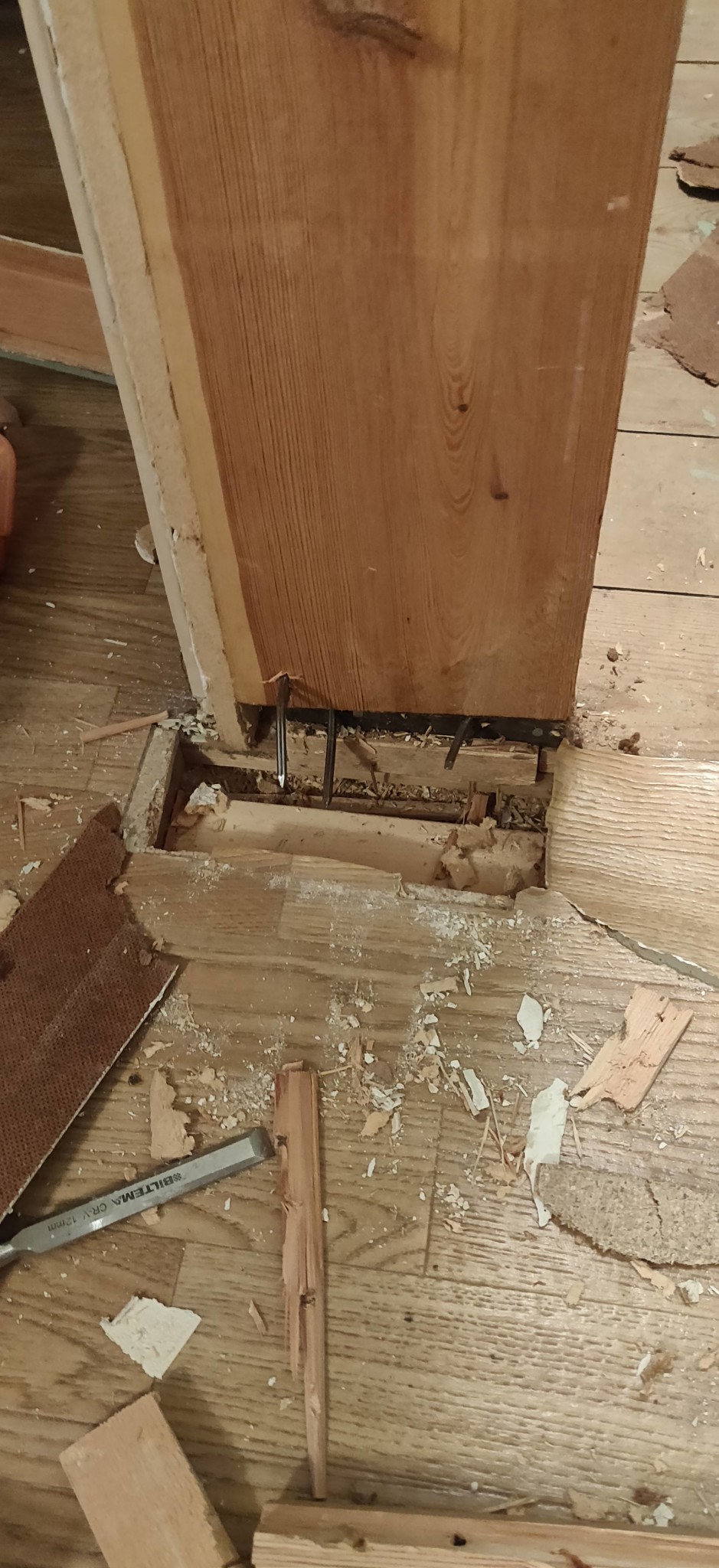
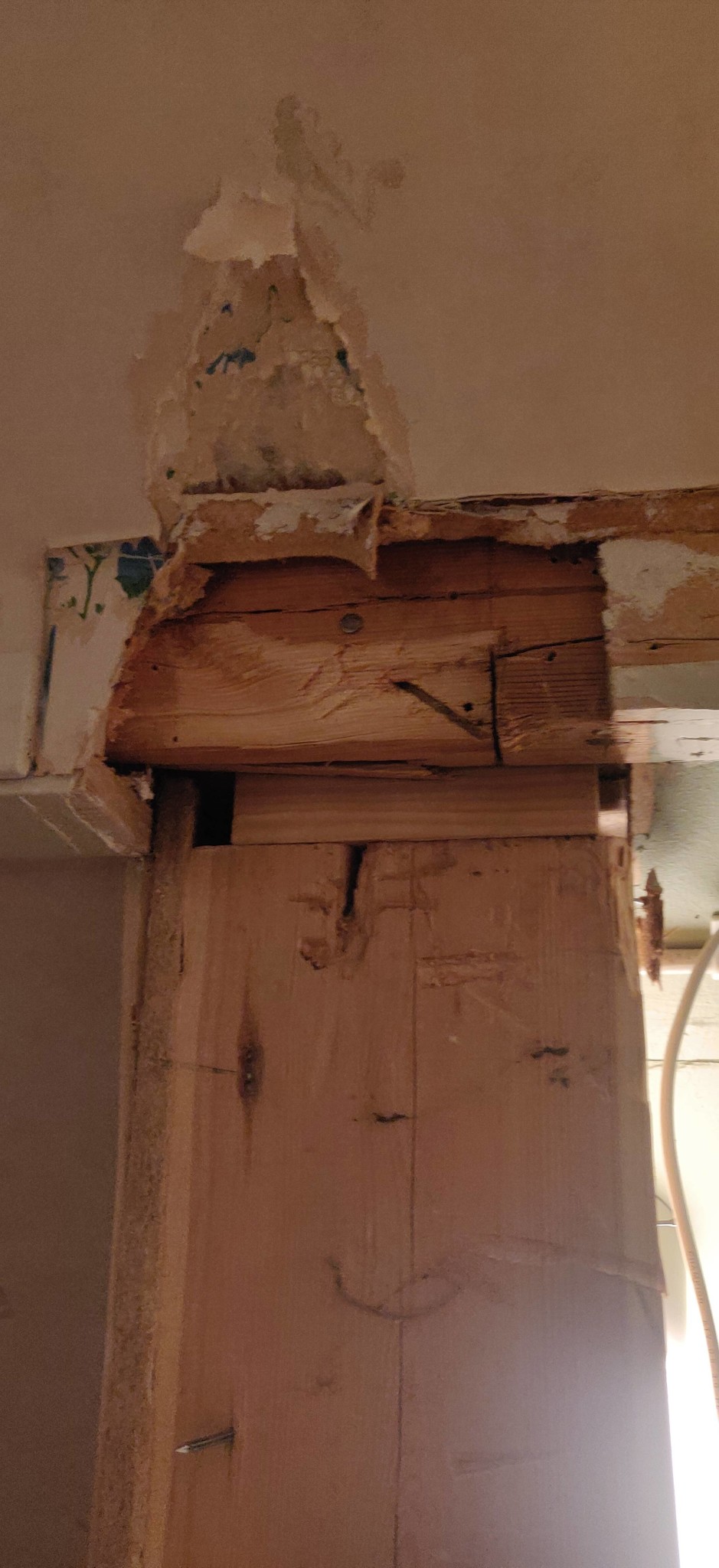
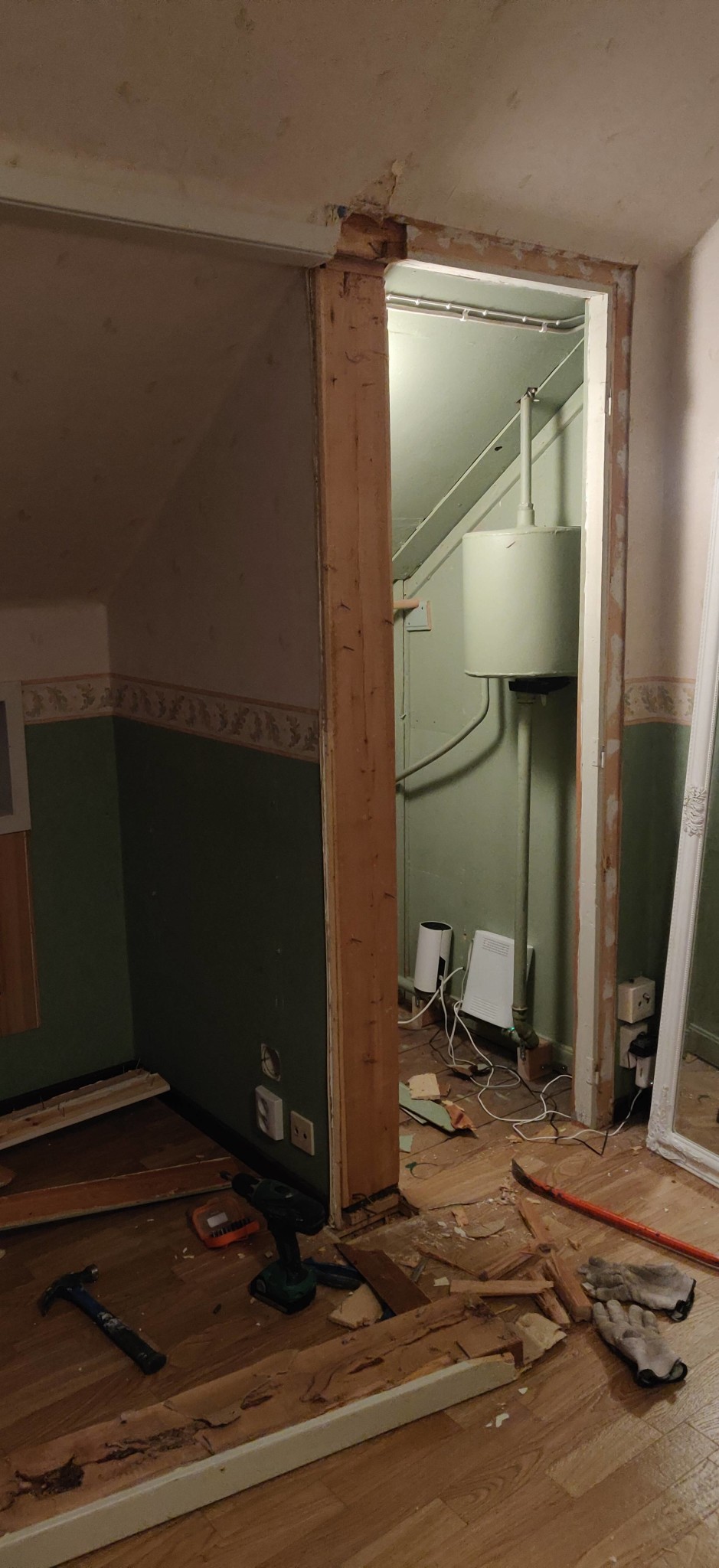
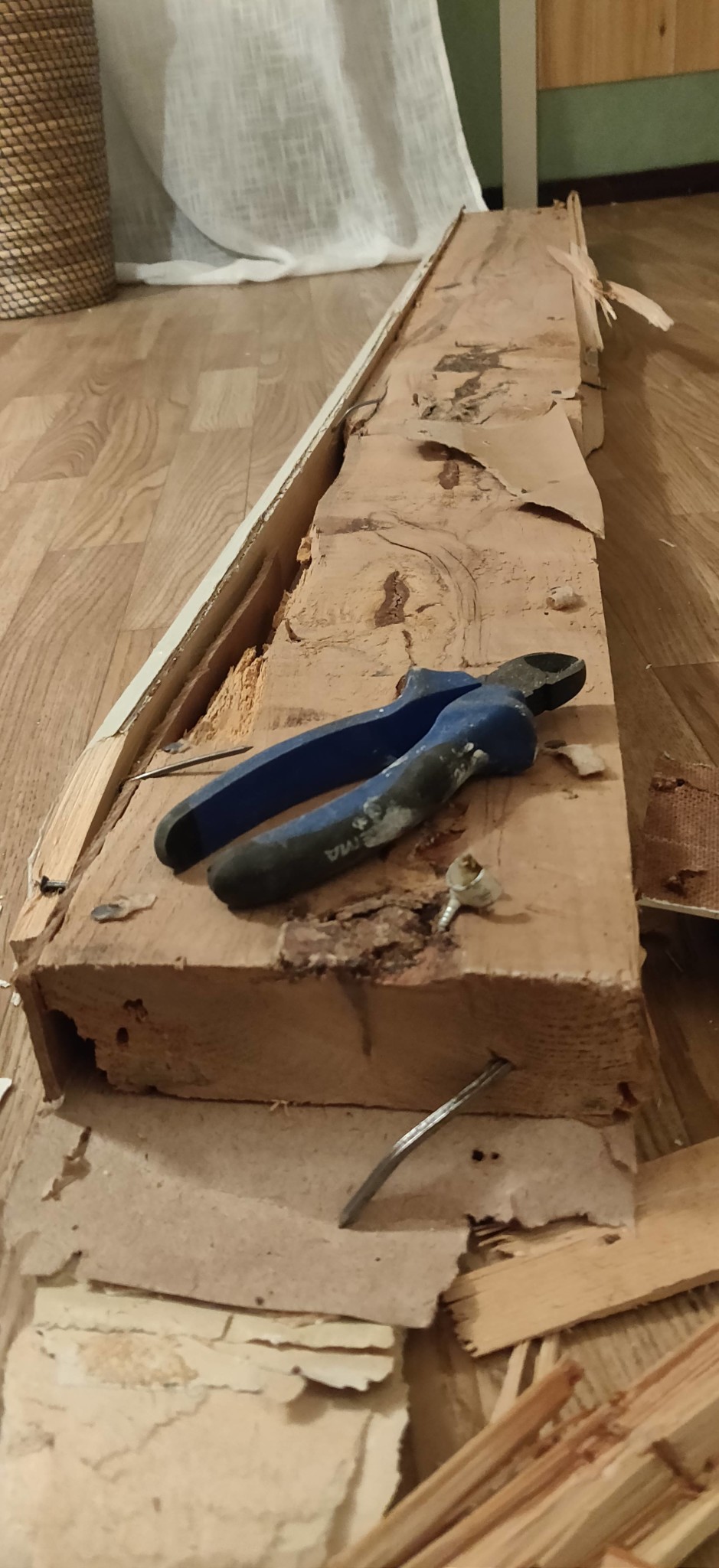
I am redoing the bedroom and tearing down an old closet/storage, but became a bit puzzled when I found a very thick plank in the closet wall. (see pictures) Could it be some form of support post for the roof trusses? The plank rested on a joist under the floor where a hole has been made through the old plank floor (see picture). However, the thick plank is about 5-10 cm too short, so at the bottom and top, there were wooden wedges and shims which suggest it might not have any load-bearing function (otherwise, it would have been cut to the proper length from the start!?)
Note, there is no "corresponding" one on the other side of the room.
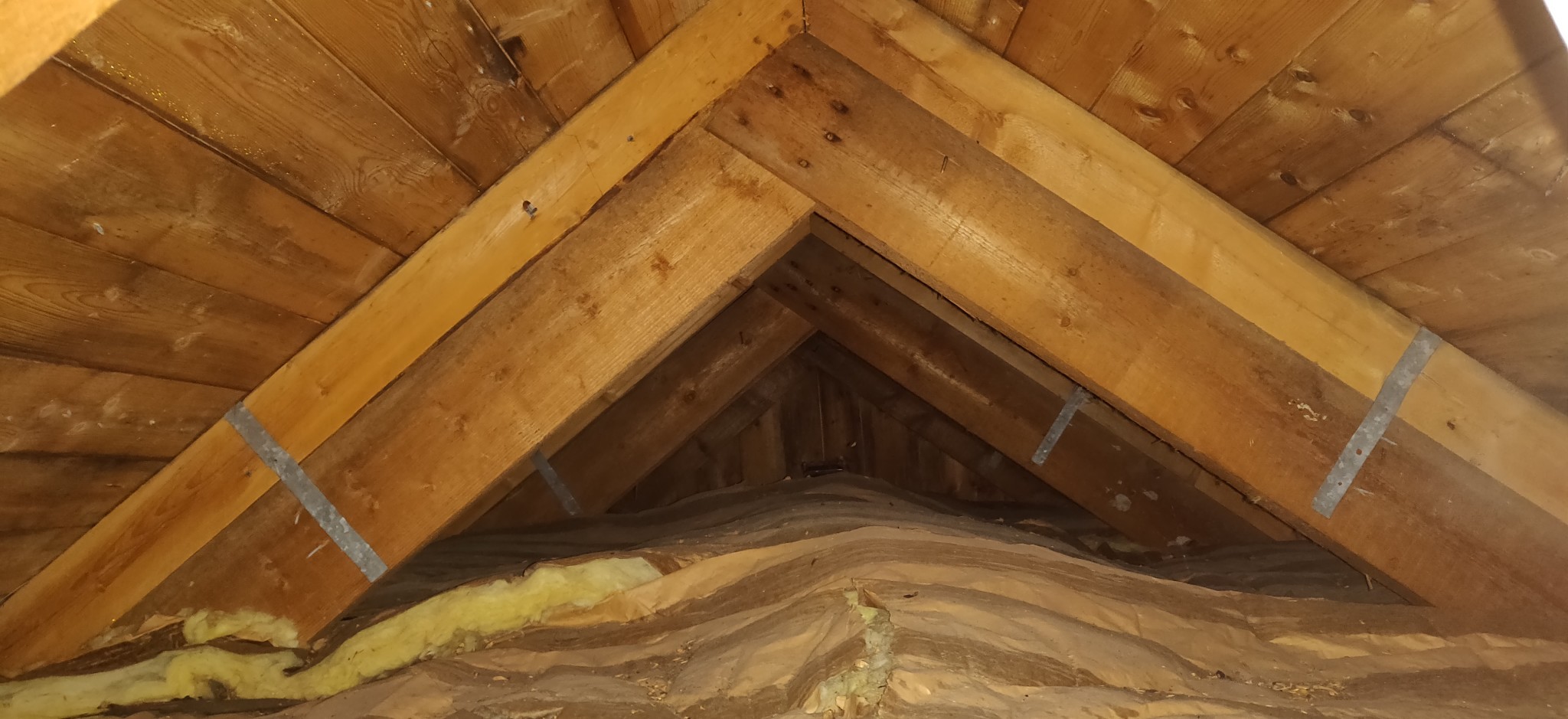
To me, as a happy amateur, it looks like the roof trusses have been reinforced with sturdy lumber (see picture), perhaps in connection with moving the walls on the upper floor.
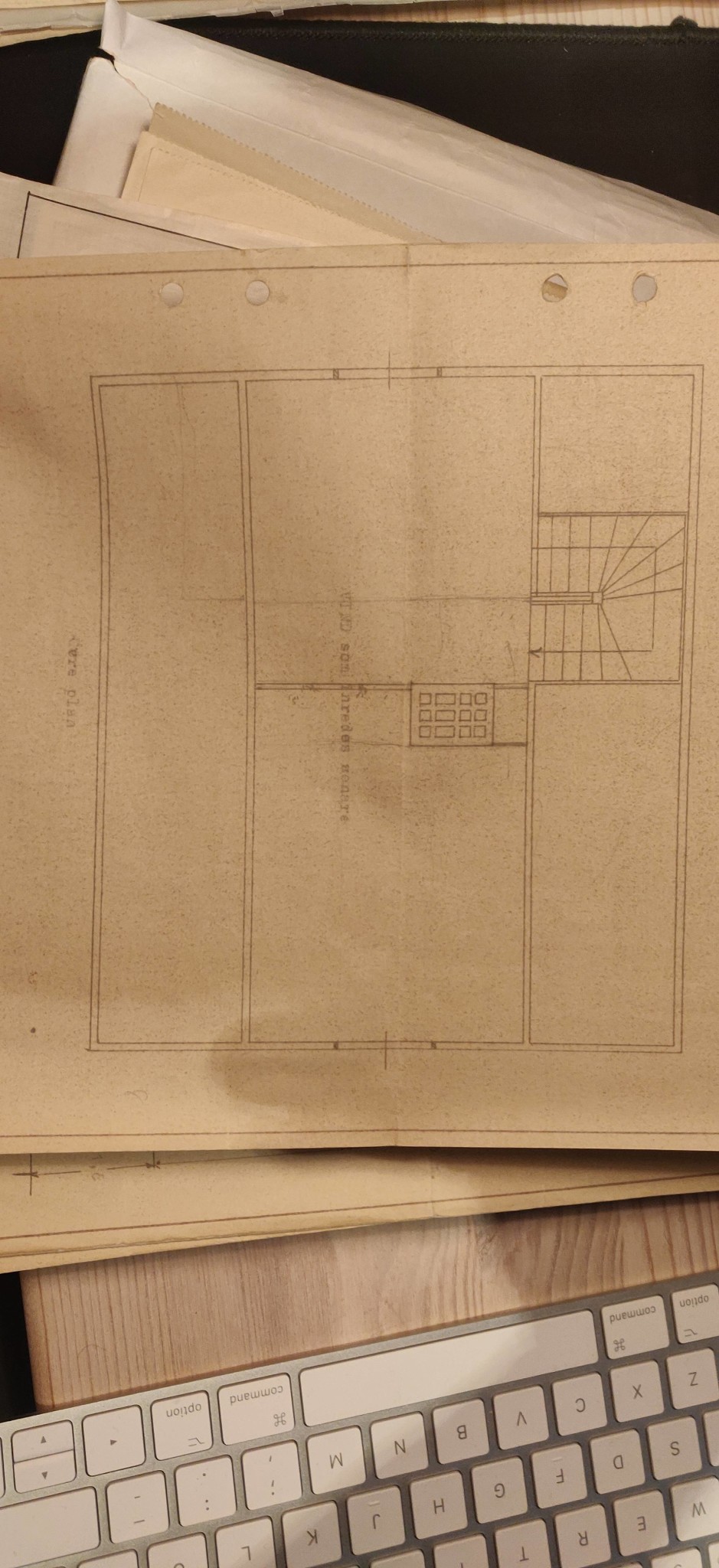
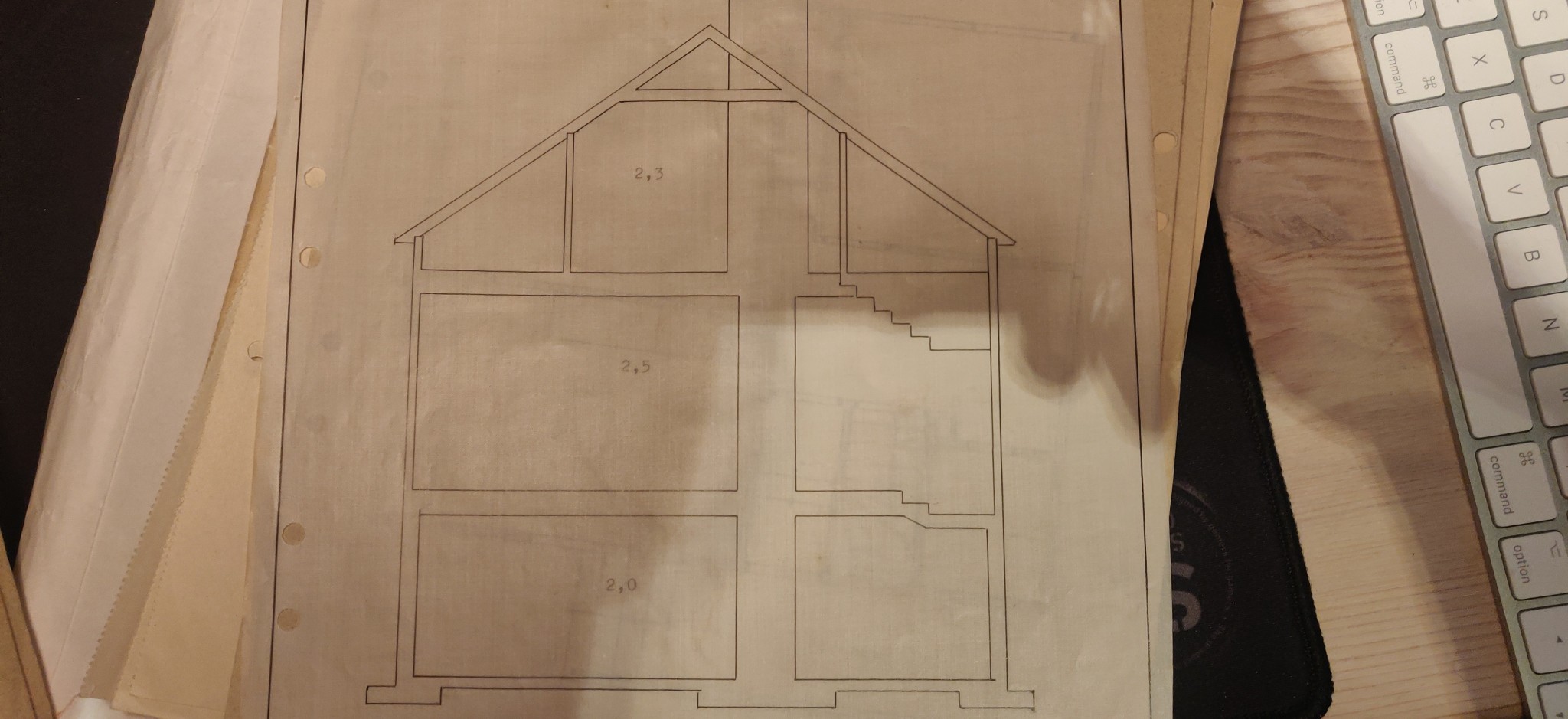
There aren't many drawings, but I'll upload pictures of the ones that exist. It looks like there used to be walls on the upper floor with large eaves storage (today we have small eaves storage).
Anyone daring to comment on this?
Best regards, Träguden
I am redoing the bedroom and tearing down an old closet/storage, but became a bit puzzled when I found a very thick plank in the closet wall. (see pictures) Could it be some form of support post for the roof trusses? The plank rested on a joist under the floor where a hole has been made through the old plank floor (see picture). However, the thick plank is about 5-10 cm too short, so at the bottom and top, there were wooden wedges and shims which suggest it might not have any load-bearing function (otherwise, it would have been cut to the proper length from the start!?)
Note, there is no "corresponding" one on the other side of the room.
To me, as a happy amateur, it looks like the roof trusses have been reinforced with sturdy lumber (see picture), perhaps in connection with moving the walls on the upper floor.
There aren't many drawings, but I'll upload pictures of the ones that exist. It looks like there used to be walls on the upper floor with large eaves storage (today we have small eaves storage).
Anyone daring to comment on this?
Best regards, Träguden
Last edited:

The rough plank exists because the rafters and floor joists are at different intervals. You cannot remove any support legs. Theoretically, you could move the plank up so that it supports the rafters and move the support legs sideways so that they instead land on the floor joists. There are other solutions as well, but most of what you can do will be quite extensive. The simplest is to accept the situation.
J justusandersson said:The rough plank is there because the rafters and floor joists have different internal distances. You cannot remove any support legs. Theoretically, you could move the plank up so that it supports the rafters and move the support legs sideways so that they instead land on the floor joists. There are other solutions too, but most of what you can do will be quite extensive. The easiest is to accept the situation.
It looks like the beam above has been spliced. This makes it extremely inadvisable to remove the support leg. However, it's hard to see in the pictures.T Träguden said:
No, it is not spliced, but a groove has been cut a few centimeters from below.
I'm placing a pillar by the wall to the right (moving the "support leg" about a meter to the right), that should be fine.
Moderator can feel free to remove the thread.
I'm placing a pillar by the wall to the right (moving the "support leg" about a meter to the right), that should be fine.
Moderator can feel free to remove the thread.
Click here to reply