A risk assessment should be conducted before construction begins to identify e.g. asbestos.
Seek help from your safety representative who can demand action from the employer.
As long as you don't drill or saw into them, there's no danger.
Thank you for your answers. I, who am not at all in the construction industry - is it common practice to conduct such risk assessments?
If "kalles bygg" comes here and is going to renovate on behalf of our property owner - does kalles bygg then assess what might contain asbestos in this property and consequently what should be handled with care/remediated?
From what I've read over the past day, I've understood that the seriousness around asbestos seems to be something that has been lost with the generation that worked with it when the scandal was revealed in the 70s/80s. I've gotten the feeling that younger carpenters and companies are not as knowledgeable about this now that all the 60s houses are being renovated.
Well, you're probably on the wrong track. Of course, it should be investigated if there is asbestos in professional renovations, but it's not like they go over everything with a fine-tooth comb and decontaminate EVERYTHING that might contain asbestos. Then you would also have to filter normal indoor air because there's asbestos there too if you measure carefully. Unfortunately, asbestos has become more dangerous than nuclear waste if you're a layman and just read about it, but the risks are a bit unbalanced or how should one say.
Well, you're probably on the wrong track. Of course, it should be investigated whether there is asbestos in professional renovations, but it's not like they go around with a magnifying glass and sanitize EVERYTHING that might have asbestos in it. Then you'd also have to filter regular indoor air because there is asbestos there too if you measure carefully. Unfortunately, asbestos has become more dangerous than nuclear waste if you're a layman and only read about it, but the risks are a bit unbalanced, or how should I put it.
Yes, you are absolutely right. Asbestos has kind of gotten a bit of hysteria around it. But I'm nuanced, so it's fine. The difference from other hysterias (amalgam, microwave ovens, and whatever people are worried about now) is probably that asbestos is questionably dangerous. Then I understand that there's a difference for those who worked with it for years.
I just found it a bit concerning that it seems to be a bit neglected in the construction industry.
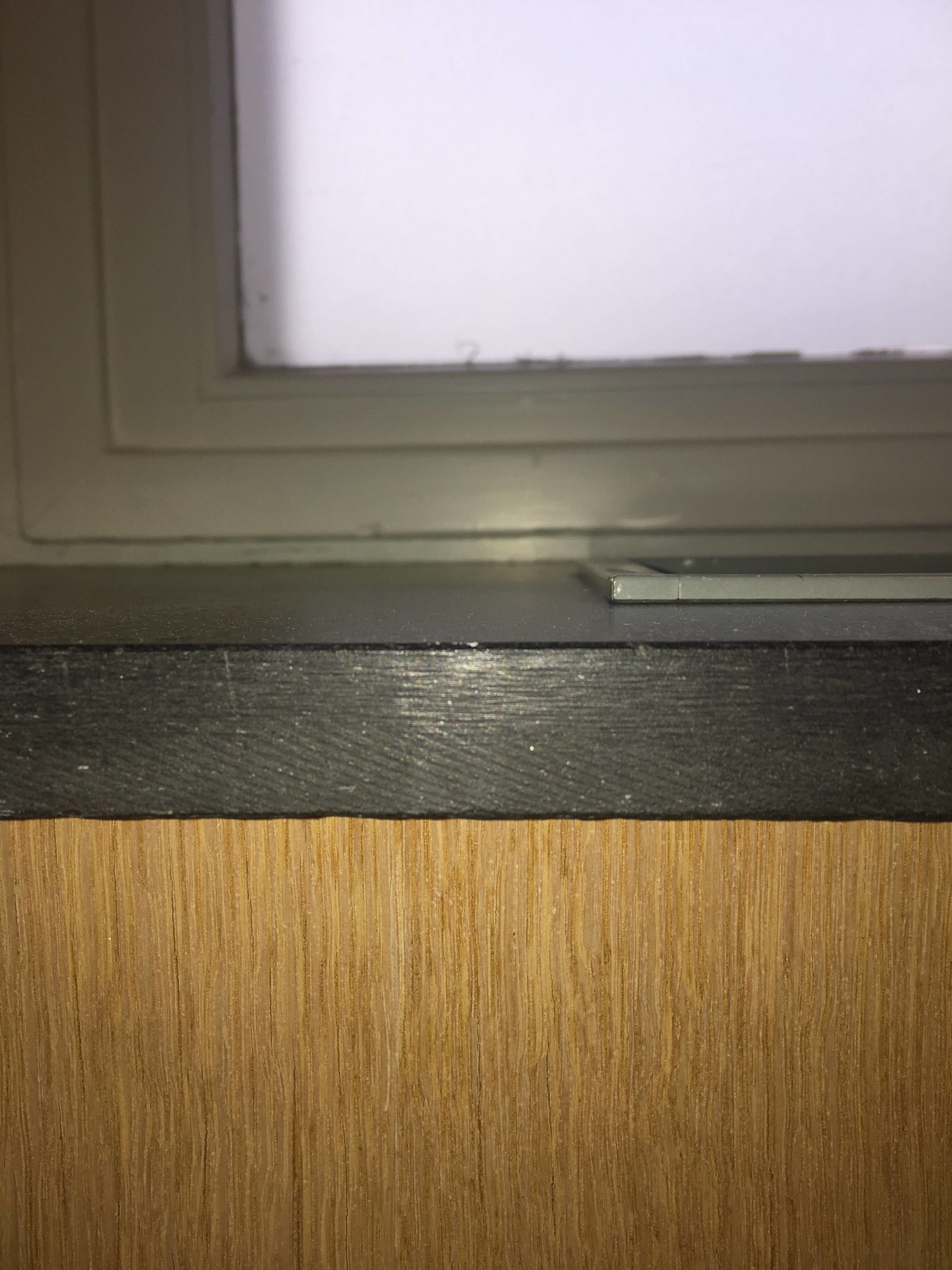
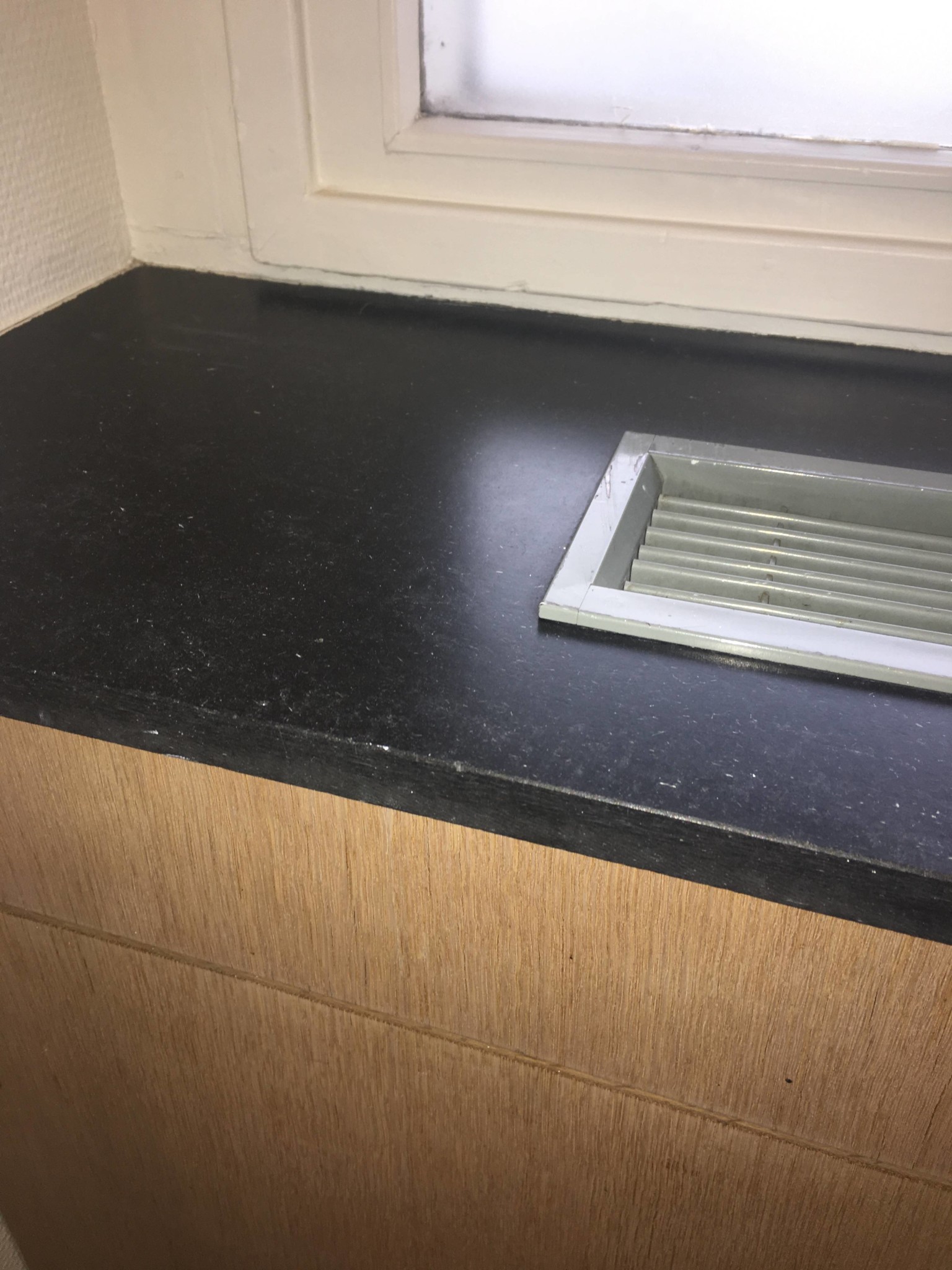
They are completely harmless. The only issue you might encounter is if someone decides to sand the surface of the windowsill during renovations (for painting or similar), or breaks it with a sledgehammer to remove it.
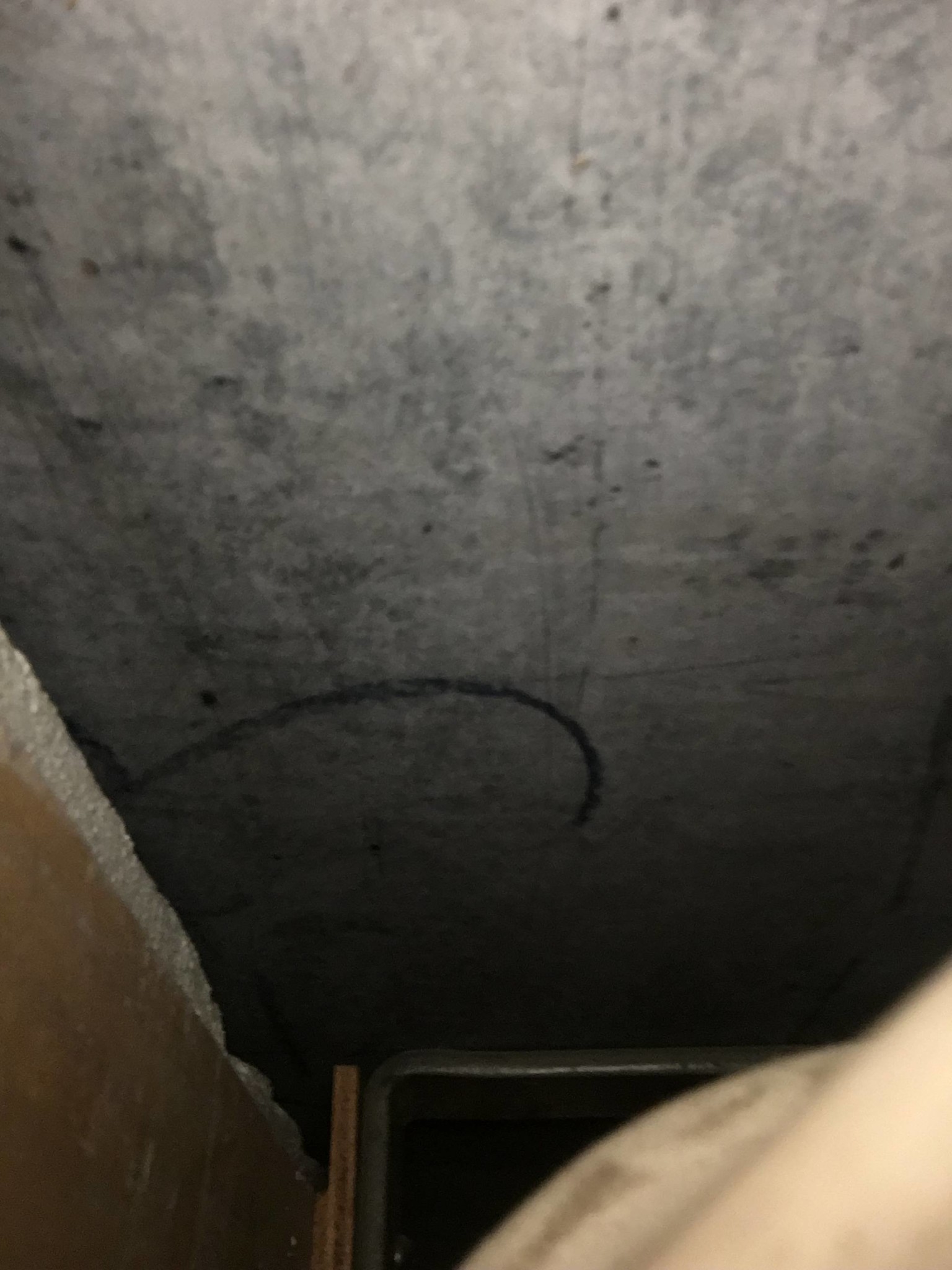
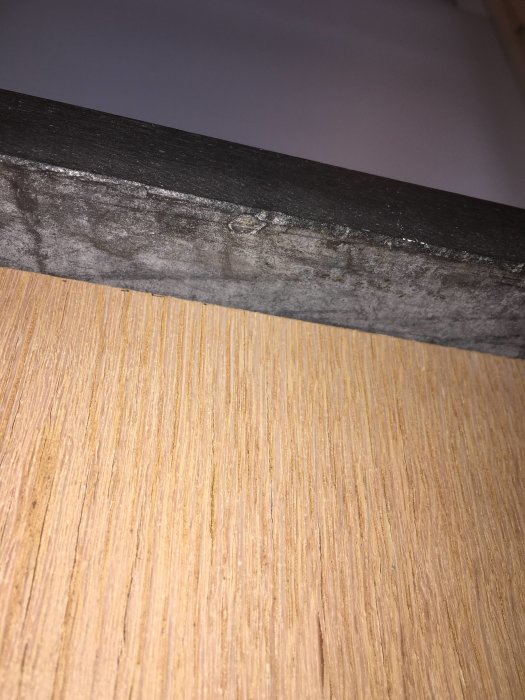
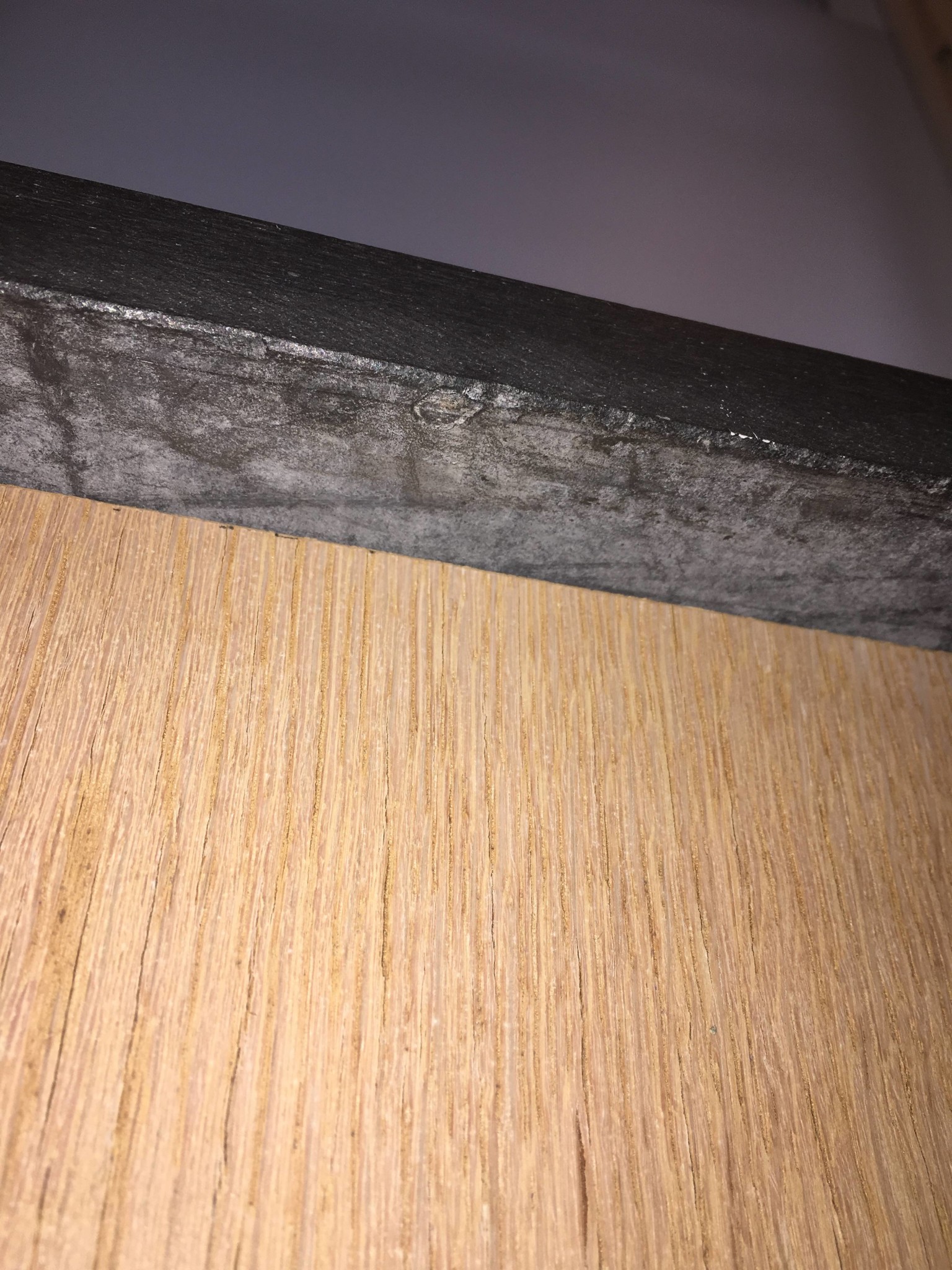
All window sills made of asbest have a pattern on the underside from the manufacturing press tool.
Compare with the picture in the thread you linked to.
It's a bit difficult to judge entirely from the pictures.
But I would almost 100% dare to say that is a stone slab.
All window sills in asbestos have a pattern on the underside from the manufacturer's pressing tool.
Compare with the image in the thread you linked to.
A bit difficult to judge entirely from the photos.
But I dare to say almost 100% that it is a stone slab.
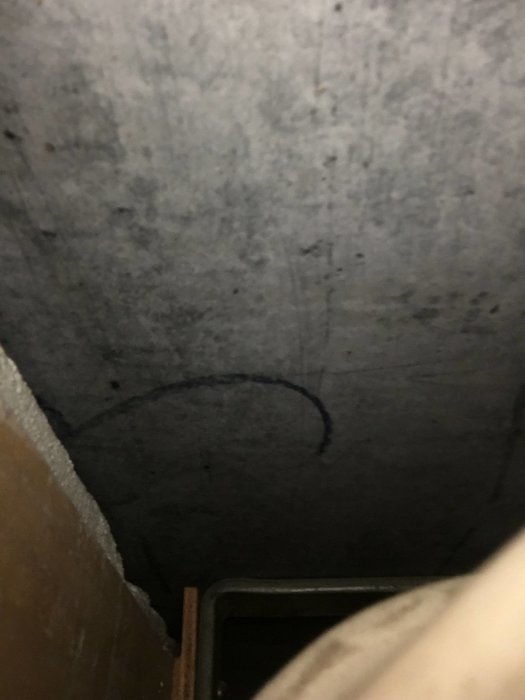
Take a better picture of the underside.
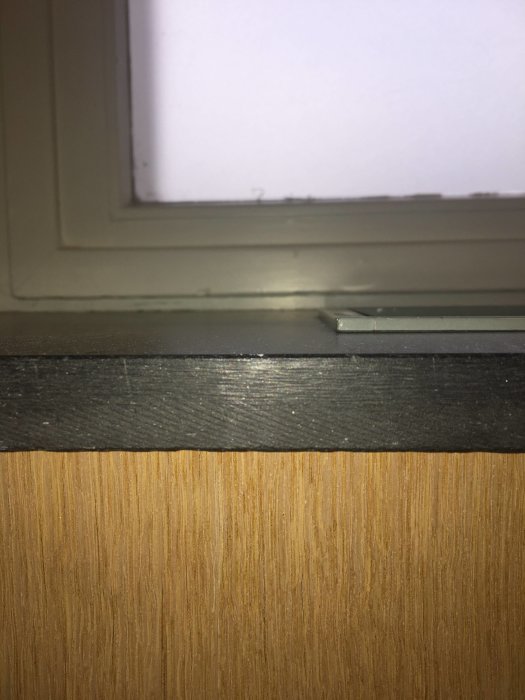
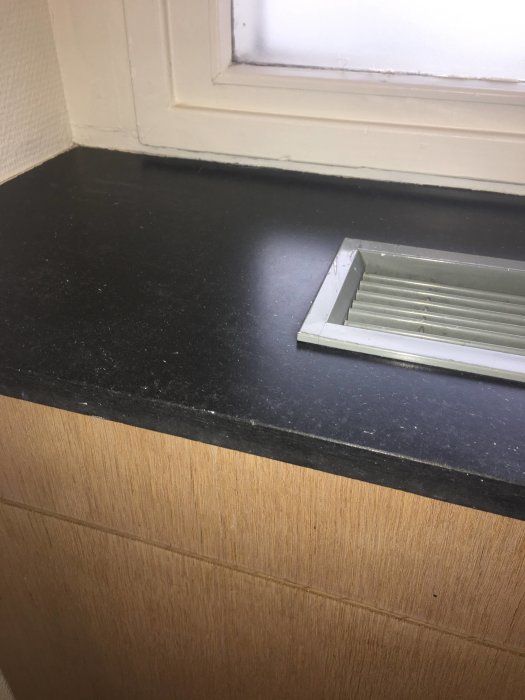
Hmm, but it doesn’t feel as hard and cold as stone. It sounds and feels almost like some hard wood. What makes me think it isn’t wood is that it seems very durable, there are no edge chips or marks anywhere.
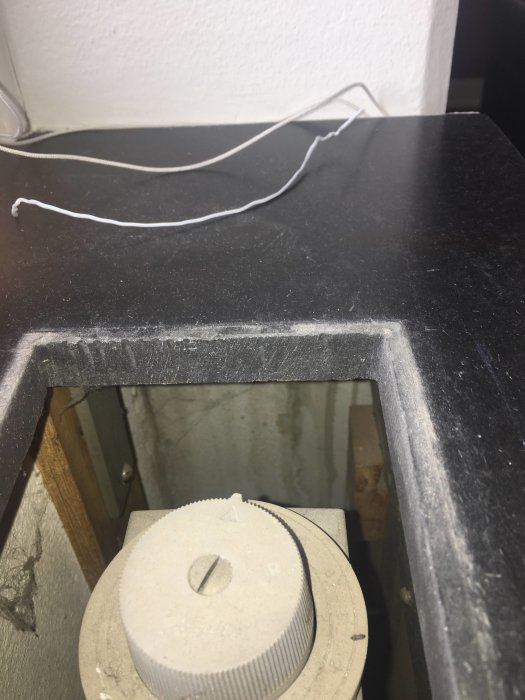
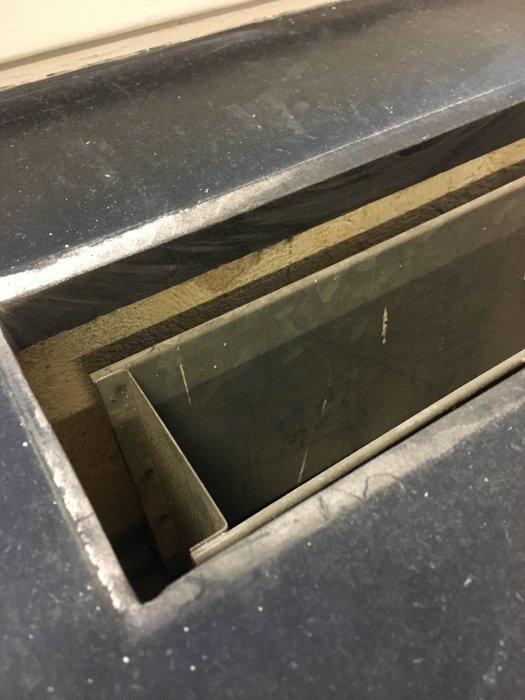
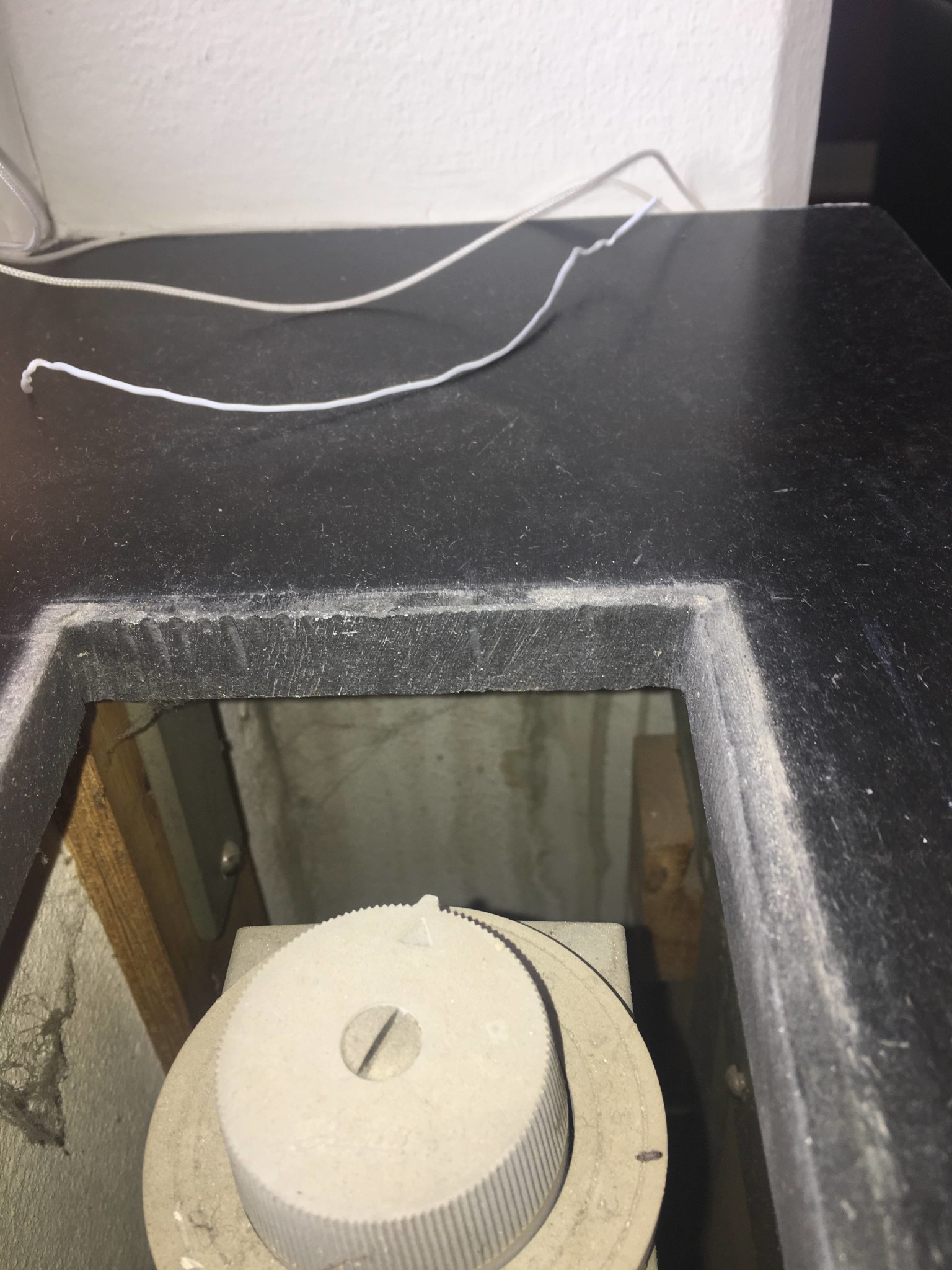
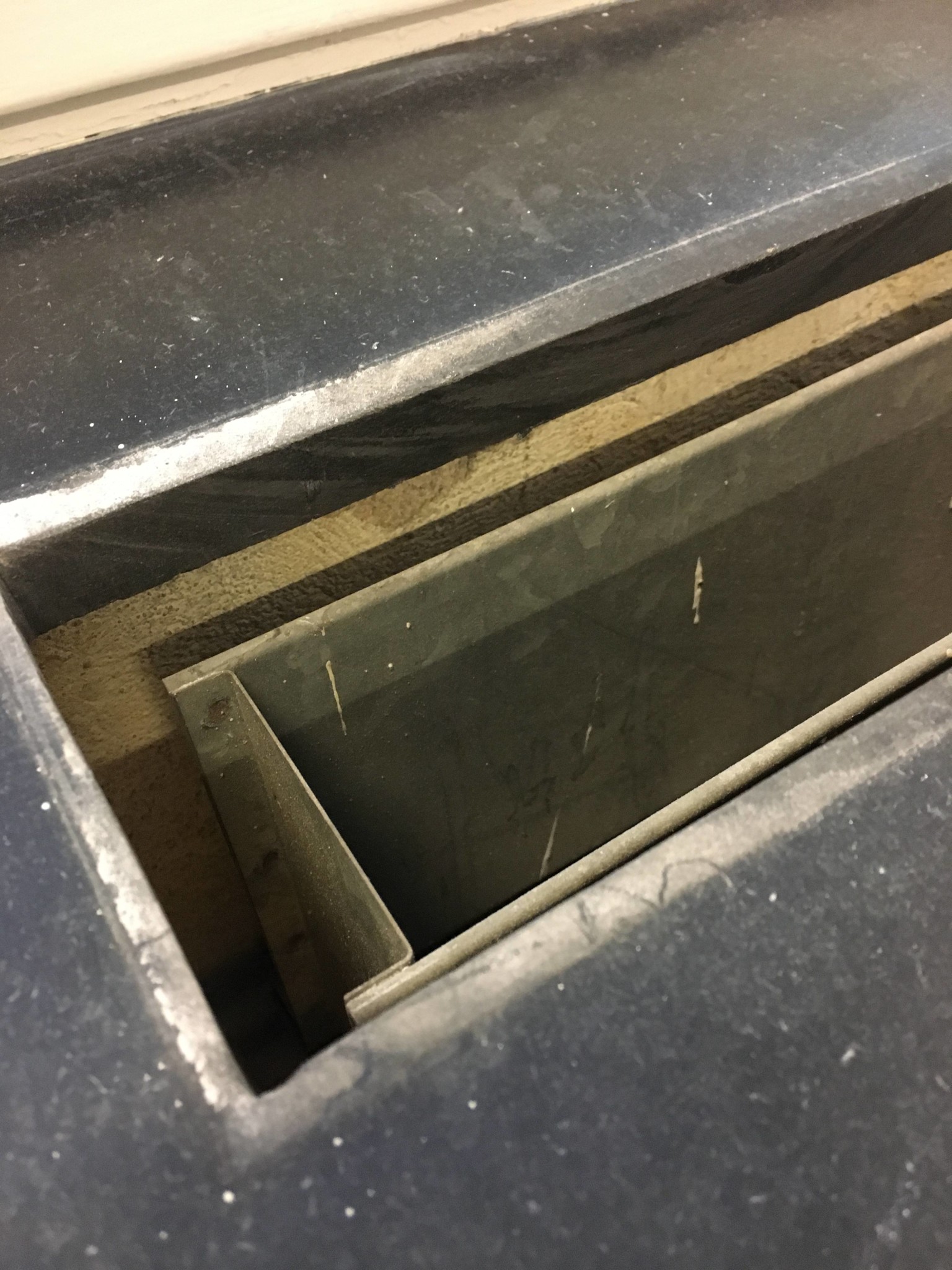
Some of my colleagues have started removing the valves in the panels when they're pulling cables. I've taken a few more pictures.
Do you think these are asbestos-cement panels or something else? They had to use a bit of force with a screwdriver to remove the valves. I also notice there's some dust on the edges where the valves were. I'm worried, of course, that it's asbestos dust
Vi vill skicka notiser för ämnen du bevakar och händelser som berör dig.



useless said:

Jarlingar said: