

Hello!
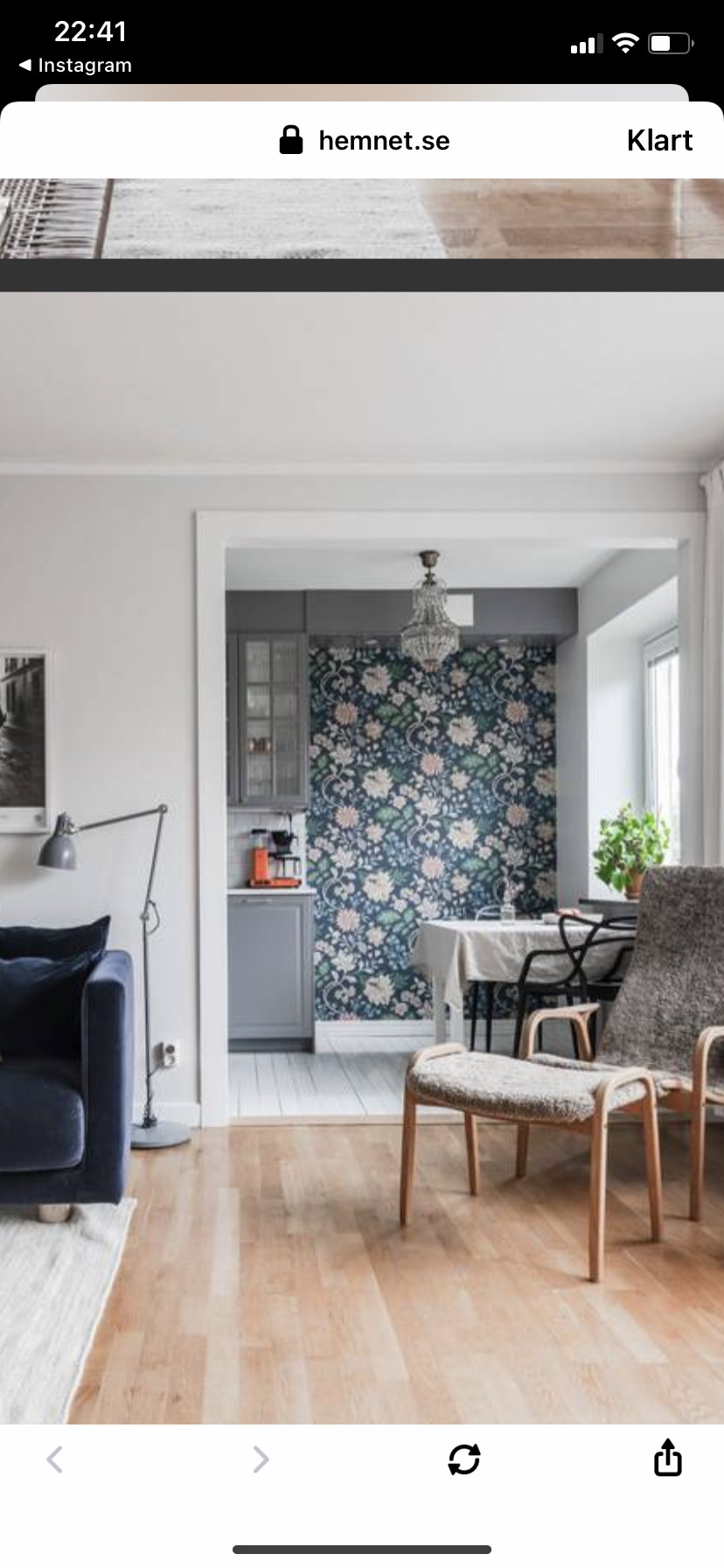
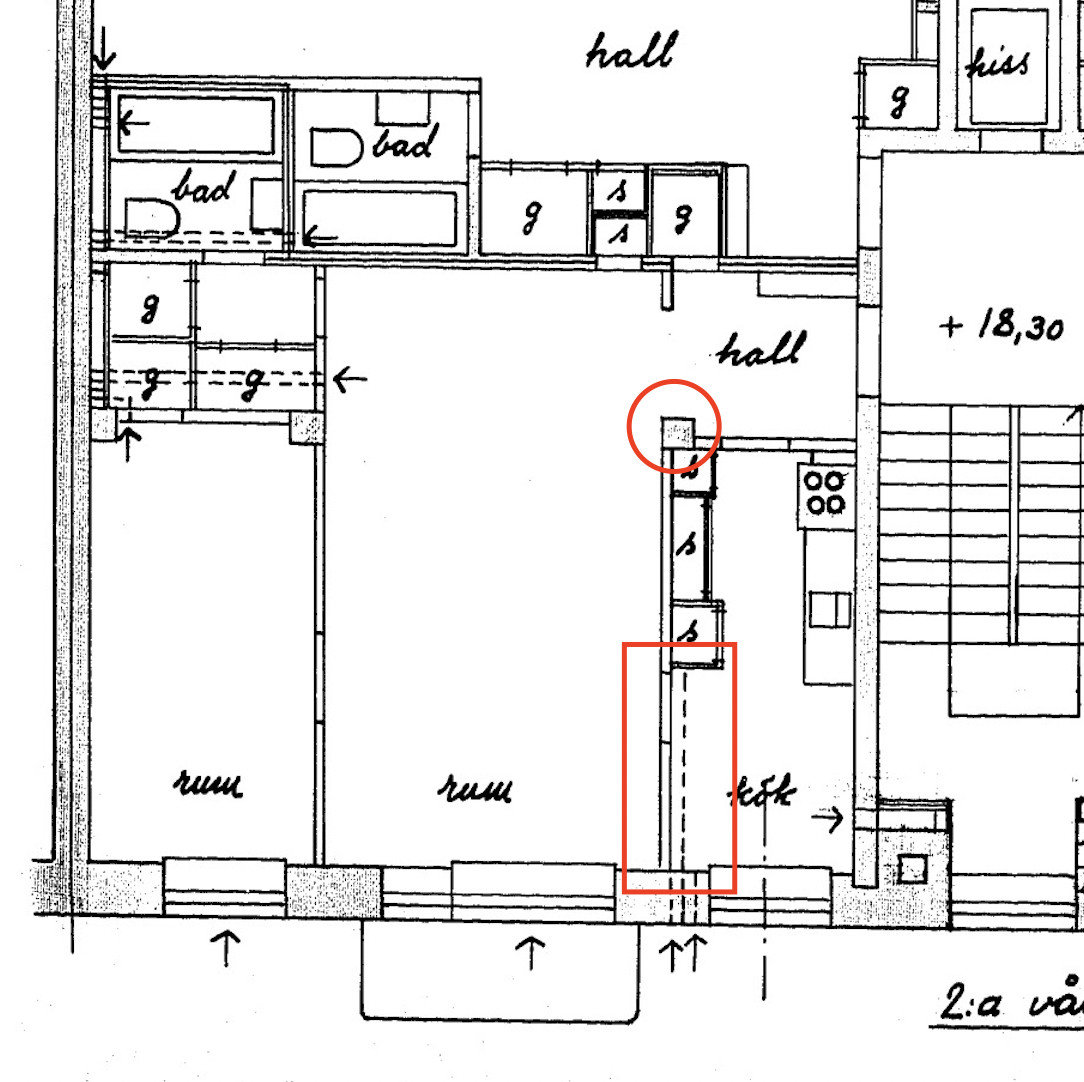
I am planning to tear down my wall and would need your help on what you think. The wall is to be removed between the kitchen and living room, see image "floor plan."
I don't think it is load-bearing because:
- The wall is 11 cm thick
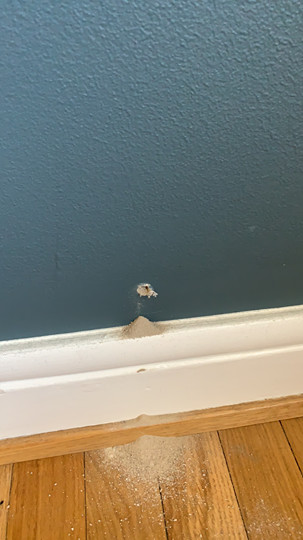
- The wall's content is some form of lightweight concrete/plaster - See image
- The wall has a thicker column at the end. see shaded area in the image (circle in the image "floor plan")
- 80% of the association has removed the wall (probably not load-bearing if so many have done it) - see images "suggestions"
What do you think? Extremely grateful for any replies. I have looked into getting a certification but it costs about 7,000 which is a lot of money since I really believe it's not load-bearing.
Happy Easter!
I am planning to tear down my wall and would need your help on what you think. The wall is to be removed between the kitchen and living room, see image "floor plan."
I don't think it is load-bearing because:
- The wall is 11 cm thick
- The wall's content is some form of lightweight concrete/plaster - See image
- The wall has a thicker column at the end. see shaded area in the image (circle in the image "floor plan")
- 80% of the association has removed the wall (probably not load-bearing if so many have done it) - see images "suggestions"
What do you think? Extremely grateful for any replies. I have looked into getting a certification but it costs about 7,000 which is a lot of money since I really believe it's not load-bearing.
Happy Easter!

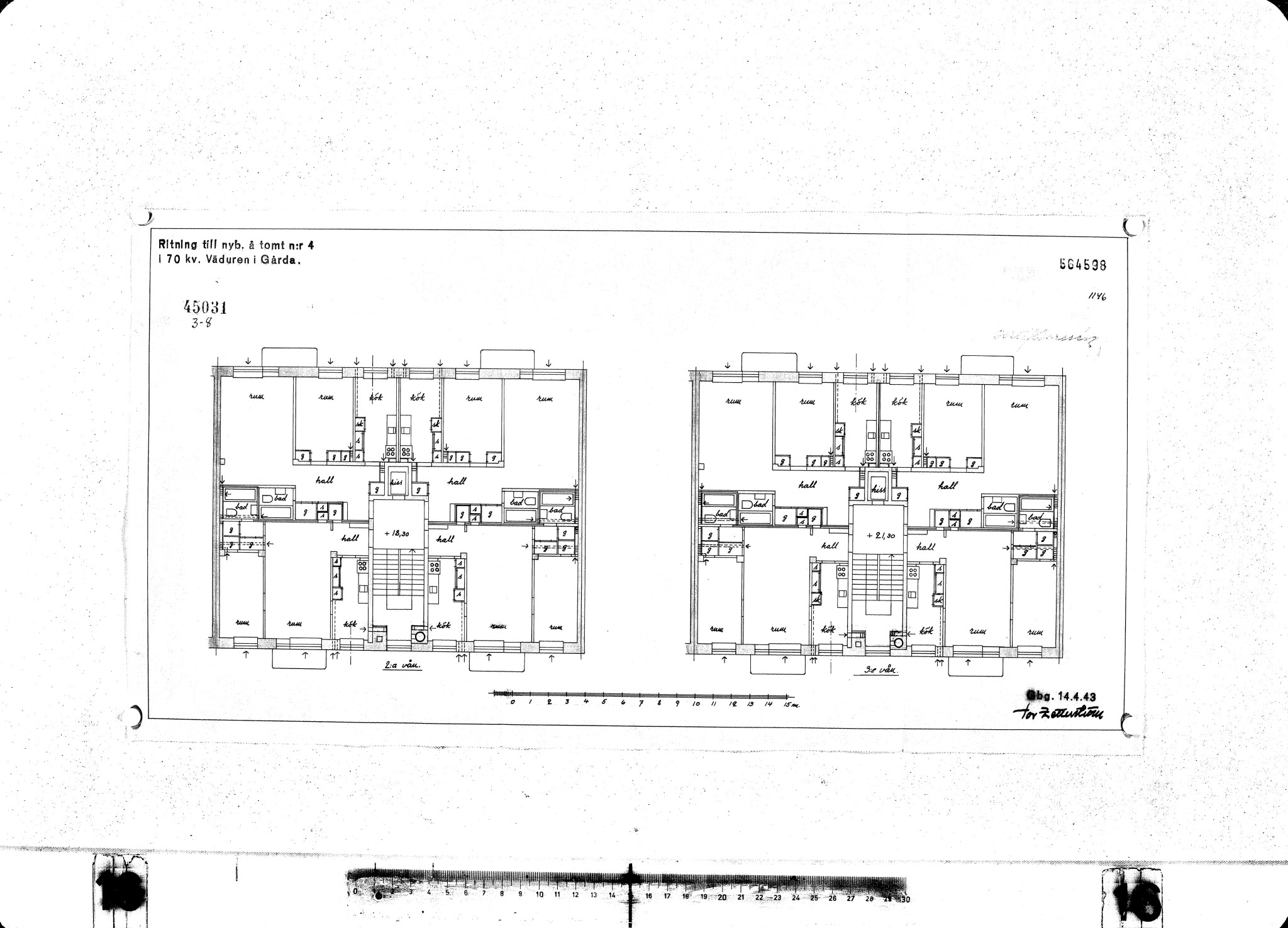
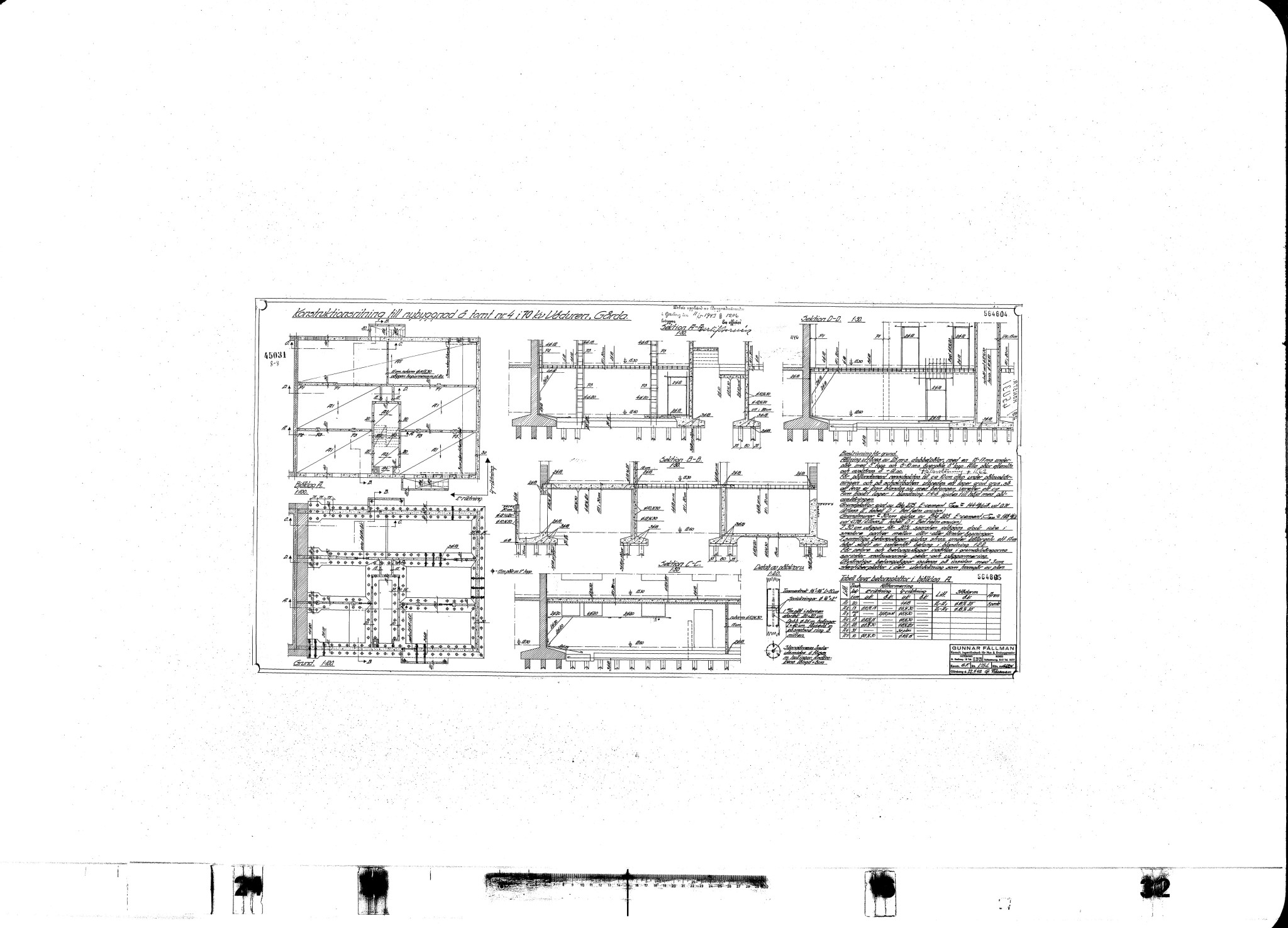
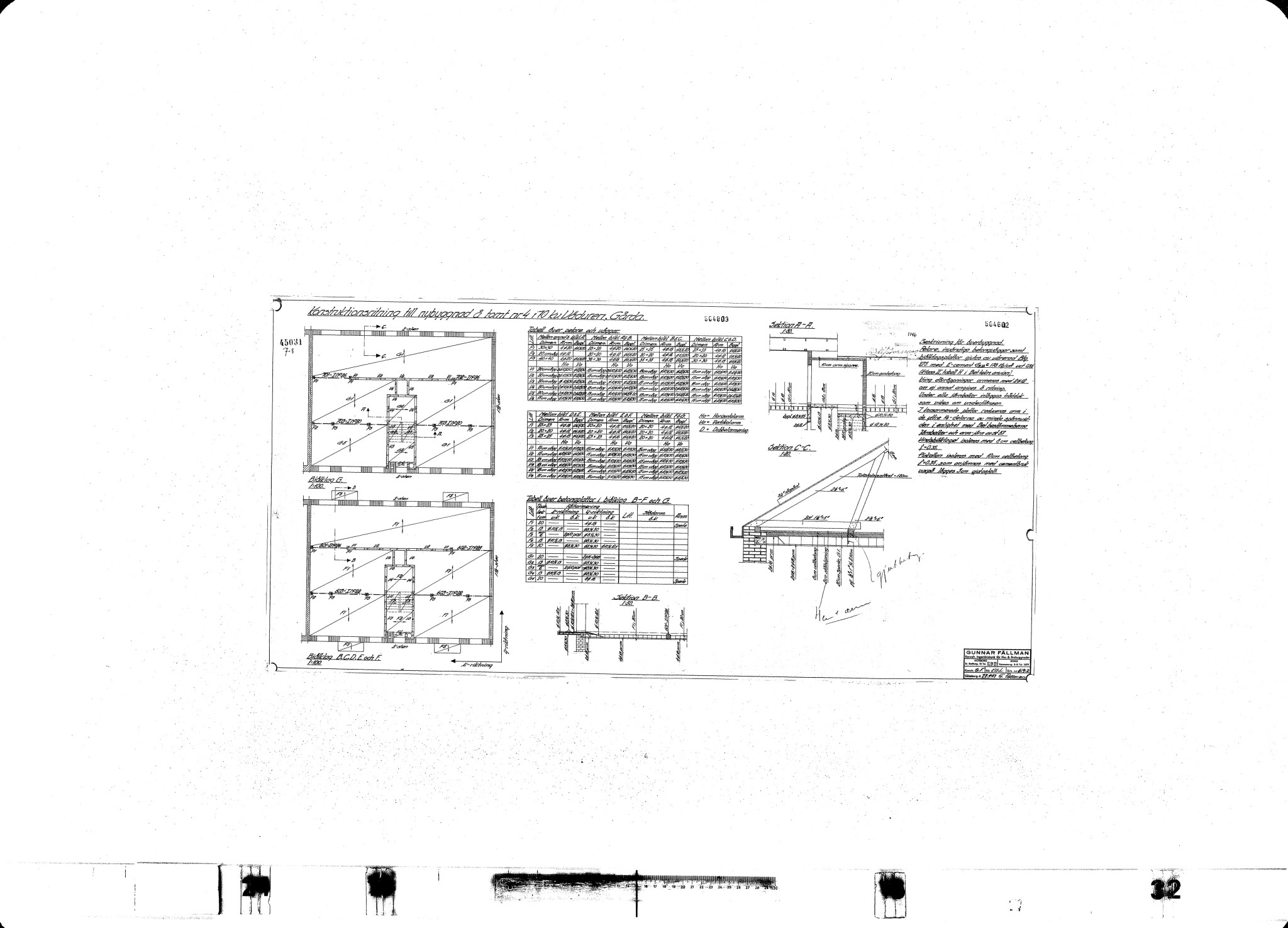

As you suspected, the wall between the kitchen and living room is not load-bearing. On top of the columns is a steel beam supporting the concrete slab. This was easy to determine with the help of the detailed drawings you attached. However, one should avoid drawing too many conclusions about load-bearing based solely on wall thickness. It requires quite extensive knowledge to understand it in context. An 11 cm wall thickness could mean a 3-inch plank wall with plaster on both sides. In a small house from the same period, load-bearing walls look that way.
I also lived in Gårda, although it was quite a long time ago. Södra Kustbanegatan.
I also lived in Gårda, although it was quite a long time ago. Södra Kustbanegatan.
BIG thanks for the explanation.
Out of curiosity, on which picture and where on the drawing can one see the stålbalken?
Okay, I have drilled through the entire wall and there is no other material than plaster/light concrete.
how fun!! super nice area!
have a nice evening!
Out of curiosity, on which picture and where on the drawing can one see the stålbalken?
Okay, I have drilled through the entire wall and there is no other material than plaster/light concrete.
how fun!! super nice area!
have a nice evening!
On the drawing called "image 3", floor plan G, there is a dashed line labeled 703-INP 20. INP is an older type of steel beam profile. INP 20 is 200 mm high and 90 mm wide. From a rigidity perspective, it lies between HEA 160 and HEA 180, which are more modern profiles. It requires some experience in reading drawings to see this.
No, I didn't believe in lättbetong. It didn't match the construction year. Brick or concrete hollow blocks or possibly concrete blocks are quite likely. Plus planking + plaster, but that wasn't it.
Click here to reply