
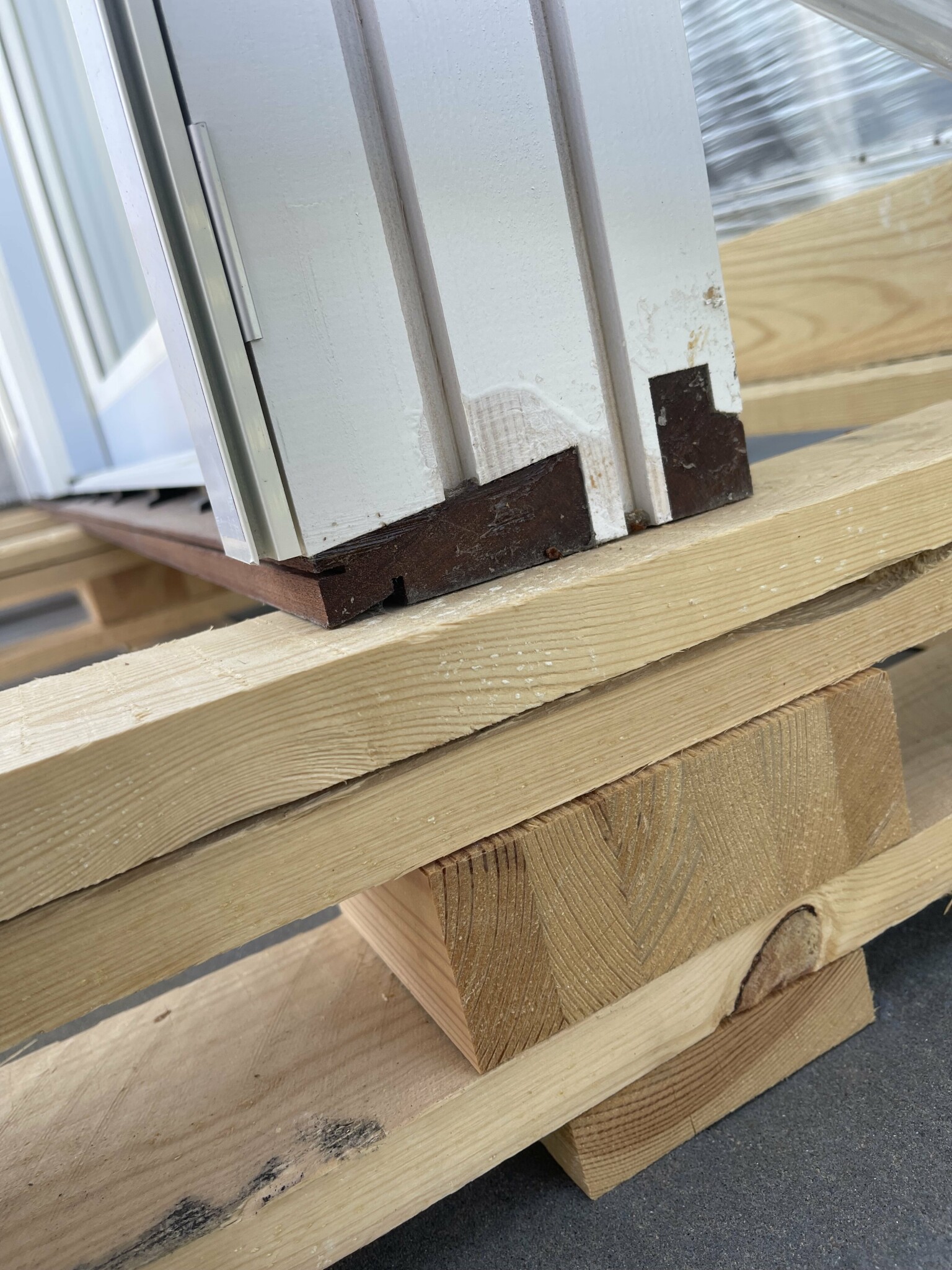

Depends a bit on how the connection is at the bottom; there are usually holes in the lower rail so moisture can drain out. It might be better if you go to a sheet metal worker and get some stainless steel pieces to place in between for leveling. Regarding the felt, it should not cover the holes if they exist, and try to ensure that the felt slopes downwards. On the inside, you can seal with some sealant up to about half the width of the rail.W Wadersss said:
I understand. This is what they look like. This is the outside of the section. A raw from beijer. Everything is in one piece.J jonaserik said:Depends a bit on how the connection is at the bottom; there are usually holes in the lower rail so moisture can drain out. Maybe it's better if you go to a sheet metal worker and get some pieces of stainless to insert in between to create a wave. Then, with the paper, it must not cover the holes if they exist, and try to have the paper sloping downhill. On the inside, you can seal it with some sealant up to about half the width of the rail.

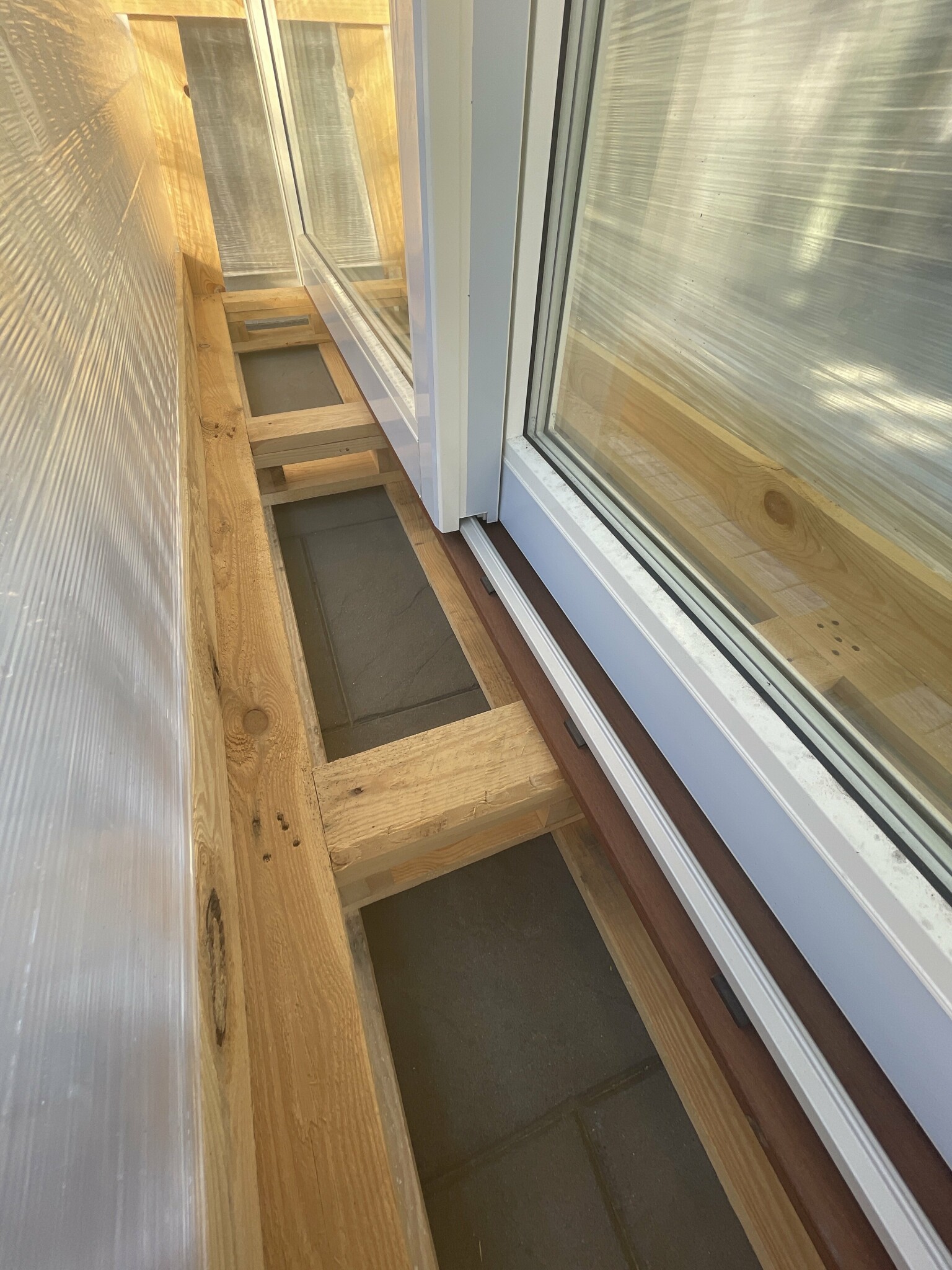
OK then the doors hang like on the outside of the base, so if moisture comes on, it runs directly out. Clear with that then. Next, getting it level is best with metal (stainless) wood tends to compress and then the rail can sink, not good. Sealing on the inside ensures that pests, ants, and other things stay on the outside.
It should be open if there are holes for moisture in the track. If there's no risk of it leaking in there, a sealant will work. Just remember that water can cling and go around, leaking backward underneath if it's not tight. There might need to be a threshold flashing at the bottom, similar to window flashing; it's not wrong, and it can be difficult to secure, but it can be glued along with the sealant underneath. Apply sealant and press the flashing in place, ensuring it's braced with some wooden pieces so the sealant can cure.W Wadersss said:

Click here to reply