
1,412 views ·
23 replies
1k views
23 replies
How to attach rope to tarp

If it is not a lightweight tarp, and you want such an advanced rope attachment that you even plan for thimbles with splices in grommets, then it's for use for many years ahead?
If you have a heavy-duty tarp that has a stable (hemmed?) edge that can withstand the pull in holes/grommets, you can probably get help from a sailmaker to install sufficiently large grommets that it might be possible to fit metal thimbles (if you manage to open the thimble slightly; the plastic ones probably can't be fitted).
I've had such grommets in the sail, to be able to reef when needed. But I think it's an advantage to have removable reef hooks instead of fixed thimbles (even though it's a completely different situation). The ones I use are flexible carabiners or snap hooks of sufficient size to handle the grommet. It's more flexible if you need to replace broken ones, or change the length, of the tarp rope. See example
If you have a heavy-duty tarp that has a stable (hemmed?) edge that can withstand the pull in holes/grommets, you can probably get help from a sailmaker to install sufficiently large grommets that it might be possible to fit metal thimbles (if you manage to open the thimble slightly; the plastic ones probably can't be fitted).
I've had such grommets in the sail, to be able to reef when needed. But I think it's an advantage to have removable reef hooks instead of fixed thimbles (even though it's a completely different situation). The ones I use are flexible carabiners or snap hooks of sufficient size to handle the grommet. It's more flexible if you need to replace broken ones, or change the length, of the tarp rope. See example
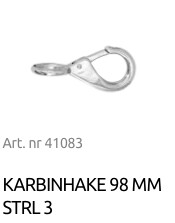
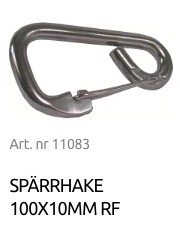
I avoided recommending more metal than the grommet because it can easily chafe and wear on nearby items.Spikbjörn said:
If it's not a lightweight tarp, and you want such an advanced rope attachment that you are even planning for thimbles with splices in grommets, then it's for use for many years to come?
If you have a heavy-duty tarp with a stable (hemmed?) edge that can withstand the pull in the holes/grommets, you might be able to get help from a sailmaker to punch in sufficiently large grommets that might allow the insertion of metal thimbles (if you can manage to open the thimble a bit, the plastic ones probably won't fit).
I have had such grommets in my sail, to be able to reef when needed. But I find it advantageous to have removable reef hooks instead of permanent thimbles (even though it's a completely different situation). The ones I use are flexible carabiners or spring hooks of sufficient size to handle the grommet.
It's more flexible if you need to replace broken ones, or change the length of the tarp rope. See example
I prefer permanent reefing in place since it can be difficult and dark when needed, but I don't race sail, admittedly.

Absolutely, it holds well even without metal as there are both soft and hard solutions available. You can also use sailmaking tools to whip a loop if you don't feel like splicing, depending on how flexible or fixed the arrangement should be. I also just leisurely sail and prefer simple, uncomplicated solutions. However, for a heavy-duty tarp, the solutions for lightweight covers won't work.redarn said:
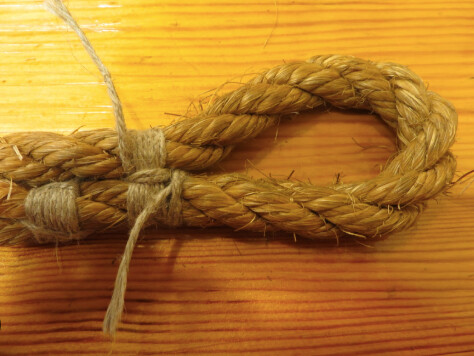
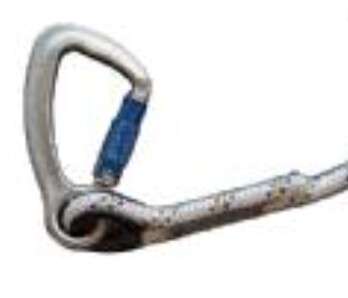
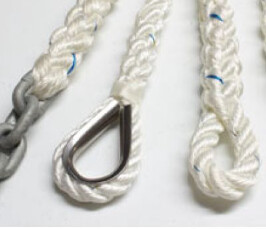
A kaus cannot be fitted into the eyelet, so that probably won't work. I'll do as the captain in #15. It's important to see where you lay the line for tensioning. You should avoid the line under the keel reaching a spot with less boat thickness and becoming loose. It's good to lay the lines a little diagonally under the boat. The bow and stern should be inspected extra carefully to prevent the wind from getting underneath. Flapping material tends to break.


Click here to reply