
2,679 views ·
7 replies
3k views
7 replies
How do I remove the roof beam in the barn?

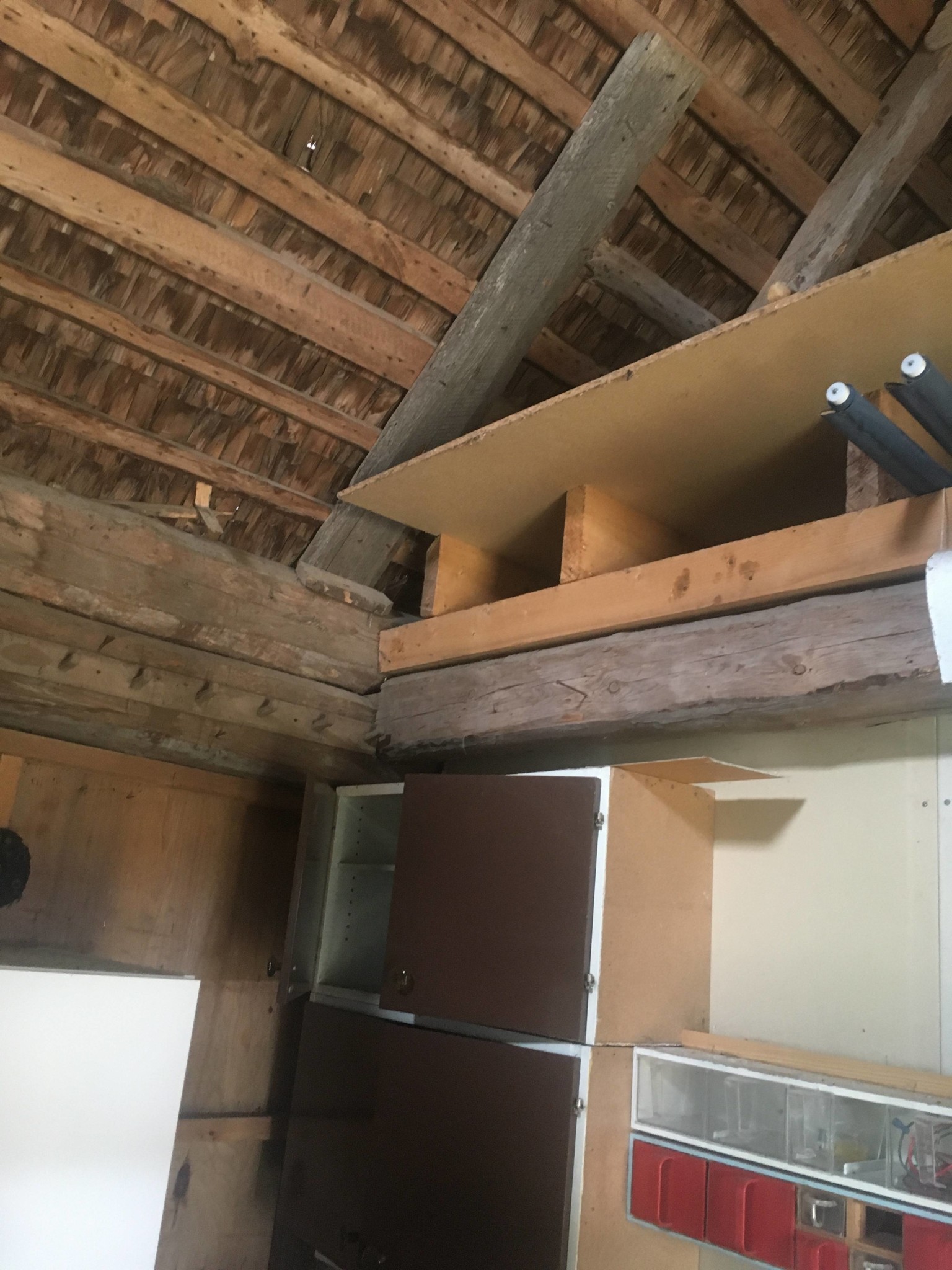
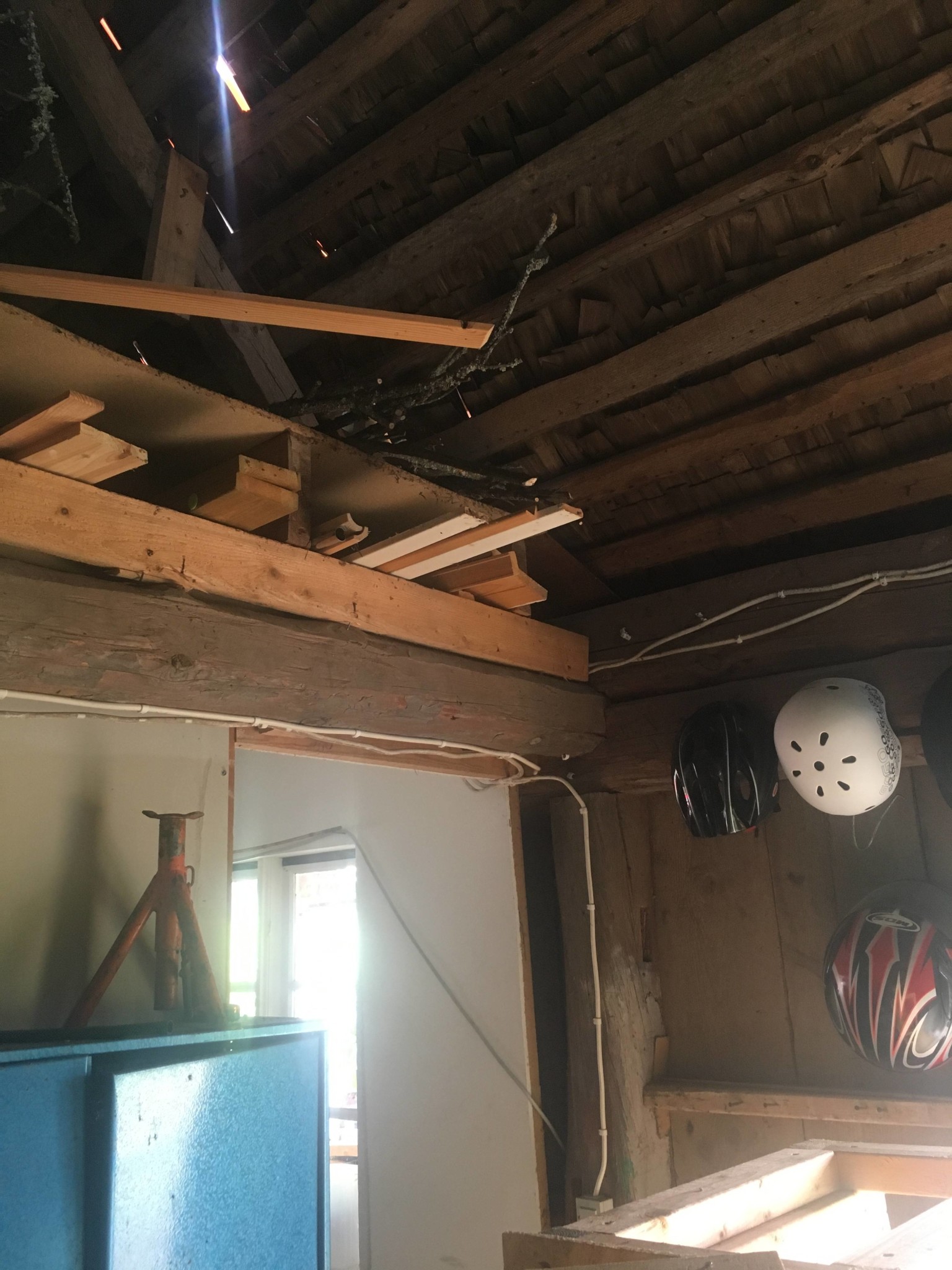
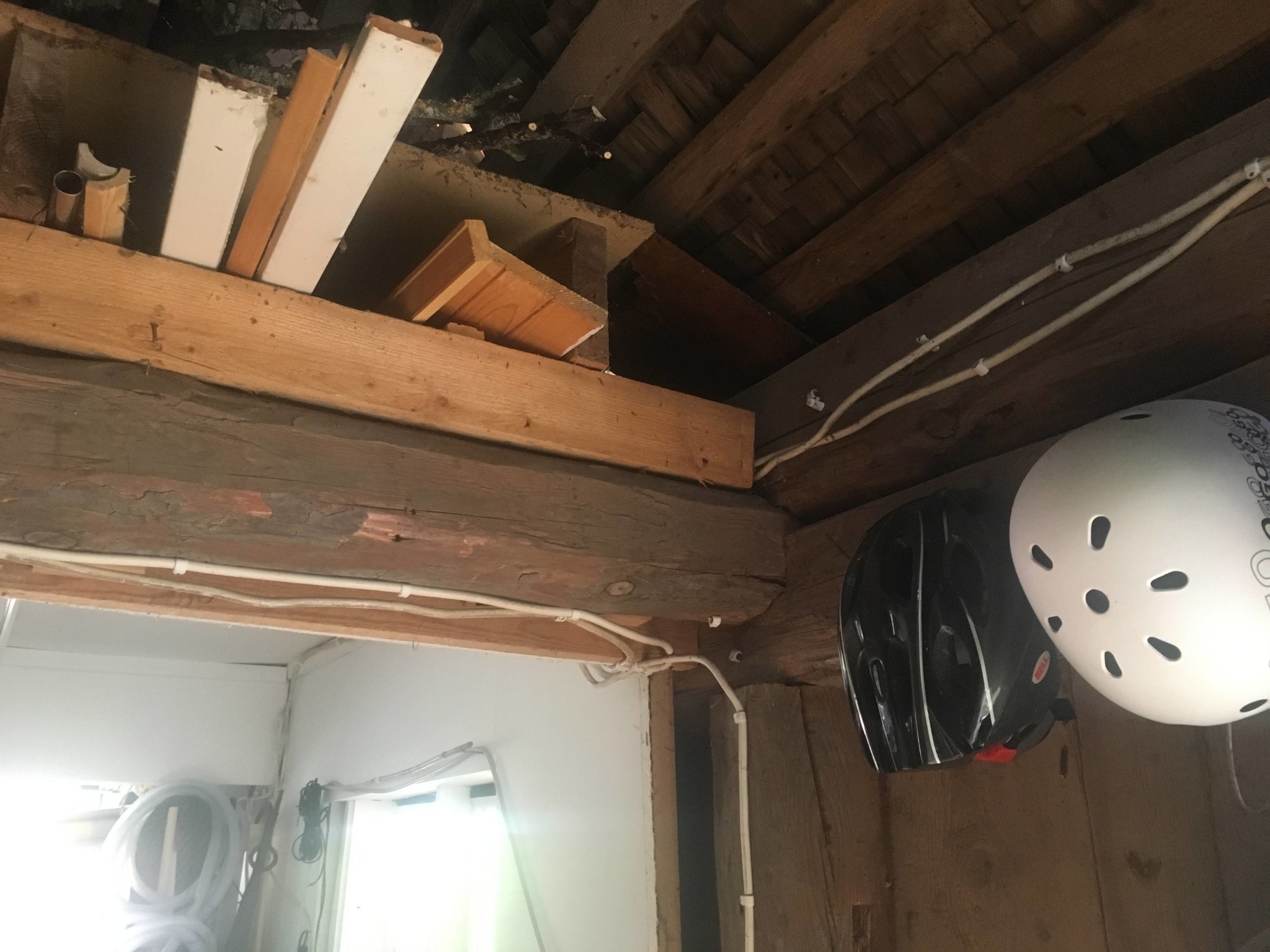
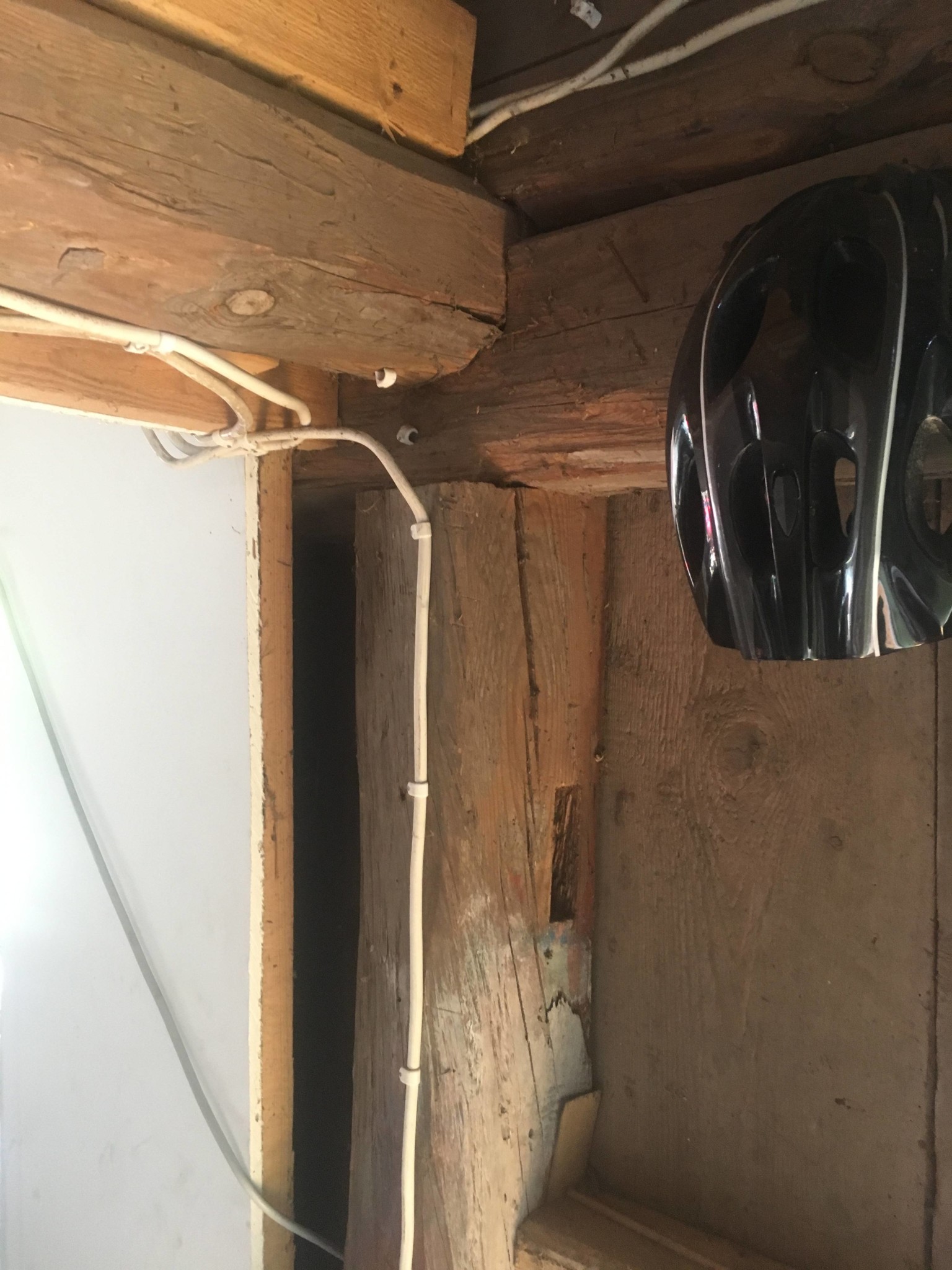
Additionally, my pickup is 175 cm tall with the hardtop on, so that's risky too.
Anyway.
I don't have a picture of the beam itself other than enclosed in plaster, but I am attaching pictures of the beams in another part of the barn.
I am thinking that the roof trusses are separate from these cross beams which rather seem to have the task of keeping the walls from collapsing.
Am I thinking right?
Can I, in such a case, transfer it by pulling a steel beam on the inside of the structure, from wall to wall?
On top of these roof beams lies another layer in the other direction, it would be nice to avoid tearing up the whole thing.
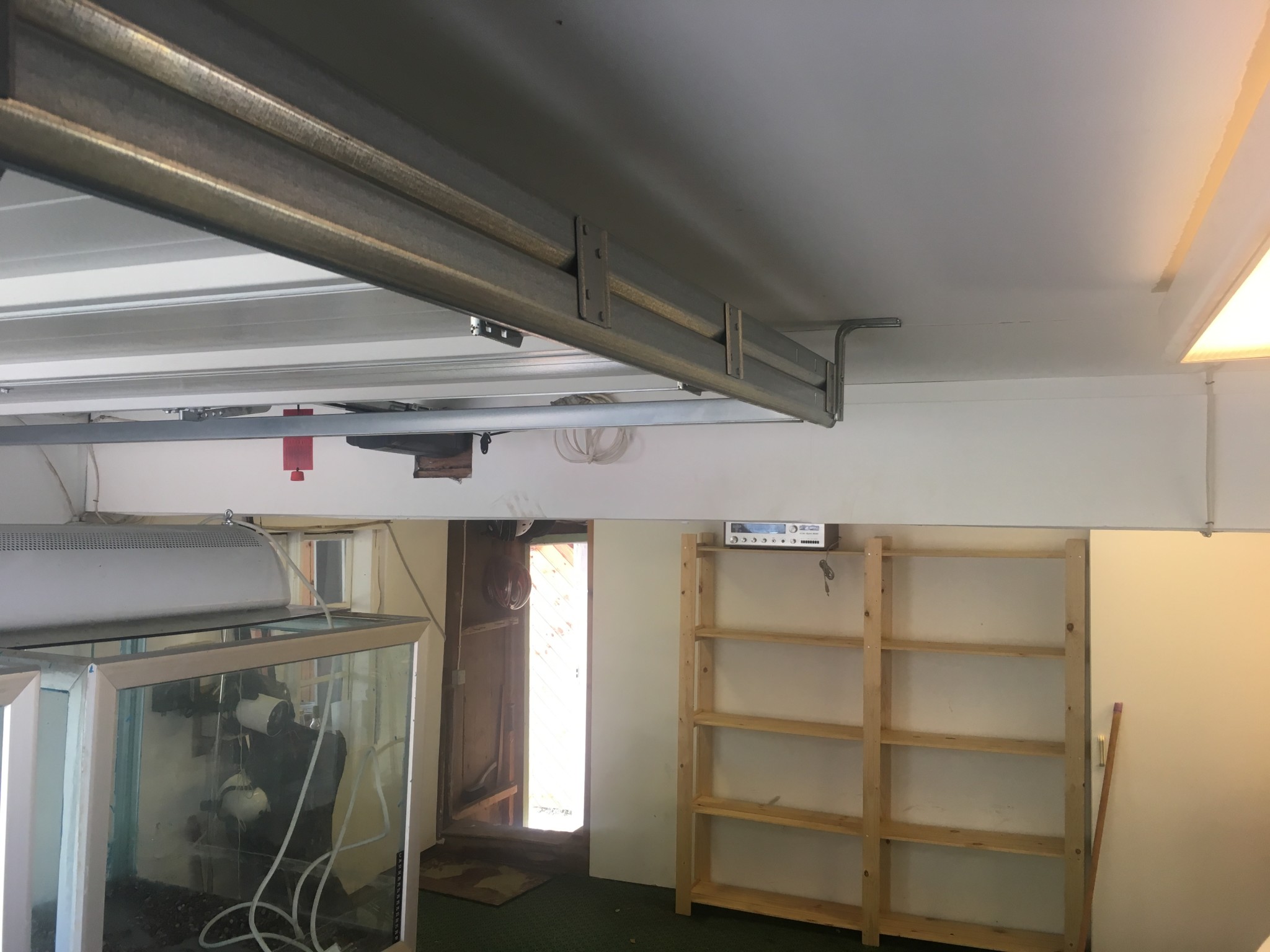

Without having seen the whole structure, I suspect that the beam in question is some form of collar beam, tasked with, as you say, preventing the walls from bowing out. If this assumption is correct, you can replace it with a tension rod made of steel. If you are going to replace half of the beam, the end must rest on a post. Then there are some complications. One is that the intermediate floor above seems to rest on this beam. Another is that you need to find points where you can attach the tension rod.
Thank you very much for the response.
I opened up the gypsum box a bit yesterday and found a very rotted beam in it.
I will try to take photos today for documentation purposes if nothing else.
The intermediate floor is actually not a problem since the upper floor is only used for light long-term storage.
The only thing is that I don't want to tear it up since it's made of something like 2.5" x 9". Long and bulky planks to tear out.
I'd rather save that work for the day I want to insulate if it comes to that in the future.
There are timber walls in the barn (around 15 cm thick), so it should basically just be to pull in a tie rod/beam with French wood screws in a suitable log or two, right?
What is the appropriate dimension for a tie rod over roughly 5 meters?
I suspect it's easier to find pipes rather than solid materials in the vicinity. I could weld (large) plates for mounting at the ends of the pipes, for example. I have no problem replacing the beam with more than one tie rod for that matter.
I opened up the gypsum box a bit yesterday and found a very rotted beam in it.
I will try to take photos today for documentation purposes if nothing else.
The intermediate floor is actually not a problem since the upper floor is only used for light long-term storage.
The only thing is that I don't want to tear it up since it's made of something like 2.5" x 9". Long and bulky planks to tear out.
I'd rather save that work for the day I want to insulate if it comes to that in the future.
There are timber walls in the barn (around 15 cm thick), so it should basically just be to pull in a tie rod/beam with French wood screws in a suitable log or two, right?
What is the appropriate dimension for a tie rod over roughly 5 meters?
I suspect it's easier to find pipes rather than solid materials in the vicinity. I could weld (large) plates for mounting at the ends of the pipes, for example. I have no problem replacing the beam with more than one tie rod for that matter.
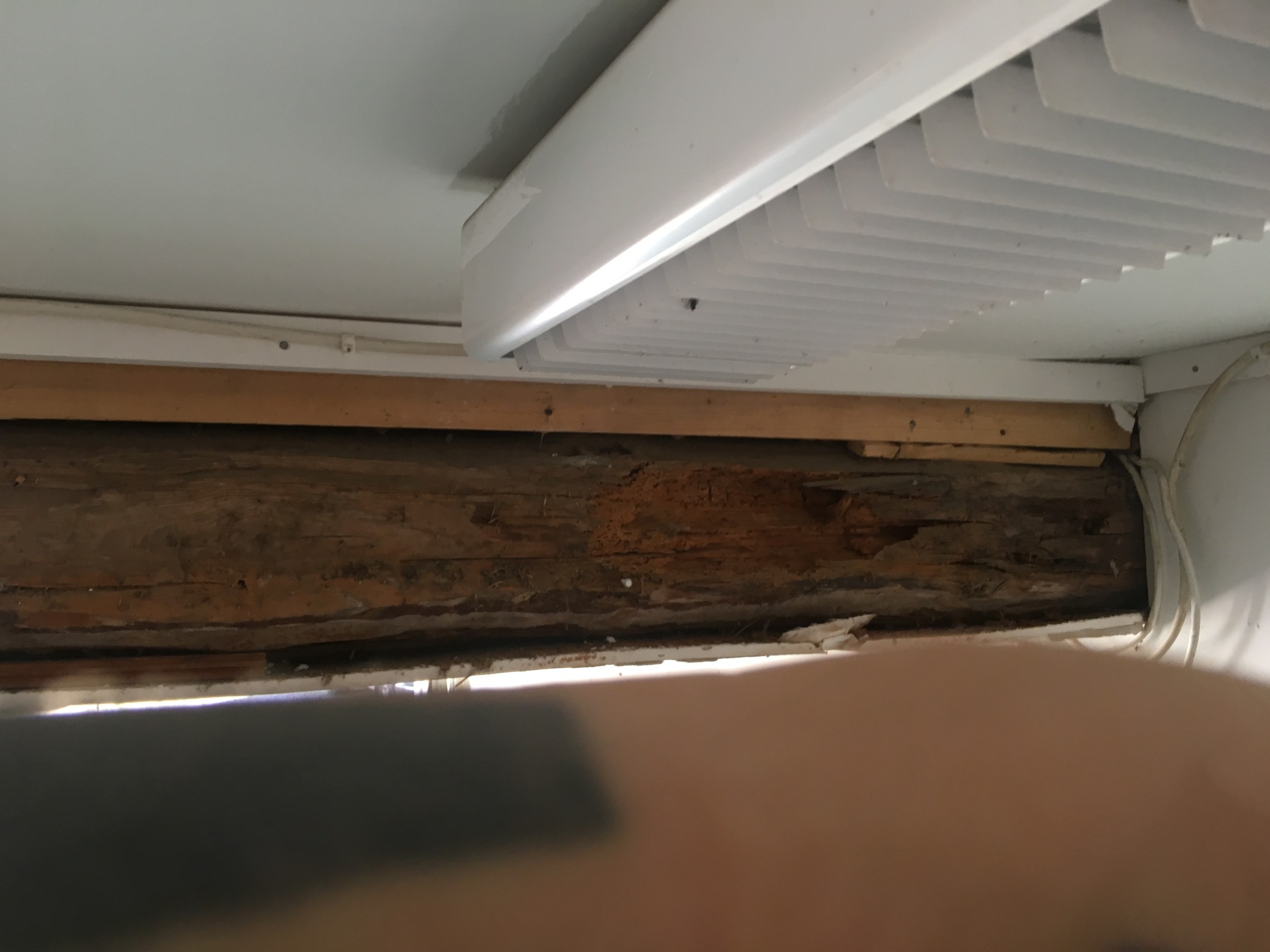
To calculate the appropriate dimension for tie rods, you need to know the dimensions and slope of the roof, the distance between the roof trusses, as well as how the cross beam is positioned in relation to the overall layout of the structure. With timber in the walls, it should not be difficult to attach the tie rods.

An old barn has very large areas, so it's good to have something to guide you. Because steel has very high tensile strength, it's easy to over-dimension, but you should have something to go by first.
Click here to reply